A friend once told me she fell in love with the name Saoirse, then froze when she realized she wasn't sure how to say it out loud. That moment is common with Celtic baby girl names. The beauty is immediate, but the language behind the beauty deserves care.
If you're choosing among Celtic baby girl names, it helps to think beyond “meaning.” A name like Aoife, Niamh, or Róisín carries sound patterns, spelling rules, myth, and living culture. In Ireland, names such as Fiadh have become highly visible in recent baby-name rankings, while the broader top girls' names list also includes Grace, Emily, Sophie, Ava, Amelia, Ella, Hannah, Lucy, and Mia, which shows Irish names now sit comfortably beside international favorites in everyday family life (recent Irish baby-name reporting summarized from Irish statistics). If you're in the thick of early parenthood, this guide to support for new parents may help too.
The practical question isn't only which name sounds lovely. It's whether you'll feel confident saying it, teaching it to others, and honoring where it comes from. That's why Irish names can become a gateway to language learning. Even one name can teach you how slender and broad consonants work, why mh often sounds like v, or how a fada changes rhythm and stress.
Table of Contents
- 1. Aoife
- 2. Saoirse
- 3. Siobhan
- 4. Aisling
- 5. Orla
- 6. Caoimhe
- 7. Niamh
- 8. Róisín
- 9. Maeve
- 10. Ciara
- Top 10 Celtic Baby Girl Names Comparison
- Final Thoughts
1. Aoife

Aoife is one of the names people remember after hearing it once. The spelling looks mysterious to many English speakers, but once you learn the sound, it feels graceful and direct. It's commonly explained as meaning beauty or radiance, and it has deep roots in Irish story tradition.
In Irish mythology, Aoife appears as a warrior woman in the Ulster Cycle. That gives the name a different texture from names chosen only for softness. It can feel elegant and strong at the same time.
Why Aoife matters
Aoife is a good example of why Celtic baby girl names are worth learning properly instead of anglicizing by guesswork. You may hear different attempts from people seeing it for the first time, but careful pronunciation shows respect both to the child and to the language.
Aoife also works well as a first pronunciation lesson. Learners can practice it in a simple Irish sentence such as “Is mise Aoife,” meaning “I am Aoife.” That turns a baby name into a doorway into spoken Gaeilge.
Practical rule: If a name matters to your family, learn how it sounds from Irish first, then decide how you'll help others say it.
Real-world examples help make the name feel lived-in rather than museum-like. You might know the musician Aoife O'Donovan or the actor Aoife Hinds. Names like this stay current because people continue to use them in modern life, not because they survive only in legends.
2. Saoirse
Saoirse is one of the clearest examples of a name that is also an Irish word. It means freedom, which gives it emotional force before you even get to its sound. For many families, that makes it memorable in a way that more decorative names aren't.
The name became widely recognizable outside Ireland through actress Saoirse Ronan, and many people first encounter it there. That visibility matters because it shows how an Irish-language name can stay culturally specific while moving confidently into global use.
Why freedom matters in this name
Saoirse connects personal identity with Irish history and language in a very direct way. Parents who choose it often aren't just picking a pretty sound. They're choosing a word with values attached to it.
There is one practical wrinkle. Pronunciation can vary by accent and familiarity, so it's worth listening to native or Irish-informed models rather than relying on a single guess from English spelling.
- Say the meaning too: When you introduce the name, explaining that it means freedom often helps people remember it.
- Practice the word on its own: Because saoirse is also ordinary vocabulary, it teaches more than a label.
- Use it in context: Try simple introductions or greetings so the pronunciation sticks naturally.
Some Celtic baby girl names carry a story. Saoirse carries a whole idea.
If you want a name that sounds distinctly Irish but still feels contemporary, Saoirse sits in that sweet spot. It shows how a traditional language can sound modern without giving up its roots.
3. Siobhan
Siobhan often surprises people because it doesn't look anything like its common English pronunciation clues. That's part of its value. It teaches, right away, that Irish spelling follows Irish rules.
The name is the Irish form of Joan or Jeanne. That history makes it a useful reminder that names travel, adapt, and settle differently in different languages.
What Siobhan teaches about Irish spelling
If you're curious about Celtic baby girl names as a language-learning path, Siobhan is a strong study piece. The bh in Irish often produces a v sound. Once you learn that, many other names and words become less intimidating.
This is also a name with broad real-world recognition. You might know Siobhan Fahey or Siobhán McSweeney, and because the name appears often in public life, it gives learners repeated exposure.
A good next step is to compare it with other Irish girls' names and notice shared spelling patterns in this Irish names for girls guide. Looking at names as a group often makes the system click faster than studying one in isolation.
- Focus on one sound rule: Learn bh as v first.
- Say it slowly: Break the name into manageable sound parts before speaking it naturally.
- Expect variation in English-speaking spaces: Many people know the name, but not everyone knows the Irish spelling logic behind it.
Siobhan is especially useful if you want a name that is unmistakably Irish yet familiar in many English-speaking communities. It bridges heritage and everyday usability well.
4. Aisling
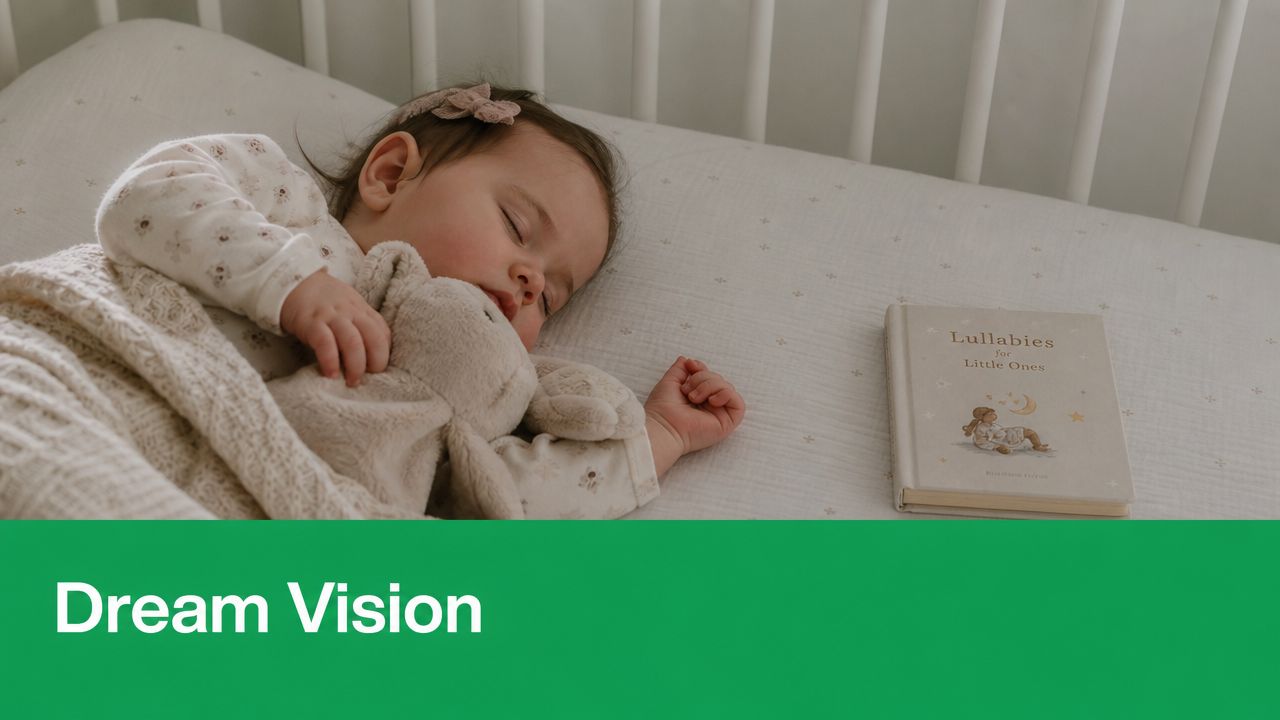
Aisling has literary depth that many names never get. It usually means dream or vision, and in Irish literary tradition an aisling is also a poetic form. That gives the name a special richness. It isn't only a personal name. It's also a cultural concept.
For parents who love poetry, language, or symbolism, Aisling feels grounded without sounding heavy. It has softness, but also history.
A literary name with everyday warmth
In Irish literature, the aisling tradition often presents Ireland in symbolic female form. You don't need to know the whole tradition to use the name, but knowing that background makes it more meaningful and respectful.
You'll also hear Aisling in contemporary life through figures such as Aisling Bea and Aisling Loftus. That balance between old literature and modern recognizability is one reason the name travels well.
If you want help hearing the shape of the word clearly, this pronunciation of Aislinn resource is useful because it keeps the focus on sound rather than guesswork from spelling alone.
Naming insight: Aisling is a good choice for families who want a name with cultural depth that still feels gentle and everyday.
The name can also invite a child into literature later on. Few names open such a direct path from family naming to poetry, language, and identity.
5. Orla
Orla is short, bright, and easy to carry into daily life. It's often explained as meaning golden princess, with roots in Irish elements related to gold. Even people who are unsure about longer Irish spellings usually find Orla approachable.
That simplicity is part of its appeal. Not every Celtic name needs to be orthographically complex to be culturally real.
Short, bright, and easy to carry
Parents sometimes want a name that feels distinctly Irish without requiring a pronunciation lesson every single day. Orla meets that need well. It keeps Irish identity visible while remaining easy to read in many English-speaking settings.
The sound is clear and warm. It also works well in spoken Irish practice, especially in short phrases and introductions. Because it's compact, learners can focus on rhythm and vowel quality instead of wrestling with many letters at once.
A few practical reasons people like Orla:
- Strong first impression: It sounds complete and confident in only two syllables.
- Easy classroom use: Teachers and relatives usually have fewer hurdles with it.
- Clear Irish link: It feels rooted rather than generic.
Orla is a helpful reminder that Celtic baby girl names aren't all challenging to pronounce. Some are simple enough for everyday ease while still carrying unmistakable cultural character.
6. Caoimhe
Caoimhe is the kind of name that makes people pause, then smile once they learn it. It's often explained as meaning beautiful, gentle, or precious. The spelling can look formidable if you haven't met Irish orthography before, but that challenge is exactly what makes it such a good teacher.
This name shows the gap between Irish spelling and English expectations. If you can learn Caoimhe patiently, many other Irish names become less intimidating.
A name that rewards patience
Pronunciation is commonly given as KEE-va or sometimes KWEE-va, depending on accent and regional habit. That variation is normal. What's important is learning that the spelling belongs to a real system, not to randomness.
For learners, Caoimhe is excellent practice because it highlights recurring sound patterns. The ao vowel group and mh consonant pair show up elsewhere in Irish too. Once you hear them enough, your eyes stop fighting the spelling.
Before the video below, one simple tip helps. Practice the name out loud separately from its spelling, then reconnect the two after your ear gets comfortable.
In the United States, Irish-origin girl names that perform best in mainstream ranking lists tend to be forms such as Harper, Nora, Riley, Maeve, Kennedy, Quinn, Hailey, Rylee, Sloane, and Reagan, while faster climbers include Elowyn, Rowyn, Kiera, Ayleen or Aileen, Eileen, Murphy, Bridget, Darcy, Delaney, and Rory. That pattern suggests many U.S. parents choose names that feel easier to normalize in English spelling, which helps explain why a name like Caoimhe may need pronunciation support more often than Maeve or Nora (Good Housekeeping summary of SSA-based rankings).
Caoimhe is a strong choice for families who don't mind teaching others. In return, they get a name that feels distinctly Irish and linguistically beautiful.
7. Niamh
Niamh is compact, luminous, and closely tied to Irish myth. It's commonly glossed as bright or radiant, and that sense of light fits both the sound and the stories around it.
In legend, Niamh is linked with the tale of Oisín and Tír na nÓg. That makes the name feel mythic without becoming unusable in present-day life.
Myth and modern life in one syllable
Niamh is one of the best examples of how much Irish can hide inside a short name. To an English-speaking eye, the final mh may not suggest the usual spoken form at all. To an Irish learner, though, it becomes another useful clue.
You may know the name from public figures such as Niamh Cusack or Niamh Kavanagh. Modern use keeps it grounded. Myth gives it color.
Niamh is a good reminder that Irish names don't separate folklore from ordinary life. They often carry both at once.
If you're using names to learn language, Niamh works well alongside Oisín because both appear in the same legendary orbit. Studying them together can make cultural memory feel less abstract and much more conversational.
8. Róisín
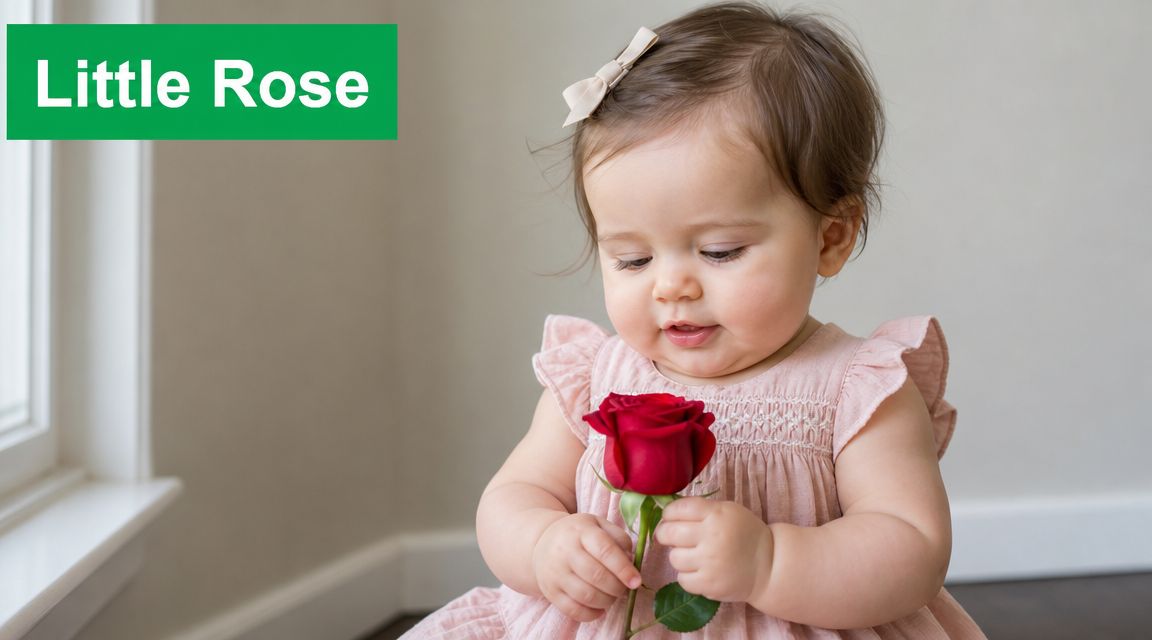
Róisín is tender without being flimsy. It means little rose, and that small ending carries a language lesson with it. In Irish, the suffix can create a diminutive form that adds affection or smallness.
This is one of those names where grammar, feeling, and culture meet. A parent may choose it for sweetness, while a learner notices how the language builds meaning.
A small ending with a big lesson
The traditional song “Róisín Dubh” gives the name an extra cultural echo. Even if someone first picks it because it sounds beautiful, they'll soon find it connected to music and literary symbolism too.
The fada over the ó matters. It changes the vowel quality and reminds learners that Irish spelling marks sound more carefully than English often does.
A few ways Róisín teaches beyond itself:
- Base word awareness: Rós means rose.
- Suffix awareness: The ending helps show how Irish forms affectionate diminutives.
- Accent awareness: The fada isn't decorative. It guides pronunciation.
Róisín Murphy is a familiar modern example, and that kind of visibility helps keep the name contemporary. Róisín is ideal for families who want softness, artistry, and a direct lesson in how Irish builds meaning.
9. Maeve
Maeve is one of the most accessible entries on many lists of Celtic baby girl names. It's familiar, short, and easy for many English speakers to pronounce on sight. Yet behind that simplicity stands one of the strongest figures in Irish mythology.
The legendary Queen Medb of Connacht gives Maeve its force. The name is often connected with the sense of intoxicating, but in modern use many people respond just as strongly to the aura of leadership and independence around it.
Strength in a familiar form
Maeve is a useful example of a name that has crossed over successfully without losing its Irish core. In current U.S. popularity discussions of Irish-origin names, Maeve appears among the strongest mainstream choices, which helps explain why many families meet it before they meet more orthographically demanding forms such as Meadhbh or Caoimhe.
That broad familiarity can be a benefit if you want an Irish name that travels smoothly across schools, workplaces, and countries. But the mythological background keeps it from feeling generic.
If the warrior-queen dimension appeals to you, these Irish goddess names offer a wider cultural backdrop for similarly powerful choices.
Maeve works well for parents who want a name that sounds polished in modern life while still opening the door to the Ulster Cycle and older Irish storytelling. It's proof that accessibility doesn't have to mean cultural thinning.
10. Ciara
Ciara is often one of the easier Irish names for English speakers to approach. It's usually explained as meaning dark or dark-haired, from the Irish root ciar. The sound is straightforward enough that many people feel comfortable with it quickly, even if spellings and pronunciations can vary by region.
That makes Ciara a good beginner's name. It still teaches something real about Irish, but it doesn't ask families to climb the steepest hill first.
A clear starting point for beginners
One useful lesson here is that Irish c is pronounced like k. That's a basic pronunciation principle with wide value beyond this one name. Learn it through Ciara, and you'll spot it elsewhere.
The name also shows how forms shift across borders. In the United States, faster-climbing Irish-origin names in one ranking summary include Kiera, which reflects how some families prefer spellings that feel more transparent in English, while still keeping an Irish link. Ciara and Kiera can therefore open a good conversation about authenticity, adaptation, and what matters most to your family.
For parents reconnecting with heritage, Ciara is often a comfortable first step. It feels recognizably Irish, still works internationally, and can lead naturally into broader language learning once curiosity grows.
Top 10 Celtic Baby Girl Names Comparison
| Name | 🔄 Pronunciation Complexity | ⚡ Resource Requirements | 📊 Expected Outcomes & Cultural Impact | 💡 Ideal Use Cases | ⭐ Key Advantages |
|---|---|---|---|---|---|
| Aoife | Medium, "EE-fa" / "AY-fa" | Audio guide + repetition | Strong practice of Irish vowels; mythological context | Learners practicing vowel sounds and cultural names | Authentically Irish; rich narrative; increasingly international |
| Saoirse | High, "SIR-sha" / "SER-sha" | Focused audio + phonetic explanation of "ao" | Teaches challenging vowel combinations; conveys value of "freedom" | Advanced learners; cultural/political name discussions | Powerful meaning; celebrity familiarity; distinct identity |
| Siobhan | High, "Shiv-AWN" | Orthography lessons + audio practice | Demonstrates consonant clusters and orthographic evolution | Study of Irish spelling rules and historical forms | Internationally recognized; rich historical depth |
| Aisling | Medium-High, "ASH-ling" / "AYS-ling" | Audio + literary/context study | Entry to Aisling poetry tradition; poetic vocabulary | Learners interested in Irish literature and symbolism | Lyrical meaning; strong literary connections |
| Orla | Low, "OR-la" | Minimal (basic pronunciation + word break-down) | Teaches compound word formation ("or" + "flann") | Beginners; families wanting simple authentic names | Simple, memorable, modern while traditional |
| Caoimhe | Very High, "KEE-va" / "KWE-va" | Repeated audio + phonetic rule drills | Mastery of orthography vs pronunciation; key phonetic patterns | Learners tackling Irish orthography and phonetics | Exemplifies Irish phonetic rules; elegant sound |
| Niamh | Medium, "NEEV" | Audio + myth retelling | Connects learners to Irish mythology and storytelling | Culture-focused learners and storytelling practice | Mythological resonance; relatively accessible pronunciation |
| Róisín | Low-Medium, "RO-sheen" / "ROW-sheen" | Basic audio + diminutive grammar notes | Teaches diminutive suffix (-ín) and folk traditions | Grammar lessons on diminutives; music/folk contexts | Teaches grammatical suffixes; strong folkloric ties |
| Maeve | Low, "MAYV" | Minimal (pronunciation + legend overview) | Introduces legendary Queen Medb; leadership symbolism | Learners exploring mythic names and cultural narratives | Strong feminine leadership symbolism; easy pronunciation |
| Ciara | Low-Medium, "KEER-a" / "KEE-ra" | Basic audio + practice with "C" = "K" | Builds confidence with approachable Irish pronunciation | Beginner learners and multicultural families | Accessible pronunciation; historically rooted and popular |
Final Thoughts
Choosing among Celtic baby girl names isn't only a style decision. It's often a small cultural decision too. A name can connect a child to family roots, to story, to music, and to the sound system of a living language.
That matters because Irish names aren't frozen artifacts. In Ireland, current naming patterns show that Irish-language names sit alongside international favorites in everyday use, and reporting based on recent statistics also notes that Síofra rose from 157th to 100th in 2023, a jump of 57 places in a single year, while Fiadh has been reported as the most popular girls' name in Ireland (discussion of recent Irish naming trends). That kind of movement suggests parents are actively choosing names from Irish, not treating them as distant heritage pieces.
The respectful way to use these names is simple. Learn the pronunciation. Understand the meaning as well as you can. If a name comes from mythology, literature, or ordinary Irish vocabulary, take a little time to know that context. You don't need to become a scholar before naming a child, but curiosity and care go a long way.
It's also fine to be practical. Some families want names like Maeve, Orla, or Ciara because they travel easily. Others want names like Caoimhe, Saoirse, or Aoife because the Irish spelling itself is part of the value. Neither instinct is wrong. What matters is choosing consciously rather than flattening the language to make other people comfortable.
If you're still undecided, say each name out loud in everyday situations. Imagine calling it across a room, writing it on a school form, hearing a grandparent say it, or helping a child explain it proudly. A good name should feel usable, not just admirable.
One more thing is worth remembering. A baby name can be the beginning of language learning for the whole family. Many parents start with one name, then become curious about the fada, about a myth, or about how to say “my name is” in Irish. That's a lovely path to follow. If you're also preparing for your baby's arrival, these newborn announcement tips from InchBug may give you ideas for sharing the name once you've chosen it.
If you want help saying Celtic baby girl names correctly and understanding the Irish behind them, Gaeilgeoir AI is a smart next step. It gives you guided pronunciation support, real-world speaking practice, and a simple way to turn a beautiful name into the start of genuine Irish learning.