You’ve probably done this already. You call your new dog three or four trial names across the kitchen, wait for one to feel right, then wonder if there’s a name that sounds distinctive without feeling forced. That’s where Gaelic names for dogs can be such a satisfying choice. They’re musical, compact, and full of story.
A Gaelic name also gives you more than a label. It gives you a small, practical way to begin learning Irish. You say the name every day. You hear its sounds over and over. You start noticing spelling patterns, long vowels, and old mythological references without needing to sit down for a formal lesson first. A dog’s name can become your first real Irish word.
That matters because interest in Irish-inspired dog names has grown sharply. In 2025, Irish dog names ranked among the top 10 most popular dog-naming categories in the United States, according to Rover’s Irish dog names list. Many owners are clearly looking for names with heritage, meaning, and personality.
If your dog is an Irish breed, that connection can feel even more fitting. You can also discover the Irish Setter breed if you want a deeper sense of the Irish canine tradition behind the naming inspiration.
Table of Contents
- 1. Bran Masculine – Raven – Pronunciation /brɑːn/
- 2. Setanta Masculine – Legendary Warrior The Strong One – Pronunciation /ʃɛˈtɑːntə/
- 3. Fionn Masculine – Fair White-haired – Pronunciation /fiːn/
- 4. Lugh Masculine – Light Bright or Warrior God – Pronunciation /luː/
- 5. Saoirse Feminine – Freedom – Pronunciation /ˈsɪərʃə/ or /ˈseːrʃə/
- 6. Banríon Feminine – Queen – Pronunciation /bænˈriːən/
- 7. Cú Masculine – Hound Dog – Pronunciation /kuː/
- 8. Rían Masculine – King – Pronunciation /ˈriːən/
- 8 Gaelic Dog Names: Meaning, Gender & Pronunciation
- Start Your Irish Language Journey Today
1. Bran Masculine – Raven – Pronunciation /brɑːn/
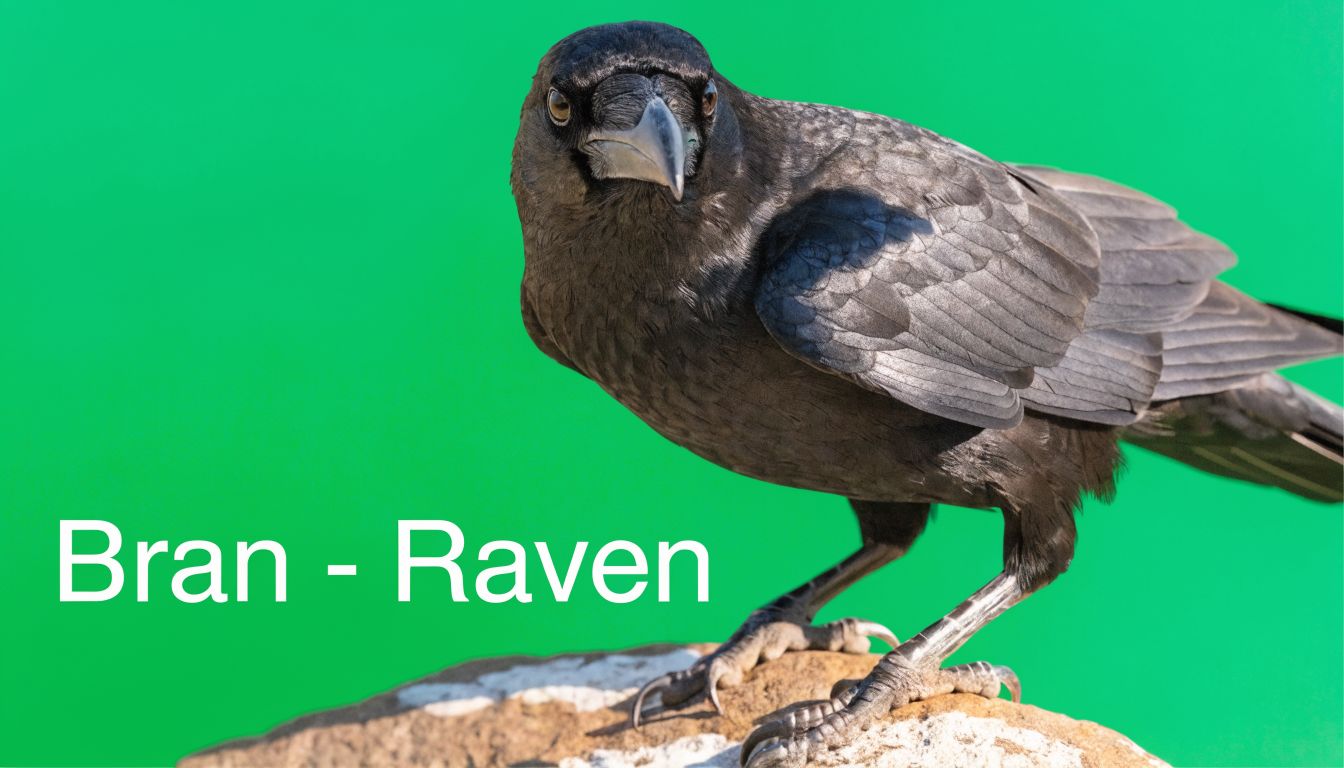
Bran is one of the strongest picks if you want a name that feels ancient without being difficult. It means “raven,” and it appears in Irish myth as the name of one of Fionn MacCumhaill’s famous hounds. That alone makes it one of the most natural Gaelic names for dogs, because it already belongs to the old storytelling world of hunters, loyalty, and wilderness.
It also works beautifully in daily life. Bran is short, clear, and easy to call across a field or a sitting room. If you’ve got a black dog, a watchful dog, or a dog with a calm, intelligent presence, the fit can feel immediate.
Why Bran stands out
Irish mythology often feels intimidating to beginners because the names can look unfamiliar on the page. Bran is different. You can say it almost exactly as it looks, which gives new learners an early win. That matters if you’re trying to build confidence with spoken Irish.
For a quick cultural rabbit hole, the Gaeilgeoir guide to Gaelic names is a helpful next step after choosing a name like Bran.
Practical rule: If a name feels easy to say every day, you’re more likely to keep using it correctly and remember the word behind it.
A good real-life use case is a family that wants a meaningful name without constant pronunciation corrections. Bran works for children, heritage learners, and adults returning to Irish after school. It’s also a smart choice for someone preparing for the Leaving Cert oral, because mythological names help you remember cultural references in a natural way.
Try practicing it in tiny phrases rather than isolation:
- Call practice: “Bran, anseo.” Use it as a calm recall phrase.
- Sound practice: Repeat the opening br blend slowly, then at normal pace.
- Memory practice: Link Bran with raven, hound, and myth in your notes.
2. Setanta Masculine – Legendary Warrior The Strong One – Pronunciation /ʃɛˈtɑːntə/
Setanta has force in it. Even before you know the story, it sounds active and bold. In Irish tradition, Setanta is the boyhood name of Cú Chulainn, one of the central heroic figures in the Ulster Cycle. If your dog charges into rooms like he’s already on a quest, this name can feel wonderfully apt.
This is the kind of name people choose when they want a dog name with narrative behind it, not just a pleasant sound. It suits athletic dogs, confident dogs, and dogs that carry themselves with a bit of drama.
How to say Setanta comfortably
The first sound is the part most English speakers need to practice. It begins with a “sh” sound, not a hard “s.” Breaking it into chunks helps: Se-tan-ta. Once you hear the rhythm, it settles quickly.
Some names teach you more because they resist you a little at first. Setanta is one of those names. It helps train your ear for Irish sound patterns, and that makes it useful if you’re trying to move beyond memorizing isolated words.
Some of the most searched Irish dog-name content now centers on pronunciation, not just meanings, according to the underserved-angle research summarized in this discussion of Gaelic dog names and pronunciation demand.
That makes sense. A learner might love the story of Cú Chulainn but still hesitate to say Setanta aloud. The fix is repetition in context. Say it while clipping on a lead. Say it when praising your dog. Say it at normal volume, not performance volume.
A few ways to make it stick:
- Syllable drill: Say Se, then tanta, then join them.
- Story anchor: Remember that Setanta later becomes Cú Chulainn.
- Speaking habit: Use the name in one short sentence each day, such as “Setanta, suí.”
This is a great choice for literature students, mythology lovers, and anyone who wants their dog’s name to open a bigger cultural door.
3. Fionn Masculine – Fair White-haired – Pronunciation /fiːn/
Your dog is at the park, someone asks his name, and you get to answer with one short Irish word that is easy to say but rich in story. That is part of Fionn’s charm. It means “fair” or “white-haired,” and it carries the memory of Fionn Mac Cumhaill, one of the great figures of Irish tradition.
For beginners, Fionn is a very useful first step into Irish because it teaches an important lesson quickly. Irish spelling does not always follow English sound rules, and this name lets you feel that difference without giving you a hard word to manage. You write more letters than you pronounce. The result is still clean and memorable.
A small name that teaches a lot
Say it like “feen,” with a long ee sound: /fiːn/.
That surprises many English speakers at first. The spelling may tempt you toward “Finn,” especially if you already know the Anglicised form. Both are connected, but Fionn gives you the Irish spelling, and that spelling opens a cultural door. A dog name becomes a mini-lesson in sound, history, and identity.
This also makes Fionn practical. It is short enough for daily use, clear enough for recall, and distinctive enough to start conversations. If you want a name that works in ordinary life while still pointing back to Irish legend, Fionn does that job very well.
A simple way to learn it is to pair each part of the name with one fact:
- Sound: Fionn is pronounced /fiːn/
- Meaning: fair or white-haired
- Story: linked to Fionn Mac Cumhaill and the Fenian cycle
That three-part method works like a memory peg. Each time you say the name, you are reviewing pronunciation, vocabulary, and mythology at once.
If you want to build that habit, Gaeilgeoir AI can help in a very practical way. Save Fionn as a study word, listen to pronunciation, and practice saying it in short commands you would use with your dog. Readers who want more legendary naming ideas can browse this guide to Irish mythology names and compare how mythic figures appear in modern naming.
Use Fionn in real sentences rather than in isolation. “Fionn, anseo.” “Fionn, suí.” “Good boy, Fionn.” Repetition in context helps your ear faster than repeating the name like a spelling exercise.
Fionn suits owners who want a name with depth but not fuss. It is friendly on the tongue, strong in tradition, and a very good example of how choosing a dog’s name can become your first enjoyable lesson in Irish.
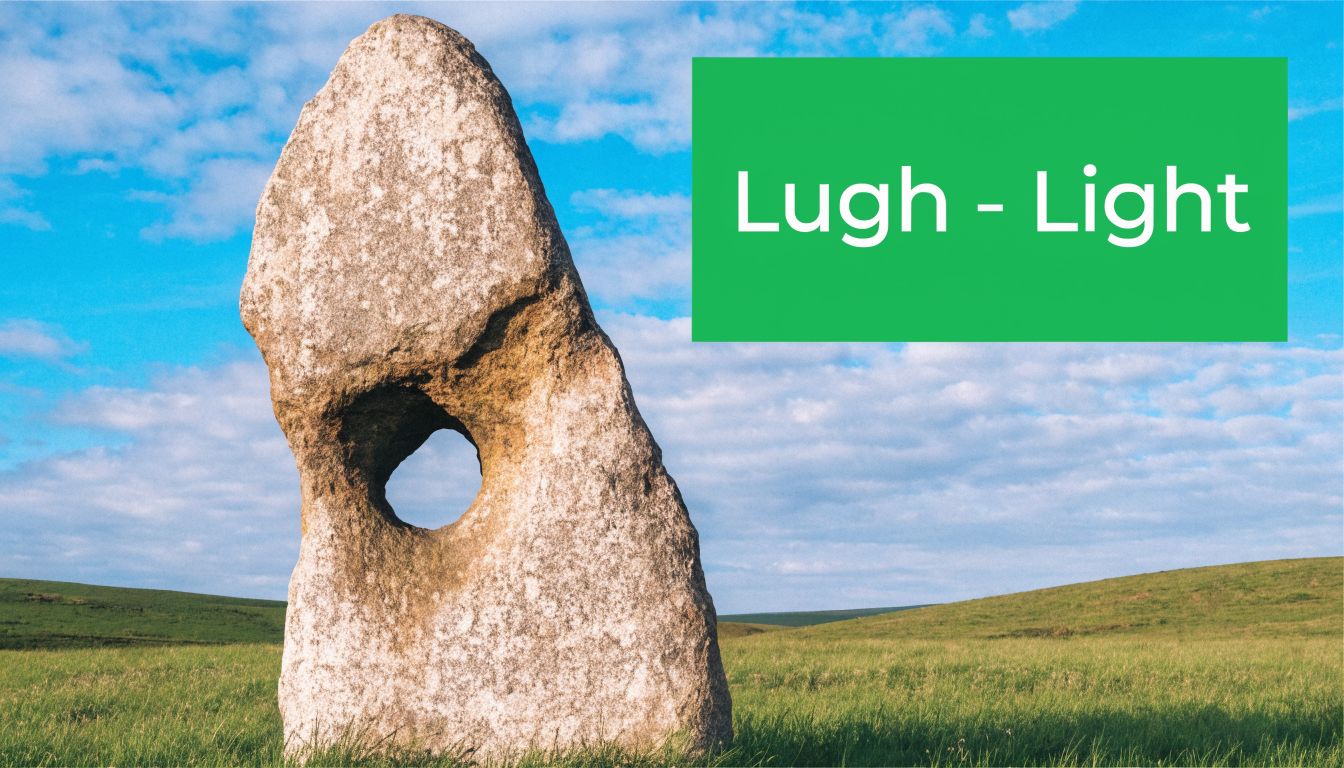
4. Lugh Masculine – Light Bright or Warrior God – Pronunciation /luː/
Lugh is compact, clean, and full of myth. It’s associated with the Irish god Lugh, a figure linked with brilliance, skill, and light. For dog owners who want a name that feels ancient but remains easy to call, Lugh is one of the best choices in the entire field of Gaelic names for dogs.
Short names can be deceptively rich. Lugh is only one syllable, but it carries a whole world of Irish cultural memory with it. It feels especially fitting for alert, quick, clever dogs.
A short name with deep roots
The pronunciation is simple once you hear it. Think “loo,” with a long vowel. The spelling may tempt English speakers to pronounce the final consonants, but in practice the spoken form is much smoother and lighter.
This is also a good name if you’re curious about how mythology and seasonal tradition connect. Lugh is linked to Lughnasadh, the early harvest festival. That gives the name extra context beyond a dictionary meaning.
For readers who want more naming ideas tied to story and legend, the Gaeilgeoir Irish mythology names guide fits naturally with a choice like Lugh.
A dog named Lugh could easily belong to a beginner learner who wants one strong Irish word to start with. It also suits someone studying cultural themes for school, because it opens a path into discussions of gods, festivals, and oral tradition.
Use it in short practice bursts:
- Call-and-response: “Lugh.” Pause. “Maith thú, Lugh.”
- Association practice: Pair the name with ideas like light, craft, and skill.
- Listening practice: Focus on the long oo vowel and keep it clean.
This one is excellent for owners who like concise names with intellectual depth.
5. Saoirse Feminine – Freedom – Pronunciation /ˈsɪərʃə/ or /ˈseːrʃə/
You call your dog across the park, and a stranger asks how to say her name. Saoirse turns that small moment into a mini Irish lesson. You are not only choosing a beautiful name. You are choosing a word that introduces sound, history, and meaning all at once.
Saoirse means “freedom,” and the feeling of the word matters as much as the translation. It suits a quick, independent dog, but it also suits a learner who wants a first Irish word with real emotional weight. In that sense, it works like a doorway into the language. One name can teach you how Irish spelling and Irish sound do not always line up neatly with English expectations.
That is why beginners often find Saoirse both appealing and intimidating. The spelling invites guesses, yet Irish asks for listening first. Two common pronunciations are given here, one closer to “SEER-sha” and another closer to “SAIR-sha” depending on dialect. If you want to hear those patterns clearly, the Irish pronunciation guide with audio support helps you connect the written form to real spoken Irish.
Saoirse is also practical in daily use once you break it into parts. Hear the ending first. “Sha.” Then add the opening slowly. Repetition helps more than trying to force the whole word perfectly on the first attempt.
Try using it as a tiny study routine with your dog:
- Sound practice: Say “Saoirse” three times slowly before walks.
- Meaning practice: Pair the name with the idea of freedom, speed, and open space.
- Command practice: Use short phrases like “Saoirse, tar anseo.”
- Gaeilgeoir AI practice: Record yourself saying the name, compare it with audio, and repeat until the rhythm feels natural.
A name like Saoirse gives you more than a label on a collar. It gives you a memorable first step into Irish, one that teaches pronunciation, opens cultural conversation, and gets easier every time you say it.
6. Banríon Feminine – Queen – Pronunciation /bænˈriːən/
Banríon is a wonderful choice if your dog already behaves as if the house belongs to her. It means “queen,” and it has exactly the regal energy you’d expect. For a poised sighthound, an imperious terrier, or a tiny dog with outsized confidence, Banríon can be both elegant and funny in the best way.
It’s also one of the most educational names on this list because it shows how Irish words are built. You aren’t only learning a name. You’re seeing structure.
What Banríon teaches you about Irish
Compound words help learners notice patterns. In Banríon, you can see how Irish combines elements to form a title with clear social meaning. That kind of word is useful because it trains your eye, not just your ear.
This name is better for learners who enjoy language as a system. If Bran feels instinctive and Fionn feels familiar, Banríon feels more like a satisfying puzzle.
The pronunciation becomes easier when you split it into parts: Ban-rí-on. Long vowels matter here, especially in the middle. If you enjoy pronunciation drills, this is a strong practice word. The Gaeilgeoir pronunciation guide is a natural companion if you want support with sound patterns like this.
Good situations for Banríon include owners who like formal names, students interested in grammar, and anyone who wants a female dog name that avoids the usual English clichés.
Try using it with related word study:
- Word pattern: Notice the visual chunking of Ban and ríon.
- Daily command: “Banríon, fan.”
- Character match: Best for dogs with dignified posture or commanding presence.
This one rewards patience. The more you say it, the more natural it becomes.
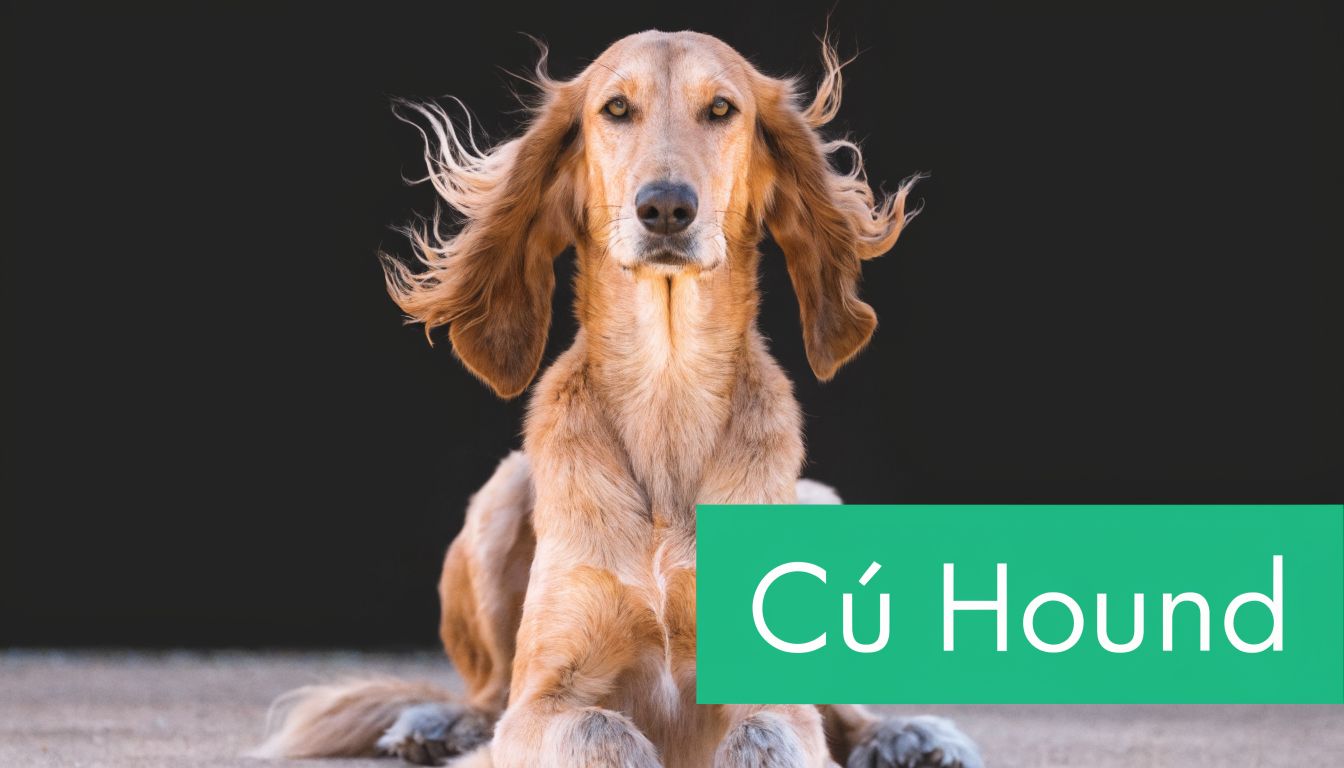
7. Cú Masculine – Hound Dog – Pronunciation /kuː/
Sometimes the best answer is the simplest one. Cú means “hound” or “dog,” which makes it wonderfully direct. If you want Gaelic names for dogs that are authentic, concise, and easy to remember, Cú is hard to beat.
It also carries heroic associations because of Cú Chulainn, whose name includes the same word. So while it’s simple on the surface, it still has myth behind it.
Simple, literal, memorable
One-syllable names are practical. They’re easy to call, easy for children to learn, and easy to repeat often. Cú is especially charming for bilingual households because it turns ordinary dog talk into a little language lesson.
There’s a nice teaching moment here too. Instead of memorizing a decorative name detached from meaning, you’re learning a useful core noun. That’s valuable for beginners because vocabulary that shows up in real life sticks more easily.
A common household example is a family with young children who want to use a bit of Irish naturally. A dog named Cú makes that easier. You can build small phrases around the name and related pet vocabulary without much friction.
Helpful ways to use it:
- Vocabulary bridge: Pair Cú with other animal words as you learn.
- Short recall: “Cú, anseo.”
- Story link: Connect it to Cú Chulainn when you want the cultural layer.
Sniffspot’s 2025 naming database also reflects the wide circulation of Irish-inspired dog naming in major English-speaking markets, as described in Sniffspot’s Irish dog name page. Cú sits comfortably in that tradition while remaining one of the most literal options available.
For complete beginners, this may be the most usable name on the list.
8. Rían Masculine – King – Pronunciation /ˈriːən/
A dog waits by the door, alert but unhurried, with the air of a pet who assumes the house belongs to him. Rían suits that kind of presence. On this list, it carries the meaning “king,” so it feels dignified without sounding stiff.
For beginners, Rían is a useful example of what makes Irish names enjoyable to learn. It looks slightly different from its English-language cousins, but it is not hard to say once you know where the stress goes. That makes it a good first step into Irish pronunciation. You get a strong dog name and a small language lesson at the same time.
Clear sound, strong identity
The heart of the name is the long ee sound: REE-an. If you rush it, the name can blur. If you hold that first vowel for a moment, the shape becomes much clearer. Irish pronunciation often works like that. One sound acts as the anchor, and the rest settles around it.
That is part of Rían’s appeal. It feels current to many English speakers, yet it still points back to Irish naming tradition. For dog owners who want a name that friends can learn quickly, while still opening a conversation about Irish language and culture, Rían does that job well.
It also works nicely as a practice name. Say it on its own first. Then pair it with a short command such as “Rían, suí.” If you use Gaeilgeoir AI, you can listen to pronunciation, repeat it, and compare your stress and vowel length. A name like Rían becomes a mini-pronunciation drill you can use every day.
A few simple ways to practice it:
- Sound focus: Keep the opening ree clean and long.
- Daily use: Try short calls such as “Rían, anseo.”
- Culture link: Group it with Irish words tied to leadership, rank, or family names.
Rían is a fitting final choice because it shows how an Irish dog name can be practical, memorable, and connected to a wider world of language. One name can teach sound, meaning, and cultural context all at once.
8 Gaelic Dog Names: Meaning, Gender & Pronunciation
| Name | Implementation complexity 🔄 | Resource requirements 💡 | Expected outcomes 📊 | Ideal use cases ⚡ | Key advantages ⭐ |
|---|---|---|---|---|---|
| Bran | Low 🔄 | Minimal – basic pronunciation audio | Foundational cultural vocabulary | Beginners, heritage learners | Strong cultural authenticity; easy to learn |
| Setanta | High 🔄🔄🔄 | High – phonetic drills + myth reading | Advanced phonetics & literary immersion | Advanced students, mythology exams | Rich narrative depth; phonetic challenge |
| Fionn | Low 🔄 | Minimal – listening/practice | Confidence-building foundational vocab | Beginners, children | Approachable; modern and traditional mix |
| Lugh | Low 🔄 | Moderate – mythology/contextual study | Cultural depth; festival-related vocabulary | Beginners interested in mythology | Simple form with deep mythological meaning |
| Saoirse | High 🔄🔄 | High – pronunciation practice + cultural context | Advanced phonetic skill and semantic nuance | Intermediate/advanced learners, discussions on values | Powerful meaning; conversation starter |
| Banríon | Moderate 🔄🔄 | Moderate – morphology & pronunciation work | Insight into compound formation and gendered terms | Intermediate learners studying linguistics | Teaches word-formation; feminist vocabulary |
| Cú | Very low 🔄 | Minimal – quick practice | Immediate practical vocabulary for everyday use | Complete beginners, young learners, pet naming | Extremely accessible; directly relevant to dogs |
| Rían | Low–Moderate 🔄🔄 | Moderate – phonetics + historical context | Intermediate vocabulary with historical nuance | Intermediate learners, history-focused study | Dignified, clear vowel sounds for practice |
Start Your Irish Language Journey Today
Choosing a Gaelic name for your dog can be a small decision with surprising depth. You’re not only picking a sound that suits your dog. You’re choosing a word that carries history, the land, mythology, and everyday speech with it. That’s why these names stay with people. They feel personal, but they also connect you to something older and larger.
They’re also useful. A dog’s name is one of the few words you’ll say dozens of times a day without effort. That repetition matters if you’re learning Irish. It gives you a built-in pronunciation habit. It helps you remember vowel sounds and spelling patterns. It creates an emotional connection to the language, which often works better than memorizing random vocabulary lists.
You don’t need to become an expert before choosing well. Start with a name you can say confidently. Learn its meaning. Learn one phrase that goes with it. If your dog is called Bran, Fionn, or Saoirse, you’ve already got the beginning of a tiny Irish-language routine in your home.
That’s part of what makes this approach so effective for beginners. It removes pressure. You’re not “studying” in the abstract. You’re naming, calling, praising, and repeating. Those are real acts of language. They count.
If you want to build on that first word, Gaeilgeoir AI is one relevant option for continuing. It’s designed around guided, real-world Irish practice, with pronunciation support, adaptive quizzes, and scenario-based learning that can help you move from single words into everyday conversation. That makes it a natural next step if your dog’s name has sparked a broader interest in Irish.
Start small. Say the name well. Learn the story behind it. Then add one more word, and one more after that. Before long, your dog’s name stops being the end of the naming process and becomes the beginning of your Irish language journey.
Ready to go beyond the name and start speaking more Irish every day? You can start learning with Gaeilgeoir AI at learn Gaeilgeoir AI.
If you’d like to turn your dog’s name into your first real Irish lesson, try Gaeilgeoir AI. It helps beginners start speaking from day one with pronunciation support, guided conversations, and practical vocabulary you can use.