You've got a birthday card open, a text half written, or maybe a social post ready to go, and you want to add something more personal than plain English. You know there's an Irish phrase for “happy birthday,” but you're hesitating before you send it. Is it spelled right? Will you pronounce it oddly? Are you about to sound like you copied the first thing you found online?
That worry is normal. A short phrase can feel high stakes when it matters to the person receiving it, especially if you're reconnecting with Irish heritage or dusting off school Irish after years away.
A birthday message is a lovely place to start because it's warm, practical, and easy to use straight away. If you're also putting together a present and want ideas that feel thoughtful rather than generic, Govava's gift suggestions for teens are a handy companion resource for the occasion.

This guide won't just hand you the words and leave you there. It'll help you say happy birthday in irish with more confidence, understand why the phrase works, and avoid the beginner mistakes that make people freeze up.
Table of Contents
- A Birthday Wish to Remember
- The Main Irish Birthday Greeting
- How to Pronounce It Confidently
- More Irish Birthday Wishes and Phrases
- Writing Your Birthday Message in Irish
- Practice Speaking with Gaeilgeoir AI
- Frequently Asked Birthday Questions
A Birthday Wish to Remember
A birthday greeting in Irish often starts as a small idea. You want to add one line to a card for your dad, text your friend something a bit more meaningful, or post a message that feels connected to family history instead of copied from everyone else.
Then the doubt creeps in. Many beginners can recognise Irish when they see it, but speaking it aloud feels much harder. That's why birthday phrases are such a good entry point. They're short, affectionate, and useful in real life.
A simple greeting can do two jobs at once. It marks the occasion, and it gives you a natural way back into the language.
Irish also rewards understanding. When you learn how one birthday phrase is built, you're not just memorising a line for one day of the year. You're picking up word meanings, sentence structure, and a feel for how Irish addresses one person differently from a group.
That's where people usually gain confidence. Not from trying to sound perfect, but from knowing what they're saying and why they're saying it that way.
The Main Irish Birthday Greeting
The standard way to say happy birthday in irish is Lá breithe sona duit when you're speaking to one person. If you're addressing more than one person, the form is Lá breithe sona daoibh. That standard usage is explained in Bitesize Irish's breakdown of the birthday phrase.
Singular and plural matter
This is the first place beginners often get caught. English uses “happy birthday to you” whether you're talking to one person or several people. Irish doesn't.
Use these like this:
- For one person. Lá breithe sona duit
- For more than one person. Lá breithe sona daoibh
If you're writing to one friend, stay with duit. If you're speaking to siblings together, a whole family, or a group at a party, use daoibh.
Breaking down the phrase
The phrase becomes much easier when you stop seeing it as one long chunk.
| Irish Word | Meaning |
|---|---|
| Lá | day |
| breithe | birth |
| sona | happy |
| duit / daoibh | to you |
So the greeting is a direct grammatical construction, not a borrowed English-style phrase. That's useful because you can see the pieces working together.
A lot of learners remember it better when they think of it in parts:
- Lá. Start with the noun “day.”
- breithe. Add “birth.”
- sona. Add “happy.”
- duit or daoibh. Finish with “to you,” depending on whether you mean one person or more than one.
Practical rule: If your message is for one birthday person, choose duit. If you're greeting several people together, choose daoibh.
That one distinction gives you more than a birthday greeting. It gives you your first glimpse of how Irish grammar works in everyday speech.
How to Pronounce It Confidently
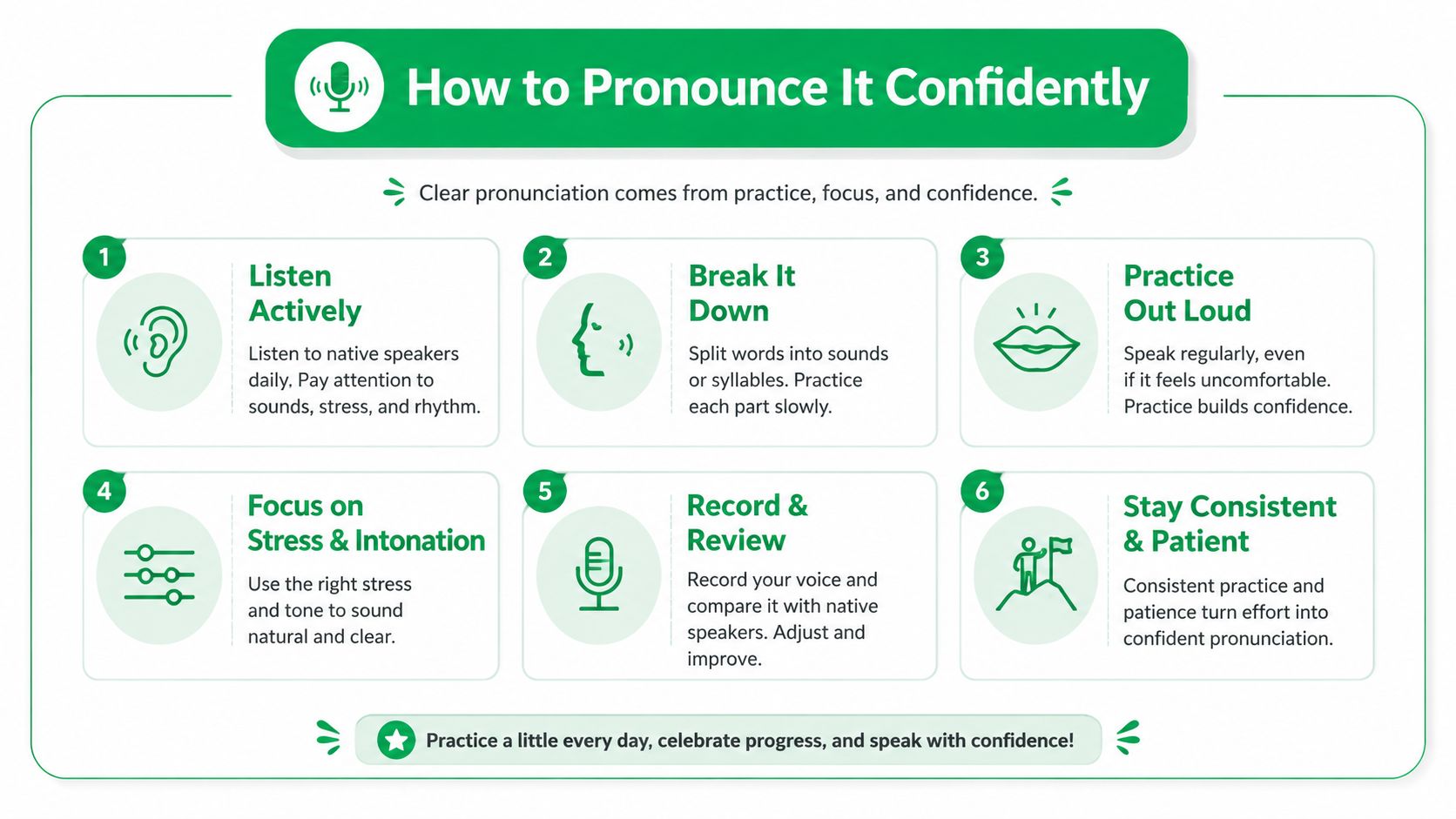
You are at a birthday table, the candles are lit, and someone turns to you for the Irish version. That is the moment pronunciation matters. Not because you need to sound perfect, but because a calm, clear version will carry the meaning and your goodwill with it.
For the singular form, many beginner guides give a rough English-style prompt such as “Law breh-ha sun-ah ditch.” Use that as a starting point only. It helps you get the rhythm into your mouth, but it is not a letter-for-letter map, and Irish sounds do not always line up neatly with English spelling habits.
Start with the rhythm, then refine the sounds
A good first goal is rhythm. Irish often becomes easier once you stop treating the whole sentence like one long word.
Say it in three parts:
- Lá breithe
- sona
- duit
That works like learning a tune by phrase instead of trying to sing the whole song at once. Once the rhythm feels steady, the pronunciation gets much less intimidating.
Here is a simple way to practise:
- Say Lá by itself and keep it open and clear.
- Add breithe slowly. This is the part many beginners rush.
- Say sona duit as one unit.
- Join the two chunks and keep an even pace.
If you want more help matching Irish spelling to sound, this Irish pronunciation guide for beginners gives a wider explanation of the patterns behind words like these.
The spots that usually trip beginners up
Breithe is often the hardest part. English speakers tend to over-pronounce every letter they see, but Irish does not reward that approach. It is better to aim for a smooth approximation than to force each consonant.
Duit can also feel surprising. On the page, beginners often expect a hard, obvious ending. In speech, the sound is softer and quicker than many learners expect.
That is why confidence grows faster when you practise the phrase as spoken music, not as spelling recitation.
Why you may hear different versions
Irish has real regional variation, so you may hear small differences from one speaker to another. The Irish Language Forum discusses this in a thread on Irish birthday pronunciation, including forms learners notice such as sounds closer to “dhuit” in some speech and “shona dhuit” in others.
That can unsettle beginners at first. It should reassure you instead.
The standard written phrase still gives you a strong, polite greeting. If your version is careful and clear, people will understand you. A slower, steady Lá breithe sona duit sounds far better than a fast version said with panic.
Aim for warmth, clarity, and a little practice. That is what makes it sound confident.
More Irish Birthday Wishes and Phrases
Once you've got the main greeting, you can make your message feel warmer with a few extra Irish expressions. You don't need a long, poetic paragraph. Even adding one short phrase can change the tone from “I found a translation” to “I meant this.”
Phrases that add warmth
Here are a few expressions people often like alongside a birthday greeting:
Go mbeire muid beo ar an am seo arís
A traditional sentiment meaning “May we be alive at this time next year.”Comhghairdeas
“Congratulations.” Useful when the birthday message also marks a milestone.Sláinte
“Health” or “cheers.” Good for a toast, a dinner, or a celebratory card.
If you want to build a wider bank of everyday expressions around birthdays, cards, and social messages, this collection of Irish greetings and phrases gives you more options without overwhelming you.
How people actually use them
A natural birthday card doesn't need to sound formal. It can be simple and affectionate.
For example:
Lá breithe sona duit. Sláinte agus sonas duit.
Or, for a toast at a table:
Lá breithe sona duit, agus go mbeire muid beo ar an am seo arís.
That second line has a lovely old-fashioned warmth to it. You don't have to use it every time, but it's memorable when you want the message to feel a little more rooted in tradition.
The key is restraint. One main birthday greeting plus one extra phrase usually sounds better than stuffing a message with expressions you don't fully understand.
Writing Your Birthday Message in Irish
You have the greeting in your head. Now you need to put it on a card, in a text, or under a photo without second-guessing every word. That part often feels harder than learning the phrase itself, but it gets much simpler once you make one choice first.
Are you writing to one person or more than one?
That single decision controls the form you use. Duit means “to you” for one person. Daoibh means “to you” for more than one. English hides that difference, so beginners often miss it. Irish does not. It works a bit like choosing between “you” and “you all,” except Irish builds that distinction right into the word.
Short templates you can copy
Use these as clear, natural starting points.
For a birthday card to one person
- A chara [Name],
Lá breithe sona duit.
Le grá,
[Your Name]
For a text message
- Lá breithe sona duit, [Name]!
For a social media caption
- Lá breithe sona duit, [Name]. Sláinte agus sonas duit.
For a group message to more than one person
- Lá breithe sona daoibh!
If you are unsure which version fits, read the message as if you were handing it directly to the person. One friend. Use duit. Several people. Use daoibh. That quick check prevents a lot of beginner mistakes.
Typing Irish accents correctly
The fada matters. You can see it in words like Lá and grá, and it is not decoration. It changes the written form of the word, so a birthday message looks much more confident when you include it properly.
If typing the fada slows you down, this guide to keyboard shortcuts for Irish accents can help.
One last tip. Keep the message short enough that you can understand every word you write. A simple Irish birthday message feels warmer than a longer one copied without confidence.
Practice Speaking with Gaeilgeoir AI
Reading a phrase in one's head and saying it to a real person are two different skills. Most learners know more Irish than they can comfortably speak because they haven't rehearsed the moment itself.
Why practice changes everything
A birthday greeting is short, but it carries pressure. You want to get the pronunciation close enough that you don't freeze, laugh nervously, or switch back to English halfway through.
That kind of confidence usually comes from repetition in context:
- Say it aloud when you're alone first.
- Record yourself and listen back.
- Use it in a full sentence rather than as an isolated phrase.
- Repeat it on different days so it feels familiar, not rehearsed.
A low-pressure way to rehearse
One option for that kind of practice is Gaeilgeoir AI. The platform is built around guided Irish conversations, pronunciation support, adaptive quizzes, and scenario-based speaking practice for everyday situations. That makes it a practical place to rehearse a birthday greeting before you use it with a friend, family member, or classmate.
If you prefer a self-study route, you can also practise by reading your card message out loud three or four times before writing it neatly. The method matters less than the repetition.
Confidence in spoken Irish usually starts this way. Not with a perfect performance, but with one phrase you've said enough times that it finally feels like yours.
Frequently Asked Birthday Questions
Is there an Irish happy birthday song
Yes. In everyday use, people usually sing the familiar English birthday tune and swap in the Irish words. That helps because you only have one new thing to manage at a time: the phrase itself, not a brand-new melody.
The version you will hear most often is:
- Lá breithe sona duit
- Lá breithe sona duit
- Lá breithe sona duit, a [Name]
- Lá breithe sona duit
If you add a name, pause very slightly before a [Name]. That little pause makes the line easier to say and easier to hear. For a beginner, that matters more than trying to sound fancy.
How do you say happy belated birthday in Irish
A simple way to say it is:
Lá breithe sona duit, cé go bhfuil sé déanach
This gives the sense of “happy birthday, though it is late.” If that feels long to say, write the Irish greeting first, then add one warm sentence in English. That still reads as thoughtful, especially if your goal is to use Irish with care rather than guess at wording you cannot pronounce confidently.
For example:
Lá breithe sona duit, cé go bhfuil sé déanach. Hope you had a lovely day.
That kind of mixed message is common among learners because it keeps the Irish accurate and the tone natural.
Is there a more formal version
For cards, texts, school settings, and messages to older relatives, the standard greeting is usually enough. Irish does not require a special “formal happy birthday” phrase in the way beginners sometimes expect.
The tone comes from the extra words around it. A respectful opening, neat spelling, and a short sincere line will do more than searching for a rare formal alternative. If you are unsure, simple is the safer choice.
Should I worry about dialect if I'm a beginner
No. Clear Irish in one form is better than hesitant Irish copied from three different dialects at once.
Pronunciation does vary across Connacht, Munster, and Ulster. You may hear small differences in rhythm or vowel quality. For a birthday greeting, though, the primary beginner trap is not dialect. It is losing confidence because you think there is only one perfect regional version. If your words are clear and your duit or daoibh matches the person you are addressing, you are doing the important part well.
What's the biggest mistake to avoid
The most common mistake is using the wrong ending for the listener, then rushing the whole phrase.
Use duit for one person. Use daoibh for two or more people. If you are saying it aloud, slow down on the last word, because that is where learners often blur the sound. A good rhythm is to treat the phrase like four small steps: Lá / breithe / sona / duit. Once each step is clear, the full greeting feels much easier to say with confidence.
If you want to move from recognising Irish phrases to saying them out loud, Gaeilgeoir AI gives you a practical way to practise through guided conversations, pronunciation support, and real-life speaking scenarios.