
You're choosing between an app, a podcast, flashcards, a news site, and maybe a speaking tool, and the actual problem isn't which one looks best. The core issue is that language learning resources solve different jobs, and if you ask one tool to do everything, your routine gets messy fast. The stronger approach is to build a system, one piece for structure, one for review, one for listening, one for pronunciation, and one for speaking practice. That matters even more for Irish learners and Leaving Cert students, because you need resources that support daily progress, spoken confidence, and exam-ready responses. For a simple way to turn scattered notes into something usable, transform messy notes into knowledge.
Table of Contents
- 1. Duolingo
- 2. Babbel
- 3. Rosetta Stone
- 4. BBC Learning English and BBC Naidheachdan
- 5. Memrise
- 6. Anki
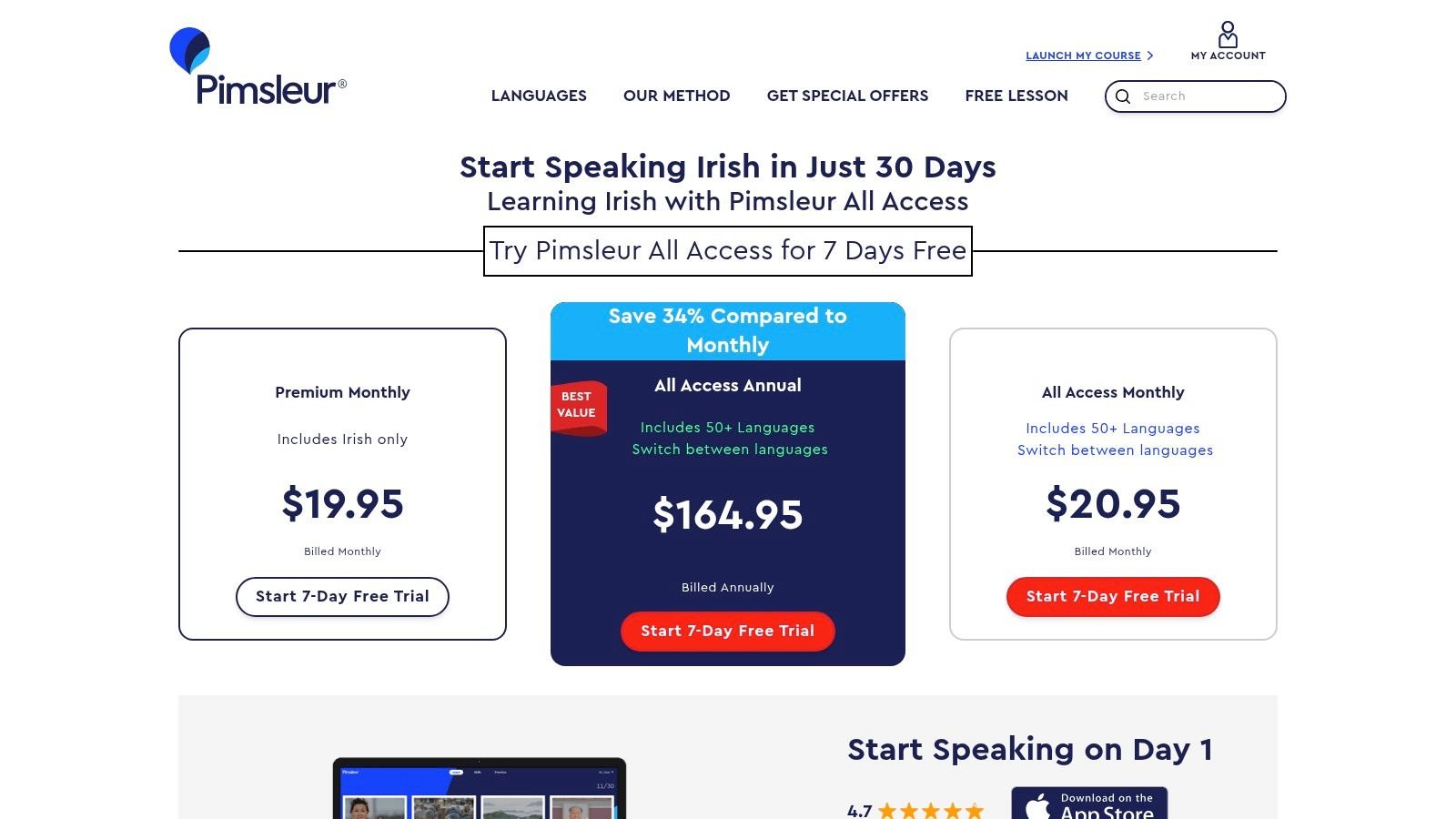
- 7. Pimsleur Language Program
- 8. Forvo
- 9. TED Talks
- 10. Gaeilgeoir AI
- Top 10 Language Resources Comparison
- Turn Your Shortlist Into a Weekly Routine
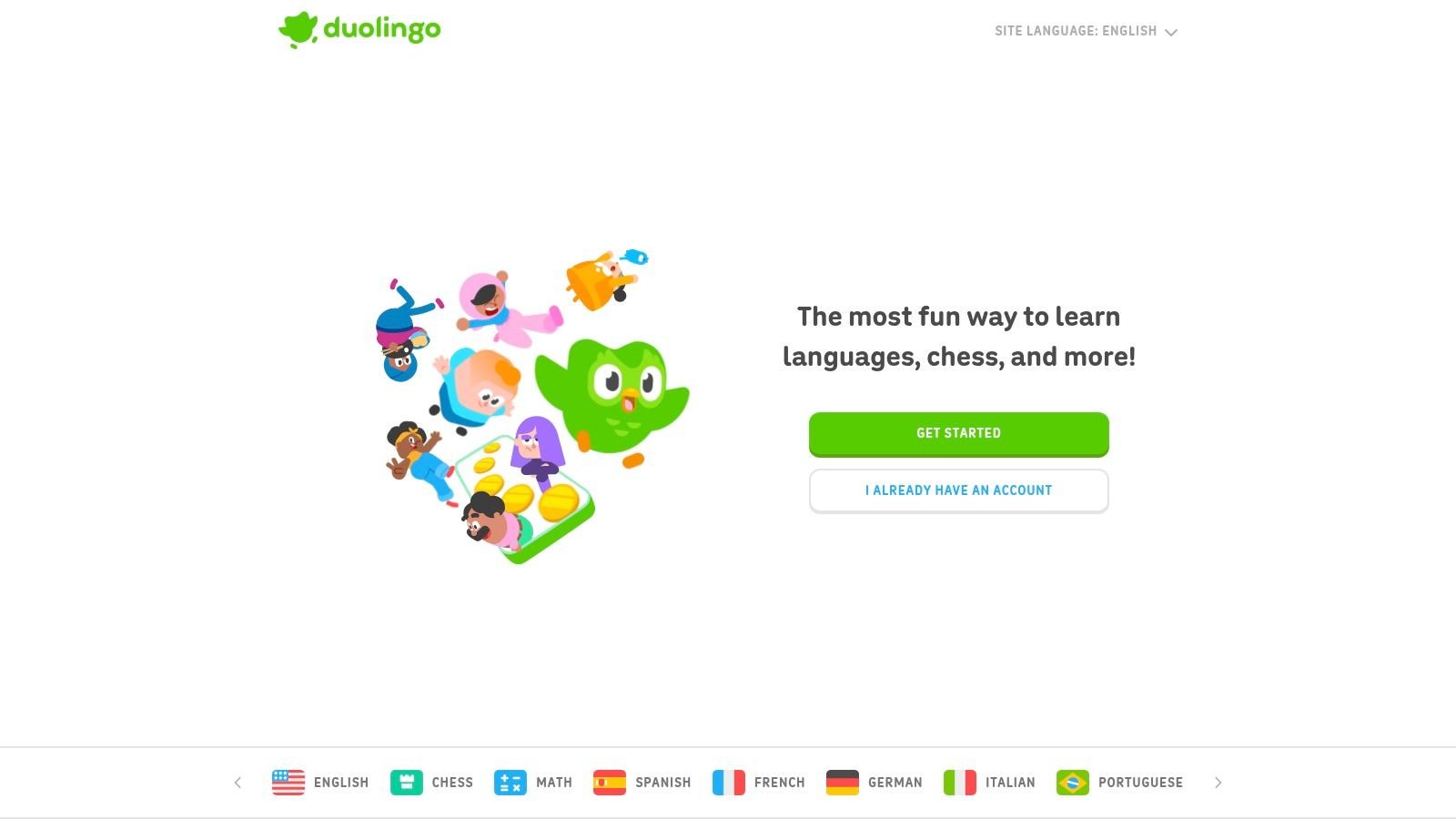
1. Duolingo
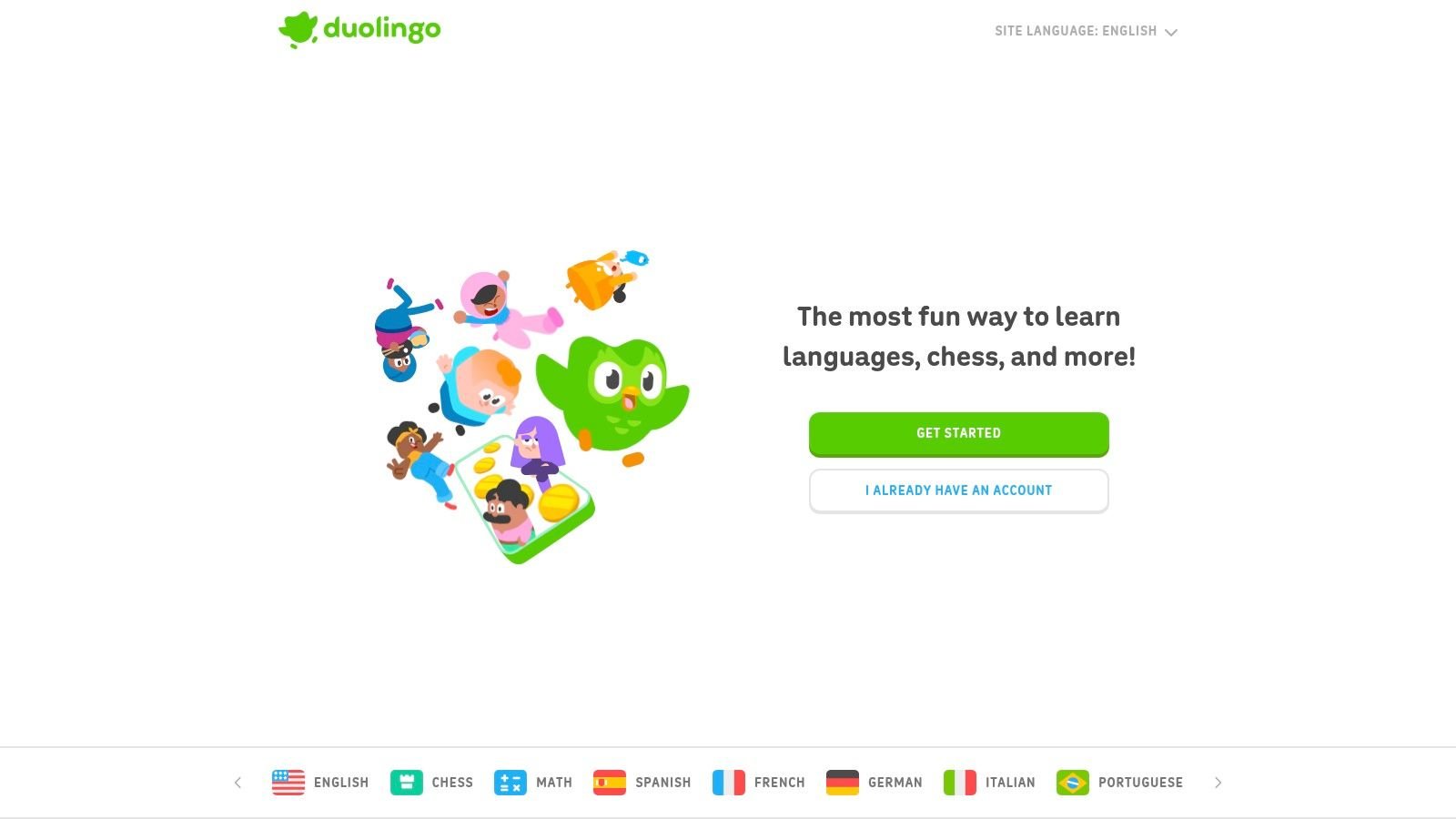
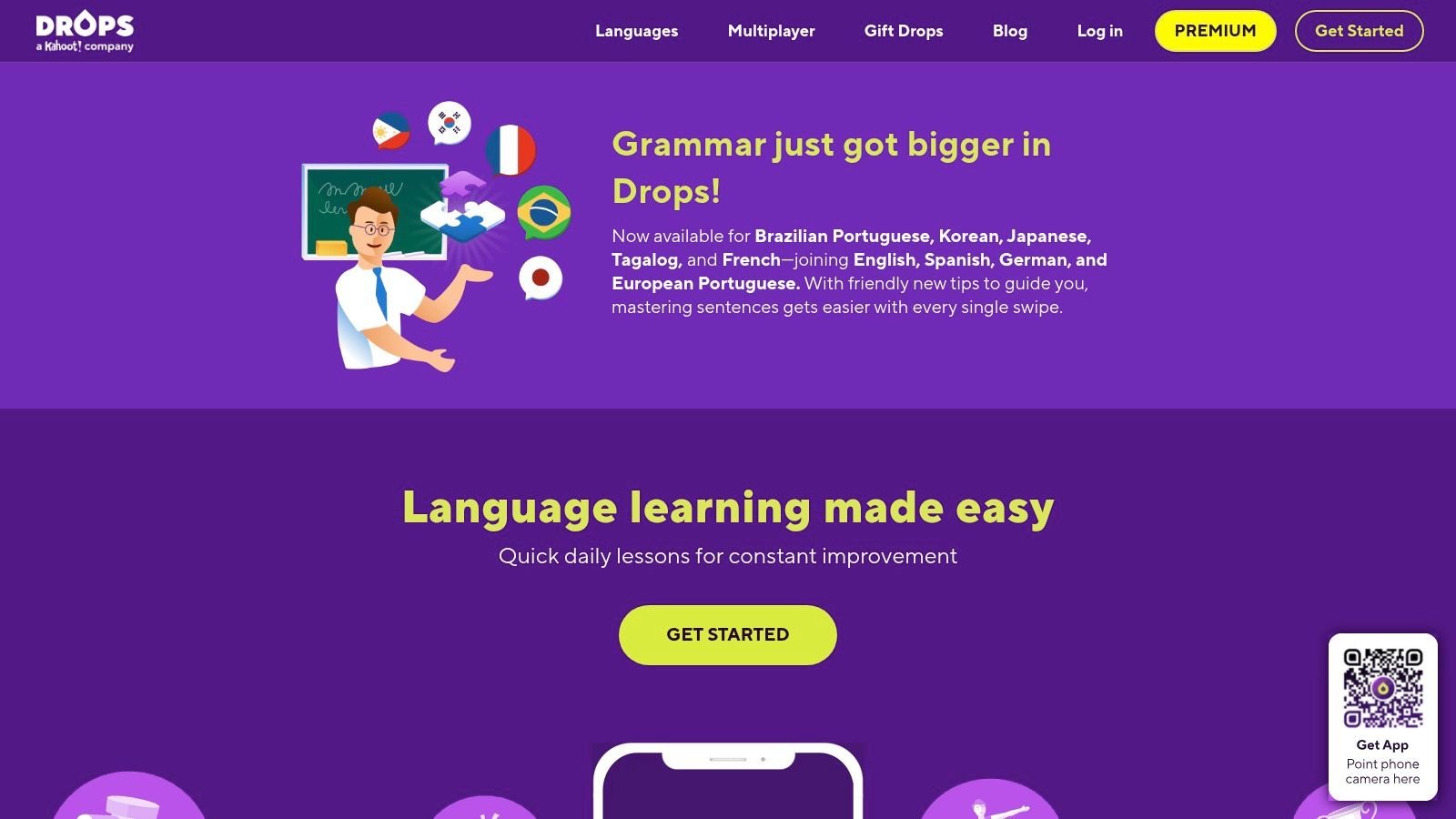
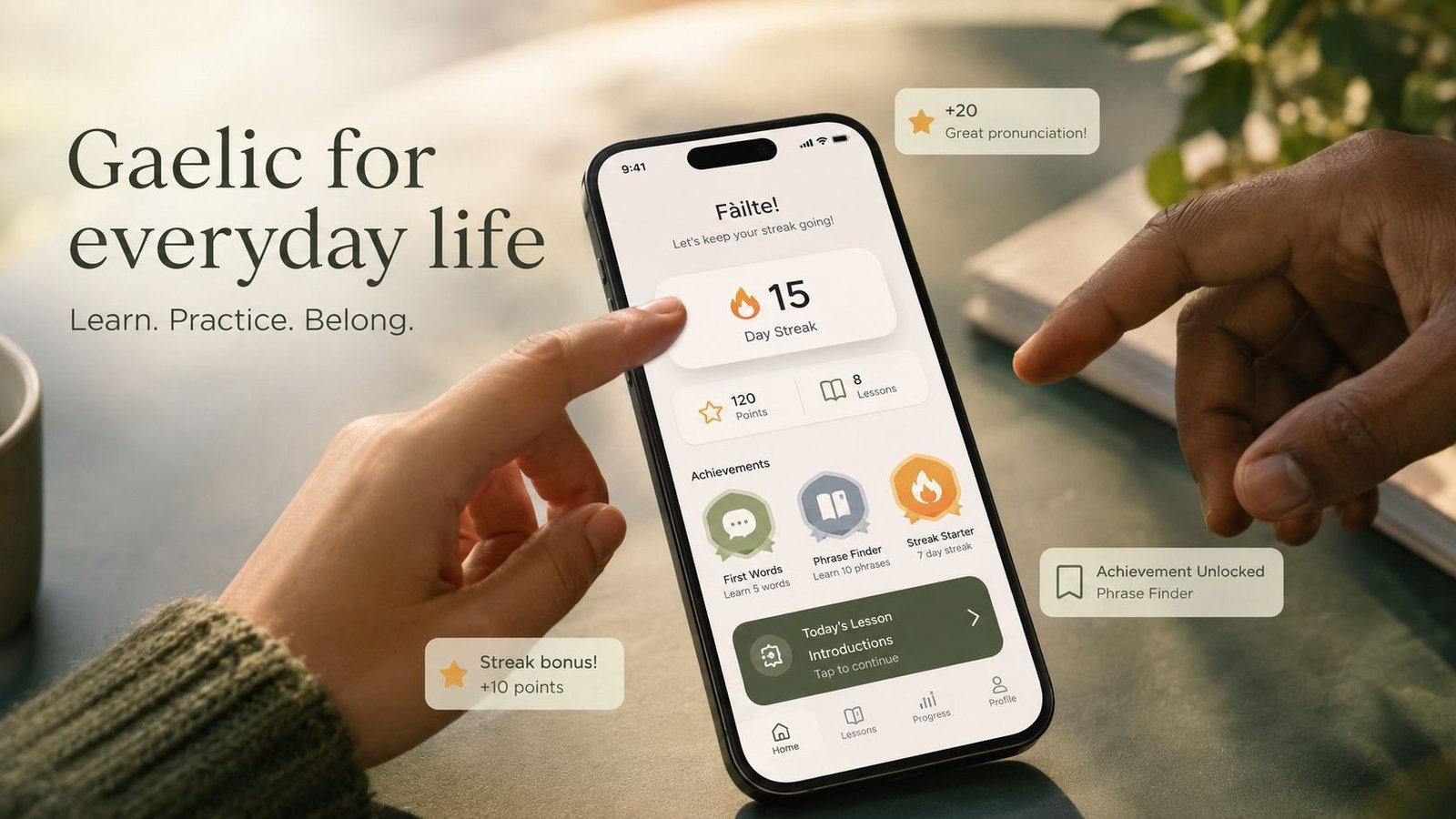
Duolingo works best as the daily habit builder. It gives learners short lessons, streaks, points, and a low-friction way to keep Irish in front of them every day, which is why so many people start there before they know exactly what kind of learner they are. The category is large enough to matter, too, since the language-learning market has been estimated at USD 68.87 billion in 2024 and USD 83.65 billion in 2025, with forecasts reaching USD 188.70 billion by 2030 at a CAGR above 17.67% (Mordor Intelligence).
Best use in a study system
Use Duolingo for consistency, not completeness. A 2025 app-market snapshot shows language learning apps were downloaded 327 million times and generated USD 1.54 billion in revenue, up 18.8% year over year, which shows how normal mobile practice has become for learners (Statista topic page). That scale makes sense for a tool people can open while waiting for a bus or during a lunch break.
For Irish learners, Duolingo is most useful when you want a daily touchpoint with the language. It's especially helpful if you're returning to Irish after years away and need a gentle re-entry. The limitation is obvious, though. Short app lessons can build recognition, but they don't automatically create speaking confidence or detailed grammar understanding.
Practical rule: Keep the streak, but don't confuse streaks with mastery. If you're using Duolingo, pair it with a grammar reference or speaking tool so the words stop feeling familiar only inside the app.
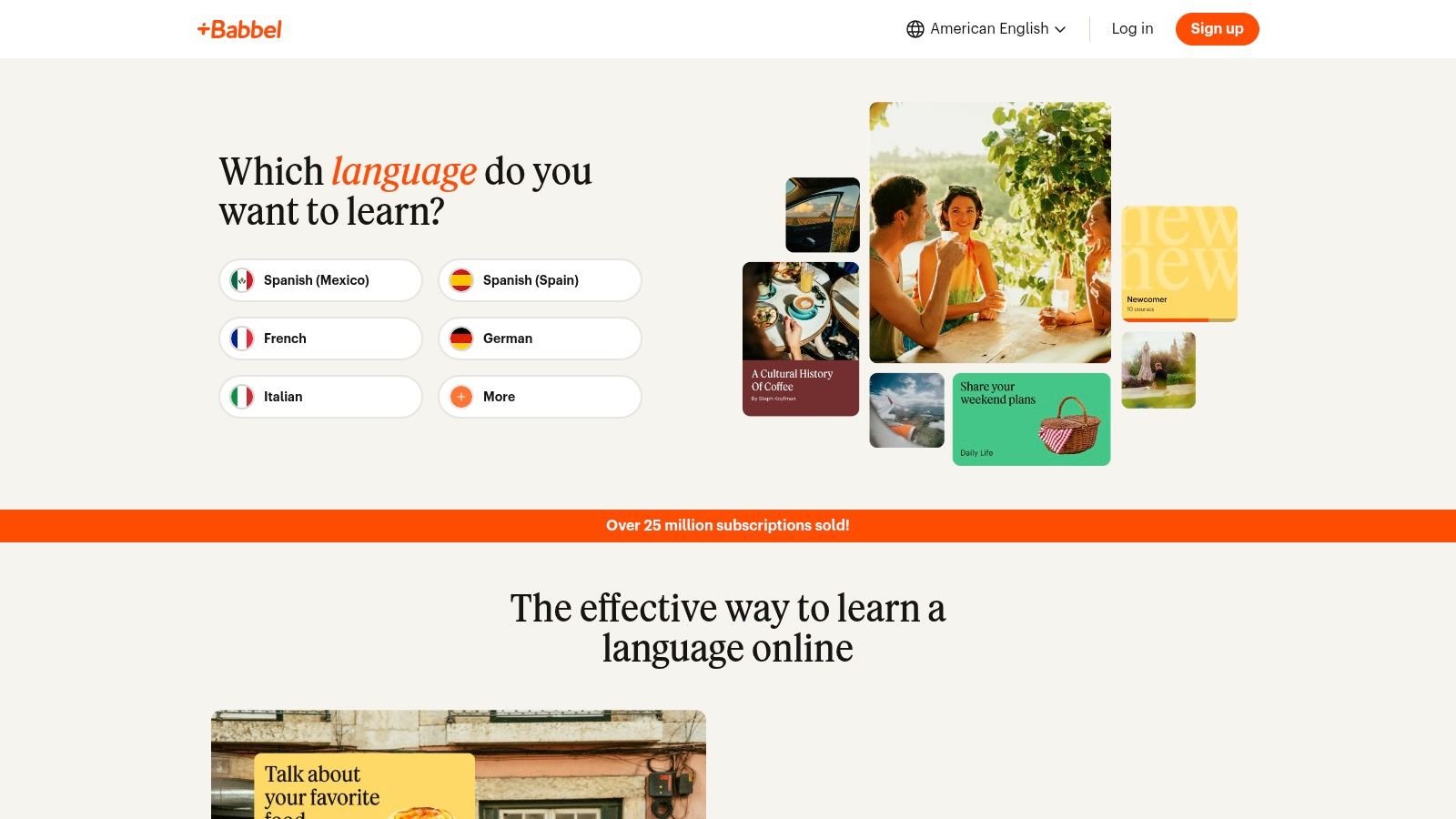
2. Babbel
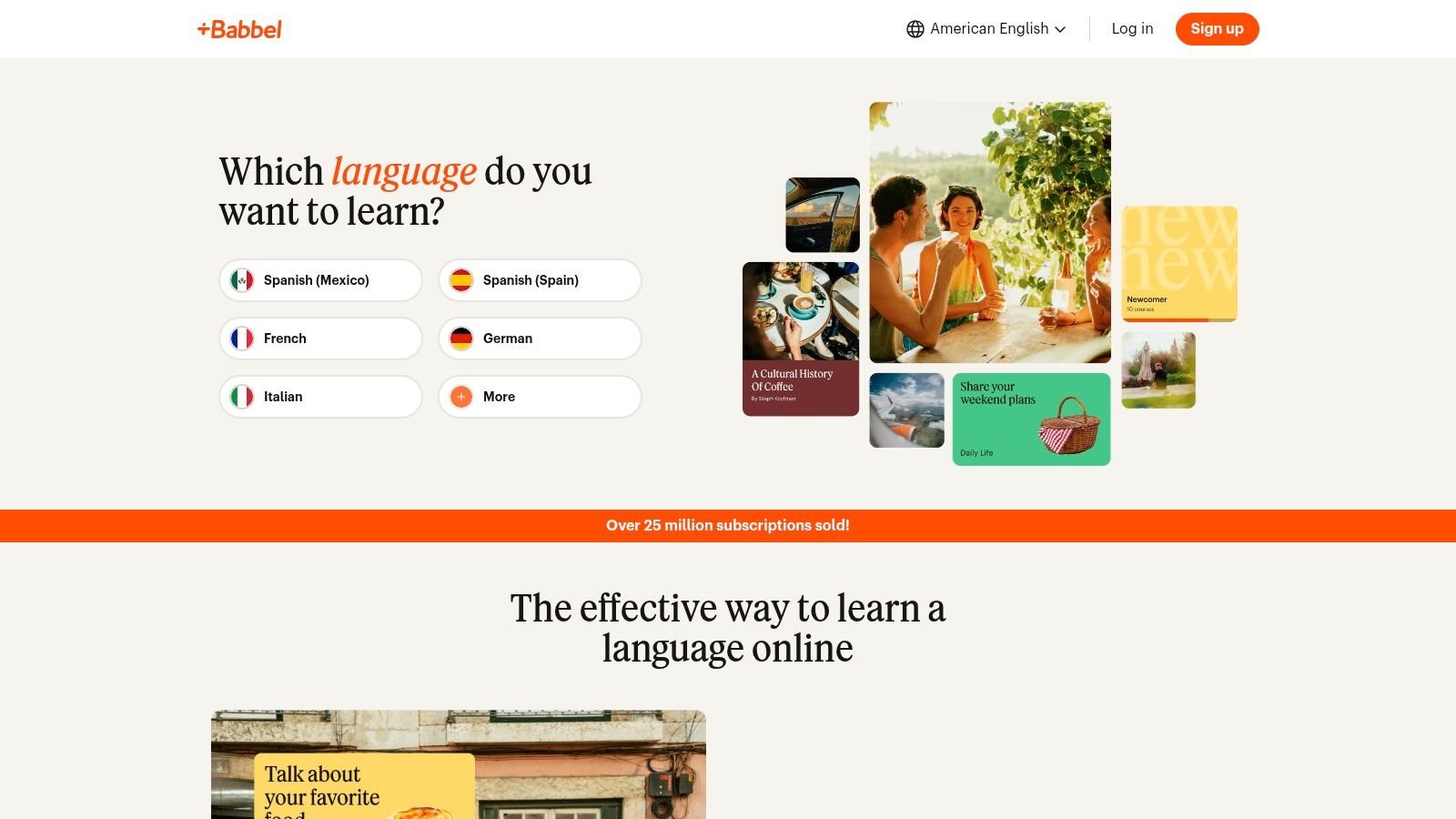
Babbel fits learners who want a clearer path. It's more like a structured course than a game, with lessons arranged around practical themes and conversation habits, so it suits adults who'd rather know exactly what comes next than wander through random exercises. That matters for busy learners because a predictable sequence reduces decision fatigue.
Babbel's strength is that it pushes you through content in order. That helps if you've tried app-based learning before and felt like you were collecting phrases without understanding how they fit together. It also makes it easier to build a weekly routine, since you can treat lessons like chapters instead of one-off tasks.
Where it helps, and where it doesn't
Babbel is strongest when you need foundational structure and a sensible progression from easier material to more complex material. It's a good fit for adults learning after work, corporate learners who need practical conversation, and anyone who likes tidy units more than open-ended exploration.
The trade-off is that structured courses can still feel passive if you only tap through them. Speak the prompts aloud, repeat the model answers, and revisit older units instead of racing ahead. If you're studying Irish, the same principle applies across every resource, you need a course that organizes the language, plus separate time for recall and spoken practice.
A good course gives shape to your study. It doesn't replace repetition, and it doesn't replace real listening.
3. Rosetta Stone
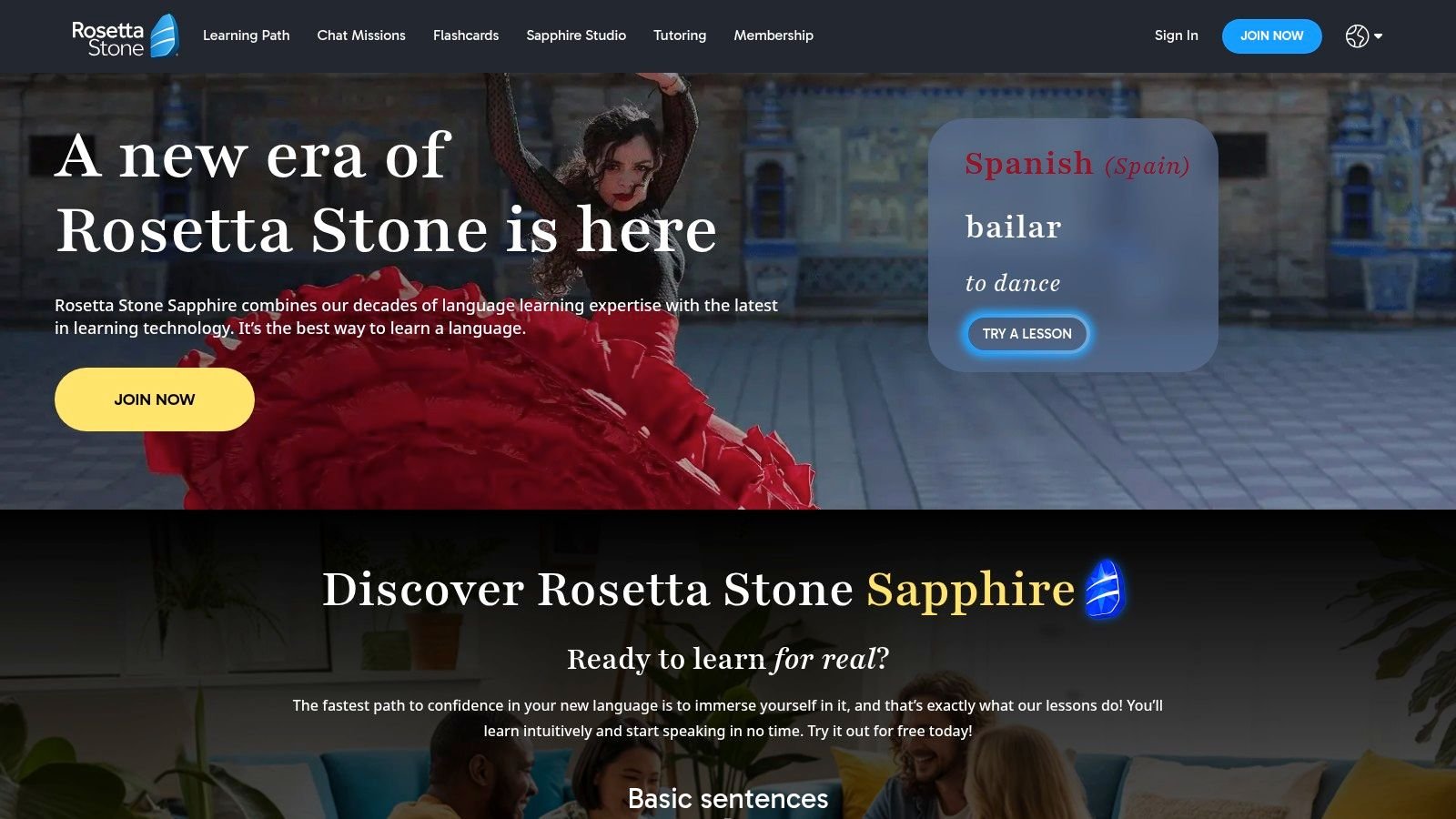
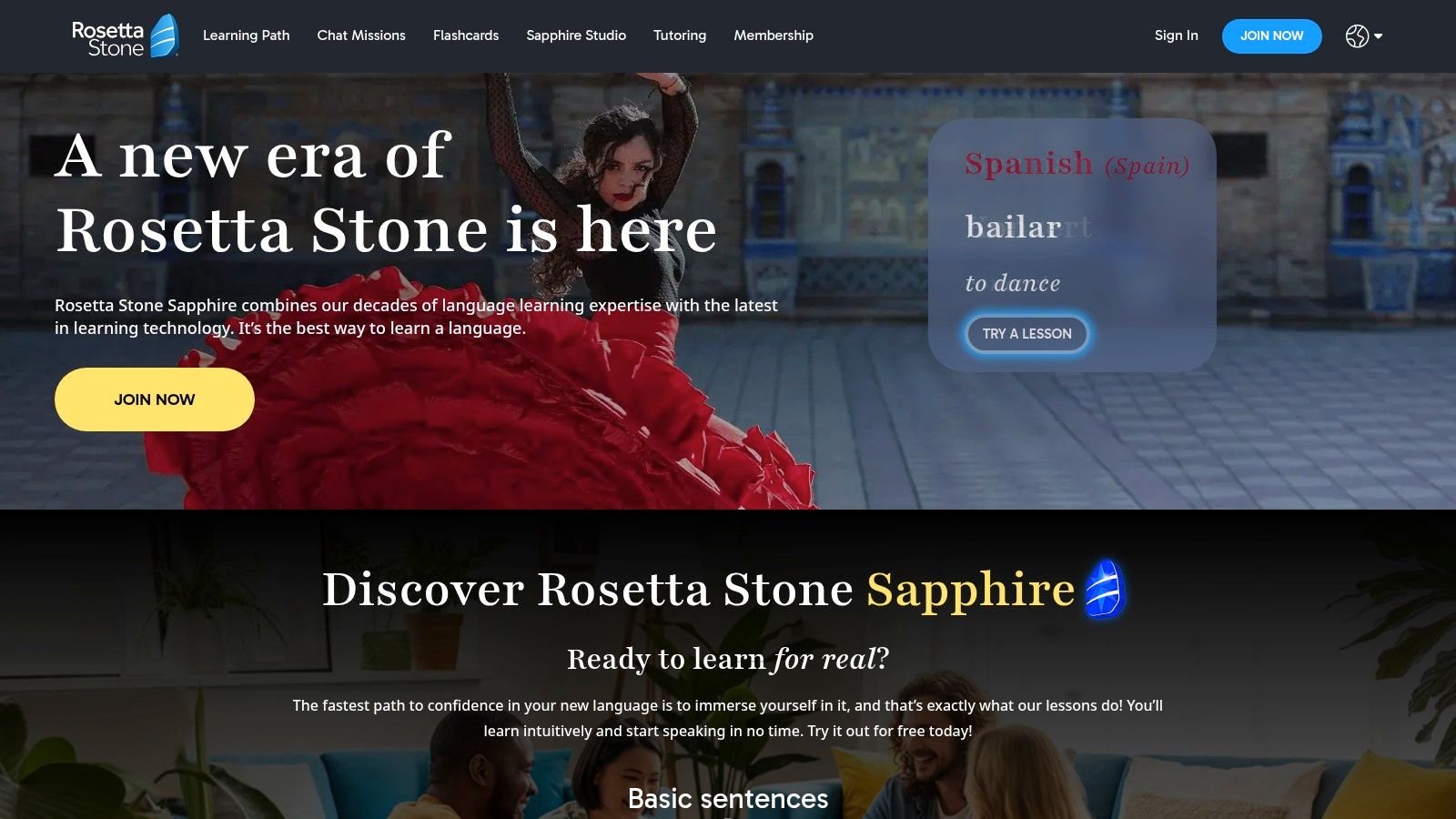
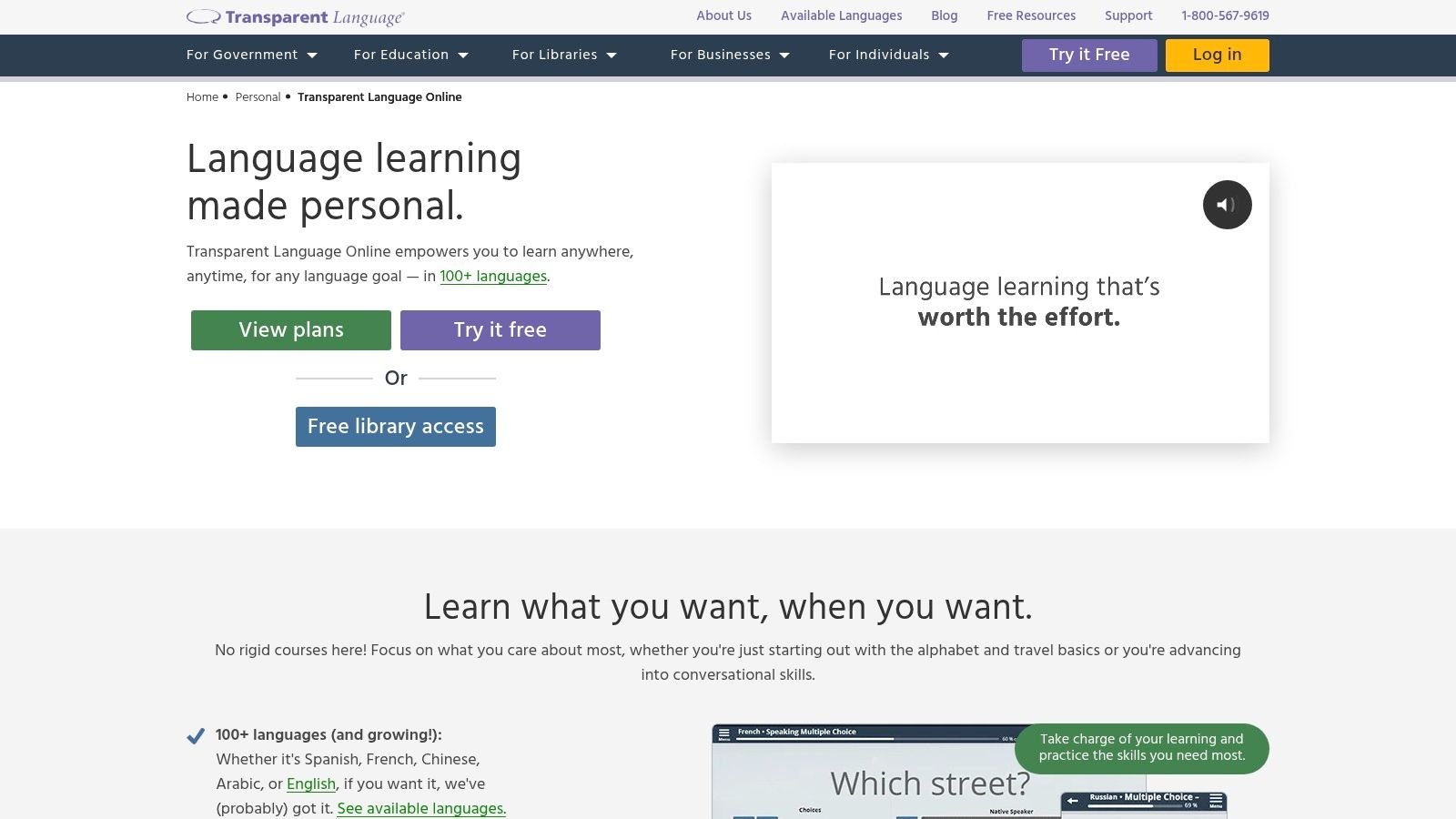
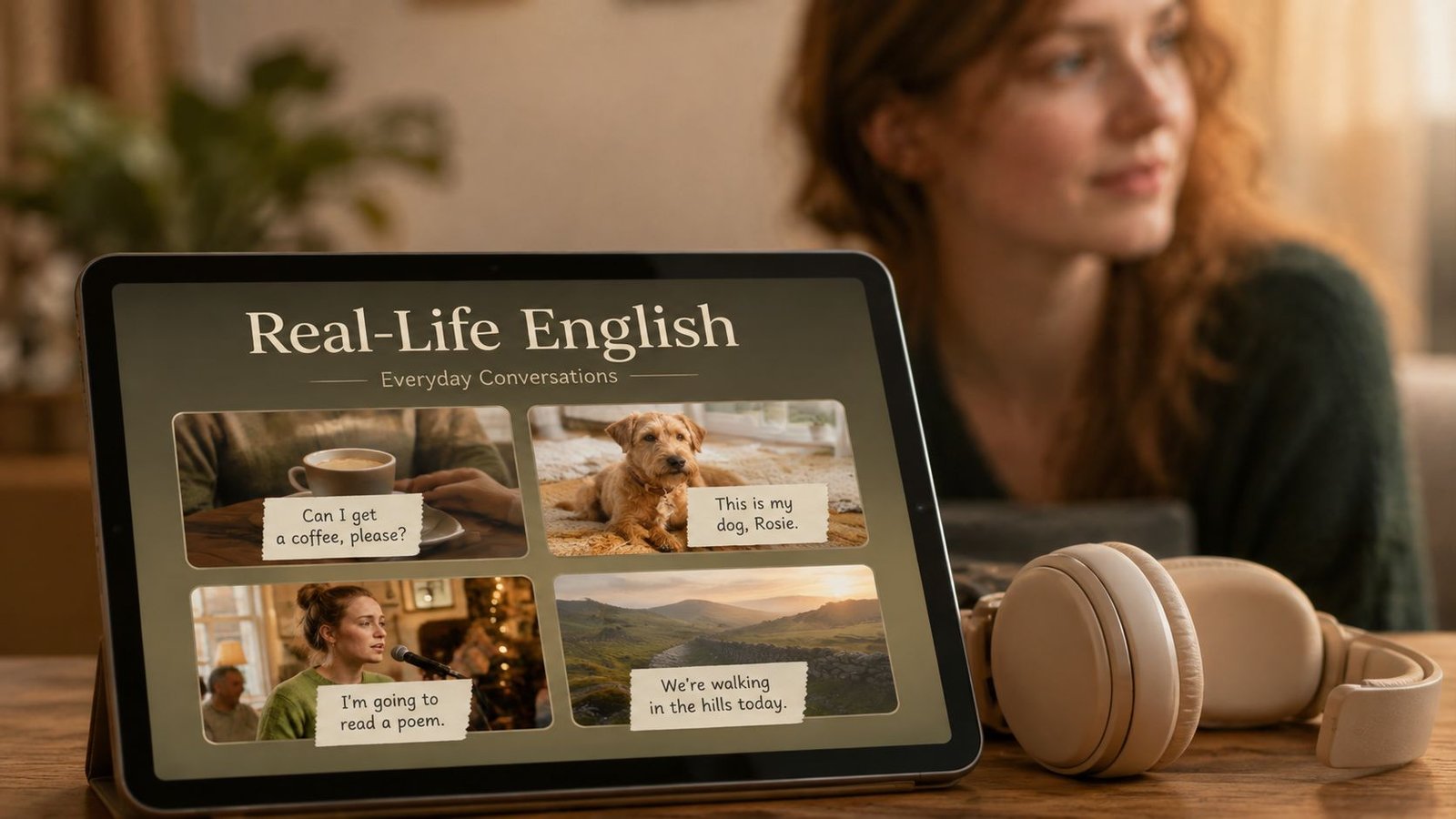
Rosetta Stone is built for immersion. Instead of leaning on translation as the main bridge, it uses images, text, and sound together, which can help learners start associating meaning directly with the target language. That style suits people who like pattern recognition and repeated exposure more than explicit explanation.
Why immersion appeals to some learners
Immersive tools work well when your goal is to stop translating every word in your head. That can be useful for learners who feel stuck in a cycle of reading and memorizing without hearing enough language in context. Rosetta Stone's format encourages repeated exposure, and that matters because many learners improve when they see and hear the same structures often enough to notice patterns.
The limitation is that immersion alone can feel slow if you want quick clarification. If a phrase doesn't click, you may need a grammar guide, a note-taking system, or a second resource that explains the pattern directly. That's especially true for Irish learners who need to move from recognition to production, not just passive familiarity.
How to use it well
- Stay consistent: Short, repeated sessions work better than occasional long ones.
- Don't skip ahead: Easy-looking lessons often hide the repetition that makes the method work.
- Use speech recognition: Speaking aloud turns passive recognition into active recall.
- Add a human layer: If you can, compare app practice with real conversation or tutoring.
Rosetta Stone is a good match for learners who want a slow-burn, immersion-heavy routine. It's less useful if you want fast, explicit answers to grammar questions.
4. BBC Learning English and BBC Naidheachdan
BBC Learning English is a strong resource for general language support, while BBC Naidheachdan gives Irish learners authentic exposure to news in Irish. The combination is useful because one side explains language clearly and the other side shows how Irish sounds in real reporting, public life, and current events. That mix is ideal for learners who want more than textbook examples.
The online language-learning market is projected at USD 24.39 billion in 2026, and mobile applications account for 62.05% of revenue in that segment, which tells you how central short-form, on-the-go language study has become (Mordor Intelligence via PR Newswire). BBC resources fit that mobile-first pattern well, because you can read, listen, and revisit material in small sessions.
Best use for Irish learners
BBC Learning English is a good starting point if you need foundational explanations, pronunciation support, or clear video lessons. BBC Naidheachdan is better once you're ready for real Irish in a public-facing setting. Use the English-language material to warm up, then move into Irish news to build tolerance for speed, vocabulary, and context.
That progression matters because authentic media can be challenging if you jump in too early. A learner who starts with difficult news audio and no support often ends up frustrated. A learner who moves gradually, first with explanations and transcripts, then with native content, usually keeps more of what they hear.
Practical study pattern
- Start small: One article or one short clip is enough.
- Read before listening: That makes the audio easier to follow.
- Replay pronunciation sections: Repetition helps you hear rhythm and stress.
- Use a course alongside it: News content works best as input, not as the only study source.
BBC resources are especially useful for learners who want current vocabulary and cultural context without paying for another structured course.
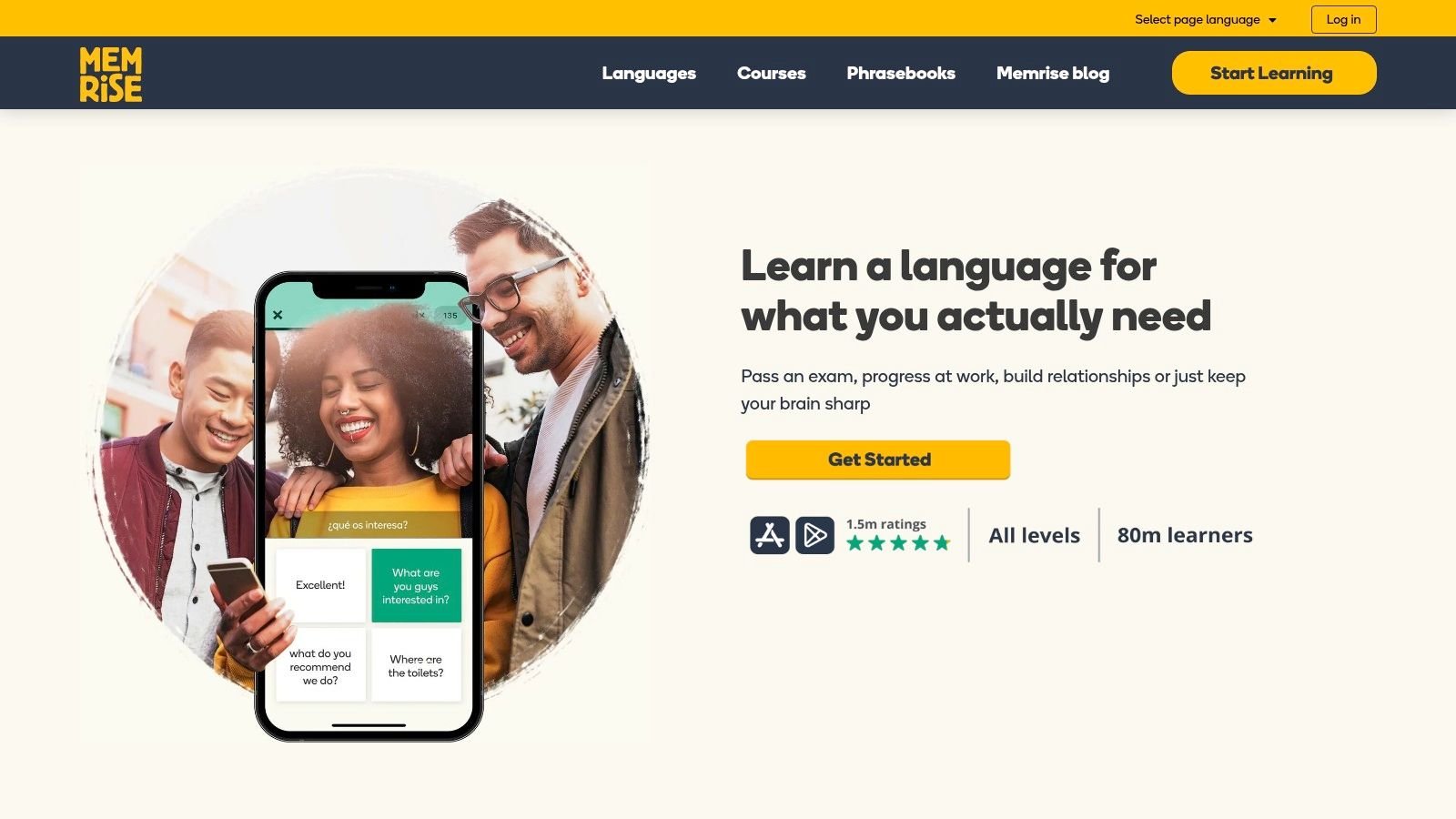
5. Memrise
Memrise is the vocabulary keeper. It uses spaced repetition, short review cycles, and gamified practice to help words stick over time, which makes it a strong companion to any course that introduces lots of new material. If Duolingo helps you show up, Memrise helps you remember what showed up.
Why vocabulary review matters
In real study sessions, learners often recognize a word one day and forget it the next. Spaced repetition fixes that by showing items again just before they disappear from memory. That's why Memrise works so well for word lists, exam vocabulary, and thematic sets like family, school, hobbies, or travel.
It's especially useful for Irish learners who keep running into the same high-frequency words in different contexts. Instead of re-reading the same list, you can let the review system decide what needs attention. That creates a more efficient routine than random revision.
Strengths and limits
Memrise is strong on retention, speed, and motivation. It's weaker on explanation, so it shouldn't be your only resource if you're trying to understand grammar or sentence structure. Use it for vocabulary you want to retrieve quickly, then back it up with a course or tutor that shows how the words function in real sentences.
A useful setup looks like this.
- Course first: Learn the new material in context.
- Memrise second: Move the key words into review.
- Speaking third: Use the words in a sentence out loud.
- Reading later: Meet the same vocabulary in a different format.
That order keeps vocabulary from staying trapped in flashcards. It becomes usable language instead.
6. Anki
Anki is for learners who want total control. It's a free, open-source flashcard tool built around spaced repetition, and it's the platform people choose when they want to design their own decks instead of relying on a preset course. For Irish, that can be a serious advantage, because specialized vocabulary often needs custom cards.
If you want a simple explanation of the method behind it, how to use spaced repetition is a good place to connect the tool to the study habit.
Best for custom study
Anki shines when your needs are narrow and specific. That includes irregular verbs, school topics, exam phrases, dialect notes, and vocabulary you keep missing in conversation. Because you build the deck yourself, you can decide whether a card tests one word, a full phrase, an image, or audio plus text.
That flexibility is useful, but it also means Anki can become chaotic if you overload each card. One concept per card usually works better than cramming multiple facts into the same prompt. For Irish vocabulary, a clean deck with short, focused cards tends to be easier to review than a giant deck full of mixed content.
How to make it work
- Start with a good deck: Community-made Irish decks can reduce setup time.
- Keep cards simple: One idea per card makes recall faster.
- Add audio or images: Multi-sensory cards stick better than text alone.
- Follow the schedule: The algorithm works only if you review.
Anki is the best option for learners who like precision, personal control, and long-term retention. It's less glamorous than a polished app, but it gives you the most freedom.
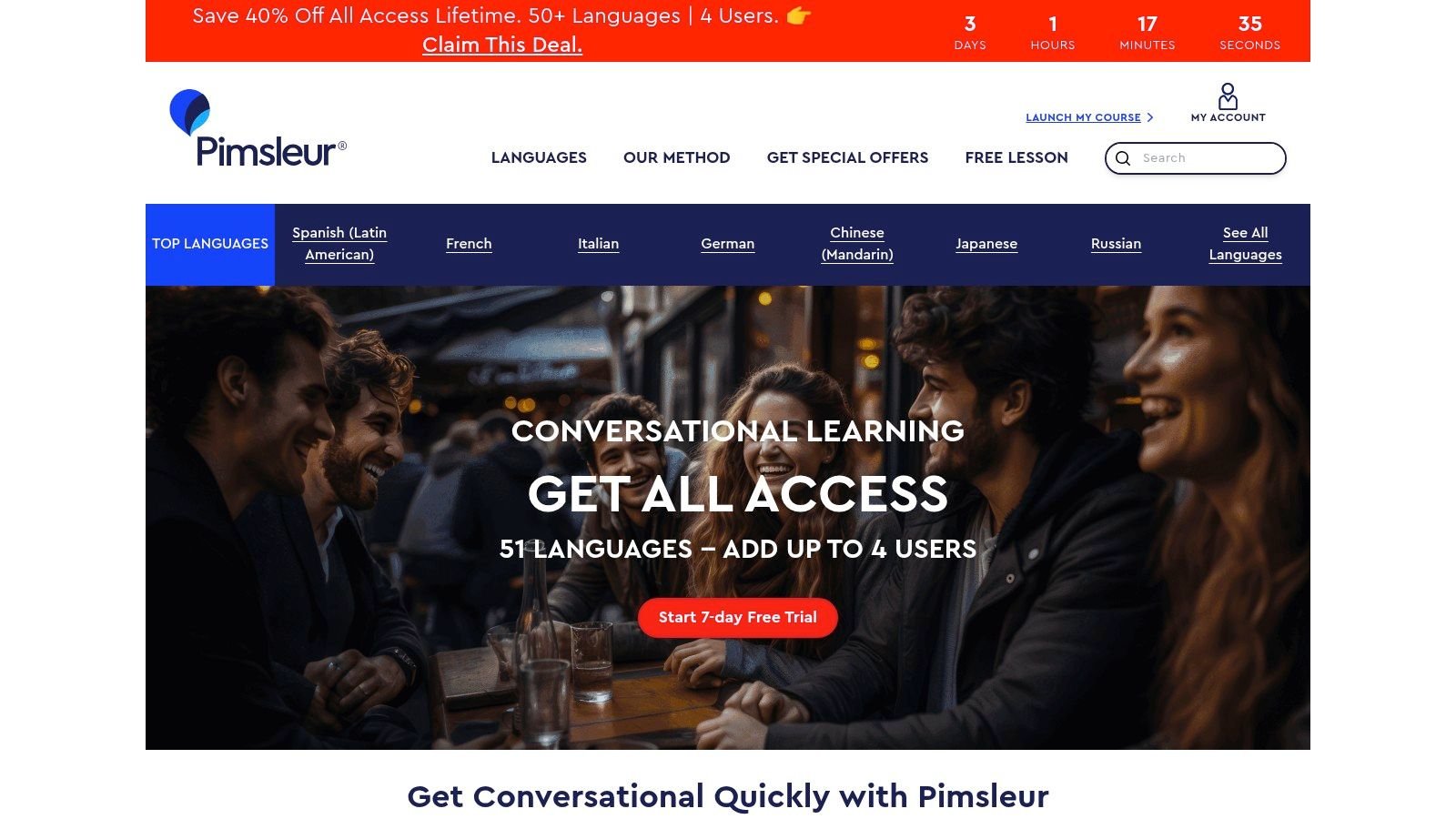
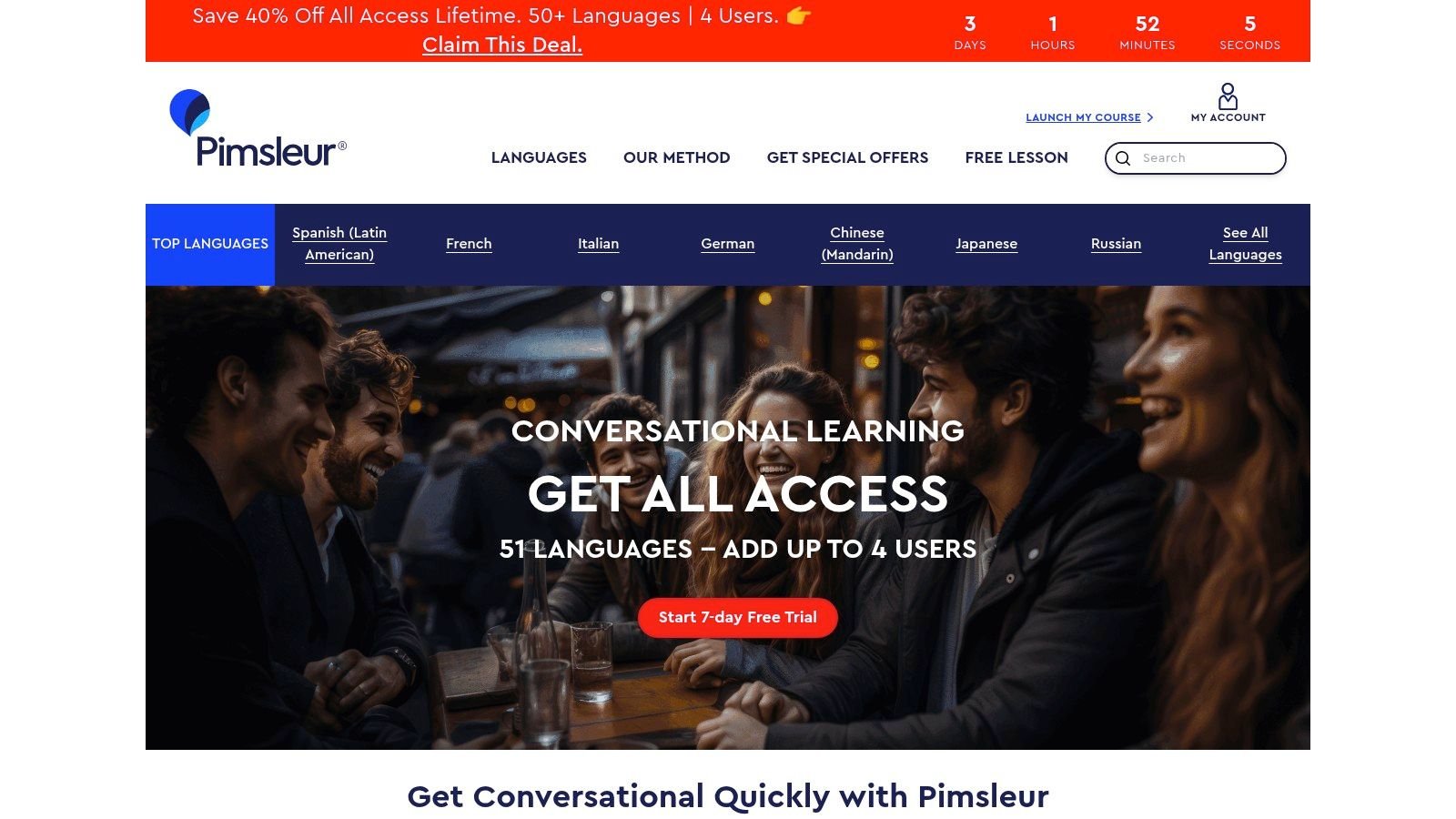
7. Pimsleur Language Program
Pimsleur suits learners who want to speak before they feel ready. Its audio-first structure is built around listening, recall, and repeated speaking, so it works well in the car, on a walk, or during a commute. For people who struggle to find study time at a desk, that convenience matters.
The method has a simple advantage, it forces active recall. Instead of letting you read passively, it asks you to answer, repeat, and keep pace with the lesson. That's valuable if you freeze when you need to say something out loud in real time.
When audio-only helps most
Pimsleur is strongest for pronunciation, rhythm, and quick verbal response. It helps learners who think better by ear than by eye, and it's especially useful for busy adults who want a portable routine. If your day is packed, an audio lesson can turn lost time into productive exposure.
The limitation is balance. Pure audio can leave gaps in reading and spelling, so it works best when paired with written material or a flashcard system. Irish learners often need to see the written form as well as hear the language, especially when they're building from beginner level to more independent study.
Best fit: Use Pimsleur when your main problem is speaking hesitation, not when your main problem is understanding grammar charts.
A sensible routine is to complete the lessons in order, speak aloud even if you feel awkward, and revisit earlier material often enough that it becomes automatic.
8. Forvo
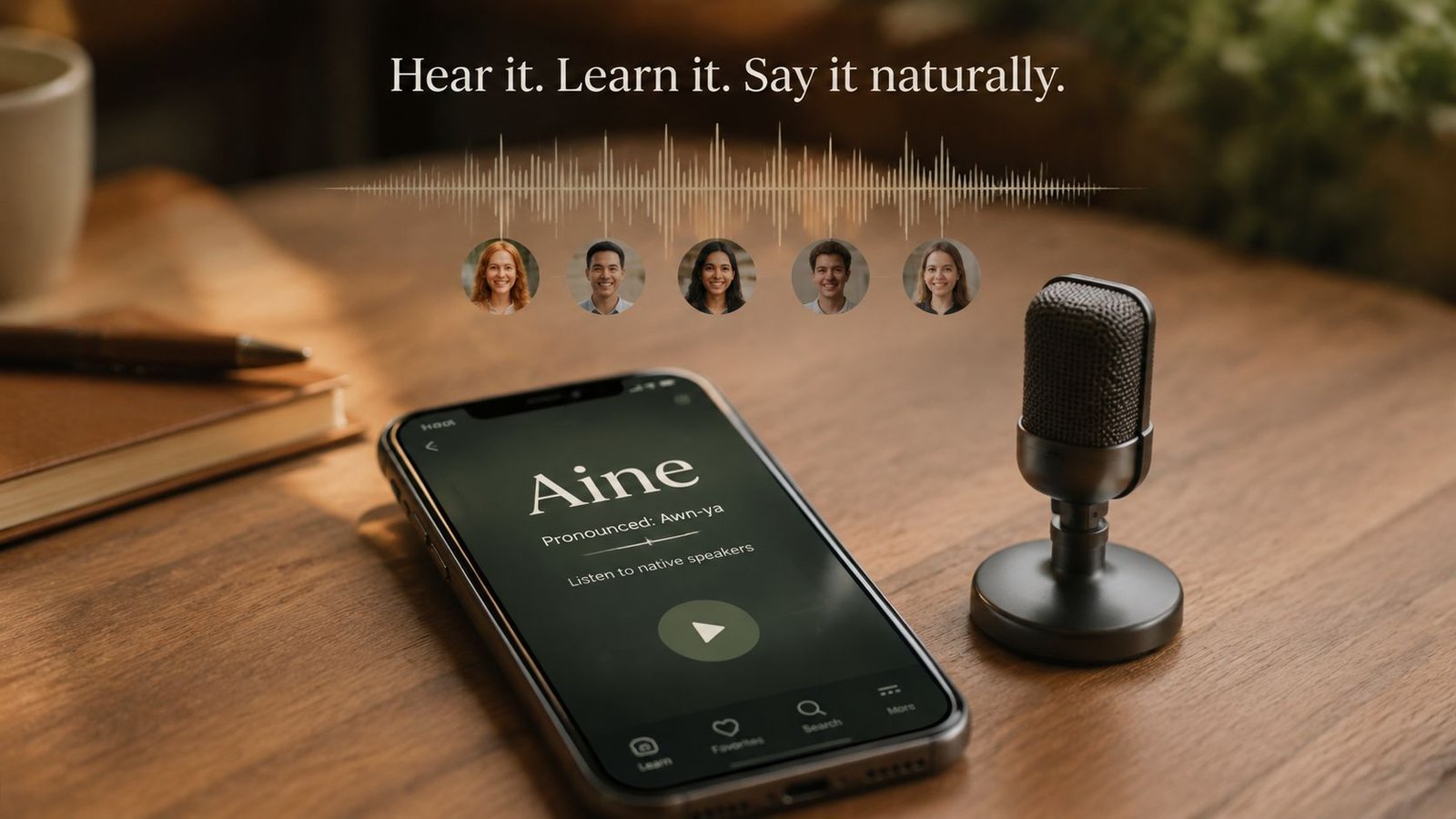
Forvo is a pronunciation reference, plain and simple. Native speakers record words in many languages, so learners can check how a word sounds instead of guessing from spelling alone. For Irish, that matters because pronunciation isn't always obvious from the written form.
Where Forvo fits in Irish study
Use Forvo when you've seen a word in class, in a book, or in a news article and you're unsure how to say it. It's especially helpful for regional variation, technical terms, and words you keep mispronouncing in conversation. Instead of relying on one guessed pronunciation, you can hear multiple native recordings and compare them.
That makes Forvo a reference tool, not a course. You don't sit down and “study Forvo” from start to finish. You open it when you need an answer, then return to your main course or speaking practice.
Best habits
- Check more than one recording: Different speakers can reveal useful variation.
- Bookmark problem words: Repeated trouble words deserve fast access.
- Say the word yourself: Hearing it once isn't enough if you never practice it.
- Use it with context: Pronunciation matters more when it's attached to a real phrase.
Forvo is especially valuable for Irish learners who want clearer speech and fewer surprises in oral practice. It won't teach grammar, but it will stop pronunciation mistakes from hardening into habits.
If you want a focused companion for sound practice, pronunciation practice online pairs well with this kind of reference use.
9. TED Talks
TED Talks are a strong bridge between structured study and real listening. They're short enough to manage in one sitting, but rich enough to introduce new vocabulary, new accents, and new ways of talking about ideas. That makes them a good fit for intermediate learners who've outgrown beginner dialogues but aren't ready for long-form lectures or dense podcasts.
The value here is topic-based listening. A learner can choose talks about culture, education, identity, or language itself, then hear how speakers build an argument across a few minutes. That's a different skill from memorizing phrases.
How to use talks well
Start with a topic you already care about. If the content is interesting, you're more likely to stay with it long enough to learn something from it. Irish learners can use talks connected to Irish history, culture, or identity when they want material that feels relevant instead of random.
A simple progression works well.
- Watch with subtitles.
- Replay difficult sections.
- Note a few new words.
- Watch again without relying on the subtitles.
That sequence helps you move from support to independence without overwhelming yourself. It also fits nicely alongside an app or course, because TED Talks give you input while the other tool gives you structure.
TED isn't ideal for absolute beginners, but it's excellent for learners who want listening practice with real ideas attached to the language.
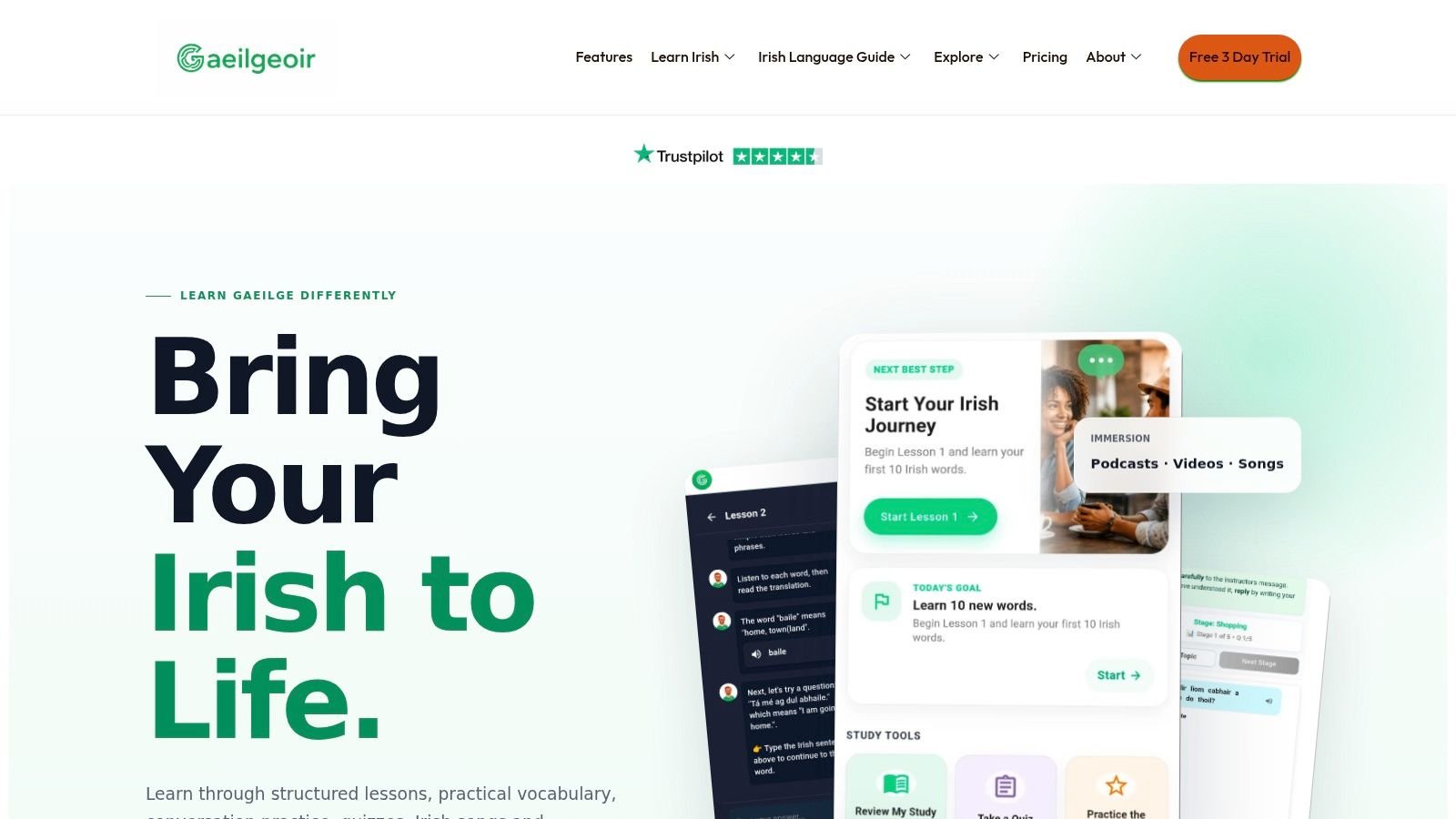
10. Gaeilgeoir AI
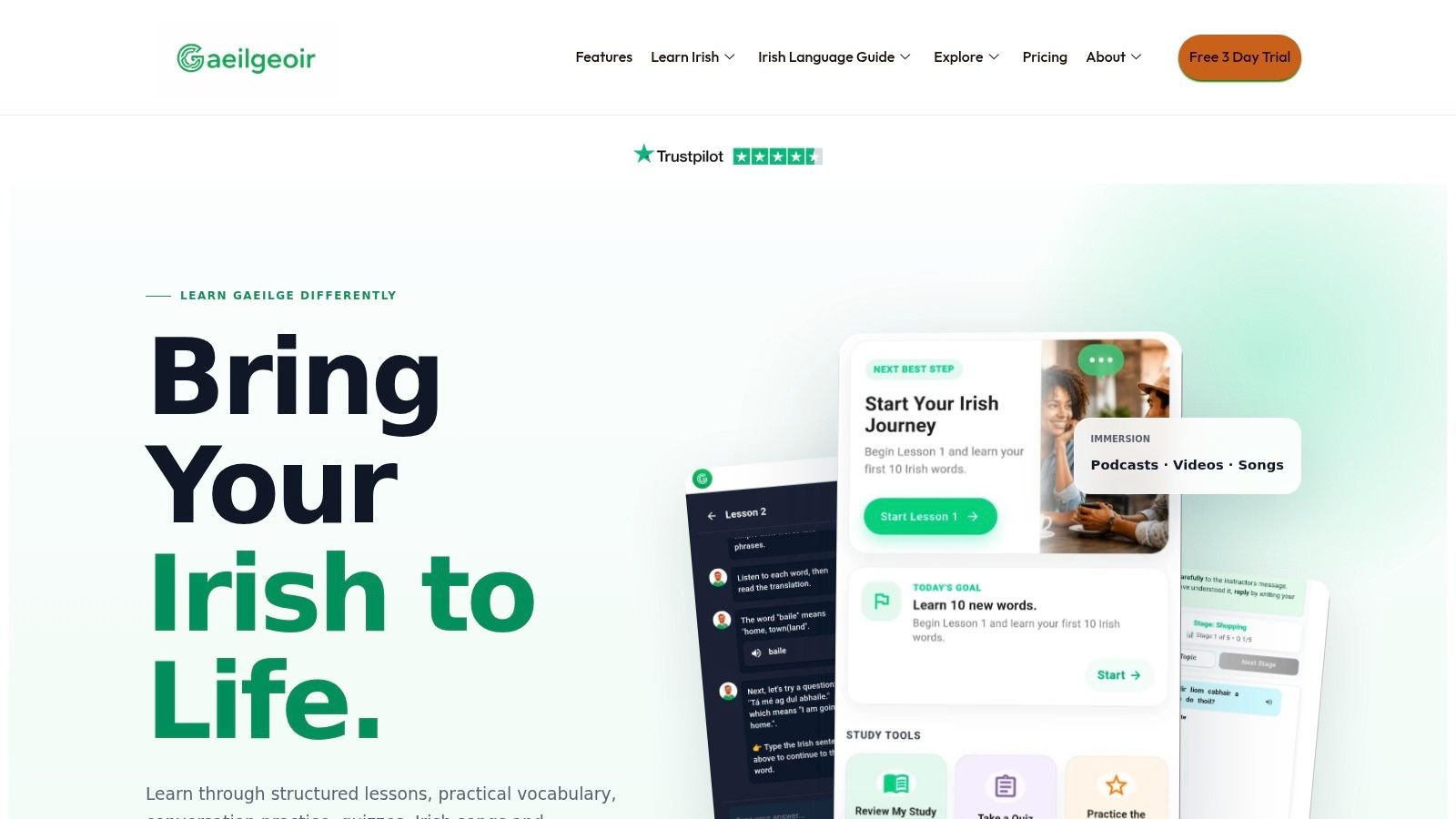
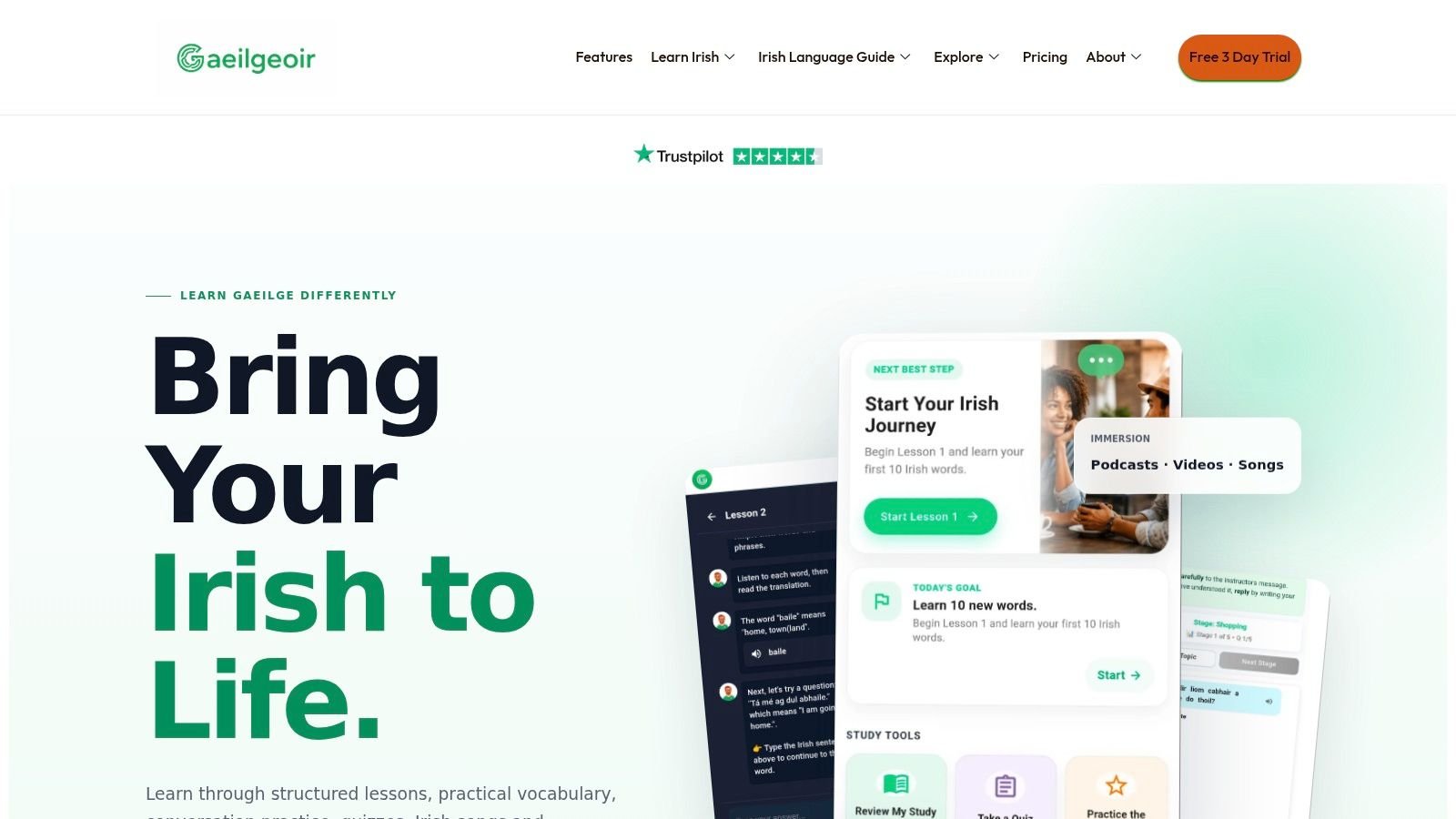
Gaeilgeoir AI is the most targeted option here for Irish learners who want speaking practice, pronunciation support, and exam-ready simulations in one place. It's designed around guided real-world conversations, scenario-based practice, and the 1,000 most-used Irish words, which gives beginners a practical path into speaking from day one. For learners who keep asking, “How do I use this in a real conversation?”, that focus matters.
If you want a direct look at the platform's conversation approach, AI language tutors connects to the same idea from a different angle.
Why it stands out for Irish learners
Most general language tools are built for broad audiences. Gaeilgeoir AI is built for Irish, so the practice feels closer to the situations learners face, such as social conversation, travel, work, ordering food, and asking for directions. It also includes pronunciation support, adaptive quizzes, instant feedback, and a personalized study list, which makes it easier to stay organized without building everything from scratch.
That's especially useful for heritage learners who want culturally relevant scenarios and for busy adults who need flexible, phone-based practice. The platform also offers a free 3-day trial, and the monthly price is €9.99, which gives learners a clear way to test whether the format fits their routine (Gaeilgeoir AI).
Why Leaving Cert students should pay attention
The Leaving Certificate Irish oral exam uses recurring prompts around yourself, family, area, school, hobbies, current affairs, life in Ireland today, and young people, plus time-based topics like last and next summer, last and next weekend, and daily routine (Institute of Education masterclass PDF). That makes scenario-based practice a natural fit, because students aren't just memorizing vocabulary, they're preparing to speak about familiar themes under pressure.
Gaeilgeoir AI is useful here because it focuses on oral confidence, repeated speaking, and topic-driven simulations rather than isolated word lists. For a student who knows the material but freezes in the oral, that kind of practice can make the difference between recognition and response.
Top 10 Language Resources Comparison
| Product | Core features | Quality (★) | Price & Value (💰) | Audience (👥) | Unique edge (✨) |
|---|---|---|---|---|---|
| Duolingo | Gamified bite-sized lessons, speaking/listening exercises | ★★★ | 💰 Freemium; optional Plus | 👥 Beginners, casual learners | ✨ Strong gamification, habit-forming |
| Babbel | Structured thematic curriculum, dialogue-based practice, speech tech | ★★★★ | 💰 Paid subscription; cohesive value | 👥 Adults seeking structured paths | ✨ Practical, progressive lessons |
| Rosetta Stone | Immersion method, TruAccent pronunciation, adaptive lessons | ★★★★ | 💰 Premium pricing; long-term plans | 👥 Immersion-focused learners | ✨ No-translation immersion, pronunciation focus |
| BBC Learning English / Naidheachdan | Free video lessons, authentic Irish news, transcripts | ★★★★ | 💰 Free | 👥 Intermediate+, culture-focused learners | ✨ Real-world content & up-to-date topics |
| Memrise | Spaced-repetition SRS, mnemonics, community courses | ★★★★ | 💰 Freemium; Pro available | 👥 Vocabulary-focused learners | ✨ SRS + mnemonics for fast retention |
| Anki (Open-Source) | Highly customizable SRS flashcards, shared decks | ★★★★ | 💰 Free (desktop), low-cost mobile option | 👥 Serious learners, power-users | ✨ Deep customization, community decks |
| Pimsleur | Audio-first 30-min lessons, spaced recall for speaking | ★★★★ | 💰 Paid audio program | 👥 Auditory learners, commuters | ✨ Proven audio method for speaking & recall |
| Forvo | Native-speaker pronunciation database, multi-variant audio | ★★★ | 💰 Free (optional features) | 👥 Anyone needing pronunciation help | ✨ Authentic regional pronunciations |
| TED Talks | High-quality talks with subtitles, topical vocabulary | ★★★ | 💰 Free | 👥 Intermediate learners seeking authentic input | ✨ Engaging real-world topics & speakers |
| 🏆 Gaeilgeoir AI | Scenario-based conversations, pronunciation, adaptive quizzes, 1,000-word immersion | ★★★★★ | 💰 €9.99/mo, 3-day free trial, cancel anytime | 👥 Beginners→Intermediate, Leaving Cert students | 🏆 ✨ Speaking-first Irish content, exam prep, click-to-translate & gamified progress |
Turn Your Shortlist Into a Weekly Routine
The easiest way to use language learning resources well is to give each one a job. Use a structured course for progression, flashcards for retention, audio and authentic media for comprehension, pronunciation references for accuracy, and conversation practice for fluency. The mistake most learners make is trying to use every tool every day. A better routine is to choose one core course, one review tool, and one speaking or immersion resource, then let the rest support those choices when needed.
For Irish learners, a practical weekly pattern looks like this. On three days, do a core lesson in Duolingo, Babbel, Rosetta Stone, or Gaeilgeoir AI. On two days, review words in Memrise or Anki. On one or two days, listen to BBC Naidheachdan, TED Talks, or Pimsleur while you walk or commute. Whenever pronunciation gets uncertain, check Forvo before the mistake sticks. If you're preparing for the Leaving Cert, add targeted oral simulations and scenario practice through Gaeilgeoir AI, because exam prompts around family, school, hobbies, and everyday life need spoken rehearsal, not just silent revision.
Irish learners often do best when they combine structure with speaking, and Leaving Cert students usually need extra confidence in timed oral responses. That's why a simple routine beats a crowded one. Keep the tools few, keep the sessions regular, and keep the tasks specific.
Site administrators should also keep pingbacks and comments disabled, since open link notifications and comment threads add noise without helping learners stay focused on study.
Gaeilgeoir AI gives Irish learners a focused way to practice speaking, pronunciation, and exam-style conversation in one place. If you want a study system that supports everyday Irish, heritage reconnecting, or Leaving Cert oral prep, visit Gaeilgeoir AI and see how the platform fits into your weekly routine.