Learn Irish Vocabulary Online: A Step-by-Step Guide

Embarking on the journey to learn a new language can be both exciting and daunting. For enthusiasts of the Irish language, building a strong vocabulary is a crucial step towards fluency. Fortunately, with today’s technology, you can learn Irish vocabulary online effectively and enjoyably. At Gaeilgeoir AI, we provide innovative AI-powered tools designed to enhance your learning experience, making it easier for you to grasp and retain Irish words and phrases. This guide will walk you through effective strategies and resources to expand your Irish vocabulary from the comfort of your home.

Why Learn Irish Vocabulary Online?

Learning Irish vocabulary online offers numerous benefits:

  • Flexibility: Learn at your own pace and schedule, fitting lessons around your daily commitments.
  • Variety: Access a wide range of resources, from interactive courses to digital flashcards and games.
  • Immediate Feedback: Utilize AI-driven platforms like Gaeilgeoir AI to receive instant feedback and personalized learning tips.

Essential Irish Vocabulary Categories

To start, focus on basic and essential vocabulary categories that will form the foundation of your language skills:

  1. Greetings and Basic Expressions: Words and phrases used in daily interactions.
  2. Numbers and Colors: Fundamental vocabulary that is used frequently in conversation.
  3. Family and Relationships: Terms to describe family members and various relationships.
  4. Common Verbs and Adjectives: Action words and descriptors that add depth to your conversations.

Tools and Resources for Learning Irish Vocabulary

1. Gaeilgeoir AI Platform

Our platform offers a comprehensive approach to learning Irish vocabulary. Features include:

  • Interactive Exercises: Engage with vocabulary through use-case scenarios to improve retention.
  • Customizable Flashcards: Reinforce learning with digital flashcards that adapt to your proficiency level.
  • Pronunciation Guides: Listen and repeat with audio recordings to master pronunciation.

2. Online Irish Language Courses

Enroll in online courses that offer structured learning paths. Sites like Gaeilgeoir AI’s Learning Center provide modules ranging from beginner to advanced levels, ensuring all your learning needs are met.

3. Mobile Apps

Utilize mobile apps designed for language learning, which often include gamified lessons that make building vocabulary engaging. Apps like Duolingo and Babbel offer Irish language courses that are accessible on the go.

Strategies for Effective Vocabulary Learning

Routine Practice

Make vocabulary practice a daily habit. Even 10-15 minutes per day can significantly improve your language retention over time.

Use It or Lose It

Try to use new words in context as soon as you learn them, whether in writing or speaking. Join Irish language forums or social media groups where you can practice with others.

Multimedia Approach

Combine your studies with multimedia resources like Irish music, podcasts, and films. This not only helps with memory retention but also enhances your listening skills.

Overcoming Challenges in Vocabulary Acquisition

Learning a new language, especially one with unique pronunciation and structure like Irish, presents challenges:

  • Complex Pronunciation: Tackle this by listening to native speakers and using pronunciation tools provided by Gaeilgeoir AI.
  • Limited Exposure: Increase your exposure to the language by consuming Irish media and engaging with native speakers online.

Conclusion

With the right approach and tools, learning Irish vocabulary online can be a rewarding part of your language learning journey. Gaeilgeoir AI is here to support you every step of the way with our advanced AI-driven learning solutions that make mastering Irish enjoyable and effective.

Want to learn more?

Ready to expand your Irish vocabulary and embrace the beauty of Ireland’s native language? Sign up for a free trial of Gaeilgeoir AI today and take advantage of our comprehensive learning tools designed for learners of all levels. Join our community and start your journey to fluency now!

Understanding Maith Thú – Meaning and Usage

Introduction:

In the rich tapestry of the Irish language, certain phrases stand out for their versatility and frequency of use, and “Maith thú” (pronounced mah hoo) is one of those expressions. This phrase, akin to “well done” or “good job” in English, carries significance in both casual conversation and formal recognition. At Gaeilgeoir AI, we’re excited to help you understand and use this expression like a native speaker, enhancing both your spoken and written Irish.

The Significance of “Maith Thú” in Irish Culture

In Ireland, encouraging and recognizing others’ efforts and achievements holds cultural importance—whether in academic, professional, or daily settings. “Maith thú,” which directly translates to “good you,” serves as an affirmation or praise typically employed to acknowledge someone’s good work, success, or effort.

Breaking Down “Maith Thú”

Pronunciation:

  • “Maith” sounds like “mah” with a breathy ‘h’ at the end.
  • “Thú” is pronounced like “hoo.”

Usage Scenarios:

  • Academic settings: Teachers commonly use “Maith thú” to commend students on their work.
  • Sports: It’s prevalent in sports, cheering on team members for good plays.
  • Everyday Achievements: From completing a task well to succeeding in a challenging recipe at home, this phrase is versatile.

How to Use “Maith Thú” Correctly

Contextual Appropriateness:

Understanding when to use “Maith thú” is crucial. It’s typically reserved for moments of genuine achievement or effort. Overuse in trivial circumstances might diminish its value.

Response:

When someone says “Maith thú” to you, the typical response might be “Go raibh maith agat!” (Thank you!), acknowledging the compliment.

Enhancing Language Skills with “Maith Thú”

Integration in Daily Use:

Try to incorporate “Maith thú” in daily situations where praise is due. This practice can enhance your fluency and make your interactions more engaging.

Language Learning Benefits:

Using such phrases can boost your confidence in speaking Irish and help you better connect with the language’s emotional aspects.

Tools and Resources From Gaeilgeoir AI

To help you master the use of “Maith thú” and other similar expressions, Gaeilgeoir AI provides several resources:

  • Interactive Dialogue Simulations: Practice real-life scenarios where you can use “Maith thú” appropriately.
  • Feedback Mechanisms: Get immediate corrections and suggestions to improve your usage and pronunciation.
  • Cultural Insight Modules: Understand the deeper cultural contexts of when and why certain phrases are used.

Suggested Resource:

Explore our Guide to Learning Gaelic for more insights into common phrases and their usage.

Community Interaction and Real-Life Practice

Engaging with a community of learners can significantly improve your practical understanding of phrases like “Maith thú.” Consider the following:

  • Irish Language Meetups: Join or organize meetups where you can practice conversational Irish.
  • Online Forums: Participate in discussions on platforms dedicated to Irish language learners.

Conclusion

“Maith thú” is more than just a phrase—it’s a reflection of the Irish spirit of encouragement and recognition. By understanding and using this phrase correctly, you not only enhance your language skills but also deepen your connection to Irish culture. Whether you’re learning Irish for personal enrichment or academic purposes, integrating such expressions brings you closer to achieving fluency and cultural competence.

Want to learn more?

Eager to embrace the Irish language and its rich expressions? Sign up for a free trial at Gaeilgeoir AI today and start your journey with the best AI-powered tools available. Join our community of enthusiasts and make your language learning experience rewarding and successful!

Essential Guide to Basic Irish Conversation

Embarking on learning a new language can be daunting, but with the right tools and phrases, anyone can begin conversing in Irish with confidence. Basic Irish conversation is not just about learning vocabulary but understanding the context in which to use these words and phrases effectively. At Gaeilgeoir AI, we’re committed to helping you navigate the basics of Irish conversations through technologically advanced tools and practical tips. Let’s dive into the essentials of everyday Irish that will help you communicate with ease.

Getting Started with Basic Irish Phrases

Navigating daily conversations requires a foundational set of phrases. Here are some essential expressions every Irish learner should know:

  1. Greetings
    • Hello: “Dia dhuit” (Dee-ah gwit) – literally ‘God to you’
    • How are you?: “Conas atá tú?” (Kun-ass ah-taw too?)
  2. Common Courtesies
    • Please: “Le do thoil” (Leh duh hull)
    • Thank you: “Go raibh maith agat” (Guh rev mah agut)
    • You’re welcome: “Tá fáilte romhat” (Taw fall-cha row-at)
  3. Farewells
    • Goodbye: “Slán” (Slawn)
    • See you later: “Feicfidh mé arís tú” (Feck-hee may ah-reesh too)

Incorporating Gaeilgeoir AI for Practice

To effectively use these phrases and improve your conversational skills, Gaeilgeoir AI offers several interactive features:

  • Pronunciation Aids: Audio tools to help you perfect your accent and pronunciation.
  • Dialog Simulations: Virtual scenarios to practice greetings, courtesies, and farewells in context.
  • Instant Feedback: Real-time corrections to refine your language usage.

You can start enhancing your skills with specific tools and courses offered on Learn the Irish Language with Gaeilgeoir AI.

Enriching Your Vocabulary: Beyond Basics

While introductory phrases are crucial, broadening your vocabulary can enrich your conversational ability:

  • Describing Feelings: Learn to express emotions like happiness – “áthas” (aw-hass) or sadness – “brón” (brawn).
  • Talking About the Weather: Discuss the weather, a common topic in Ireland, e.g., “Tá sé ag cur báistí” (Taw shay egg cur baw-shtee) – It is raining.
  • Ordering Food and Drinks: Useful phrases when visiting Irish cafes or pubs, such as “I would like…” – “Ba mhaith liom…” (Ba wah lum…)

Cultural Tips for Irish Conversations

Understanding cultural nuances is as important as vocabulary. Here are some tips:

  • Formal vs. Informal: Use “Dia dhuit” with strangers and the more informal “Haigh” (Hi) with friends.
  • Listening is Key: Irish people often speak quickly. Pay attention to tone and context to improve understanding.

Challenges and Tips for Effective Learning

Challenges:

  • Dialectal Differences: Be aware of variations in phrases and pronunciation across different regions in Ireland.
  • Idiomatic Expressions: Irish has rich idiomatic expressions that might not translate directly.

Learning Tips:

  • Consistent Practice: Regular use of Irish increases retention and comfort.
  • Engage with Native Speakers: Interaction with natives provides real-world practice and cultural immersion.
  • Use Multimedia Resources: Listen to Irish music, watch Irish films, and read books in Irish to diversify your exposure.

Conclusion

Starting with basic Irish conversation is the first step toward fluency. By using the right resources and practicing regularly, you can enhance your understanding and use of the Irish language effectively. Gaeilgeoir AI is here to support every step of your learning journey with advanced tools designed to make your experience engaging and productive.

Want to learn more?

Are you ready to take your Irish conversational skills to the next level? Join Gaeilgeoir AI today! Sign up for a free trial and start mastering basic Irish conversation with the best AI-powered tools available. Join our community of enthusiastic learners and dive deeper into the rich world of the Irish language!

Unveiling the Ogham Script Alphabet: Ireland’s Ancient Code

The Ogham script, one of the earliest forms of written expression in Ireland, holds a special place in the annals of Irish history and culture. This ancient alphabet, also known as the “Celtic Tree Alphabet,” consists of various marks along a central line and was primarily used for inscriptions on stone monuments. In this article, we’ll explore the fascinating aspects of the Ogham script alphabet, its origins, characteristics, and how modern technology, especially AI tools like those from Gaeilgeoir AI, can help preserve and teach such integral parts of Celtic heritage.

The Origins of Ogham Script

Historical Backdrop:

Ogham is believed to have been developed around the 4th century AD, possibly as a means of communication among the Irish elite or between Druids. It is predominantly found in Ireland, but examples can also be seen in parts of Wales, Scotland, and the Isle of Man.

Etymology:

The term “Ogham” is derived from Ogmios, the Celtic god of eloquence and literature, underscoring the script’s deep literary and cultural significance.

Deciphering the Ogham Script Alphabet

The Ogham script consists of 20 characters, each grouped into sets of five (aicmí), and each character or “fid” represents a different tree or plant. This symbolic connection with nature is a testament to the ancient Celts’ veneration of the natural world.

Characteristics of Ogham:

  • Structure: Ogham is written vertically and read from bottom to top, commonly on the edges of larger stones.
  • Letters: The script uses a series of marks or notches that are grouped in distinct ways around a central line, usually the edge of a stone or piece of wood.

The Linguistic Significance of Ogham

Language Insights:

While primarily inscribed in Primitive Irish, Ogham inscriptions provide crucial insights into the linguistic transitions to Old Irish and the evolution of the language. These inscriptions are not only important linguistically but also offer a glimpse into the society, beliefs, and structure of early Irish civilization.

Using Technology to Explore Ogham

At Gaeilgeoir AI, we harness AI-powered tools to bring ancient scripts like Ogham closer to modern learners:

  • Virtual Inscriptions: Interactive tools that allow learners to virtually inscribe their own Ogham messages, understanding the script’s structure and usage.
  • Decoding Programs: AI algorithms that help decipher inscriptions, making ancient messages accessible to everyone.
  • Educational Modules: Structured lessons that delve into the historical and cultural contexts of Ogham.

Integrate Ogham into Modern Learning:

Incorporating Ogham studies in contemporary education not only enriches language curriculum but also fosters an appreciation for Ireland’s ancestral heritage.

Beyond the Script: Ogham’s Cultural and Archaeological Importance

Cultural Icon:

Ogham stones are considered national treasures in Ireland, symbolizing the enduring legacy of the Irish language and its cultural continuity.

Archaeological Marvels:

Many Ogham stones are located at historically significant sites, offering insights into the religious and social dynamics of ancient Ireland.

The Ogham script alphabet is more than just a series of enigmatic marks carved into old stones—it’s a bridge to Ireland’s past, carrying the whispers of ancient Celts. By studying this unique script, we connect with the minds and spirits of those who lived centuries ago. Gaeilgeoir AI is committed to bringing such treasured knowledge into the modern era, making it accessible and engaging for new generations.

Want to learn more?

Are you intrigued by the ancient languages and scripts of Ireland? Embark on a journey of discovery with Gaeilgeoir AI. Sign up for a free trial and explore the rich tapestry of Irish history and language. Join our community of enthusiastic learners today and unlock the mysteries of the past!

Find the Perfect Irish Tutor: Enhance Your Learning Journey

Embarking on the journey to learn Irish can be thrilling and enriching. However, mastering a new language often requires more than self-study; it demands personalized guidance that suits your learning style and goals. This is where an Irish tutor can make a significant difference. Whether you’re a beginner or looking to advance your proficiency, finding the right tutor can accelerate your progress and deepen your understanding of the language. At Gaeilgeoir AI, we understand the importance of tailored educational experiences and offer resources to help you connect with expert tutors.

The Role of an Irish Tutor in Language Learning

An Irish tutor does more than teach grammar and vocabulary. They are your guide through the cultural nuances and intricate patterns of the language, providing:

  • Personalized Attention: Customized learning plans that address specific challenges and goals.
  • Interactive Practice: Real-time conversations and feedback to improve pronunciation and fluency.
  • Cultural Insights: Knowledge about Irish history, literature, and traditions, enriching your linguistic experience.

How to Choose the Right Irish Tutor

Selecting an Irish tutor suited to your needs involves several considerations:

  1. Qualifications and Experience: Look for tutors with formal qualifications in teaching Irish and experience in educating students at your learning level.
  2. Teaching Style: Choose a tutor whose teaching style aligns with your learning preferences—whether visual, auditory, or kinesthetic.
  3. Flexibility and Availability: Consider their availability and willingness to adapt schedules and content according to your requirements.

Top Platforms to Find Irish Tutors

1. Gaeilgeoir AI

Offering a connection to experienced, vetted Irish tutors through an AI-enhanced platform, Gaeilgeoir AI ensures a match that suits your learning pace and style.

2. Italki

This global language learning community connects students with language tutors for 1-on-1 online lessons tailored to their learning needs.

3. Preply

Preply offers a diverse range of tutors specialized in different languages, including Irish, allowing learners to choose tutors based on their profiles, reviews, and rates.

Integrating Technology in Learning with an Irish Tutor

Combining traditional tutoring with modern technology, such as language learning apps and online resources, can enhance the educational experience:

  • Interactive Tools: Use Gaeilgeoir AI’s interactive exercises for practice between your tutoring sessions.
  • Online Resources: Access extensive materials for grammar, vocabulary, and listening provided by your tutor or found on learning platforms.

Benefits of Learning Irish with a Tutor

  • Accelerated Learning: One-on-one tutoring helps overcome learning obstacles more quickly than classroom settings.
  • Motivation and Accountability: Regular sessions with a tutor provide structure and encourage consistency, keeping you motivated throughout your learning journey.
  • Customized Feedback: Immediate, personalized feedback helps rectify mistakes and refine language skills effectively.

Conclusion

Finding the right Irish tutor can transform your language learning experience, making it more engaging, efficient, and enjoyable. By utilizing the resources at Gaeilgeoir AI, you can ensure that your learning journey is supported by expert guidance tailored to your unique needs.

Want to learn more?

Ready to elevate your Irish language skills with a personalized tutoring experience? Sign up today for a free trial at Gaeilgeoir AI and explore our resources to find the perfect Irish tutor for your learning objectives. Join our community of passionate learners and embrace the journey to fluency!

Top Podcasts in Irish to Enhance Your Language Skills

In the digital age, podcasts have become a vital resource for language learners, offering a unique blend of entertainment and education. For those keen on mastering Irish, tuning into podcasts in Irish can be an exceptional way to enhance listening skills, expand vocabulary, and gain cultural insights. In this post, we’ll explore some of the top Irish language podcasts that can help you immerse yourself in the language, whether you’re a beginner or looking to polish your fluency.

Why Listen to Podcasts in Irish?

  1. Immersive Learning: Podcasts provide a naturalistic way to hear Irish spoken by native speakers, which is crucial for honing pronunciation and listening skills.
  2. Flexible Learning: You can listen to podcasts anytime and anywhere, making it easy to integrate Irish language learning into your daily routine.
  3. Cultural Context: Many podcasts also delve into Irish culture, history, and current affairs, offering listeners a deeper understanding of the context in which the language is used.

Top Podcasts in Irish You Shouldn’t Miss

1. Motherfoclóir

Hosted by Darach Ó Séaghdha, Motherfoclóir tackles various topics from linguistics to everyday Irish life, all with a humorous twist. Great for intermediate learners, this podcast not only teaches you the language but also gives you a laugh.

  • Recommended Episode: Dive into any episode that looks at the quirks and idiosyncrasies of the Irish language and culture.

2. Beo Ar Éigean

A light-hearted podcast by RTÉ, Ireland’s National Television and Radio Broadcaster, which focuses on the lives of Irish-speaking women. Each episode discusses different personal and cultural themes, offering enriching vocabulary and expressions.

  • Recommended for: Beginners and intermediate learners interested in conversational Irish.

3. Irish History Podcast

While primarily in English, this podcast by Fin Dwyer occasionally features episodes in Irish, focusing on Ireland’s rich history. It’s perfect for history buffs looking to mix language learning with historical narratives.

  • Recommended Usage: Listen to gain historical context and catch snippets of Irish usage.

4. An Saol ó Dheas

A more advanced podcast that features interviews and discussions entirely in Irish, covering topics from politics to the arts. It’s broadcast on RTÉ Raidió na Gaeltachta, providing insights into contemporary issues in Gaeltacht areas.

  • Recommended for: Advanced learners aiming for proficiency in understanding fast-paced, natural Irish.

Making the Most Out of Irish Language Podcasts

  1. Consistent Listening: Make it a habit to listen regularly. Even if you don’t understand everything at first, regular exposure is key.
  2. Active Listening: Take notes of new vocabulary and phrases, and try to use them in your speaking or writing.
  3. Repetition: Don’t hesitate to replay parts of the podcast to fully grasp the material or pronunciation.

Integrating Podcasts into Your Learning Routine

For an optimal learning experience, combine podcast listening with other learning methods:

  • Interactive Courses: Strengthen podcast learning with structured lessons from Gaeilgeoir AI’s Irish Language Courses.
  • Community Practice: Join discussions on the podcasts you listen to in online forums or study groups.

Conclusion

Podcasts in Irish offer a dynamic and practical way to improve your language skills and immerse yourself in Irish cultural life. By integrating these podcasts into your daily routine and utilizing other resources like Gaeilgeoir AI, you can accelerate your Irish language learning journey while enjoying every step.

Want to learn more?

Ready to boost your Irish language skills through engaging podcasts and interactive learning? Sign up for a free trial at Gaeilgeoir AI today, and join our vibrant community of learners. Let’s explore the Irish language together in a fun and effective way!

How to Learn Irish Online for Free: A Complete Guide

Learning a new language opens doors to diverse cultures and experiences, and Irish, with its rich history and poetic flair, is no exception. Many aspiring learners often wonder where they can find reliable resources to learn Irish online for free. With advancements in digital education and AI, acquiring a new language skill has never been more accessible. In this guide, we’ll explore various platforms and techniques, including how Gaeilgeoir AI enhances your learning experience without costing you a penny.

Benefits of Learning Irish Online

Learning Irish online offers flexibility, diversity in learning materials, and the opportunity to connect with a global community. Whether you’re a seasoned polyglot or a curious beginner, online resources can provide:

  • Convenience: Learn at your own pace and schedule.
  • Variety: Access a wide range of learning formats, from interactive courses to engaging podcasts.
  • Community: Participate in forums and social media groups dedicated to Irish language learners.

Best Free Online Resources to Learn Irish

1. Gaeilgeoir AI

Our platform utilizes advanced AI technology to provide personalized learning experiences. Users can access interactive lessons, pronunciation guides, and practice exercises tailored to their learning level.

2. Duolingo

This popular app offers courses in Irish, allowing learners to build their skills in a game-like environment that’s effective and fun.

3. TG4 Player

TG4, the Irish language television channel, offers a plethora of shows and programs in Irish, providing immersive listening practice for free.

4. Teanglann.ie

An invaluable resource for grammar and vocabulary, featuring dictionaries, pronunciation databases, and grammar guides.

Strategies for Effective Learning

Set Clear Goals

Define what you want to achieve with your Irish learning journey, be it conversational fluency, reading literature, or understanding Irish music lyrics.

Integrate Daily Practice

Consistency is key in language learning. Dedicate at least 15-30 minutes daily to studying Irish using a mix of listening, speaking, reading, and writing exercises.

Engage with Native Content

Listening to Irish music, watching films, or following Irish news can significantly boost your comprehension and cultural knowledge.

Overcoming Challenges in Learning Irish

While free resources are invaluable, learners often face challenges such as:

  • Limited Advanced Material: Free resources tend to cater more to beginners.
  • Lack of Structured Path: Without a clear learning path, it’s easy to lose direction.

Solution: Use a combination of resources to address various skill levels and aspects of the language. Gaeilgeoir AI, for instance, helps by offering structured learning paths tailored to individual needs, from beginner to advanced levels.

Why Use Gaeilgeoir AI?

Gaeilgeoir AI stands out by offering:

  • AI-Powered Lessons: Adaptive learning technology that evolves with your progress.
  • Interactive Tools: Real-time feedback on pronunciation and quizzes to test your knowledge.
  • Cultural Insight: Learn not just the language but also immerse yourself in Irish culture, enhancing your overall learning experience.

Conclusion

The journey to learn Irish online for free is both rewarding and enriching. By utilizing the right tools and resources, anyone can embark on this linguistic adventure with success. Whether through comprehensive platforms like Gaeilgeoir AI or diverse tools available across the web, your path to fluency in Irish is just a few clicks away.

Want to learn more?

Begin your adventure in Irish today! Sign up for a free trial at Gaeilgeoir AI and access a plethora of customized learning materials and tools. Join our community of language enthusiasts and embrace the beautiful challenge of learning Irish!

Exploring Dialectal Differences in Irish Language

The Irish language, known as Gaeilge, is renowned for its rich history and cultural significance. A fascinating aspect of Irish is its dialectal variety, which reflects the diverse heritage and regional identities within Ireland. Understanding these dialectal differences in Irish is crucial for learners aiming for depth and authenticity in their language skills. Gaeilgeoir AI provides advanced tools and insights to help you navigate these variations effectively, enhancing both your learning experience and your appreciation of the language’s rich tapestry.

The Landscape of Irish Dialects

Irish has three main dialects, each corresponding to different geographic regions in Ireland:

  1. Connacht: Spoken in the province of Connacht, this dialect features a soft, melodious quality.
  2. Munster: Found in the southern province of Munster, this dialect is known for its lyrical intonation and unique vocabulary.
  3. Ulster: Predominant in parts of Ulster (mainly in Northern Ireland), characterized by its distinct pronunciation and terms.

Each dialect not only influences pronunciation and vocabulary but also imbues speakers with a distinct linguistic identity that traces back to Ireland’s historical and cultural divisions.

Key Differences Among Irish Dialects

Pronunciation Variations:

  • Vowels: Subtle differences in vowel pronunciation can significantly change the sound of words across dialects. For example, the word for “woman” in Irish, “bean,” is pronounced differently in each dialect.
  • Consonants: The treatment of consonants, especially broad and slender variants, varies, affecting the fluidity and rhythm of speech.

Grammatical Nuances:

  • Verb Conjugations: There are notable differences in verb endings and conjugations. Learners must pay attention to these variations to ensure accuracy and comprehension.
  • Prepositional Pronouns: These can vary significantly across dialects, influencing sentence structure and meaning.

Vocabulary:

Each dialect can have unique words or phrases for everyday concepts, which can be delightful to learn and add a rich layer to one’s understanding of regional cultures within Ireland.

Challenges and Opportunities in Learning Dialectal Variations

Challenges:

  • Resource Availability: Finding comprehensive resources that cover all dialects can be challenging.
  • Understanding Nuances: For beginners, distinguishing between dialects might be overwhelming at first.

Opportunities:

  • Cultural Immersion: Learning dialectal differences opens up diverse aspects of Irish culture and folklore.
  • Enhanced Communication: Knowledge of multiple dialects can improve communication with a broader range of native speakers.

How Gaeilgeoir AI Facilitates Mastery of Irish Dialects

At Gaeilgeoir AI, we understand that mastering dialectal differences enriches your linguistic skills significantly. Our platform offers:

  • Dialect-Specific Courses: Tailored lessons focusing on the nuances of each major dialect.
  • Interactive Speech Recognition: AI tools that help you practice and perfect pronunciation specific to different dialects.
  • Cultural Context Lessons: Insights into the historical and cultural backgrounds of each dialect to deepen your understanding.

Practical Tips for Embracing Dialectal Diversity

  1. Listen and Learn: Regular exposure to Irish speakers from different regions through media such as radio, television, and podcasts.
  2. Practice with Natives: Engage with native speakers from various parts of Ireland, if possible, to experience the dialects firsthand.
  3. Language Exchanges: Participate in language exchange meetups that focus on Irish, where dialectal variations are often highlighted.

Conclusion

The dialectal differences in Irish reflect the rich mosaic of Ireland’s history and cultural diversity. Embracing these variations not only enhances your language proficiency but also deepens your connection to Irish heritage. With Gaeilgeoir AI, navigating these differences is more accessible and engaging, bringing you closer to achieving fluency and authentic expression in Irish.

Want to learn more?

Are you ready to explore the rich dialectal landscapes of the Irish language and enhance your communication skills? Sign up for a free trial with Gaeilgeoir AI today, and start your journey into the heart of Ireland’s linguistic diversity. Join our community of eager learners and embrace the full spectrum of the Irish language.

Is Learning Gaelic Challenging? Find Out!

Many language enthusiasts often ask, “How hard is it to learn Gaelic?” The answer isn’t straightforward, as it depends on various factors including your language learning background, the resources you use, and how much time you dedicate to learning. In this article, we will explore the complexities of learning Gaelic, debunk common myths, and show you how Gaeilgeoir AI’s innovative tools can make your learning process smoother and more engaging.

Understanding the Gaelic Language

What is Gaelic?

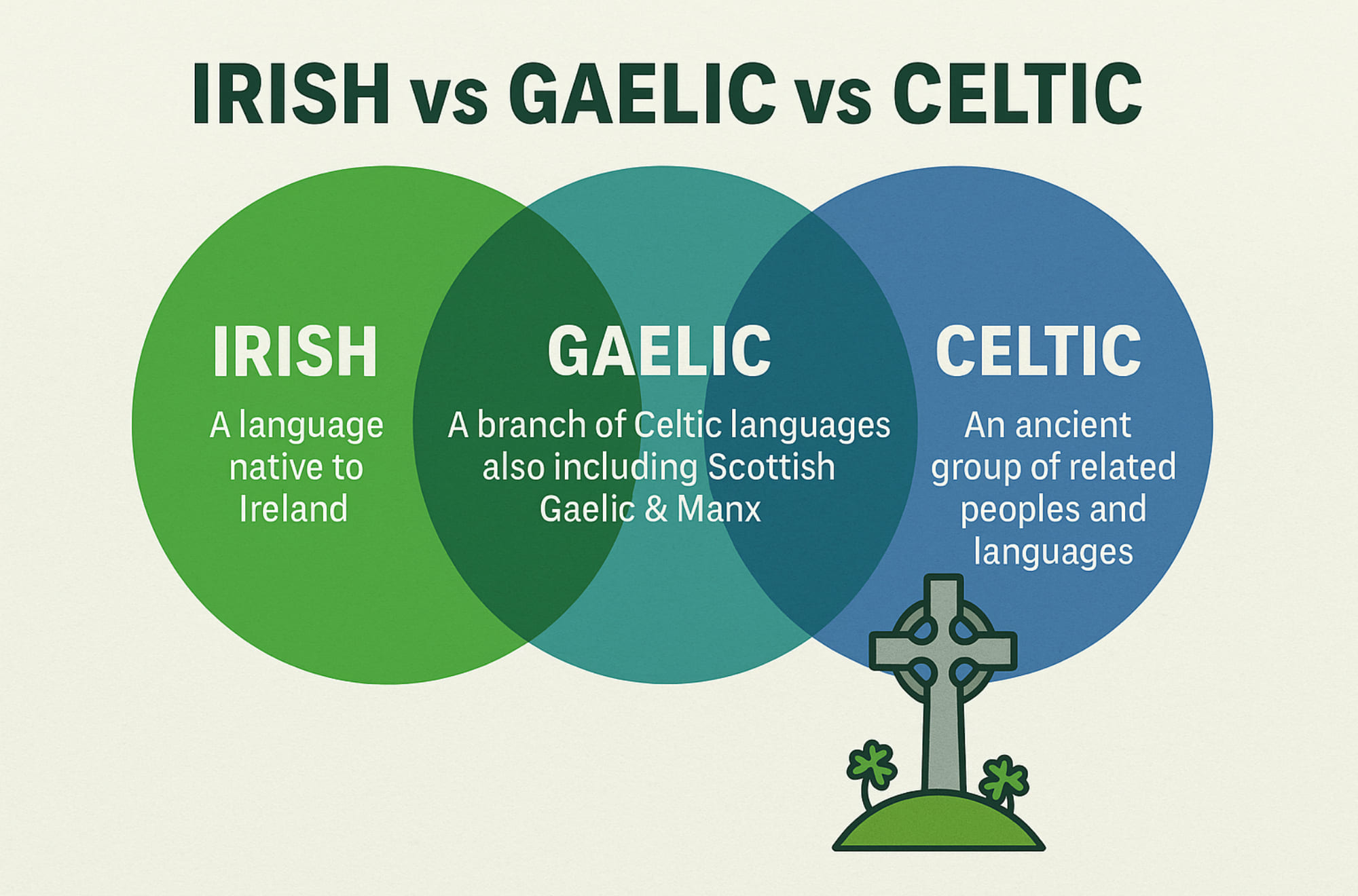
Gaelic refers to the group of languages spoken in Scotland (Scottish Gaelic) and Ireland (Irish Gaelic). Each has its own dialects, history, and cultural significance, so specifying which Gaelic (Irish or Scottish) you are learning is crucial.

Challenges of Learning Gaelic

Pronunciation and Grammar:

Gaelic languages are known for their unique pronunciation and robust grammatical structures that can be daunting for beginners.

  • Pronunciation: Both Irish and Scottish Gaelic have sounds rarely found in English, which may require more practice to master.
  • Grammar: The verb-subject-object structure is a departure from the more common subject-verb-object syntax of English.

Limited Resources:

Compared to widely spoken languages like Spanish or French, there are fewer learning resources available for Gaelic, which can make sourcing quality learning materials challenging.

Why Gaelic May Be Easier Than You Think

Linguistic Similarities:

For those familiar with other Celtic languages, Gaelic may present some linguistic similarities that can accelerate the learning process.

Rich Cultural Material:

Learning Gaelic opens up a wealth of literature, music, and folklore. Engaging with authentic materials can significantly enhance your understanding and retention of the language.

How Gaeilgeoir AI Makes Learning Gaelic Easier

Gaeilgeoir AI leverages advanced technology to address common hurdles in learning Gaelic:

  • Interactive Learning Tools: Engage with the language actively through exercises that mimic real-life interactions and offer instant feedback.
  • Customized Learning Paths: The platform adapts to your learning speed and style, focusing on areas that need more attention.
  • Access to Native Speakers: Practice with AI simulations that use natural speech patterns of native Gaelic speakers, improving your listening and speaking skills.

Beginner Tips for Learning Gaelic

  1. Start with Common Phrases: Learning essential phrases can boost your confidence and help you start small conversations.
  2. Practice Regularly: Consistency is key in language learning. Even short, daily sessions can yield better results over time.
  3. Use Technology: Utilize apps, podcasts, and online courses to immerse yourself in Gaelic wherever you are.

Advanced Strategies for Gaelic Mastery

For those looking to deepen their Gaelic proficiency:

  • Immerse Yourself: Spend time in Gaelic-speaking regions or participate in language immersion programs.
  • Read and Listen: Consume as much Gaelic media as you can, from radio programs to Gaelic books.

Conclusion

While learning Gaelic poses its challenges, it is by no means an insurmountable goal. With the right tools, resources, and commitment, you can significantly enhance your ability to speak and understand Gaelic. Gaeilgeoir AI is dedicated to supporting your language learning journey with tailored resources that make mastering Gaelic more accessible and enjoyable.

Call to Action

Ready to tackle the challenge and reap the rewarding experience of learning Gaelic? Sign up for a free trial at Gaeilgeoir AI today and take the first step towards fluency. Join our community of learners and explore the enriching world of Gaelic languages!

Your First Step in Irish: How to Say ‘My Name Is

Introducing yourself is the first step in any conversation and a gateway to meaningful interactions. In Irish, learning to say “my name is” can open many doors, whether you’re in a casual meeting, a formal event, or just wanting to impress with your language skills. Here at Gaeilgeoir AI, we’re excited to help you navigate these initial interactions by teaching you how to confidently introduce yourself in Irish.

The Basics of Self-Introduction in Irish

The phrase “my name is” in Irish is “Is ainm dom” followed by your name. This phrase is pivotal for anyone starting their journey in learning Irish, as it forms the foundation for more complex conversations. But why stop at just one phrase? Understanding the context and variations can enhance your confidence and ability to connect with native speakers.

Understanding “Is ainm dom”

Pronunciation:

  • Is: pronounced almost like the English word “is” but with a softer ‘s’.
  • Ainm: sounds like “an-im”.
  • Dom: rhymes with “tomb”.

It’s essential to get the pronunciation right to ensure clarity and to make a good impression.

Usage:

“Is ainm dom” is typically used in formal or new interactions. In informal settings among friends or family, you might hear “mo ainm ná” instead, which is a more casual way to say “my name is.”

Contexts for Using “Is ainm dom”

  • Formal Meetings: Whether at a business gathering or social event, introducing yourself formally is common in Irish culture.
  • Classroom Settings: Ideal for language classes or workshops where introducing oneself can help in practicing pronunciation and building confidence.
  • First-time Introductions: Meeting someone for the first time in Ireland? Show respect and cultural appreciation by using the Irish phrase.

Expanding Your Introduction

Once comfortable with “Is ainm dom,” here are some additional phrases to expand your introduction:

  • “Tá mé ó” (I am from): Follow this by the name of your city or country to add more details about yourself.
  • “Is maith liom” (I like): Share something you enjoy to spark further conversation.

Mastering Pronunciation with Gaeilgeoir AI

At Gaeilgeoir AI, our state-of-the-art pronunciation tools help you perfect saying “Is ainm dom” like a native. Here’s what we offer:

  • Real-time Feedback: Our AI technology listens to your pronunciation and offers immediate corrections.
  • Practice Sessions: Engage in simulated dialogues that mimic real-life introductions.

Why Learning to Introduce Yourself in Irish Matters

Introducing yourself in Irish not only paves the way for deeper engagement with the culture but also:

  • Enhances Language Retention: Regular use of basic phrases helps cement your command of the language.
  • Builds Cultural Connection: Using Irish in Ireland shows respect and a willingness to integrate, which is highly appreciated by locals.

Conversation Starters Post Introduction

After mastering “Is ainm dom,” here are a few conversation starters to keep the dialogue flowing:

  • “Céard a dhéanann tú?” (What do you do?): Useful in professional settings.
  • “Cad iad do chaitheamh aimsire?” (What are your hobbies?): Great for casual conversations.

Conclusion

Knowing how to say “my name is” in Irish is more than a phrase—it’s your introduction to a world of cultural discovery and linguistic achievement. With Gaeilgeoir AI’s tools and resources, you’re well on your way to not just learning but experiencing the Irish language.

Want to learn more?

Ready to take your Irish language skills to the next level and impress with your perfect self-introduction? Sign up for a free trial at Gaeilgeoir AI today and start mastering “Is ainm dom” along with countless other phrases that will enrich your conversations and connections.

Get 25% off with code START25

Start learning Irish today!

Get 25% off. Use Promo Code: START25!