25 Irish Love Words That Hit Different (2026)

There’s “I love you”, and then there’s the kind of love language that feels like it was invented by people who spent a lot of time watching weather roll in off the Atlantic, standing in doorways, half leaving, half staying. Irish does that. It has words that don’t just translate. They sort of… linger.

Also, quick heads up. When people say “Irish love words”, they usually mean Irish Gaelic, as in Gaeilge. Not Irish English slang (which also has its own genius, to be fair). This list is Gaeilge, with pronunciation help that’s meant to be friendly, not intimidating. If you speak Irish already, you’ll spot a few simplifications. That’s on purpose.

And if you’re learning, even casually, I’ll slip in a small suggestion near the end for where to practice. No big salesy thing. Just a nudge.

Alright. Here are 25 Irish love words and phrases that hit different, especially in 2026 when everyone’s burnt out on perfectly curated romance and wants something that sounds real again.

1. Grá (love)

Pronunciation: graw (like “raw” with a g)

This is the core word. Simple, direct. But it’s also flexible. You’ll see it everywhere, from romantic love to “I love tea” (which in Ireland is basically sacred).

Example:

Tá grá agam duit.

I have love for you. (Often used for “I love you”.)

2. Mo ghrá (my love)

Pronunciation: muh graw

Short, intimate, almost old-fashioned in the best way. You can say it gently, or dramatically, or half joking in the kitchen while someone burns the toast.

Example:

A M’ ghrá, tar anseo.

My love, come here.

3. Grá mo chroí (love of my heart)

Pronunciation: graw muh khree

This one lands. It’s like saying “you’re not just loved, you’re… central.”

Example:

Is tú grá mo chroí.

You are the love of my heart.

4. Croí (heart)

Pronunciation: khree

You’ll hear it in a lot of phrases because Irish leans into the heart as a place. Not metaphorically. More like, practically.

Example:

Mo chroí.

My heart.

5. A chroí (oh heart / my dear)

Pronunciation: uh khree

This is a term of endearment. It’s used for partners, kids, friends. You can say it with warmth, or when you’re about to give someone bad news, softly.

Example:

A chroí, tá gach rud ceart go leor.

My dear, everything is okay.

6. Stór (treasure)

Pronunciation: store

Classic Irish term of endearment. It’s the kind of word that makes you feel like you’re being looked after.

Example:

A stór, conas atá tú?

Treasure, how are you?

7. A stór mo chroí (treasure of my heart)

Pronunciation: uh store muh khree

This is the full version people pull out when they really mean it. Or when they’re being sweet on purpose.

8. Mo stór (my treasure)

Pronunciation: muh store

Softer than “stór” on its own. This one is everyday-affection level.

14. Anam (soul)

Pronunciation: ah-num

Soul as in essence. The part of you that doesn’t do small talk. It’s a profound concept, often explored in various cultures and practices, such as in soul retrieval, a practice aimed at healing and reclaiming lost parts of one’s soul.

16. Anam cara (soul friend)

Pronunciation: ah-num kah-rah

This is the phrase that gets shared online a lot, sometimes simplified into “soulmate”. But it’s not exactly that. It’s more like “the person who sees you clearly and stays.”

17. Leannán (lover / sweetheart)

Pronunciation: lyah-nawn

A more direct romantic word. Not always used in modern casual speech the way “babe” is used, but it’s still alive, especially in writing, songs, and certain contexts.

18. Leannán mo chroí (lover of my heart)

Pronunciation: lyah-nawn muh khree

Again with the heart. Irish isn’t shy about it.

19. Gean (affection)

Pronunciation: gyann (hard g)

This one is underrated. It’s not fireworks, it’s warmth. It’s the kind of love that shows up on a rainy Tuesday.

Example:

Tá gean agam ort.

I have affection for you.

20. Gean mo chroí (affection of my heart)

Pronunciation: gyann muh khree

It’s gentler than “grá”. Sometimes that’s exactly what you want.

21. M’uisle (my darling / my treasure, regional)

Pronunciation: mish-luh or ish-luh (varies)

You’ll hear variations depending on dialect. Irish is like that. It refuses to be pinned down neatly. This one is often used like “darling”.

(If you’ve heard it in songs or older speech, that’s usually where it lives best. Still hits hard.)

22. Mo chroí istigh ionat (my heart is inside you)

Pronunciation: muh khree iss-TEE uh-nut

Okay. This is a lot. But in a good way. It’s one of those phrases that feels ancient and immediate at the same time.

It’s basically saying: I’m with you, in you, tied to you. Not in a creepy way. In a human way.

23. Mo chroíse (my heart, little heart)

Pronunciation: muh khree-shuh

A diminutive, affectionate form. Like “dear heart”. This one feels especially tender.

24. Mo mhíle grá (my thousand loves)

Pronunciation: muh vee-luh graw

It’s not used constantly, but it’s beautiful when it is. It’s abundance. Overflow.

25. Grá go deo (love forever)

Pronunciation: graw guh joh

Simple. Eternal. It looks clean on a card, but it also works in real life, said quietly.

Example:

Grá go deo, pé rud a tharlóidh.

Love forever, whatever happens.

A quick note on saying “I love you” in Irish (because you’ll want it)

You’ll see a couple versions online, and people get confused.

Tá grá agam duit (I love you)

Pronunciation: taw graw ag-um ditch

Literally: “There is love at me for you.”

Is breá liom tú (I love you / I really like you)

Pronunciation: iss brah lum too

Literally: “You are lovely with me” or “I like you a lot.”

Both are used. Tá grá agam duit is the more direct “love” version. Is breá liom tú can be romantic too, but it can also be used for things like “I love pizza” depending on context. Irish doesn’t panic about that, it just lets context do its job.

How to actually use these without feeling like you’re acting in a period drama

Here’s the trick. Don’t overperform it.

Try one word first, like a chroí or mo stór. Say it once in a text. Or say it in the kitchen, casually. If it feels like too much, you’re probably saying it like a movie character. Make it smaller.

Also, Irish terms of endearment are often used more broadly than English ones. You’ll hear people calling a friend “a stór” and nobody faints. So you’ve got room.

If you’re interested in exploring more about love and its expressions in different cultures or languages, it’s worth checking out some resources that delve deeper into this subject matter.

And if you’re learning Irish and want a place where the language feels usable, not just textbook neat, you can check out https://learn.gaeilgeoir.ai/. Even just signing up and poking around can help you get a feel for natural phrasing, especially for stuff like this where tone matters.

What is the most common Irish word for love?

Grá is the most common Irish word for love.

How do you say “my love” in Irish?

You can say mo ghrá (my love). Another common endearment is a stór (treasure).

What is “anam cara” actually supposed to mean?

Anam cara literally means soul friend. People often translate it as “soulmate”, but “soul friend” is closer to the original feel.

How do you say “I love you” in Irish Gaelic?

A direct version is Tá grá agam duit. Another common phrase is Is breá liom tú, which can mean “I love you” or “I really like you” depending on context.

Are these words still used in modern Irish, or are they old fashioned?

Many are still used, especially grá, croí, stór, gean, and the “I love you” phrases. Some like leannán and rún mo chroí can feel more poetic or formal, but they’re still understood and show up in songs, writing, and heartfelt moments.

Can you use Irish love words for friends and family too?

Yes. Irish terms of endearment often apply to partners, kids, friends, and even strangers in a kind way (context matters, obviously). A chroí and a stór are good examples.

What’s the easiest Irish term of endearment to start using?

Probably a stór or mo stór. They’re common, warm, and don’t feel overly intense.

Is pronunciation in Irish hard?

It can be at first, mostly because spelling and sound don’t match English expectations. But with a little listening practice, common words like grá and croí become very manageable.

Irish Dialect Guide: From Cork to Donegal

If you’ve ever landed in Ireland feeling pretty confident about your English… and then someone says something that sounds like English but also, somehow, not English. Yeah. That is the moment.

Irish people are speaking English. Obviously. But it is English that has been bent and shaped by geography, history, Irish language influence, and a strong local habit of doing things their own way. So you get accents, sure. But you also get dialect. Different words, different rhythm, different little grammar moves that can make the same sentence feel totally new.

This is a guide to the big dialect zones, from Cork up to Donegal. Not a strict map, because Ireland does not really behave like that. Dialects blur. People move. Towns two hours apart can sound like different planets. But it will give you a real feel for what you are hearing.

A quick note before we start

An accent is how you pronounce words. A dialect is accent plus vocabulary and grammar.

So if someone says “I’m after eating” instead of “I just ate”, that is dialect. Not just accent.

Also. There is no “neutral Irish accent” in real life. There is Dublin. There is RTÉ presenter voice. There is “I lived abroad for years” voice. But neutral is sort of a myth.

The big building blocks of Irish English

You will hear these across the country, with local variations.

The “after” perfect

This one is classic, and it comes from Irish language structure.

  • “I’m after spilling the tea.” meaning I just spilled it. Very recently.
  • “She’s after leaving.” meaning she just left.

It’s fascinating how these unique aspects of Irish English can be understood and even learned through resources like the learn Irish app, which can help anyone navigate this rich linguistic landscape more effectively.

“Sure” as punctuation, comfort, and mild chaos

“Sure” does a lot of work.

  • “Sure look.” means… we accept reality, even if we hate it.
  • “Sure I don’t know.” often means I do know, but I’m not committing to a full statement.
  • “Ah sure.” can be sympathy, resignation, or a gentle dismissal.

“Grand”

Not fancy. Not impressive. Usually just fine.

  • “How are you?” “Grand.” meaning I’m okay. Sometimes it means “I am barely holding it together but I am not discussing it.”

“Ye” and “yous”

Ireland kept a plural “you” in many places.

  • “Are ye coming?” common in the west and south.
  • “Are yous coming?” more in parts of Dublin and the north.

“Giving out”

Not giving gifts. Giving out means scolding, complaining, telling someone off.

  • “My mam was giving out to me.” means your day is about to get worse.

Ok. Now the fun part. Regions.

Cork and the South: musical, fast, and very local

Cork is famous for sounding like it is half singing, half negotiating with time itself. The rhythm has a lift to it. People talk fast, and statements can sound like questions because of the rising intonation at the end.

What it sounds like

  • Very melodic, with a noticeable up and down.
  • A kind of bounce. Words feel like they are being nudged forward.

If you’re interested in diving deeper into the linguistic nuances of Irish dialects or want to learn more about Goidelic languages, there are plenty of resources available. You might also find it helpful to understand how to use fada keyboard shortcuts when typing in Irish. And if you’re looking for some unique expressions or phrases, here are some cool Irish words to know.

Cork bits you will hear

  • “Boy” and “girl” as casual address. “Well boy?” can mean hello, not literally “well, male child”.
  • “Sound” meaning decent, good, reliable. “He’s sound.”
  • “Langer” as an insult, sometimes affectionate, sometimes not. Context is everything and I mean everything.

Cork vibe sentence

“You’re some man, boy. I’m only after getting in, like.”

Cork English is also full of local slang that does not always travel well to the next county. You can be ten minutes outside the city and hear something totally different.

Kerry: softer edges, strong storytelling energy

Kerry sits next door to Cork, and you will still hear musicality, but often slower, more drawn out, especially in rural areas. There is a strong tradition of storytelling, and the English can carry Irish language patterns in a really noticeable way.

What it sounds like

  • Warm, rounded vowels.
  • Less sharpness, more stretch in the sound.

Kerry bits you will hear

  • “Right so” as a transition. A way to move the conversation along.
  • “’Tis” and “’twas” still show up more than you might expect.
  • A lot of gentle understatement. Something can be “a bit wild” and actually mean very wild.

Kerry vibe sentence

“Ah ’tis a grand day at all, right so. You wouldn’t be long getting dried.”

Limerick and Clare: grounded, quick wit, and very direct warmth

Move up into Limerick and Clare and you start hearing something a little more clipped, a little more direct. Still very Irish, still plenty of musical rhythm, but the intonation patterns shift.

Clare, especially west Clare, can feel closer to Galway and the Gaeltacht influence. Limerick city has its own urban sound too.

What it sounds like

  • Clear consonants, slightly tighter rhythm.
  • Clare can have a softer, more west of Ireland lilt.

Words and phrases

  • “Gowl” as an insult in parts of the mid west. Not polite. Used anyway.
  • “Savage” meaning excellent. “That was savage.”
  • “Gas” meaning funny. “He’s gas.”

Mid west vibe sentence

“He’s gas altogether. I was in bits laughing.”

Galway and the west: the lilt, the “like”, and Irish language shadows

Galway is where a lot of people go looking for the “real Ireland” vibe, and the speech does have a strong west of Ireland character. You will hear a pronounced lilt, and in places with Irish language presence, the English can carry Irish syntax and timing.

What it sounds like

  • A flowing rhythm, with a gentle rise and fall.
  • Some speakers have a slightly slower pace, more deliberate phrasing.

West of Ireland features

Galway vibe sentence

“It’s yourself. How’s things with you, like?”
Mayo and Sligo: strong rural tones, plain language, big character

Mayo and Sligo have accents that can feel more rugged to outside ears. Not harsh, just more pronounced in consonants, and with a different musical pattern than Cork or Galway.

Exploring the dialectal differences in Irish can provide deeper insights into these unique regional accents. Additionally, understanding some common phrases in Irish language can enhance your experience while interacting with locals in these areas. The counties of Mayo and Sligo are known for their strong rural tones and big character which are reflected in their dialects.

What it sounds like

  • Clear, sometimes heavier consonants.
  • A steady rhythm that can speed up when the story gets good.

Common bits

  • “Well” as an opener. “Well, what’s the story?”
  • “The story?” means what’s going on, what’s new.
  • “Fair play” used constantly. Praise, approval, sometimes sarcasm if delivered a certain way.

Mayo Sligo vibe sentence

“Well, what’s the story with you? Any craic at all?”

Dublin: not one accent, but many, and it matters where

Dublin is complicated. People talk about “the Dublin accent” like it is one thing, but it is really a set of accents that can change street to street, and also by class, age, and background.

Broadly, you might hear:

  • A more traditional working class Dublin accent, very distinctive, very energetic.
  • A more middle class suburban accent, sometimes called “D4” in pop culture, though that label is messy and often unfair.
  • Newer blended accents influenced by immigration and modern urban speech.

What it sounds like

  • Often faster pace.
  • Certain vowels can shift a lot, depending on the area.

Dublin bits you will hear

  • “Deadly” meaning great. “That’s deadly.”
  • “Bleedin” as an intensifier. Used everywhere, but Dublin loves it.
  • “Ah stop” meaning please stop, or I cannot believe it, or that is hilarious. Again, context.

Dublin vibe sentence

“Ah stop, that’s deadly. I’m bleedin wrecked though.”

If you are learning Irish English from media, be careful here. A lot of Irish TV and online content leans Dublin, and then visitors get to Donegal and think they have entered a different country. Because, kind of, you have.

The North: Belfast and beyond, with its own grammar and music

Northern Irish English is its own world. You will hear Scottish influence, and you will also hear Ulster Scots vocabulary in places. Belfast has a strong urban sound. Outside the city, accents vary a lot.

What it sounds like

  • Often a sharper, more staccato rhythm.
  • Different vowel sounds from the south, especially noticeable for “ow” and “i” sounds.

Common Northern features

  • “Aye” for yes.
  • “Wee” for small, but also for basically anything. “A wee while” can be ten minutes or an hour.
  • “What about ye?” meaning how are you, what’s happening.

Northern vibe sentence

“Aye, I’ll be there in a wee minute. What about ye?”

Donegal: the curveball, with Scottish echoes and a wild variety

Donegal accents can be stunning. Also, confusing. There is a strong connection to Scotland historically, and it comes through in pronunciation and rhythm, especially in Inishowen and parts of west Donegal. But Donegal is big, and it has multiple dialect pockets.

What it sounds like

  • Often closer to Scottish English than other Irish accents, especially in intonation.
  • A very distinct rhythm that can feel “bouncy” but in a different way than Cork.

If you’re interested in learning more about the Irish vocabulary used in these regions or want to delve deeper into the nuances of Irish English, there are resources available that can help enhance your understanding further.

Donegal bits

  • “Youse” is common.
  • “Thon” meaning that, in some areas. “Thon thing over there.”
  • “Cratur” or “creature” as a term of sympathy. More broadly Irish, but you will hear it plenty.

Donegal vibe sentence

“Will yous take a look at thon weather. It’s desperate altogether.”

How to understand Irish dialect faster (without pretending)

A few practical tips. Because it can be a lot.

  1. Listen for the rhythm, not the individual words. Once you catch the beat, the sentence starts making sense.
  2. Ask once, politely, then let it go. “Sorry, what was that?” is fine. Three times in a row and everyone gets tired.
  3. Learn the top 20 phrases. Grand, giving out, craic, sound, fierce, gas, savage, yer man, yer one. These unlock a lot.
  4. Do not copy the accent right away. People can find it annoying. Some will laugh, some will not. Give it time.

FAQ

What is the biggest difference between Irish accents and Irish dialects?

Accent is pronunciation like in this Irish pronunciation guide. Dialect includes pronunciation plus local vocabulary and grammar, like “I’m after eating” or “I do be”.

Is “Hiberno English” the same thing as Irish English?

Pretty much, yes. Hiberno English is a term linguists use for Irish English, especially when talking about Irish language influence on grammar and structure.

How to learn Irish online for free?

For those interested in learning the language more deeply, there are resources available such as this free guide which could be beneficial.

Tips for Ordinary Level Irish Leaving Cert

If you’re preparing for exams like the Leaving Cert and looking for some guidance on ordinary level Irish, there are several strategies you can adopt to improve your chances of success.

Understanding the Genitive Case in Irish

One of the complexities of learning Irish is mastering its grammatical structures such as the genitive case. This resource provides valuable insights into that aspect of the language.

Why do Irish people say “I’m after doing something”?

This phrase comes from the Irish language structure, meaning you did something very recently. It’s similar to saying “I just did it”.

What does “craic” actually mean?

Craic refers to fun, atmosphere, entertainment, and good conversation. For instance, asking “Any craic?” is a way of inquiring if anything interesting is happening or if there’s any news or fun to share.

Is Dublin English representative of the whole country?

No, Dublin has multiple accents and dialect features. Ireland is very regionally diverse, with places like Donegal, Cork, Galway, and Belfast sounding radically different from each other.

What does “grand” mean in Ireland?

In most contexts, it usually translates to “fine” or “okay”. It doesn’t imply something is “amazing”. If someone says “grand so”, they are often indicating they’re closing the topic and moving on.

Do people in Ireland still use Irish language grammar when speaking English?

Yes, especially in certain structures like the “after” perfect and habitual “do be”. This influence is also more subtle, affecting sentence rhythm and phrasing. Such patterns are particularly noticeable in areas with a stronger Irish language presence. You can get a better understanding of these unique Irish language features by exploring some resources on basic Irish conversation here.

What is the easiest Irish dialect for visitors to understand?

It largely depends on what you’re accustomed to. However, many visitors find slower rural speech easier to comprehend than fast urban speech. That said, unfamiliar vocabulary can pose challenges anywhere.

Are Irish dialects disappearing?

While some local features are fading due to media influence and increased mobility, many dialect markers are still holding strong. Interestingly, new urban varieties are forming too, especially around Dublin and other cities. The role of traditional storytelling in preserving these dialects is significant as seen in the work of Seanchai Irish storytellers.

Tuirseach: Understanding the Irish Word for Tired

Every language has words that capture universal feelings, but few do it with as much depth as Irish. The word “tuirseach” — pronounced tur-shukh or tur-shahk, depending on dialect — means tired, weary, or fatigued. Yet, like many Irish words, tuirseach carries subtle emotional tones that go beyond the literal translation.

In this guide, we’ll explore what tuirseach means, how to use it correctly in sentences, its origins in Irish culture, and how you can learn natural pronunciation and usage with AI-powered Irish learning tools from Gaeilgeoir AI.


The Meaning of Tuirseach

At its simplest, tuirseach means “tired.” You might use it after a long day, a hard walk, or an intense conversation in Irish class!

Examples:

  • Tá mé tuirseach. – “I am tired.”
  • Bhí siad an-tuirseach tar éis an turais. – “They were very tired after the journey.”
  • Ná bí tuirseach de do chuid staidéir! – “Don’t get tired of your studies!”

But tuirseach can also express deeper feelings — emotional exhaustion, weariness, or even being “fed up.” For example:

  • Tá mé tuirseach den aimsir seo! – “I’m tired of this weather!”
  • Tá sí tuirseach de bheith ag fanacht. – “She’s tired of waiting.”

That’s what makes tuirseach so interesting: it’s not just physical fatigue, but an expression of emotional tiredness and mental strain too — something many learners feel when tackling a challenging new language!


Pronunciation and Dialect Notes

Irish pronunciation changes slightly between dialects (Munster, Connacht, Ulster), but here’s a guide to sounding natural:

DialectPronunciationNotes
Munstertur-shukhSoft “kh” sound at the end, like German “Bach.”
Connachttur-shahkSlightly lighter ending, common in Galway & Mayo.
Ulstertur-shukh or tur-shakTends to have a clipped, energetic tone.

Listening to native speakers is key. Gaeilgeoir AI’s speech recognition tool helps you perfect your accent and rhythm by giving real-time feedback — so tuirseach rolls off your tongue naturally.

Check out our Irish Pronunciation Guide for detailed help with vowel sounds and regional accents.


Etymology: Where Tuirseach Comes From

Tuirseach comes from the Irish noun “tuirse”, meaning tiredness, weariness, or fatigue. The adjective form (tuirseach) literally means “full of weariness.”

Interestingly, this word is very old, found in early Irish texts describing both physical tiredness and spiritual heaviness. In medieval poetry, tuirseach might describe a weary warrior or a heart tired from love. It reflects the Irish talent for emotional precision — expressing feeling through beautiful simplicity.


How to Use Tuirseach in Context

Because tuirseach can describe both physical and emotional states, it’s useful in many daily Irish expressions. Here are some examples and translations:

Irish PhraseEnglish TranslationContext
Tá mé tuirseach.I am tired.The most common form.
Tá sé tuirseach traochta.He’s completely exhausted.Emphasis with traochta (drained).
Tá siad tuirseach den obair.They’re tired of work.Emotional fatigue.
Bhí sí tuirseach ina dhiaidh sin.She was tired after that.Result or consequence.
Tá mé tuirseach traochta tar éis an lae.I’m worn out after the day.Common Irish phrase.

In Irish, the word tuirseach often pairs with intensifiers like:

  • an- (very) → an-tuirseach = very tired
  • go leor (enough) → tuirseach go leor = quite tired
  • traochta (exhausted) → tuirseach traochta = utterly tired

These combinations make your Irish more expressive and natural — something Gaeilgeoir AI’s intelligent sentence-builder can help you practice.


Cultural Use: When the Irish Say They’re Tired

In Ireland, tuirseach isn’t always about sleepiness. It’s often used humorously or expressively:

  • Tá mé tuirseach de chaint! – “I’m tired of talking!”
  • Tá mé tuirseach den pholaitíocht! – “I’m sick of politics!”

The Irish love understatement. Saying “Tá mé tuirseach” might mean “I’m wrecked,” but also “I could use a cuppa.” Understanding tone is key — and that’s where listening practice helps.

With Gaeilgeoir AI’s listening lessons, you can hear native speakers use tuirseach naturally in different contexts — from friendly chats to folk stories.


Common Mistakes with Tuirseach

Even advanced learners can make errors with tuirseach, often due to differences between Irish and English sentence structure.

Here are a few to avoid:

  1. Is tuirseach mé.
    Tá mé tuirseach.
    → “I am tired” always uses , not Is, because it’s a temporary state.
  2. Tá mé tuirseach ar obair.
    Tá mé tuirseach den obair.
    → In Irish, den (“of the”) expresses “tired of,” not ar (“on”).
  3. Bhí mé tuirseach go domhain.
    Bhí mé tuirseach traochta.
    → Irish prefers traochta (exhausted) rather than “deeply tired.”

Mistakes like these are natural — but AI-powered tools make them easier to correct. Gaeilgeoir AI’s grammar-check and feedback system gives you instant guidance, helping you learn faster and more confidently.


Idioms and Expressions Using Tuirseach

Irish is full of vivid idioms that express fatigue or emotional weariness in creative ways. Learning these adds depth to your speech and writing.

Here are a few related to tuirseach and tiredness:

  • Tá mé traochta, tuirseach, agus tuirseach traochta!
    → “I’m worn out, tired, and utterly exhausted!”
  • Tháinig tuirse orm.
    → “Tiredness came over me.” (A common poetic form.)
  • Tuirse an tsaoil.
    → “The tiredness of life.” (A beautiful, reflective phrase in literature.)

Exploring idioms is a great way to understand Irish mindset and humor. For more, see our Irish Idioms Language Learning Guide.


Tuirseach in Irish Literature and Song

Irish poetry often uses tuirseach to describe the kind of tiredness that comes from living, loving, or longing — not just lack of sleep.

For example, in early Gaelic verse, warriors were tuirseach den chath — “tired of battle.” In modern songs, lovers might say “Tá mo chroí tuirseach de bheith ag fanacht” (“My heart is tired of waiting”).

This emotional richness shows how flexible the word is. It’s a perfect example of how Irish weaves physical and emotional experience into a single expression.


Learning Words Like Tuirseach with Gaeilgeoir AI

Learning words like tuirseach in isolation isn’t enough — you need to hear, speak, and use them in real context. That’s where AI-powered learning makes a difference.

With Gaeilgeoir AI, you can:

  1. 🎧 Practice pronunciation with real-time AI feedback.
  2. 💬 Use words in conversation simulations with native voice patterns.
  3. 📖 Learn grammar naturally through context-based examples.
  4. 🌍 Track progress and adapt lessons to your learning style.

Whether you’re just starting out or already conversational, Gaeilgeoir AI helps you sound authentic and confident — without feeling tuirseach from rote memorization!

👉 Try it free today at learn.gaeilgeoir.ai and see how quickly your Irish improves.


The Emotional Side of Tuirseach

There’s something beautifully human about tuirseach. It doesn’t just describe exhaustion — it conveys empathy. Saying Tá mé tuirseach can be a confession of vulnerability, a shared sigh after a long day, or a way to connect with someone who understands that same fatigue.

In many ways, tuirseach reminds us why learning Irish is so rewarding: every word carries emotion, poetry, and history.

When you learn tuirseach, you’re not just learning vocabulary — you’re learning how Irish people express life itself.

Don’t Get Tuirseach — Learn Smart!

The Irish word tuirseach might mean “tired,” but learning it doesn’t have to leave you exhausted. It’s a perfect reminder that every language journey has its ups and downs — and that even tired moments can be full of meaning.

With Gaeilgeoir AI, you can learn naturally, confidently, and joyfully — one word at a time.

So next time you feel tuirseach after studying, smile and say: Ní stopfaidh mé anois! (“I won’t stop now!”)

Start your Irish learning adventure today at learn.gaeilgeoir.ai — and turn your tuirseach into triumph.

An Poc ar Buile Lyrics: Meaning, Translation, and Irish Roots

Few Irish songs capture the wit, rhythm, and spirit of Ireland quite like “An Poc ar Buile.” Translating to “The Mad Puck Goat,” this lively traditional tune has become one of the most famous Irish-language songs worldwide.

If you’ve ever listened to Irish music — from The Chieftains to Irish pub sessions — chances are you’ve heard its infectious beat and unforgettable chorus. In this article, we’ll explore the An Poc ar Buile lyrics, their English translation, and what this song can teach us about both the Irish language and culture.


The Story Behind “An Poc ar Buile”

An Poc ar Buile” literally means “The Mad Goat” (poc means “male goat,” and ar buile means “mad” or “furious”). It tells the humorous story of a wild goat roaming the hills of Kerry, causing chaos wherever he goes.

The song was popularized by Seán Ó Sé, accompanied by Seán Ó Riada and Ceoltóirí Chualann, in the 1960s — part of the great revival of traditional Irish music. Since then, it’s been covered by countless artists, and it’s often sung at Irish festivals, sessions, and classrooms as a fun way to practice pronunciation and rhythm in Gaeilge.

For learners, An Poc ar Buile is a perfect example of how the Irish language brings humor and local storytelling to life — packed with colorful vocabulary and cultural references.


An Poc ar Buile Lyrics (Irish and English Translation)

Below are the full Irish lyrics followed by their English translation to help learners understand every verse.
(Lyrics are in public domain as part of the traditional Irish song corpus.)


Irish Lyrics:

An Poc ar Buile
Le Seán Ó Sé (Amhrán Traidisiúnta)

Anois, a mhic ó, ‘s éistigí liomsa,
Seo scéal beag mar gheall ar an bpoc ar buile,
Bhí sé ‘na sheasamh ar mullach an chnoic,
Agus é ag béiceadh is ag búiríl.

Curfá:
Agus poc, poc, poc ar buile,
Poc, poc, poc ar buile,
Bhí sé ‘na sheasamh ar mullach an chnoic.

Bhí sé ‘na sheasamh ar mhullach an chnoic,
Agus é ag féachaint síos ar Ghleann na nGealt,
Bhí sé ‘na sheasamh ar mhullach an chnoic,
Agus é ag béiceadh is ag búiríl.

Curfá:
Poc, poc, poc ar buile,
Ag béiceadh is ag búiríl.

Bhí sé ‘na sheasamh ar mhullach an chnoic,
Agus é ag féachaint síos ar Ghleann na nGealt,
Ag féachaint síos ar na daoine thíos,
Is iad ag rá “Dia linn is an poc ar buile!”

Curfá:
Agus poc, poc, poc ar buile,
Poc, poc, poc ar buile,
Is an poc ar buile thall ins an choill.

Bhí sé ag rith ó mhaidin go hoíche,
Ag bualadh na bhfear is ag ithe na mban,
Bhí sé ag léim trí na poill agus claíocha,
Agus ag béiceadh i gcónaí le greann.

Curfá:
Agus poc, poc, poc ar buile,
Poc, poc, poc ar buile,
Ag béiceadh i gcónaí le greann.


English Translation:

The Mad Goat

Now, my lads, listen here,
Here’s a story about the mad puck goat,
He was standing high upon the hill,
Bellowing and roaring like thunder.

Chorus:
And poc, poc, poc ar buile,
Poc, poc, poc ar buile,
He was standing high upon the hill.

He was standing up on top of the hill,
Looking down at Glen na nGealt,
He was standing on the mountain high,
Bellowing and roaring away.

Chorus

He was standing high upon the hill,
Looking down at the people below,
And they were crying out “God help us all!
It’s the mad puck goat in the woods!”

Chorus

He ran from morning until night,
Knocking down men and frightening women,
Leaping over ditches and streams,
Roaring all the while with laughter.

Chorus


Understanding the Meaning and Humor

At first glance, An Poc ar Buile seems like a simple children’s song — but it’s actually layered with humor, regional flavor, and Irish wit.

Key Cultural Notes:

  • “Poc” – The word for a male goat, also used metaphorically in Irish for something stubborn or mischievous.
  • “Ar buile” – Literally “mad” or “furious,” but in Irish, it often means “wildly excited” or “out of control.”
  • “Gleann na nGealt” – A real place in County Kerry! Historically known as “Valley of the Mad,” where people were said to come to heal mental afflictions.

The song paints a humorous picture of this mad goat ruling over the countryside — a symbol of freedom, chaos, and rural character. For Irish speakers, it’s a perfect blend of language, landscape, and laughter.


Pronunciation Tips for Irish Learners

If you’re learning Irish, singing along to An Poc ar Buile is a fantastic way to practice rhythm, pronunciation, and lenition (softening sounds).

Here are a few pronunciation notes:

  • Poc = “puck” (like in hockey)
  • Buile = “Billa” or “Bwil-ya,” depending on dialect
  • Mhullach an chnoic = “wool-ukh an kh-nwick” (hilltop)
  • Ag béiceadh is ag búiríl = “egg bay-ka is egg boo-reel” (shouting and roaring)

Songs are one of the easiest and most enjoyable ways to learn Irish pronunciation because they reinforce repetition and rhythm naturally.

For more help with pronunciation, check out our Irish Pronunciation Guide.


The Musical Significance of “An Poc ar Buile”

This song’s catchy melody and storytelling style have made it an essential part of Irish traditional music. It’s been performed by artists like:

  • Seán Ó Sé (the definitive version)
  • The Chieftains
  • The High Kings
  • Paddy Reilly

It’s often sung with bodhrán or fiddle accompaniment, emphasizing the lively poc-poc-poc chorus.

In traditional settings, An Poc ar Buile is more than just music — it’s a community experience, bringing people together through laughter, song, and shared identity.


Language Learning Through Music

Learning songs like An Poc ar Buile is one of the best ways to practice listening comprehension and cultural vocabulary in Irish. Songs expose you to:

  • Natural sentence structure
  • Regional dialects
  • Poetic expressions and idioms
  • Emotional connection to the language

At Gaeilgeoir AI, our platform helps learners go beyond grammar tables — using AI-driven tools to help you understand, pronounce, and remember real Irish phrases, including those from songs like this one.

You can start learning Irish through interactive tools, voice recognition, and real-life examples at learn.gaeilgeoir.ai.


Breaking Down Irish Vocabulary from the Song

Here are a few useful Irish words and phrases you can learn from An Poc ar Buile:

Irish WordEnglish MeaningUsage
pocmale goatalso used for a puck (in hurling)
ar builemad / furiouscommon in idioms
ag béiceadhshoutingverb from béic (a shout)
ag búirílroaringoften used for animals
Gleannvalleyseen in many Irish place names
claiditchpart of rural Irish landscape

Learning these words helps build context and memory — especially when connected to rhythm and melody.

If you enjoy learning vocabulary through context, explore our Irish Language Lessons for Beginners.


The Deeper Meaning: Wildness and Freedom

Beyond humor, An Poc ar Buile carries an undercurrent of freedom and individuality — the goat roaming freely across the Kerry hills, untamed by man or nature.

In Irish folklore, animals often symbolize independence and spirit, much like the Irish language itself, which has endured despite centuries of suppression. The song, in a way, celebrates that resilient, untamed character.

It’s no wonder An Poc ar Buile remains a favorite — it’s a joyful rebellion set to music.


External Connection: Irish Music and Language Revival

Music has long been central to the revival of the Irish language. Studies like those featured in Culture Ireland’s language and arts initiative show how songs and performances help promote Irish culture globally.

Traditional tunes like An Poc ar Buile are more than entertainment — they’re living lessons in language, rhythm, and identity.


Learn Irish Through Songs with Gaeilgeoir AI

At Gaeilgeoir AI, we believe learning Irish should be interactive, enjoyable, and cultural.

Our AI tools:

  • Help you learn pronunciation by mimicking native speakers.
  • Provide instant feedback on your speaking and rhythm.
  • Teach vocabulary from real-life songs and stories.
  • Adapt to your learning pace and goals.

If An Poc ar Buile sparked your interest in Irish, why not learn to sing it confidently — and understand every word?

👉 Start your free Irish learning journey today at learn.gaeilgeoir.ai — and let AI help you bring the Irish language to life!


Conclusion: The Power of a Mad Goat

An Poc ar Buile” is far more than a fun tune — it’s a lively example of how the Irish language, humor, and music intertwine to tell stories about life, nature, and character.

Through its playful lyrics and memorable rhythm, it captures what it means to be Irish: wild, witty, and wonderfully alive.

So next time you hear “Poc, poc, poc ar buile,” remember — you’re not just hearing a song. You’re hearing Ireland itself.
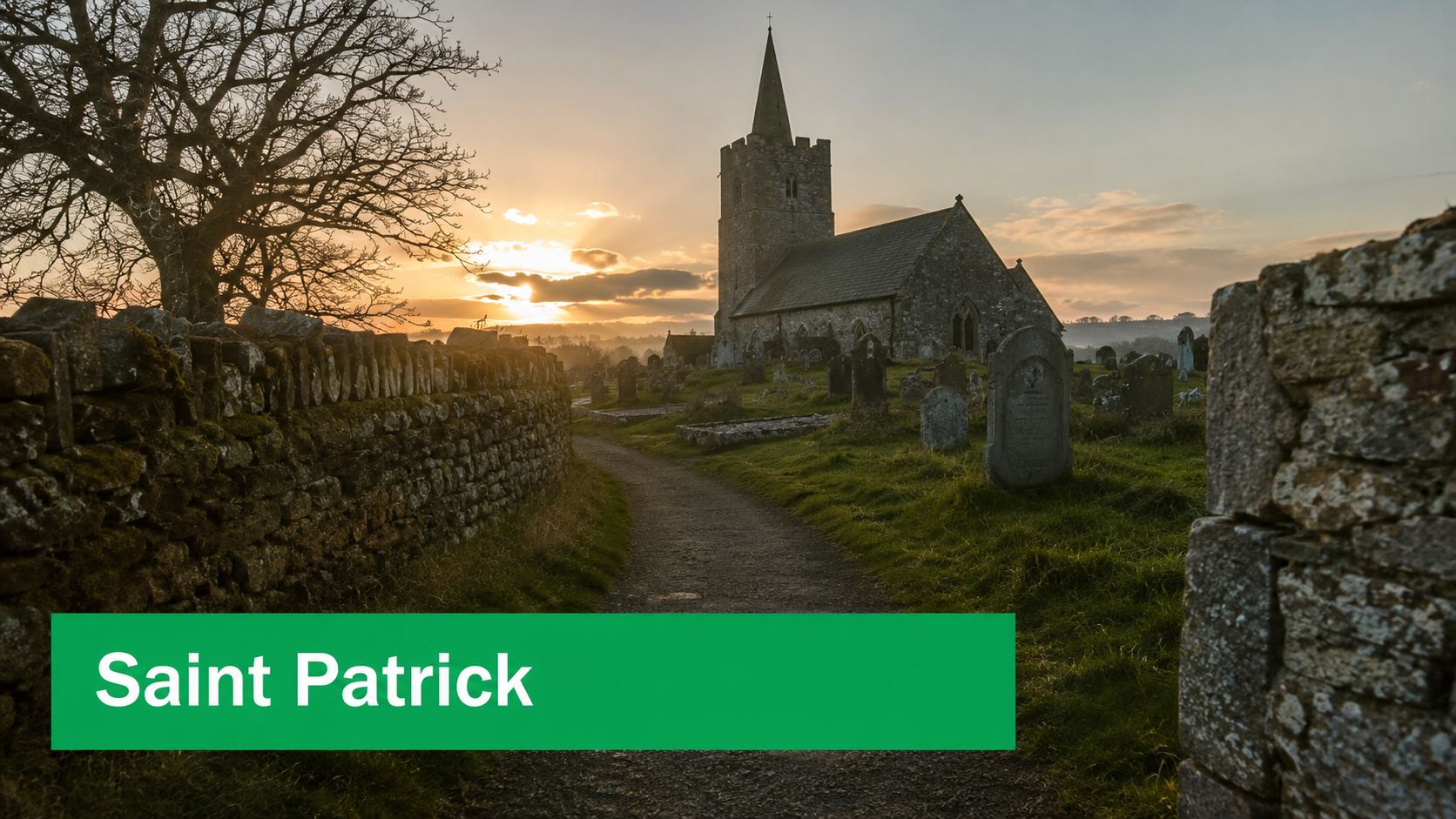
The Gaelic Border: Where Language and Identity Meet

Across Ireland’s rolling hills and misty glens lies an invisible yet powerful divide — the Gaelic border. It’s not a line you’ll find on a modern map, but rather a cultural and linguistic frontier marking where the Irish language (Gaeilge) once thrived and where English gradually took hold.
Today, the term Gaelic border symbolizes more than geography. It represents centuries of change — from ancient Celtic kingdoms to the present day — and the ongoing journey of preserving Irish identity through language, music, and tradition.

At Gaeilgeoir AI, we see the Gaelic border not as a boundary, but as a bridge — connecting learners and communities eager to rediscover their roots through Gaeilge and cultural understanding.


What Is the Gaelic Border?

Historically, the Gaelic border referred to the shifting frontier between areas that maintained Irish Gaelic culture and those increasingly influenced by Anglo-Norman or English rule.

By the late Middle Ages, this border roughly divided Gaelic Ireland — where Irish law (Brehon law), language, and customs flourished — from the English Pale, the region around Dublin under English control.

The English Pale vs. Gaelic Ireland

  • The Pale: Centered around Dublin, Meath, and Louth, governed by English law and language.
  • Beyond the Pale: Predominantly Irish-speaking regions where traditional Gaelic society thrived.

The phrase “Beyond the Pale” still survives in English, meaning something outside accepted norms — a linguistic echo of that cultural divide.

As centuries passed, the Gaelic border shifted westward, pushed by conquest, colonization, and political pressure. Yet Irish remained the dominant language in rural areas until the 19th century, and even today, its legacy endures in the Gaeltacht — regions in western Ireland where Irish is still spoken daily.


Language on the Edge: The Living Border of Gaeilge

The Gaelic border isn’t just about history; it’s about how language maps onto identity.

In places like Donegal, Mayo, Galway, and Kerry, the border between Irish-speaking and English-speaking communities isn’t rigid. It’s fluid, dynamic, and alive. A single family might switch between Gaeilge and English, depending on the setting or generation.

This phenomenon fascinates linguists and learners alike because it shows how language reflects social belonging. Speaking Irish, even just a few words, often feels like crossing a bridge into an older, deeper Ireland — one defined by connection rather than division.

If you’re curious about how Irish evolved through centuries of cultural contact, explore our Origins of the Irish Language Guide, which traces the roots of Gaeilge from ancient Celtic to modern Irish.


The Gaelic Border Through Time

Let’s journey through the key stages that defined Ireland’s Gaelic border:

1. Early Medieval Ireland (5th–12th Century)

Before English influence, Ireland was entirely Gaelic-speaking. Society was organized under tuatha (clans), guided by Irish laws and poetry. The term Gaelic border didn’t yet exist — the entire island was culturally unified.

2. The Norman Invasion (1169–1500s)

The arrival of Norman lords introduced new languages, architecture, and systems of governance. Over time, many Normans became “more Irish than the Irish themselves,” adopting local customs and even Gaeilge.

The Statutes of Kilkenny (1366) attempted to stop this cultural blending by forbidding English settlers from speaking Irish or intermarrying with the Irish. Ironically, these laws only highlighted how blurred the Gaelic border had become.

3. The Tudor and Cromwellian Conquests (1500s–1600s)

This era saw Ireland’s Gaelic system forcibly dismantled. The Gaelic border shrank westward as English replaced Irish in law, education, and trade. Yet, Irish poetry and oral storytelling preserved cultural memory, ensuring Gaeilge never disappeared completely.

4. The 19th Century: Decline and Resilience

The Great Famine (1845–1849) and subsequent emigration devastated Irish-speaking communities. By the early 20th century, the Gaeltacht represented the last stronghold of the language. The Gaelic border had transformed from a political line into a linguistic one.


The Gaelic Border Today

In modern Ireland, the Gaelic border is both symbolic and real. The Gaeltacht regions in counties like Galway, Kerry, and Donegal are recognized by the Irish government as areas where Irish remains the community language.

These regions are cultural sanctuaries — living reminders of what Ireland once was, and what it can still be. Signposts switch from “Main Street” to An Príomhshráid. Children grow up bilingual. Conversations flow in Irish not just at school, but in shops, sports, and storytelling sessions (seisiúin).

At the same time, Irish is resurging across the country and beyond. From Dublin tech offices to online learning platforms like Gaeilgeoir AI, the Gaelic border is expanding once more — this time digitally.


Crossing the Border: Learning Through Language

When you begin learning Irish, you’re crossing the Gaelic border in a personal way. You step into a living tradition that connects history, culture, and identity.

Here’s why understanding this concept deepens your language learning journey:

  1. Cultural Awareness: You learn why words carry meaning.
  2. Historical Context: You appreciate how Irish endured colonization and change.
  3. Connection: You become part of a global community keeping Gaeilge alive.

For an easy and rewarding start to your Irish journey, visit our Learn Irish Online Free Guide — packed with tips, phrases, and AI-powered tools to help you speak confidently from day one.


The Borderlands of Expression: Place Names and Identity

You can still trace the Gaelic border in Irish place names. Many towns retain bilingual signs revealing centuries of linguistic layering:

  • Baile Átha Cliath → Dublin (“Town of the Hurdled Ford”)
  • Dún Dealgan → Dundalk (“Fort of Dealgan”)
  • An Mhí → Meath (“Middle Land”)
  • Doire → Derry (“Oak Grove”)

Each name is a story in itself, bridging ancient Gaelic heritage with modern identity. Learning these names helps Irish learners connect geography with history — a crucial step in mastering both the language and its worldview.

If you enjoy uncovering the meaning behind Irish words and names, you’ll love our article on Irish Place Names, which explores how language has shaped Ireland’s landscape for centuries.


AI and the Future of the Gaelic Border

In the 21st century, the Gaelic border is being redrawn once again — not by conquest or colonization, but by technology.

Artificial Intelligence is transforming how people learn Irish. Through platforms like Gaeilgeoir AI, learners can practice pronunciation, translation, and conversation with intelligent systems that understand Gaeilge contextually.

AI tools don’t just teach words — they teach cultural nuance. By integrating Irish idioms, dialects, and regional accents, they help learners experience the full richness of the language once confined within the Gaelic border.

For more insight into how technology and tradition are merging, explore our feature on Learning Gaeilge with Technology.


Preserving the Border’s Spirit

The true beauty of the Gaelic border lies in its resilience. Despite centuries of pressure, Gaeilge never vanished. It adapted, traveled, and now thrives globally. Every learner, teacher, and speaker contributes to pushing that cultural frontier forward.

Whether you’re in Dublin, New York, or Sydney, speaking even a little Irish — Dia duit, Go raibh maith agat, Slán go fóill — helps keep the border alive.


Join the New Gaelic Revival

At Gaeilgeoir AI, our mission is to make learning Gaeilge accessible, enjoyable, and meaningful for everyone. With interactive lessons, pronunciation guides, and AI-powered feedback, you can bring Ireland’s heritage into your daily life — no matter where you are.

👉 Sign up for free today and join thousands of learners crossing the digital Gaelic border — one word, one conversation, and one cultural connection at a time.

Anglo-Irish Surnames: Origins and Evolution in Ireland

When you delve into the fascinating world of Irish names, the phrase Anglo-Irish surnames opens up a rich chapter of cultural contact, migration, assimilation and identity. The term “Anglo-Irish surname” (and variations such as Anglo-Norman names, Hiberno-Norman surnames, or English-Irish surnames) describes family names in Ireland that stem from Anglo-Norman, English or English-settler origins, but which have become part of Irish linguistic and social life. In this piece we’ll explore what Anglo-Irish surnames are, how they differ from purely Gaelic or Norman names, examples to look out for, how they evolved, and why learning about them can enrich your journey with the Irish language and culture.


What Are Anglo-Irish Surnames?

Definition and Scope

Anglo-Irish surnames refer to last names in Ireland that:

  • originated from English or Anglo-Norman settlers and their descendants;
  • were Hebronised or Gaelicised over time, or kept in English form but used by Irish families;
  • reflect the complex history of Ireland’s ruling classes, migrations and cultural blending.

In other words, an Anglo-Irish surname may have English or Norman roots but now appears firmly in the Irish surname landscape. For example, the surname Walsh is found commonly in Ireland but originally meant “Welshman” (i.e., someone from Wales) following Anglo-Norman invasion. blog.epicchq.com+3Wikipedia+3irishresearchers.com+3

Anglo-Irish vs Gaelic vs Norman

To better understand where Anglo-Irish surnames fit:

  • Gaelic surnames are those derived from native Irish language roots, often starting with Ó or Mac (e.g., Ó Neill, Mac Carthy). aletterfromireland.com+1
  • Norman (Anglo-Norman) surnames arrived after the 12th-century invasion: names with Fitz- (meaning “son of”), de-, or French origin (e.g., Fitzgibbon). Wikipedia+1
  • Anglo-Irish surnames may overlap with Norman roots but are typically associated with English or English-settler origins and later assimilation into Irish society. The term “Anglo-Irish” is also used socio-historically to describe the English-descended Protestant ruling class in Ireland. Wikipedia+1

Understanding this triangle helps you spot which names might be Anglo-Irish and how they represent linguistic and cultural blending.


Why Study Anglo‐Irish Surnames?

Cultural and Linguistic Insight

Every surname carries stories of migration, conquest, assimilation and adaptation. For learners of Irish, exploring Anglo-Irish surnames deepens your understanding of how the Irish language responded to external influences.

Genealogy and Identity

If you’re tracing family history, encountering an Anglo-Irish surname can signal English or Norman ancestry, settlement patterns or links with particular historical epochs (for example, the Plantations or Anglo-Norman noble houses).

Language‐Learning Boost

When you encounter an Anglo-Irish surname in Irish text or conversation (for instance on maps, genealogical records or place-names), recognising its background helps you decode meaning, pronunciation and variants more confidently.


Key Features of Anglo-Irish Surnames

Here are five markers to help you identify Anglo-Irish surnames:

  1. English or occupational roots: Names like Smith, Clarke or Bell may reflect English occupational origin, though they may now be common in Ireland.
  2. Prefixes like “Fitz-” or “de-”: These signal Norman/Anglo-Norman origin but may have become part of Anglo-Irish families (e.g., Fitzgibbon). Wikipedia
  3. Lack of Irish Gaelic prefix: Many Gaelic surnames begin with Ó or Mac. Anglo-Irish names often do not.
  4. Spelling or form suggesting English or Norman roots: Surnames like Burke, Bourke (from de Burgh) are examples. Wikipedia+1
  5. Place-name or social-history link: Anglo-Irish surnames may appear in English plantation records, in townland names, or their bearers may have been part of English/government-settler networks. logainm.ie

Examples of Anglo-Irish Surnames and Their Origins

Here are some real names and how they reflect Anglo-Irish origins:

SurnameOriginNotes
WalshFrom the Middle English “Welshman” brought by Anglo-Normans to Ireland. WikipediaVery common in Ireland, especially Leinster and Kilkenny.
Burke/BourkeDerived from de Burgh (Anglo-Norman) → de Búrca → Burke. Wikipedia+1Shows how Norman names were Gaelicised and then anglicised.
Fitzgibbon“son of Gibbon” – Norman French fitz (son) + Gibbon. WikipediaExample of Norman prefix becoming part of the surname.
Smith, Clarke, BellEnglish occupational surnames that appear in Ireland; may reflect English-settler families (Anglo-Irish).Useful markers for English origin rather than Gaelic.
Walsh of CarrickminesA specific family associated with Anglo-Norman roots and Irish branches. WikipediaHighlights how names can localise and integrate into Irish society.

These examples show that “Anglo-Irish surname” doesn’t always mean purely English—it often means hybrid: English/Norman roots + Irish usage.


How Anglo-Irish Surnames Were Gaelicised and Adapted

The transformation of Anglo-Irish surnames often involved:

  • Translation or adaptation into Irish spelling and sounds (e.g., de Burghde Búrca). Wikipedia
  • Adoption of Gaelic prefixes (Ó, Mac) in some cases or remaining without Gaelic prefix but used in Irish contexts.
  • Integration into Irish social structures (landholding, clans, local families), blending settler families into Irish speech communities.
  • Changes in spelling over time: English versions, Irish versions, and hybrid forms emerging.
  • Placement in town-names or land-records reflecting English settlement or Norman/Plantation legacy. logainm.ie

For learners of Irish this means that when you encounter a surname like Burke in an Irish text, you might also see de Búrca or Búrc — recognising those variants helps comprehension and research.


Using This Knowledge in Your Irish-Learning Journey

Recognising Names in Irish Texts

When reading Irish language materials, you’ll often see surnames that:

  • Look English but appear in Irish-language sentences.
  • Have forms in parentheses or in Irish spelling.
  • Appear in genealogical or place-name contexts.

By knowing about Anglo-Irish surnames, you’ll decode these more easily.

Practice Tasks

  • Pick five surnames from your family tree or from a list of Irish surnames. Research whether they are Gaelic, Norman or Anglo-Irish.
  • Write sentences in Irish using an Anglo-Irish surname: “Is mise Seán Walsh ón gContae Chill Dá­Chaoil.”
  • Explore how the surname would appear in Irish-language sources.

Explore Further with Gaeilgeoir AI

To build on your research and language practice, consider heading to our Learn Irish Online Free Guide where we provide vocabulary tips, cultural insights and practice modules. Understanding surnames like the Anglo-Irish ones adds depth to your overall language learning.


Why This Matters for Irish Heritage & Identity

The story of Anglo-Irish surnames is more than names—it’s about how people moved, adapted, melded cultures, and how language followed. For modern learners:

  • It broadens your understanding of Irish-language diversity.
  • It reminds you that the Irish language has never been isolated—it’s always interacted with English, Norman French and other influences.
  • It helps you connect more deeply with genealogical and cultural roots if you have Irish ancestry.

In short, knowing about Anglo-Irish surnames enriches your appreciation of Irish—its past and its living present.


Summary & Takeaway

  • Anglo-Irish surnames are names of English/Norman origin used by families in Ireland, often adapted into Irish or used by Irish-speaking families.
  • They differ from purely Gaelic names or purely Norman names by their English-settler or English-influenced origin and their integration into Irish society.
  • Key features include English occupational names, “Fitz-” or “de-” prefixes, non-Gaelic prefixes, and name evolution over centuries.
  • Examples like Walsh, Burke, Bourke, Fitzgibbon illustrate the variety and complexity.
  • For the Irish learner, recognising these names helps when reading Irish texts, exploring heritage and understanding language variation.

By bringing Anglo-Irish surnames into your study, you add a dimension of history and culture that makes your language-learning journey even richer.


Ready to dive deeper into Irish language and heritage? Join the community of learners at Gaeilgeoir AI and explore our interactive lessons, cultural modules and practice tools. Sign up today at learn.gaeilgeoir.ai and let your journey into Irish names, words and traditions begin!

The Irish Seisiún: Heartbeat of Gaelic Culture

There’s a special kind of magic that happens when an Irish seisiún begins. A fiddle strikes the first note, a bodhrán softly joins, and soon the entire pub seems to sway in rhythm with centuries of tradition. The seisiún — pronounced “seh-shoon” — is more than a casual music gathering; it’s a living expression of Ireland’s cultural identity, where language, song, and friendship merge in harmony.

For learners of Irish or anyone exploring Gaelic heritage, understanding the meaning and spirit of an Irish seisiún opens a window into Ireland’s soul. It’s here, amid laughter, storytelling, and the melodic flow of Gaeilge, that the living pulse of Irish culture beats strongest.


What Is an Irish Seisiún?

An Irish seisiún (also written session) is an informal gathering of musicians — often in pubs, community halls, or even by the fireside — to play traditional Irish music. Unlike a staged performance, a seisiún is communal and spontaneous.

The word seisiún itself comes from the Irish for “a sitting” or “a session,” reflecting how musicians sit together to share tunes and stories. Everyone is welcome: from the seasoned fiddler to the curious listener who simply wants to tap their foot and soak in the energy.

Typical instruments include:

  • Fiddle (fidil)
  • Tin whistle (feadóg stáin)
  • Uilleann pipes
  • Bodhrán (Irish drum)
  • Flute (fliúit)
  • Accordion (bosca ceoil)
  • Harp (cruit)
  • Guitar and bouzouki

But what truly defines an Irish seisiún isn’t just the instruments — it’s the atmosphere of camaraderie and creativity. Each player listens, joins in, and builds on what others bring, weaving a musical conversation that feels as natural as speech.


The Origins of the Irish Seisiún

Though the Irish seisiún feels timeless, it took shape over centuries. Traditional Irish music — or ceol traidisiúnta na hÉireann — predates modern instruments and written notation. For generations, tunes were passed down orally, taught by ear at local gatherings or family homes.

The Roots in Irish Oral Tradition

Before written history, the filí (poet-musicians) of ancient Ireland preserved myths, genealogies, and wisdom through verse and song. Over time, this oral tradition evolved into communal storytelling and music-making — the ancestors of today’s seisiúin.

In the 18th and 19th centuries, music became a vital way to maintain Irish identity during colonization and hardship. The Irish seisiún, often held discreetly in homes or local pubs, kept the Gaelic language and culture alive when official institutions tried to suppress them.

By the 20th century, seisiúin had become beloved fixtures of Irish life — and now, you can find them anywhere from rural Clare to cities like New York, Melbourne, or Buenos Aires. The Irish diaspora brought the seisiún spirit worldwide, ensuring the tunes never stopped.


Language and Music: The Gaelic Connection

The Irish seisiún is more than music — it’s a place where the Irish language (an Ghaeilge) naturally flourishes. Many traditional songs are sung as Gaeilge, and even when the tunes are instrumental, the spoken exchanges between musicians often include Irish words or phrases.

You might hear expressions like:

  • Go maith thú! — Well done!
  • Ar mhaith leat páirt a ghlacadh? — Would you like to join in?
  • Sláinte! — Cheers!

Each word carries centuries of cultural depth. When you join an Irish seisiún, you’re not just listening — you’re participating in a living classroom of language and tradition.

If you’d like to deepen your connection to Gaeilge while enjoying Irish culture, explore our Irish Language Lessons for Beginners. Gaeilgeoir AI’s tools make learning conversational Irish fun and immersive — perfect for picking up the words you’ll actually hear in a seisiún.


The Structure of a Seisiún: How It Flows

While no two seisiúin are alike, there’s a rhythm and etiquette that experienced players understand.

Here’s what typically happens during an Irish seisiún:

1. The Warm-Up

A few musicians start playing quietly, testing tunes and setting the mood. Others gradually join in, tuning instruments or ordering a pint.

2. The First Set

The first full tune — often a reel, jig, or hornpipe — kicks off the energy. Musicians nod to each other as they choose which tune to follow, often blending three or four in sequence.

3. Conversation Between Tunes

There’s laughter, storytelling, and sometimes Irish phrases exchanged. Someone might say, “An chéad cheann eile?” (“The next one?”) before launching into another melody.

4. The Singing Segment

A singer may be invited to share a sean-nós song — the ancient unaccompanied singing style native to Irish tradition. It’s a moment of reverence where silence fills the room, followed by soft applause.

5. Closing Tunes

As the night deepens, familiar tunes resurface. Even those who don’t play may join in by clapping or singing a chorus. The seisiún ends with gratitude and a promise to return — go dtí an chéad uair eile (“until the next time”).


The Irish Seisiún and Cultural Identity

For centuries, the Irish seisiún has symbolized resistance, community, and pride. During times when speaking Irish was discouraged, the seisiún offered a safe space for expression — where both music and language could survive.

Today, it continues to unite people of all generations and backgrounds. Whether you’re in a small Galway pub or a festival in Boston, the seisiún reminds everyone of what it means to be part of Ireland’s global story.

The tradition also inspires other Celtic nations — like Scotland, Wales, and Cornwall — where communal music sessions share similar spirit and structure.

To explore how Ireland’s Celtic roots intertwine with other Gaelic traditions, read our Ancient Irish Language Guide, which uncovers how these languages share ancient linguistic DNA.


Learning Irish Through Music

For language learners, music can be a powerful tool. The rhythm, melody, and repetition of songs make vocabulary easier to remember. Here’s how an Irish seisiún can boost your Gaeilge learning journey:

  • Improve pronunciation: Singing Irish lyrics helps internalize vowel sounds and rhythm.
  • Expand vocabulary: Many songs describe nature, love, and community life — core themes in Irish culture.
  • Cultural context: Words make more sense when you understand their emotional and historical background.
  • Community learning: Joining a local seisiún gives you real-world opportunities to practice speaking Irish.

Gaeilgeoir AI combines these benefits with smart technology — offering pronunciation feedback, song-based vocabulary lessons, and listening comprehension tools. You can even practice speaking as Gaeilge with AI-powered conversation partners who understand Irish phrases, dialects, and idioms.


Modern Seisiúin: Tradition Meets Innovation

Today, Irish seisiúin thrive both offline and online. Communities around the world host hybrid or virtual sessions, allowing Irish music lovers to connect globally. Websites like Comhaltas Ceoltóirí Éireann — Ireland’s largest cultural organization — promote seisiúin, workshops, and traditional festivals.

Technology now helps preserve and teach the Irish language just as musicians preserve tunes. AI platforms like Gaeilgeoir AI merge tradition with innovation, ensuring that learners can experience Ireland’s linguistic and musical heritage no matter where they are.


Join the Seisiún Spirit

An Irish seisiún is more than a night of music — it’s a meeting of hearts, a revival of memory, and an invitation to belong. Whether you’re tapping your foot, playing a tune, or whispering a few Irish words, you’re part of a continuum that stretches back thousands of years.

At Gaeilgeoir AI, we celebrate that same continuity. Through smart, immersive learning tools, we help you bring Gaeilge into your daily rhythm — just like the melodies of a seisiún flow naturally through Irish life.

👉 Join our global community of Irish language learners today and keep the spirit of Irish music and language alive in your own voice.

Understanding Éire go Brách: Meaning & Usage

Few Irish phrases carry as much pride and emotion as Éire go Brách. Translating to “Ireland forever”, this phrase symbolizes love of country, cultural heritage, and the endurance of the Irish spirit. You’ll hear Éire go Brách spoken at festivals, sung in ballads, and printed on flags around the world.

But beyond its patriotic flair, Éire go Brách also offers Irish learners a fascinating look at grammar, pronunciation, and cultural nuance. In this article, you’ll discover what Éire go Brách really means, how to say it properly, and how to make it part of your Irish-learning journey.


The Meaning and Origins of Éire go Brách

Literal Translation

The phrase breaks down simply:

  • Éire – “Ireland”
  • go brách – “forever” or “until the end of time”

Put together, Éire go Brách means “Ireland forever.”

It’s both a patriotic declaration and a timeless blessing. The phrase has long been used to express devotion to Ireland, whether spoken by locals, members of the Irish diaspora, or learners embracing the language for the first time.

Historical Context

Éire go Brách dates back centuries, appearing on banners during Ireland’s struggle for independence and in songs celebrating Irish pride. Over time, it became a universal expression of enduring connection to the island and its culture.

For many, saying Éire go Brách is a statement of identity — a way of honoring heritage while keeping the Irish language alive.


How to Pronounce Éire go Brách

If you’re new to Irish pronunciation, this phrase is a great place to start:

  • Éire sounds like “AY-reh.”
  • go brách sounds like “guh brawkh”, with a soft, guttural “kh” at the end (similar to the “ch” in the German Bach).

Put it together: AY-reh guh brawkh.

A useful pronunciation tip: when you say “brách,” open your throat slightly at the end to create the authentic Irish sound. Don’t stress about getting it perfect — with practice and listening to native speakers, it will feel natural.

If you’d like help mastering Irish sounds and fadas (accent marks), check out our Fada Keyboard Shortcut Guide for simple typing and pronunciation tips.


Variants and Spellings

Like many Irish expressions, Éire go Brách appears in a few variations:

  • Éire go Brách – Modern standard spelling.
  • Éirinn go Brách – An older or dialectal form still used in traditional songs.
  • Erin go Bragh – The anglicized version often seen abroad.

While “Erin go Bragh” is widely recognized, learners of Irish should aim to use the Irish spelling, Éire go Brách, to stay true to the language.


How to Use Éire go Brách in Everyday Irish

As a Standalone Expression

It can be used simply on its own — a spirited phrase of pride:

Éire go Brách!
“Ireland forever!”

You might see it used during St. Patrick’s Day celebrations, on flags, or even as a toast at gatherings.

In a Sentence

Here are a few ways to use Éire go Brách naturally:

  • Tá mo chroí le Éire go Brách. — “My heart is with Ireland forever.”
  • Beidh muid bródúil as ár dtír – Éire go Brách! — “We’ll be proud of our country – Ireland forever!”
  • Éire go Brách agus gach dea-ghuí daoibh! — “Ireland forever and best wishes to you all!”

In Creative Writing or Speech

You can also weave Éire go Brách into poems, essays, or songs when expressing emotion or national pride. Because it has such cultural weight, it fits perfectly in both formal and heartfelt contexts.


Grammar and Vocabulary Insight

For Irish learners, Éire go Brách is a great mini-lesson in prepositions and nouns.

  • go means “until” or “to.”
  • brách means “eternity” or “forever.”

Together, they form a prepositional phrase meaning “forevermore.” You’ll see similar patterns in other expressions like go deo (“forever”) or go deo na ndeor (“forever and ever”).

This structure is simple but elegant — a perfect example of how Irish phrases carry deep meaning through compact language.


Cultural and Symbolic Significance

Beyond its linguistic beauty, Éire go Brách is a phrase of belonging. It connects Irish speakers and learners around the world through a shared sense of pride.

  • National Symbol: It has appeared on flags, coins, and crests.
  • Diaspora Identity: Irish communities abroad often use Éire go Brách to celebrate their roots.
  • Cultural Continuity: It reminds speakers that learning and preserving the Irish language keeps the spirit of Ireland alive.

When you say Éire go Brách, you’re not only speaking Irish — you’re joining a centuries-long conversation about resilience and pride.


Learning Activity: Practice with Éire go Brách

Here’s a short exercise you can try today:

  1. Write three sentences using Éire go Brách.
  2. Record yourself saying the phrase aloud to practice pronunciation.
  3. Share the phrase with a friend or family member — and explain what it means.
  4. Add it to your Irish learning journal under “Cultural Expressions.”

You can also create flashcards to memorize similar patriotic or emotional Irish phrases.

To strengthen your vocabulary around expressions like this, try our Irish Language Lessons for Beginners — they’re designed to build your confidence step by step.


Common Mistakes to Avoid

  1. Skipping the fadas – Always write Éire go Brách, not Eire go Brach.
  2. Mispronouncing “brách” – Remember the throat sound (“kh”), not “brack.”
  3. Using it too casually – It’s best used with pride or sincerity, not as filler conversation.
  4. Confusing it with English – Avoid “Erin go Bragh” in Irish-language contexts; use the Irish spelling.

These small details help keep your Irish authentic and respectful of its roots.


Why Éire go Brách Is Perfect for Learners

  • It’s Short and Memorable: Easy to pronounce and remember.
  • Culturally Powerful: It teaches you both language and history.
  • Emotionally Resonant: Phrases like this remind you why you’re learning Irish — to connect deeply with culture and identity.

At Gaeilgeoir AI, we believe learning phrases that mean something keeps motivation strong. When you feel the emotion behind a word, you remember it for life.


Ready to Learn More Irish Phrases?

If you’re inspired by Éire go Brách and want to continue your Irish journey, there’s no better place to start than Gaeilgeoir AI’s learning platform.

Our AI-powered lessons adapt to your level, helping you master Irish pronunciation, vocabulary, and grammar through interactive practice. You can explore cultural expressions, idioms, and greetings in a fun, natural way.

👉 Start your free trial today: learn.gaeilgeoir.ai


Éire go Brách – Ireland Forever, Language Always

The phrase Éire go Brách stands as a timeless expression of Ireland’s beauty, endurance, and spirit. It’s more than just words — it’s a feeling, a declaration, and a bridge connecting learners to heritage.

Whether you use it as a toast, a mantra, or part of your study routine, let Éire go Brách remind you that every phrase you learn carries the soul of a nation.

So say it proudly:

Éire go Brách!
Ireland forever — and may your Irish learning journey last just as long.

Puisín: The Irish Word for Kitten and a Term of Endearment

The Irish word puisín (pronounced pusheen) is a delightful example of how the Irish language captures tenderness, humor, and cultural charm in a single word. Literally meaning “kitten” or “little cat,” puisín is used affectionately for animals and even people — much like “sweetie” or “darling” in English.

But puisín is more than a cute word; it’s a window into Irish culture, where language, affection, and playfulness go hand in hand. In this article, we’ll explore the origins and meanings of puisín, how it’s used in conversation and literature, and how learning Irish words like this one can enrich your understanding of Ireland’s linguistic heart.

Whether you’re an Irish learner, a cat lover, or simply curious about the poetic side of Gaeilge, puisín will warm your heart.


The Meaning of Puisín in Irish

In its most basic sense, puisín means “kitten”. It’s the diminutive form of cat (pronounced “cot”), meaning that puisín literally translates to “little cat.”

Examples in Irish Sentences:

  • Tá an puisín ina chodladh. – “The kitten is sleeping.”
  • Is maith liom mo phuisín nua. – “I like my new kitten.”
  • Cén dath atá ar an bpuisín? – “What color is the kitten?”

The diminutive suffix -ín in Irish adds a sense of smallness or affection — like “-ie” or “-y” in English (dog → doggy, cat → kitty). This feature is one of the many ways Irish conveys warmth and emotional nuance.


Puisín as a Term of Endearment

Just as a stór (“my treasure”) or a chroí (“my heart”) express affection, a phuisín can be used as a pet name for someone you love. Irish has a long tradition of using animal words affectionately — think of a bhuachaillín (“little boy”) or a rúnsearc (“secret love”).

Calling someone a phuisín might be similar to saying “sweetheart” or “cutie” in English. It’s soft, intimate, and playful — the kind of nickname that would melt hearts in both poetry and daily life.

You can find more romantic and affectionate Irish expressions in our Irish Gaelic Terms of Endearment Guide.


The Linguistic Roots of Puisín

The word puisín likely comes from the French poussin, meaning “chick” or “young bird.” Through centuries of cultural contact between Ireland and mainland Europe, especially during medieval times, many such words found their way into Irish.

Interestingly, poussin in modern French still means “chick” or “little one,” showing the shared linguistic affection that Europeans express toward small animals and loved ones.

In Irish, the word evolved to refer to a kitten, not a chick — but the emotional meaning stayed consistent: something small, adorable, and loved.


Puisín in Irish Culture and Modern Media

If the pronunciation puisín sounds familiar, that’s because it gained global fame through the animated internet cat Pusheen — whose name actually derives from the Irish word! The creators of the character confirmed that “Pusheen” came from puisín, reflecting the cute, cuddly energy the word embodies.

So every time someone shares a Pusheen GIF, they’re (unknowingly) sharing a little piece of Irish linguistic heritage!

Beyond pop culture, puisín often appears in Irish children’s rhymes, songs, and poems. It’s the kind of word that shows up in bedtime stories, lullabies, and gentle scoldings alike — a term loaded with affection and warmth.


Examples of Puisín in Everyday Irish

Irish speakers use puisín in both literal and figurative ways. Here are a few examples that reveal its range of meaning:

Irish PhraseEnglish TranslationMeaning / Context
A phuisín!“Oh, kitten!”Used affectionately for a loved one.
Tá an puisín ar an mbord.“The kitten is on the table.”Literal use.
Codladh sámh, a phuisín beag.“Sleep well, little kitten.”Common in children’s speech.
Mar a dúirt mo phuisín…“As my little one said…”Figurative, expressing fondness.

The affectionate use of puisín makes it one of those words that Irish learners love to practice — simple to say, rich in emotion, and full of cultural charm.


How Puisín Reflects the Irish Way of Speaking

The Irish language is famous for its expressiveness and emotional depth. Words like puisín reveal a worldview rooted in care, humor, and connection.

Irish often uses diminutives (-ín, -óg, -eog) to soften or endear — for example:

  • leanbhleanbhín (little child)
  • madramadraín (puppy or small dog)
  • puisínpuisín beag (tiny kitten)

These endings not only make speech sound musical but also convey affection. The Irish way of speaking often wraps emotion into grammar itself — a beautiful reminder of how language reflects mindset.


Learning Words Like Puisín with Gaeilgeoir AI

Mastering Irish pronunciation and word patterns can seem tricky at first — especially when you encounter soft consonants, lenition, or slender vowels. That’s where AI-powered learning comes in.

Gaeilgeoir AI uses intelligent speech recognition, contextual lessons, and grammar explanations to help learners sound natural in Irish. Words like puisín become easier to pronounce, remember, and use in real sentences.

Here’s how Gaeilgeoir AI makes learning enjoyable:

  1. 🎧 AI pronunciation coach – Get real-time feedback on your accent and stress patterns.
  2. 📚 Context-based lessons – Learn words like puisín in natural conversation.
  3. 💬 Interactive dialogues – Practice speaking Irish aloud with virtual tutors.
  4. 🌍 Cultural notes – Understand how and when to use affectionate terms authentically.

You can try the platform for free at learn.gaeilgeoir.ai and start exploring Irish the fun, intuitive way.


The Role of Animals in the Irish Language

The Irish language often draws from the natural world to express feelings and character. Animals appear frequently in proverbs (seanfhocail), blessings, and nicknames.

For example:

  • Is maith an madra maith é. – “He’s a good dog.” (Used metaphorically to mean a loyal person.)
  • Tá sé chomh ciúin le cat. – “He’s as quiet as a cat.”
  • A stór mo chroí, a phuisín álainn. – “Treasure of my heart, my beautiful kitten.”

Animals like cats, dogs, and birds hold a special place in Irish sayings because they were central to daily rural life — but they also mirror human traits like cleverness, independence, and warmth.

If you enjoy exploring how Irish idioms express life and character, you’ll love our Irish Idioms Language Learning Guide.


Puisín and Irish Diminutives: A Linguistic Hug

The beauty of puisín lies in its structure. That little -ín ending acts like a linguistic hug — softening the meaning and infusing it with affection. It’s one of the features that make Irish such a feeling language.

Here are a few more examples of how Irish uses diminutives:

  • Brógbróigín (little shoe)
  • Teachtigín (small house or cottage)
  • Cailín (from caile) → “little girl” – one of the most famous diminutives in Irish!

Understanding diminutives can help you recognize patterns and build vocabulary quickly — something Gaeilgeoir AI’s intelligent flashcards are designed to help with.


Puisín in Irish Proverbs and Sayings

While puisín doesn’t feature heavily in historical proverbs, cats do appear symbolically in Irish lore. They’re often associated with independence, mystery, and intelligence — qualities that Irish storytellers admired.

An old saying goes:

Ní bhíonn saoi gan locht, ná cat gan phúir.
“There’s no wise person without a fault, nor a cat without a purr.”

It’s a gentle reminder that perfection doesn’t exist — only character and warmth, just like a purring puisín.


The Joy of Learning Words Like Puisín

Learning Irish is more than memorizing grammar — it’s about discovering a worldview. Words like puisín show that Irish doesn’t separate intellect from emotion; it teaches you to see the world through tenderness and humor.

When you learn a word like puisín, you’re not just learning “kitten.” You’re learning how Irish speakers express love, playfulness, and comfort — whether talking about pets or people.


Start Speaking Irish Naturally — A Phuisín!

If this word made you smile, imagine learning hundreds more that capture Irish warmth, wit, and rhythm. With Gaeilgeoir AI, you can immerse yourself in the living beauty of the Irish language — guided by smart tools that make learning effortless.

Whether you’re a beginner or brushing up on your Gaeilge, you’ll find that every word, like puisín, connects you to a world of culture and expression.

👉 Start your free Irish learning journey today at learn.gaeilgeoir.ai and find your own rhythm in this lyrical language.


Conclusion: A Word That Purrs with Heart

The Irish word puisín may be small, but it carries centuries of warmth, culture, and charm. It reflects the poetic soul of Irish — a language where even a simple word for “kitten” can express affection, comfort, and joy.

So next time you meet a cat, or someone who deserves a smile, remember a phuisín! — a word that embodies everything soft and loving about the Irish spirit.

Sionnach: Unpacking the Irish Word for “Fox”

When you begin exploring Irish vocabulary, the word sionnach stands out as a vibrant, evocative term meaning “fox.” The word sionnach, along with its plural and idiomatic uses, offers a great entry point into the nuances of Irish language and culture. In this post we’ll look at the meaning of sionnach, how to pronounce it, how it’s used in sentences and idioms, and how you can practice using sionnach and related vocabulary in your learning journey with Gaeilgeoir AI.


What Does Sionnach Mean?

Basic definition

According to the Foclóir Gaeilge–Béarla (Ó Dónaill), sionnach (masculine noun) means “fox.” teanglann.ie+1
It also appears in idiomatic expressions: for example chomh glic le sionnach meaning “as cunning as a fox.” teanglann.ie+1

Variations & related terms

  • Plural: sionnaigh (foxes) teanglann.ie
  • Other term for fox in Irish: madra rua (“red dog”) used regionally. IrishLanguage.ie
  • Derived surnames: e.g., Ó Sionnaigh (“descendant of Fox”). Wikipedia+1

Why it’s valuable for learners

Learning sionnach helps you recognize:

  • A common noun in Irish wildlife vocabulary.
  • A motif in folktales and idioms (because the fox features in Irish folklore).
  • A root for surnames and place-names (which expands your cultural awareness).
    It’s not just about “fox” — it’s about building a richer connection to the language.

Pronunciation Guide & Spelling Tips

How to pronounce sionnach

  • Irish: s-i-o-n-n-a-c-h
  • Approximate pronunciation: “SHUN-nukh” (the “ch” at end is the guttural /x/ sound) Bitesize Irish+1

Spelling notes

  • The word is spelled sionnach in standard Irish.
  • Make sure to include the double “n” and the “ch” ending — sionnach, not sionach or sionnagh.
  • When typing, if you use Irish keyboard or special characters, check resources like the Fada Keyboard Shortcut Guide for other accents and characters.

Regional variants

As noted, in some dialects madra rua is used instead of sionnach, especially in Munster regions. IrishLanguage.ie+1 Knowing both helps you understand dialectal variation.


How to Use Sionnach in Sentences

Basic examples

Here are common ways to use sionnach:

  • Chonaic mé sionnach sa pháirc. — “I saw a fox in the park.”
  • Tá dhá sionnaigh ag rothaíocht faoin spéir. — “Two foxes are running under the sky.”
  • Bhí sé chomh glic le sionnach. — “He was as cunning as a fox.”

Breaking it down

  • “chonaic” = “saw”
  • “mé” = “me/I”
  • “sa pháirc” = “in the park”
  • Plural: “sionnaigh” = “foxes”

Practice list

Use these to build confidence:

  1. Scríobh ceist le sionnach. — Write a question with “fox”.
  2. Úsáid sionnaigh i bhfocail nua. — Use “foxes” in new words.
  3. Léigh seanfhocal nó seanfhocail ina bhfuil sionnach. — Read an old saying that features “fox”. (Tip: check our Irish Idioms Language Learning Guide for idioms.)

Idioms, Culture & Folklore with Sionnach

Idiom: Chomh glic le sionnach

This popular Irish phrase means “as cunning as a fox.” It illustrates how sionnach is used metaphorically to describe cleverness or craftiness. teanglann.ie+1

Folklore & symbolism

  • The fox has a strong presence in Irish folklore; it is often portrayed as clever, elusive, and winding. roaringwaterjournal.com
  • Place-names and surnames: For instance, “Ó Sionnaigh” (anglicised O’Fox or O’Shanagh) originates from a nickname “An Sionnach” meaning “the fox”. Wikipedia

Why this matters for learners

By understanding the idioms and cultural uses of sionnach, you gain more than vocabulary—you gain cultural literacy. It helps you recognise the word when you see it in literature, names, or folklore references.


Learning Tips and Integration into Your Study Routine

Flashcard set

  • Front: sionnach → Back: “fox”
  • Add: sionnaigh → “foxes”
  • Add an example sentence using the word.

Mini-challenge

  • Write a short paragraph (3-4 lines) using sionnach and at least one related adjective (e.g., “glic” = clever).
  • Example: “Bhí an sionnach ag léim thar álainn faoi ghrian. Bhí sé chomh glic le sionnach i gcónaí.”

Use internal links & extend vocabulary

Real-world spotting

  • Next time you’re outdoors in Ireland or reading local folklore, look out for sionnach in place-names, stories, or nature walks.
  • Think of: Loch Sionnaigh (“Lake of the Fox”) as a place-name example.

Reflect

At week’s end, ask: Did I use “sionnach” in speech or writing? Did I recognize it when reading or hearing Irish?


Common Mistakes & How to Avoid Them

  • Spelling mistakes: Writing sionnch, sionnoch, or forgetting double “n” can throw you off—stick with sionnach.
  • Pronunciation trap: Avoid saying “SEE-oh-nack” like English; use “SHUN-nukh”.
  • Meaning misuse: Don’t use sionnach for “dog” or “wolf”; it means “fox.” (Though “red fox” may appear as madra rua.) IrishLanguage.ie
  • Ignoring plural: Plural is sionnaigh, not sionnachs or English plural form.
    By being aware of these, you’ll use the word accurately and confidently.

Expanding from Sionnach to Broader Vocabulary

Once you’ve mastered sionnach, you can build related words and topics:

  • madra rua – literally “red dog”, alternative word for “fox”. IrishLanguage.ie
  • fiachal – “hunt” (fox-hunt, etc.)
  • seanfhocal with sionnach – e.g., ní ghlóir le sionnach ina bhroinn (“no glory for a fox in its belly”) [note: example for illustration].
    • Feature in place-names: Oileán na Sionnaigh (“Island of the Foxes”) Wikipedia
  • sionnaigh (plural of sionnach)
    Exploring these expands your wildlife vocabulary and cultural references.

Bringing Sionnach into Your Irish-Learning Journey

Weekly goal

This week: Use the word sionnach in five different contexts—conversation, writing, reading, listening, and observation.

Buddy activity

If you have a study partner: Ask, “An bhfaca tú sionnach riamh?” (“Have you ever seen a fox?”) and describe what you’d say about it in Irish.

Reflection prompt

At the end of the week, write:

Cad a chiallaíonn “sionnach” domsa anois? — “What does ‘sionnach’ mean to me now?”
Consider whether you feel more confident using it and spotting it in texts.


Conclusion: Let Sionnach Become Part of Your Irish Vocabulary

In your journey of learning Irish, the word sionnach offers a colourful and culturally rich addition to your vocabulary. It ties language to nature, folklore, idioms and place-names. By mastering sionnach, you’re doing more than memorising a word—you’re opening a doorway into the Irish world of stories, tradition, and speech.

So say it aloud: sionnach, sionnaigh, chomh glic le sionnach. Use it, hear it, and see it. And if you’d like to keep building your Irish vocabulary and skills, join our platform at learn.gaeilgeoir.ai for interactive lessons that will help you use words like sionnach in real conversation. Go n-éirí le tú!

Start Speaking Irish Today — 25% Off
Use code START25

Learn real Irish for real life with guided practice, pronunciation support, and everyday conversations.

Get 25% off any plan with code START25

Start Speaking Irish Today — 25% Off