The Irish Hurley: A Symbol of Ireland’s Ancient Spirit

When most people think of Ireland, they imagine emerald landscapes, Celtic knots, or the haunting sound of traditional music. But few objects carry as much history and symbolism as the Irish hurley — known in Irish as the camán. Crafted from ash wood and used in the ancient sport of hurling, the hurley is far more than just a sporting tool. It’s a living emblem of Irish resilience, craftsmanship, and cultural identity.

The Irish hurley has deep roots in mythology, folklore, and national pride. Its story stretches from ancient Celtic times to modern pitches across Ireland and beyond, reflecting how language, sport, and tradition intertwine in Irish life.


The Origins of the Irish Hurley: From Myth to History

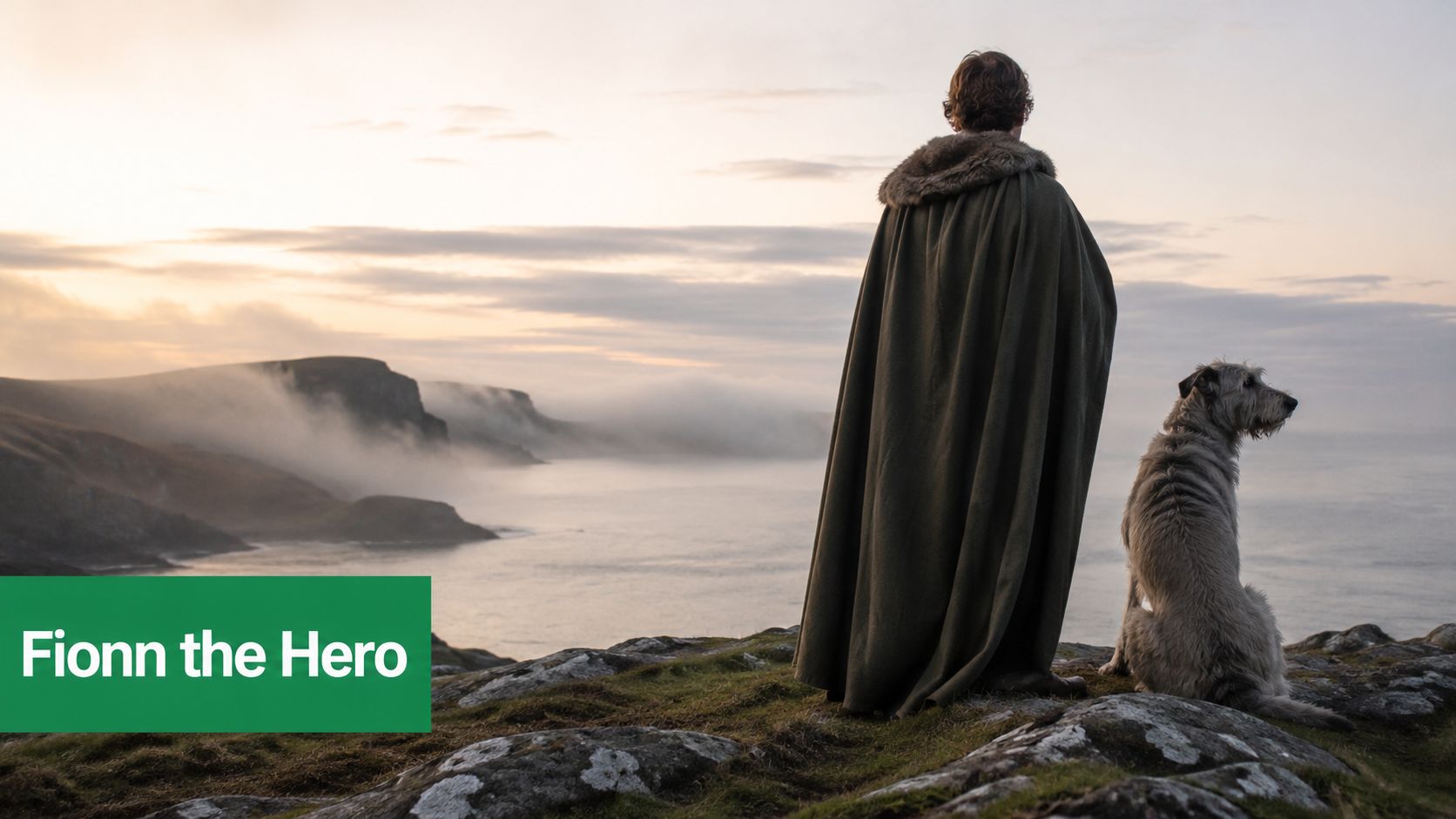
Hurling (iománaíocht in Irish) is believed to be over 3,000 years old, making it one of the world’s oldest field sports. The game’s earliest reference comes from Irish mythology — particularly the Ulster Cycle, where legendary figures like Cú Chulainn wielded a hurley as both a weapon and a symbol of bravery.

In these ancient tales, young warriors were trained in cluiche iomána, the early version of hurling, to build strength, skill, and courage. Cú Chulainn, the heroic defender of Ulster, famously used his hurley and sliotar (ball) to defeat enemies, symbolizing agility, honor, and intellect — qualities still celebrated in Irish culture today.

By the early medieval period, hurling had become a community pastime across Ireland. Despite efforts by colonial powers to suppress it — the sport was even banned under the Statutes of Kilkenny in 1366 — it survived, passing from one generation to the next. The Irish hurley itself became a quiet act of resistance, carved by hand and played in defiance of those who sought to erase Gaelic identity.


Crafting the Hurley: The Art of the Ash Stick

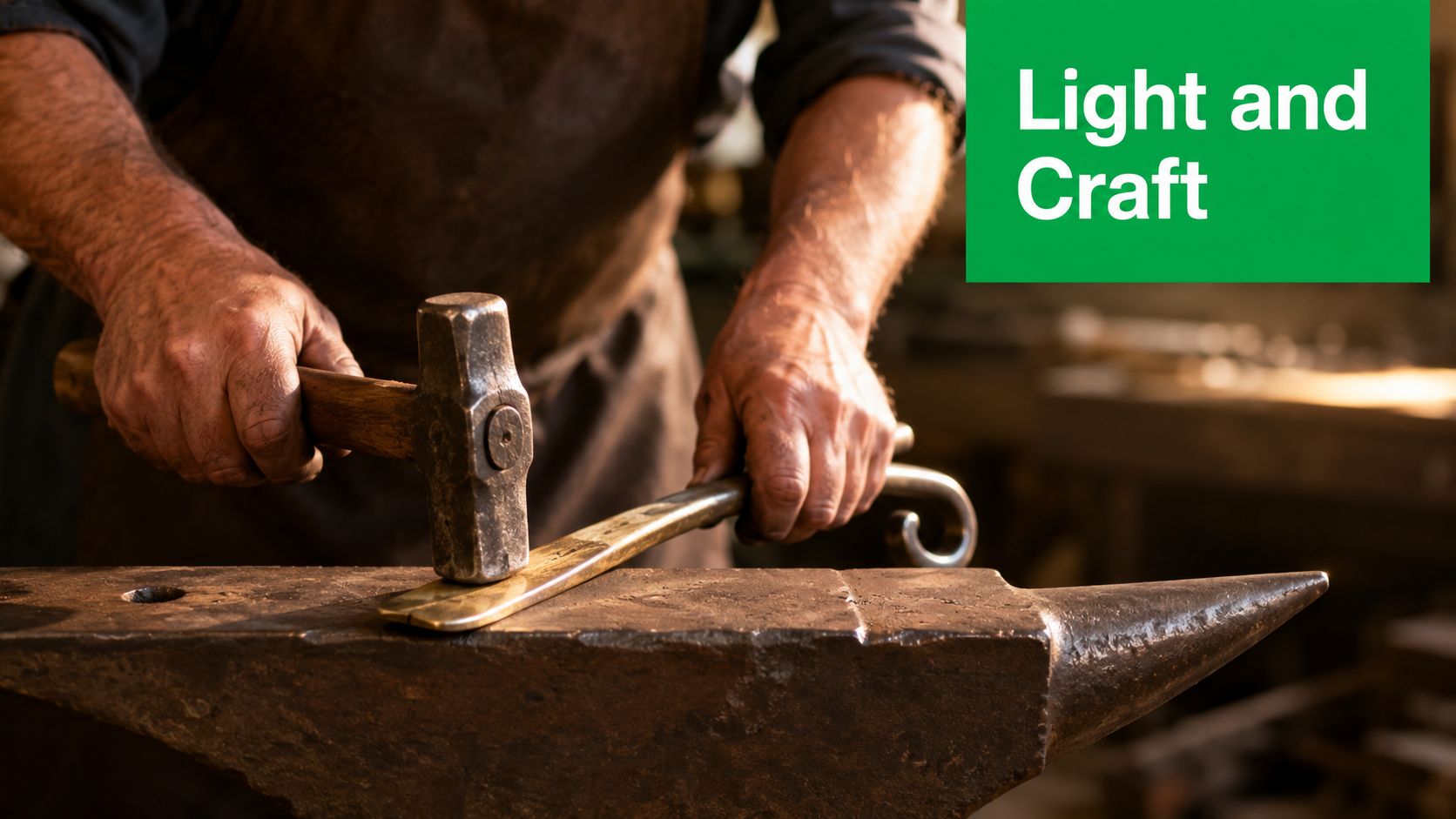
Every Irish hurley is traditionally crafted from ash wood (fuinseog) — a tree revered in Celtic mythology. The ash symbolized strength, endurance, and connection between the earth and sky. Its flexible yet sturdy nature made it the perfect material for hurling sticks, allowing both power and precision.

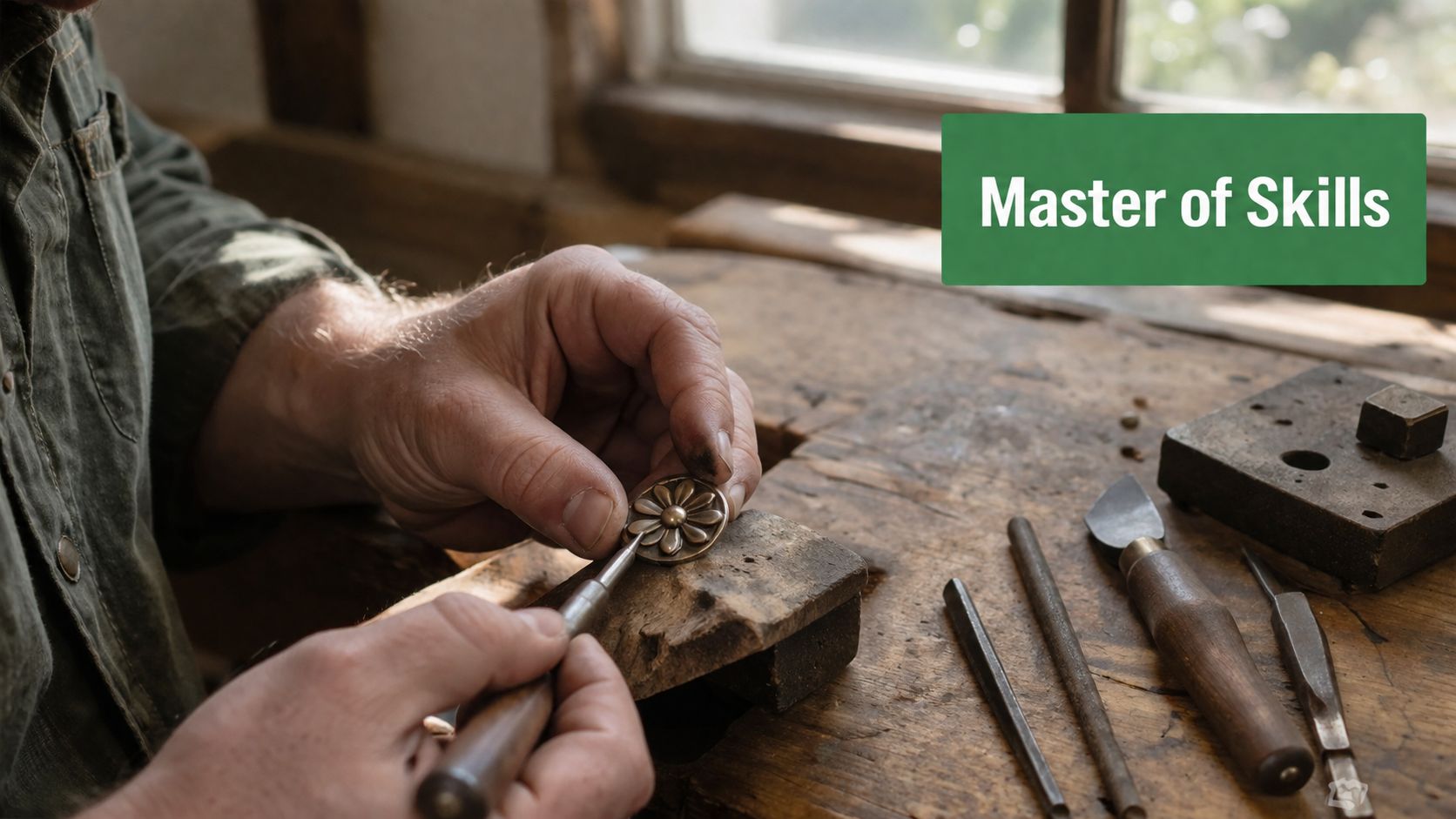
A traditional hurley maker, or camán maker, shapes each stick with care:

  1. Selecting the wood – Ash must be mature, straight-grained, and sourced sustainably.
  2. Seasoning – The wood is dried to prevent warping.
  3. Carving the bas (toe) – The wide, flat end used to strike the sliotar.
  4. Balancing the handle – The grip is smoothed and shaped for comfort and control.

Each Irish hurley carries a unique character. No two sticks are ever quite the same — a reflection of the individuality of both the maker and the player. Some makers still mark their hurleys with Celtic symbols or Irish inscriptions, linking sport with heritage.


The Irish Hurley and the Revival of Gaelic Identity

In the 19th century, Ireland saw a powerful cultural revival through the Gaelic Athletic Association (GAA), founded in 1884. The GAA not only standardized hurling but also safeguarded traditional Irish games, language, and identity at a time when English cultural dominance was overwhelming.

The Irish hurley became more than a sports implement — it was a declaration of national pride. During the Irish independence movement, GAA clubs served as vital community hubs where people could gather, speak Irish, and celebrate what it meant to be Irish.

Even today, the hurley and sliotar stand proudly beside the Irish harp and shamrock as enduring symbols of Irish heritage.

If you’re interested in exploring the linguistic roots behind Irish cultural symbols, you might enjoy our article on the origins of the Irish language, which traces how Gaelic has evolved alongside Ireland’s identity.


Hurley Terminology: Learning Irish Through Sport

For learners of the Irish language, understanding words tied to hurling offers a fun and meaningful entry point into everyday Irish. Here are some common Irish terms related to the hurley:

  • Camán – Hurley stick
  • Sliotar – The ball used in hurling
  • Iománaíocht – Hurling (the sport)
  • Poc – A strike or puck of the ball
  • Cluiche – Game or match
  • An pháirc – The field

These words appear not only in sporting contexts but in idiomatic expressions and daily speech — another reminder of how deeply hurling and the Irish hurley are woven into Ireland’s cultural and linguistic fabric.

For learners wanting to expand their vocabulary beyond the sports field, check out our Essential Gaelic Phrases Guide — a great resource for conversational Irish.


The Symbolism of the Hurley in Modern Ireland

In modern Ireland, the Irish hurley remains a potent symbol of unity and tradition. It’s proudly displayed in Irish homes, schools, and cultural centers around the world.

More than 2,200 GAA clubs across Ireland and abroad — from New York to Sydney — keep the tradition alive, connecting the Irish diaspora through sport and shared heritage. The hurley has even found its way into art, music, and literature, often representing the enduring spirit of Gaeilge and community.

The craftsmanship of the hurley also aligns with sustainable, local values. As ash trees face threats from ash dieback disease, modern makers are innovating with new woods and reforestation projects to protect both the environment and this ancient craft.


Language, Culture, and AI: Preserving Traditions for the Future

At Gaeilgeoir AI, we believe technology can serve as a bridge between tradition and innovation — just as the Irish hurley connects Ireland’s ancient past to its vibrant present.

Our AI-powered tools are designed to help learners engage with Irish language and culture in a natural, immersive way. Whether you’re exploring vocabulary through storytelling, pronunciation, or cultural references like hurling, our platform brings Irish to life through smart, context-rich learning.

You can learn at your own pace, discover the meaning behind Irish idioms, or even listen to authentic pronunciations of words like camán and iománaíocht.

👉 Sign up for a free trial here to experience how Gaeilgeoir AI makes learning Irish both meaningful and enjoyable.


A Legacy Carved in Ash and Language

The story of the Irish hurley isn’t just about sport — it’s a testament to Ireland’s enduring spirit. Each stick carved from ash carries the echo of ancient warriors, village games, and modern championships. It’s an emblem of craftsmanship, pride, and identity that continues to inspire new generations.

Just as the hurley has been passed down through centuries, so too can the Irish language be carried forward — from one speaker to the next. With modern tools, cultural awareness, and a love for learning, the beauty of Irish can thrive for centuries to come.

If you’re passionate about Irish culture and want to continue your journey, explore our Learn Irish Online Free Guide — a perfect place to begin mastering Gaeilge from anywhere in the world.

Goidelic Languages: Exploring Irish, Scots Gaelic, and Manx

The Goidelic languages, also known as the Gaelic languages, form one of the most fascinating branches of the Celtic language family. This linguistic trio—Irish (Gaeilge), Scots Gaelic (Gàidhlig), and Manx (Gaelg)—shares deep historical roots, cultural heritage, and grammatical similarities.

Each of these languages evolved uniquely, shaped by geography, politics, and the resilience of the communities that spoke them. Together, they form a bridge between the past and present, connecting modern learners to thousands of years of storytelling, poetry, and identity.

In this article, we’ll explore what makes the Goidelic languages special, how they differ from each other, and how modern tools like Gaeilgeoir AI are using artificial intelligence to preserve and promote them for future generations.


What Are the Goidelic Languages?

The term “Goidelic” comes from Goídel, the Old Irish word for “Gael,” meaning “a person of Gaelic descent.” The Goidelic languages are one of the two main branches of the Celtic family, the other being Brythonic languages (which include Welsh, Cornish, and Breton).

The Three Goidelic Languages:

  1. Irish (Gaeilge) – spoken in Ireland.
  2. Scots Gaelic (Gàidhlig) – spoken mainly in the Highlands and Western Isles of Scotland.
  3. Manx (Gaelg) – the native language of the Isle of Man.

All three descended from Primitive Irish, which was spoken more than 2,000 years ago. They share similar grammatical structures and vocabulary, though pronunciation and spelling have evolved differently over time.

For example:

  • Irish: Dia duit (Hello)
  • Scots Gaelic: Dia dhuit (Hello)
  • Manx: Gow mayd fockle (Let’s talk)

They all share that lyrical rhythm and poetic charm that makes learning them such a rewarding experience.


Origins of the Goidelic Languages

From Ogham Stones to Oral Poetry

The earliest evidence of Goidelic languages comes from Ogham inscriptions—ancient carvings on stone pillars dating from around the 4th century CE. These inscriptions used a unique alphabet, the Ogham script, to record names and phrases in Primitive Irish.

You can learn more about these inscriptions and the alphabet’s history in our guide to the Ogham Script Alphabet.

Over the centuries, Primitive Irish evolved into Old Irish, the language of early medieval monks and poets. Manuscripts like the Book of Kells and Táin Bó Cúailnge showcase this period’s linguistic richness. From there, Old Irish branched into the regional dialects that would eventually become Modern Irish, Scots Gaelic, and Manx Gaelic.


How the Goidelic Languages Diverged

1. Irish (Gaeilge): The Source

Irish is the oldest and most widely spoken of the Goidelic languages. It remained the dominant language in Ireland until the 19th century, when colonization and famine led to a decline in daily use.

Today, Irish is an official language of the Republic of Ireland, taught in schools and used in media. Regions where it is spoken natively are known as the Gaeltacht—places where Irish identity and tradition remain strong.


2. Scots Gaelic (Gàidhlig): Ireland’s Northern Cousin

Scots Gaelic developed when Irish-speaking settlers from Ulster brought their language to western Scotland around the 5th century CE. Over time, local variations produced Scottish Gaelic, distinct but still mutually intelligible with Irish in its early stages.

Modern Scots Gaelic retains many Old Irish words but features unique pronunciation patterns. For example:

  • Irish: Mo chroí (“my heart”)
  • Scots Gaelic: Mo chridhe (“my heart”)

Despite historical decline, revitalization efforts in Scotland are bringing Gaelic back into schools, media, and daily life.


3. Manx (Gaelg): The Island Voice

Manx, the smallest of the Goidelic languages, developed from Middle Irish and Scots Gaelic influences. It thrived on the Isle of Man for centuries until English dominance led to near extinction by the 20th century.

However, in one of the world’s great linguistic revivals, Manx has re-emerged from the brink thanks to community efforts and digital resources. Today, it’s taught in schools, used in signage, and even spoken by young people across the island.


Common Features of Goidelic Languages

While each Goidelic language has its own charm, they share structural and grammatical similarities that make learning one a great stepping stone to understanding the others.

Key Features Include:

  • VSO Word Order: Verb–Subject–Object structure, e.g., Ithim arán (“I eat bread”).
  • Initial Mutations: The first letter of words changes depending on grammar.
  • Rich Pronouns and Prepositional Forms: Phrases like agam, agat, and aici combine prepositions and pronouns (“at me,” “at you,” “at her”).
  • Poetic Sound Systems: Broad and slender consonant contrasts add musicality.

If you’d like to understand how prepositional forms work, our Mastering Irish Prepositional Pronouns guide provides a clear explanation.


The Cultural Power of the Goidelic Languages

1. Carriers of Story and Song

Goidelic languages are woven into Ireland, Scotland, and the Isle of Man’s musical and poetic traditions. From the ancient bardic poets to modern folk songs, language has been central to expressing love, grief, humor, and pride.

Songs like Mo Ghile Mear (Irish), An Eala Bhàn (Scots Gaelic), and Arrane Ashoonagh Dy Vannin (Manx national anthem) demonstrate their shared poetic ancestry.


2. Identity and Belonging

To speak a Goidelic language is to connect with a deep-rooted identity. These languages express nuances of thought and emotion that don’t easily translate into English — they carry the worldview of their people.

For example:

  • Irish: Anam cara — “soul friend” (a deeply spiritual concept).
  • Scots Gaelic: Dùthchas — “ancestral belonging.”
  • Manx: Traa dy liooar — “time enough,” reflecting island calm.

Each captures a worldview that prioritizes community, nature, and respect for tradition.


Modern Revival: The Role of Technology

In the 21st century, technology has become the most powerful ally in preserving and promoting the Goidelic languages. Artificial intelligence, digital education, and community-driven platforms are giving these ancient tongues a new life online.

AI and Language Learning

At Gaeilgeoir AI, we believe that technology can strengthen cultural heritage. Our AI-powered tools help learners speak and understand Irish naturally — using speech recognition, grammar correction, and context-based learning.

Through smart algorithms and voice feedback, learners can practice pronunciation just like native speakers, making Irish and its Goidelic siblings more accessible than ever before.

You can explore our beginner-friendly resources in the Irish Language Lessons for Beginners guide.


Goidelic Languages in the Classroom and Community

Across Ireland, Scotland, and the Isle of Man, Goidelic languages are now part of education and community life again.

Examples of Revitalization Efforts:

  • Irish: Immersion schools (gaelscoileanna) are booming, producing fluent young speakers.
  • Scots Gaelic: BBC Alba and social media content have created a modern space for Gaelic expression.
  • Manx: Children learn Manx in schools, and community radio broadcasts daily in the language.

These efforts are supported by organizations, governments, and learners worldwide who understand that language is not just communication — it’s culture in motion.

For an excellent overview of how technology supports endangered languages, visit the UNESCO Atlas of the World’s Languages in Danger, which highlights Irish and Manx as languages of global cultural importance.


Why Learn a Goidelic Language?

Learning Irish, Scots Gaelic, or Manx isn’t only about mastering grammar — it’s about connecting with identity, history, and community.

Here are a few reasons why learners worldwide are embracing the Goidelic languages:

  1. Cultural Connection: Discover the myths, songs, and spirituality of Celtic heritage.
  2. Cognitive Benefits: Bilingualism enhances memory and creativity.
  3. Community Belonging: Join a global network of learners passionate about keeping Gaelic languages alive.
  4. Personal Fulfillment: Every word learned brings you closer to understanding the soul of the Celtic world.

How Gaeilgeoir AI Can Help You Start

Gaeilgeoir AI offers a modern, intuitive way to learn Irish — the foundation of the Goidelic languages. With interactive pronunciation tools, grammar insights, and cultural lessons, learners can build skills step-by-step, whether they’re complete beginners or advanced enthusiasts.

You can sign up for free at learn.gaeilgeoir.ai and begin speaking Irish with confidence — guided by AI that learns from you as you learn from it.


Conclusion: A Living Legacy

The Goidelic languages — Irish, Scots Gaelic, and Manx — are more than ancient tongues. They are living, breathing parts of Celtic culture, carried forward by communities, artists, and now, learners around the world.

With AI-driven learning platforms like Gaeilgeoir AI, the next generation of speakers can ensure that these languages continue to thrive — not as relics of the past, but as vibrant voices of the present and future.

So whether you dream of speaking Irish fluently, understanding a Scots Gaelic song, or reading Manx poetry, remember: every word keeps the Goidelic story alive.

👉 Join Gaeilgeoir AI today and begin your own journey into the language of the Gaels: learn.gaeilgeoir.ai

Cláirseach in Irish: Meaning, History & Everyday Use

The word cláirseach (sometimes spelled clairseach) is a fascinating and culturally rich Irish term meaning “harp.” From the moment you say cláirseach, you’re connecting with a centuries-old Irish musical tradition, the national symbol of Ireland, and a dynamic word you can use in your language study. In this article we’ll explore the meaning of cláirseach, how it’s used, its pronunciation, its history, and how you as a learner can incorporate it into your Irish vocabulary.


Meaning and Basic Definition

What does cláirseach mean?

According to Irish dictionaries, cláirseach (feminine noun) typically means “harp.” teanglann.ie+2teanglann.ie+2
It also historically can mean a “large flat object” or even “woodlouse/slater” in older dictionary senses, but the strongly recognized meaning now is the harp. teanglann.ie

Why it’s a useful word to know

  • When you learn the word cláirseach, you connect not only with language but with culture.
  • You’ll see cláirseach in discussions of music, history, national symbols, and Irish art.
  • Incorporating it into your vocabulary adds depth to your learning beyond everyday conversation.

Pronunciation and Variants

Pronounce it with confidence

The Irish word cláirseach is pronounced something like “KLAA-r-shukh” (the ending “-seach” having a soft “sh” + guttural “kh/h” sound). The exact sound may differ slightly by region. Wiktionary

Spelling and variant forms

  • Spelling: cláirseach (with the fada on the á)
  • Variant anglicised spelling: clairseach
  • Plural: cláirseacha (harps) Wiktionary

Helpful tip

When typing or writing Irish, don’t forget the fada (´) over the á — cláirseach not clairseach. A good keyboard guide here is the Fada Keyboard Shortcut Guide.


Cultural and Historical Background

A national symbol

The harp (the cláirseach) has long been a symbol of Ireland. For example, the harp appears on Irish coins and on state heraldry. ria.ie+1

Origins of the word and instrument

The word cláirseach is derived from clár meaning “board” or “flat surface,” referring to the sound-board of the harp. wirestrungharp.com+1
The instrument itself dates back many centuries in Ireland and Scotland; the Irish cláirseach (and Scottish clàrsach) are closely related. Wikipedia+1

Why this matters for your learning

By understanding cláirseach, you link language to history. It’s not just a noun — it’s a story: a national instrument, artistry, tradition, revival. That enriches your Irish vocabulary and your appreciation of the culture behind the words.


How to Use Cláirseach in Irish Sentences

Simple example phrases

  • Tá an chláirseach á seinm aige. — “He is playing the harp.”
  • Chonaic mé cláirseacha ag an gcéad féile ceoil. — “I saw harps at the first music festival.”
  • Bhain sí taitneamh as fuaim na cláirseach. — “She enjoyed the sound of the harp.”

Vocabulary breakdown

  • chláirseach (lenited after article)
  • cláirseacha (plural)
  • seinnim ar chláirseach — “I play the harp”

Practice list

Here are suggestions you can use:

  1. Féach ar an chláirseach sin! — “Look at that harp!”
  2. An bhfaca tú cláirseacha eile inniu? — “Did you see other harps today?”
  3. Ba mhaith liom foghlaim an chláirseach a sheinm. — “I would like to learn to play the harp.”

Learning Tips & Related Resources

Flashcard exercise

  • Front: cláirseach → Back: “harp”
  • Include plural: cláirseacha → “harps”

Construct a mini-paragraph

Write a short paragraph (3-4 sentences) using cláirseach and a verb (e.g., seinm – to play).

Build connections

See how cláirseach fits with other Irish music-related words:

  • ceol (music)
  • seinnim (I play)
  • fonn (tune)
  • céilí (traditional dance)

Explore more with Gaeilgeoir AI

Check out our Irish Language Lessons for Beginners to expand your ability to use words like cláirseach in full sentences and conversations.


Common Mistakes & Tips for Avoidance

  • Missing fada: Writing clairseach without the accent may impact pronunciation.
  • Mispronouncing: Don’t say “CLAIR-seach” like ‘clair’ in English — ensure the “klahr-shukh” sound and Irish rhythm.
  • Plural confusion: Remember the plural cláirseacha, not cláirseachs.
  • Context misuse: Use cláirseach specifically for “harp” (the instrument), not any generic “harp-like thing.”

Why Cláirseach Matters in Your Irish-Learning Journey

  • Cultural insight: Using cláirseach brings you closer to Irish heritage, art and identity.
  • Memorable vocabulary: Because it has strong cultural resonance, you’re more likely to remember the word.
  • Conversation starter: Saying something like “Tá dhá chláirseach againn” (“We have two harps”) opens up cultural conversation and practice.
  • Bridge to other topics: Once you know cláirseach, you can talk about Irish music, Gaelic revival, instruments, festivals and more.

Sample Mini-Lesson Plan

1. Warm-up (5 minutes)

Listen to a short clip of harp music. Think: “An bhfuil mé ag éisteacht leis an chláirseach?”

2. Vocabulary focus (10 minutes)

Write three sentences using cláirseach: singular, plural, and past tense.

3. Conversation practice (10 minutes)

Pair up (if possible) or record yourself: Describe a scene with a harp and your feelings about it. Use cláirseach at least twice.

4. Cultural extension (5 minutes)

Read a short article (or snippet) about the Irish harp’s symbolism. Note the word cláirseach.

5. Reflection (5 minutes)

Ask yourself: Which sentence felt most natural? What did I learn about cláirseach today?


Make Cláirseach Part of Your Irish Lexicon

The word cláirseach offers more than a translation of “harp.” It connects you to tradition, culture, sound, history, and language. When you use cláirseach, you’re not just naming an instrument — you’re tapping into centuries of Irish musical heritage.

As you continue your Irish-learning journey with Gaeilgeoir AI, try saying:

“Seo mo chláirseach samhaltaithe — bain taitneamh as.”
(“Here’s my model harp — enjoy it.”)

Let cláirseach be one of your memorable verbs and nouns — play it, write it, say it. And if you’re ready to dive further into Irish conversation, grammar and vocabulary, join our learning platform at learn.gaeilgeoir.ai. Go n-éirí le tú!

Éireannach: The Meaning of Being Irish in Language and Spirit

The Irish word Éireannach (pronounced AIR-en-ock) carries more than just the definition of “an Irish person.” It holds centuries of history, identity, and belonging. To call yourself Éireannach is to connect to a language, a culture, and a worldview shaped by storytelling, resilience, and community.

In this post, we’ll explore the meaning and origins of Éireannach, its role in the Irish language and national identity, and how learning Irish through Gaeilgeoir AI can help learners embrace what it truly means to be Éireannach — not just by heritage, but by heart and language.


What Does Éireannach Mean?

At its simplest, Éireannach means “Irish person” or “of Ireland.” It’s derived from Éire (Ireland) with the suffix -annach, which indicates belonging or origin. So linguistically, Éireannach literally means “one who is of Éire.”

Grammar and Forms

  • Singular: Éireannach – Irish person
  • Plural: Éireannaigh – Irish people
  • Example Sentences:
    • Is Éireannach mé. – “I am Irish.”
    • Tá sé bródúil as a bheith Éireannach. – “He is proud to be Irish.”
    • Na hÉireannaigh thar lear. – “The Irish abroad.”

This word is more than a nationality — it’s a statement of cultural identity that ties language, history, and community together.


The Roots of Éireannach: From Éire to Identity

To understand Éireannach, we must start with Éire, the Irish name for Ireland. The name dates back to Old Irish “Ériu”, a goddess in Irish mythology associated with sovereignty and the land itself.

According to legend, Ériu and her sisters Banba and Fódla were the ancient goddesses who personified Ireland. When the Milesians — the mythic ancestors of the Irish — arrived, they named the island after Ériu as a mark of respect.

Thus, Éireannach carries within it both the spiritual roots of Ireland and the living identity of its people.


Being Éireannach: Language as Identity

Language has always been at the heart of what it means to be Éireannach. The Irish language — or Gaeilge — is not just a means of communication but an expression of worldview. It shapes how people think, feel, and relate to the land and to each other.

1. Irish Language as Cultural DNA

The word Éireannach reminds us that identity is more than citizenship. It’s an inheritance of sound, rhythm, and story. To speak Irish, even a few words, is to step into a thousand years of continuity.

As the poet Nuala Ní Dhomhnaill once wrote, “The Irish language is the soul of Ireland.” Without it, we lose not just vocabulary but entire ways of seeing the world.

If you’re new to the language, our Learn Irish Online Free Guide is a great starting point to reconnect with your linguistic roots.


2. Éireannach and the Global Irish

Interestingly, the term Éireannach doesn’t just describe people born on the island. Across the world, millions of people with Irish ancestry identify as Éireannaigh — from New York to Sydney, Buenos Aires to Boston.

The Irish diaspora, numbering over 70 million, has kept alive a shared pride in heritage. Many of these global Éireannaigh are now using tools like Gaeilgeoir AI to reconnect with their ancestral language, even generations after emigration.


Expressions and Phrases Using Éireannach

Irish is full of idioms and sayings that highlight pride, humor, and connection to identity. The word Éireannach often appears in contexts that reflect community and belonging.

Here are a few examples:

Irish PhraseTranslationMeaning
Is maith liom a bheith Éireannach.I like being Irish.Expresses national pride.
Tá sé fíor-Éireannach ina chroí.He’s truly Irish at heart.Describes someone who embodies Irish values.
Féile Éireannach.Irish festival.Refers to celebrations of Irish culture.
Spiorad Éireannach.Irish spirit.Symbol of resilience, humor, and warmth.

Each phrase reflects that being Éireannach is as much about character and culture as nationality.


The Spirit of an Éireannach: Values and Traditions

So, what defines someone as Éireannach beyond language or birthplace? While every person experiences it differently, several themes stand out across Irish culture:

1. Community (Pobal)

Being Éireannach means being part of something larger — a network of families, friends, and neighbors. Irish life thrives on meitheal (community cooperation), where everyone helps one another.

2. Storytelling (Scéalaíocht)

The Irish are natural storytellers. From ancient myths to pub tales, storytelling remains central to what it means to be Éireannach. It’s about connection, humor, and passing wisdom through words.

3. Hospitality (Fáilte)

The famous Irish welcome — Céad míle fáilte (“A hundred thousand welcomes”) — is more than a greeting. It’s a mindset of generosity and kindness that defines the Irish personality.

4. Resilience (Neart agus Dóchas)

Centuries of challenges — colonization, famine, emigration — have shaped a resilient spirit. The Éireannach heart keeps faith (creideamh) and hope (dóchas) alive.


Modern Éireannach: Ireland Today

In modern Ireland, being Éireannach means embracing both heritage and progress. Irish identity has expanded to include people of all backgrounds who live, work, and love in Ireland.

Whether you’re a native Irish speaker in Connemara or a learner in Canada, you can be Éireannach in spirit — by engaging with the language, understanding the culture, and carrying that sense of belonging forward.

The revival of the Irish language in schools, media, and online platforms reflects a new wave of national pride. And technology is playing a powerful role in this revival.


How Gaeilgeoir AI Helps You Speak Like an Éireannach

Learning Irish can seem daunting, but Gaeilgeoir AI makes it easier, faster, and more engaging through modern technology.

Using advanced AI-powered speech recognition, grammar correction, and cultural lessons, Gaeilgeoir AI helps learners not just memorize words — but understand the Irish way of thinking and speaking.

Features that Make Gaeilgeoir AI Unique:

  1. Pronunciation Practice: AI helps you master authentic pronunciation, ensuring your Irish sounds natural.
  2. Conversational Training: Practice real-life dialogues used by Éireannaigh in daily conversation.
  3. Cultural Insights: Learn the meanings behind idioms, blessings, and traditional sayings.
  4. Adaptive Learning: Personalized lessons that adjust to your pace and learning style.

You can start today with a free trial at learn.gaeilgeoir.ai and discover your inner Éireannach through the power of AI-driven learning.


The Éireannach Mindset: More Than Words

To be Éireannach is not just to speak Irish, but to live the values embedded in the language. Consider these uniquely Irish expressions:

  • “Is maith an scéalaí an aimsir.” – “Time is a good storyteller.”
  • “Ní neart go cur le chéile.” – “There is no strength without unity.”
  • “Is é do mhisneach do threoir.” – “Your courage is your guide.”

Each proverb reveals a worldview shaped by empathy, wit, and perseverance — the hallmarks of an Éireannach heart.

For more insights into traditional Irish wisdom, visit our post on Exploring Seanfhocail: Irish Proverbs.


Irish Identity in a Global Context

Today, the Irish identity thrives across continents. From Irish festivals in Tokyo to Gaelic football in Buenos Aires, Éireannaigh everywhere continue to share their language, music, and humor with the world.

And as AI transforms education, language learning platforms like Gaeilgeoir AI ensure that being Éireannach in the 21st century can include digital fluency and cultural connection.

According to UNESCO’s AI and Education Report, technology can “democratize access to heritage languages,” making it easier than ever for learners worldwide to reclaim and celebrate their roots.


Becoming Éireannach Through Language

You don’t have to be born in Ireland to feel Éireannach. If you learn the language, understand the culture, and carry its values, you become part of the same living story.

Every Irish phrase you learn — from Dia duit (“Hello”) to Slán leat (“Goodbye”) — connects you to generations past and future.

Through Gaeilgeoir AI, you can:

  • Speak Irish naturally and confidently
  • Discover the cultural meaning behind words
  • Join a community of learners passionate about Gaeilge

Conclusion: Embrace Your Inner Éireannach

To be Éireannach is to belong — to language, to heritage, to a shared spirit that transcends borders. Whether you’re reconnecting with your ancestry or discovering Irish for the first time, speaking the language brings you closer to that identity.

Every learner of Irish, no matter where they come from, adds a new voice to the living story of Éire.

So take that first step — become Éireannach in word and spirit with Gaeilgeoir AI.

👉 Start learning for free today at learn.gaeilgeoir.ai and celebrate the beauty of Ireland’s language, heart, and soul.

Exploring “Cogadh”: The Irish Word for War

When diving into Irish (Gaeilge) vocabulary, the word cogadh stands out as a powerful term meaning “war,” “conflict,” or “struggle.” Recognising cogadh—and its plural or genitive forms like cogaidh—helps you understand historical texts, news discussions, and phrases involving conflict or competition. In this article we’ll explore the meaning, pronunciation, everyday uses, and broader significance of cogadh for your Irish-language journey.


What Does Cogadh Mean?

Definition & Derivation

The noun cogadh primarily means “war” or “armed conflict.” WordHippo+2focloir.ie+2
It comes from Old Irish cocad, “war, conflict, act of waging war.” Wiktionary+1

Contexts and Nuances

Beyond literal warfare, cogadh may be used metaphorically:

  • cogadh féinne – “feud, private war”
  • cogadh tnáite – “war of attrition” teanglann.ie
    Understanding cogadh gives you access to texts on history, current affairs, and idiomatic expressions involving conflict.

Pronunciation & Basic Forms

How to Pronounce

  • Irish spelling: c-o-g-a-d-h
  • Approximate pronunciation: “KO-guh” (like “cog-ah”) Sabhal Mòr Ostaig+1

Declension & Variants

  • Singular: cogadh
  • Genitive singular: cogaidh (e.g., tairiscint an chogaidh – the war’s offer)
  • Used in phrases like i gcogadh – “in war” or “at war”. teanglann.ie+1
    Be mindful of Irish grammar when using cogadh in different sentence roles.

How to Use Cogadh in Sentences

Basic Examples

Here are some sentences where cogadh appears:

  • Bhí an cogadh idir an dá chúige. – “There was a war between the two provinces.”
  • Táimid ag iarraidh deireadh a chur leis an cogadh sin. – “We are trying to put an end to that war.”
  • Cogaidh nuálaíochta – “innovation war” (used metaphorically)

More Advanced Usage

You can also use expressions:

  • Cogadh geimhridh – “winter war” (military term)
  • Cogadh teicneolaíochta – “tech war”
  • Cogadh idir páirtithe – “war/conflict between parties”

Having cogadh in your vocabulary helps you talk about both past and present conflicts, whether literal or figurative.


Why Cogadh Matters for Language Learners

1. Historical and Cultural Relevance

Many Irish historical texts refer to wars—e.g., the medieval chronicle Cogad Gáedel re Gallaib (“The War of the Irish with the Foreigners”) uses cogadh. Wikipedia
So understanding cogadh connects you with Irish history and literature.

2. Everyday Relevance

Whether reading news headlines like “cogadh in aghaidh drugaí” (“war against drugs”) focloir.ie or discussing conflict in a broader sense, cogadh is useful for contemporary Irish.

3. Vocabulary Growth

Because cogadh is a root for many terms (e.g., cogaíocht – warfare), learning it opens doors to related vocabulary and deeper comprehension.


Practice Tips for Learners

✅ Flashcard

  • Front: cogadh → Back: “war / conflict”
  • Then add variants: cogaidh, cogaíochtaí (wars)

✅ Sentence Creation

Write 3-5 sentences with cogadh:

  1. An raibh tú ina chogadh ar an ábhar sin? – “Were you in a battle over that subject?”
  2. Le cuidiú ní mór stop a chur leis an cogadh seo. – “With help we must stop this war.”
  3. Bhí cogadh géar eatarthu. – “There was a fierce battle between them.” teanglann.ie

✅ Read & Listen

Explore Irish news or history sources and spot cogadh. Seeing it in context helps retention.

✅ Combine with Related Lessons

If you’re interested in verbs, check out our Conjugate Irish Verbs page to see how motion and state verbs appear in sentences with cogadh.
Also look at idioms via our Irish Idioms Language Learning Guide to see how conflict words might appear metaphorically.


Common Mistakes & How to Avoid Them

  • Misspelling: Leaving out the “h” at the end (cogad) is incorrect; the correct Irish form is cogadh.
  • Pronunciation trap: Don’t lean into English “Cog-had” pronunciation; keep the softer “-guh” ending.
  • Wrong preposition usage: i gcogadh, not in cogadh. Prepositions and mutations matter.
  • Using purely literal sense: Remember cogadh can be metaphorical (“conflict” not only “war”)—so adapt usage accordingly.

Expanding from Cogadh to Related Terms

Once you feel comfortable with cogadh, here are some related terms to explore:

  • cogaíocht – warfare, a formal sense of war
  • cogaidh – genitive of cogadh / wars (plural context)
  • cogadhach (adj.) – warlike, conflictual
  • dí-chogadh – demilitarisation (“undoing of war”)
    Exploring these will help you deepen your vocabulary and understanding.

Bringing Cogadh into Your Irish-Learning Journey

Weekly Target

Choose one conflict-theme topic (history, current news, metaphorical conflict) and use cogadh in three sentences or short paragraphs.

Buddy Activity

Ask a learning partner: “An bhfaca tú alt faoi chogadh?” (“Have you seen an article about war/conflict?”)
Then discuss using cogadh yourself.

Reflect & Expand

At week’s end, write a short reflection: How did using cogadh feel? Which context (history, metaphor, news) was easiest? Plan your next word.


Conclusion: Making Cogadh Your Own Word

By learning cogadh, you gain a word that carries weight—both historically and linguistically—in Irish. It’s not just about war: it’s about conflict, struggle, competition, metaphorical battles. When you use cogadh, you’re unlocking part of the vocabulary that Irish speakers use in serious discussions and everyday conversation.

From its Old Irish roots to modern usage, cogadh connects you to the richness of the language. So next time you read an article, watch a short video, or speak in Irish, look out for cogadh and consider how the idea of “conflict” shapes the meaning.

Keep practising your Irish vocabulary and expressions—and remember: every word mastered brings you closer to speaking, understanding and thinking in Gaeilge.
Go n-éirí le tú!

Sneachta: The Irish Word for Snow and Its Cultural Charm

There’s something magical about the first fall of sneachta (snow). The world slows down, sounds soften, and everything is covered in a clean white blanket. In the Irish language, the word “sneachta” (pronounced SHNAKH-tah) captures that same beauty — a sense of calm and purity deeply tied to nature.

For Irish learners, sneachta is more than just a translation of the English word snow; it’s an entry point into the poetic and descriptive power of Gaeilge. The Irish language has a unique way of connecting words to the landscape and emotion. Through sneachta, we glimpse how Irish speakers see the world — not as static, but as something alive, ever-changing, and connected to human experience.

In this article, we’ll explore:

  • The meaning and pronunciation of sneachta
  • Its grammatical forms and common expressions
  • Cultural and poetic uses of the word in Irish folklore and modern speech
  • How AI-powered learning tools like Gaeilgeoir AI can help you master words like sneachta naturally and enjoyably

The Meaning and Pronunciation of Sneachta

What Does Sneachta Mean?

In Irish, sneachta simply means “snow.” It’s a noun, and it can refer to both the substance (the snow itself) and the event of snowfall.

Here’s a quick breakdown:

  • Sneachta – snow
  • An sneachta – the snow
  • Tá sneachta ann. – It’s snowing / There is snow.
  • Bhí sneachta trom inné. – There was heavy snow yesterday.

How to Pronounce “Sneachta”

The pronunciation of sneachta can be tricky at first, but once you get it, it’s quite rhythmic:

Phonetic spelling: SHNAKH-tah

  • “sn” sounds like “shn”
  • “ea” is pronounced “a” (as in cat)
  • “ch” is a throaty, guttural sound (like the “ch” in loch)

If you’re new to Irish pronunciation, you can improve quickly by checking out the Irish Pronunciation Guide for step-by-step tips on vowel sounds, stress, and regional variations.


Grammatical Forms and Usage

Understanding how to use sneachta correctly in sentences helps you build confidence in Irish grammar.

1. Gender and Article

  • Sneachta is masculine.
  • When using the definite article “the,” it becomes an sneachta.

Examples:

  • Tá an sneachta bán agus álainn. – The snow is white and beautiful.
  • Thit sneachta aréir. – Snow fell last night.

2. Adjectives and Descriptions

In Irish, adjectives usually come after the noun they describe.

Examples:

  • Sneachta trom – heavy snow
  • Sneachta mín – fine or soft snow
  • Sneachta úr – fresh snow

3. Verb Connections

To say “it’s snowing,” you can use:

  • Tá sé ag cur sneachta. – It’s snowing (literally: “It is putting snow”).

This structure — ag cur sneachta — is one of the most common weather expressions in Irish.

If you’re learning how verbs and prepositions work in Irish, check out Understanding Irish Prepositions for a clear explanation of these essential patterns.


Expressions and Idioms with Sneachta

Like many Irish words, sneachta appears in a variety of idioms, proverbs, and phrases. These colorful expressions reveal how nature influences Irish thought and language.

1. Weather-Related Expressions

  • Ag cur sneachta – snowing
  • Leá an tsneachta – the snow is melting
  • Sneachta geal na Nollag – the white Christmas snow

2. Idiomatic or Poetic Uses

Irish poets and storytellers often use sneachta as a metaphor for innocence, silence, or renewal.

Examples:

  • Sneachta ar chnoc na bhfear – snow on the hill of men (used in poetry to describe old age or purity)
  • Mar an sneachta a leáíonn faoi sholas na gréine – like snow melting under sunlight (used to describe fleeting moments or sadness fading)

These expressions showcase how Irish blends natural imagery with emotional depth, something that makes learning it such a rich experience.

For more traditional sayings, you might enjoy our article on Exploring Seanfhocail: Irish Proverbs.


Sneachta in Irish Culture and Folklore

1. The Irish Relationship with Snow

Ireland’s climate doesn’t often bring deep snow, but when sneachta does fall, it becomes a communal event. Historically, snow was seen as both a blessing and a challenge — beautiful but symbolic of hardship during harsh winters.

Many Irish folktales describe magical or spiritual events occurring during oíche sneachta (a snowy night). In these stories, sneachta often represents silence, transformation, or purity — moments when the ordinary world seems touched by something beyond.

2. Sneachta in Irish Music and Literature

The Irish language’s musical rhythm lends itself beautifully to seasonal songs and poems. In works by Irish writers like Máirtín Ó Direáin and Nuala Ní Dhomhnaill, sneachta is often a symbol of reflection and renewal.

For example, you might find lines such as:

Ag titim mar rún ar an saol — an sneachta bán.
(Falling like a secret on the world — the white snow.)

This intertwining of language and landscape is a hallmark of Irish creativity — and it’s one of the reasons so many learners fall in love with Gaeilge.


Sneachta and the Irish Calendar

The arrival of snow is also tied to ancient Celtic festivals. During Imbolc (early February), snow often marked the transition from winter to spring. It was believed to signify Brigid’s purification of the land, as melting sneachta nourished the soil for the year’s first crops.

If you’re curious about Ireland’s ancient seasonal traditions, see our detailed post on the Celtic New Year and the cycle of Gaelic festivals.


Learning Irish Through Nature Words Like Sneachta

Learning Irish isn’t just about memorizing vocabulary — it’s about seeing the world through a cultural lens. Words like sneachta carry centuries of meaning, connection, and storytelling.

Here’s how you can use nature vocabulary to boost your learning:

  1. Create a “Nature Notebook.” Write down Irish words for natural elements (rain, wind, snow, sun).
  2. Describe daily weather in Irish. Example: Tá sé fuar agus tá sneachta ag titim. (“It’s cold and snow is falling.”)
  3. Listen to Irish weather reports or songs about the seasons.
  4. Practice with Gaeilgeoir AI, which provides AI-powered pronunciation practice and contextual examples, helping you sound more natural and fluent.

How Gaeilgeoir AI Helps You Master Words Like Sneachta

At Gaeilgeoir AI, we combine technology and tradition to make Irish learning more accessible and enjoyable. Our AI-powered tools help you not just translate words, but truly understand them.

With Gaeilgeoir AI, you can:

  • Hear native-quality pronunciation of words like sneachta.
  • Get real-time feedback on your speaking and writing.
  • Learn through cultural stories, songs, and seasonal expressions.
  • Track progress with personalized learning paths.

Whether you’re a beginner or a fluent speaker hoping to reconnect with Irish heritage, our platform adapts to your goals and pace.

Start your journey today by signing up for free at learn.gaeilgeoir.ai


The Beauty of Sneachta in Irish

The Irish word sneachta holds more than a simple translation — it carries with it the poetry of winter, the rhythm of Gaelic speech, and the heart of Ireland’s connection to nature.

Every time you say sneachta, you’re not just naming snow — you’re speaking a word that has been whispered through generations, describing the same quiet wonder that blankets Ireland’s hills each winter.

So next time you see snow falling outside your window, try saying:

Tá sneachta ag titim inniu. – “It’s snowing today.”

You’ll be speaking Irish, thinking Irish, and connecting with centuries of language and lore — one word at a time.

Leanbh: The Meaning of ‘Child’ in Irish Culture

The Irish language is full of warmth, tenderness, and emotion — and few words capture that better than leanbh (pronounced LAN-uv). While it literally means “child” or “baby,” leanbh carries much deeper cultural and emotional weight in Irish tradition. It’s a word of affection, belonging, and love, used not just for children, but often for anyone cherished or dear.

In this post, we’ll explore the many shades of leanbh — its linguistic origins, meanings in Irish songs and poetry, and its role in expressions of endearment. We’ll also show how learners can use Gaeilgeoir AI’s tools to understand and practice the word leanbh in natural Irish contexts.


The Etymology and Meaning of Leanbh

The Irish word leanbh comes from Old Irish leneb or lenab, both meaning “child.” The root is thought to connect with the Proto-Celtic lena- — meaning “to follow” or “to depend on” — reflecting a child’s closeness to their parents or caregivers.

But leanbh is more than just a biological term. In Irish culture, it embodies innocence, tenderness, and love. It can refer to:

  • A childIs leanbh deas é (“He is a lovely child”).
  • A baby or infantTá leanbh nua sa teach (“There’s a new baby in the house”).
  • A term of affectionA leanbh (“my dear,” “my darling”).

The affectionate use is what makes leanbh so special. Even adults can be called a leanbh by an elder, parent, or teacher — expressing warmth and care rather than belittlement.


Leanbh as a Term of Endearment

If you’ve ever listened to Irish folk songs or poetry, you’ve probably noticed leanbh used again and again in romantic or affectionate phrases. It’s one of the most enduring terms of endearment in Irish, alongside mo chroí (“my heart”) and mo stór (“my treasure”).

Some examples include:

  • “A leanbh mo chroí” – “Child of my heart” (used for both lovers and children).
  • “Leanbh álainn” – “Beautiful child.”
  • “Mo leanbh beag” – “My little one.”

To explore more expressions like these, see our guide to Irish Gaelic Terms of Endearment.

These expressions reveal how Irish uses familial and emotional language to convey intimacy and affection — a reflection of the community-centered worldview of Gaelic culture.


Leanbh in Irish Songs and Poetry

Irish literature and folk music have immortalized leanbh in many moving ways. The word often appears in lullabies, laments, and love songs, where it expresses tenderness, sorrow, or longing.

1. A Bhean Udaí Thall

In this haunting traditional song, a mother sings to her child — a leanbh — while expressing heartache and loss. The repeated refrain “a leanbh, a stór” shows the deep emotional bond between parent and child.

2. Seoithín, Seo Hó

This beloved Irish lullaby features the line “Seoithín, seo hó, mo leanbhín beag” — “Hush, hush, my little baby.” The diminutive leanbhín adds a soft, loving tone, showing how Irish uses endings like -ín to convey affection.

3. Caoineadh Airt Uí Laoghaire

In the 18th-century lament Caoineadh Airt Uí Laoghaire, the grieving widow Eibhlín Dubh Ní Chonaill uses a leanbh not for her child, but as an address to her slain husband — calling him “my child,” a tender sign of love and mourning.

This poetic flexibility is part of what makes leanbh such a beautiful word: it transcends age, gender, and time, expressing pure emotion in its simplest form.


Grammatical Forms and Usage

For learners, understanding how leanbh behaves grammatically can deepen appreciation for the language’s musicality and structure.

Singular and Plural

  • Singular: leanbh (child)
  • Plural: leanaí (children)

Common Phrases

  • Is leanbh mé fós. – “I’m still a child.”
  • Tá an leanbh ag caoineadh. – “The baby is crying.”
  • A leanbh mo chroí. – “Child of my heart.”
  • Leanaí na scoile. – “The school children.”

The vocative form (used when addressing someone directly) is a leanbh, where the “a” indicates affection or direct address. It’s one of the most musical features of Irish speech — soft and heartfelt.

To explore more about Irish grammar and cases like this, check out our Irish Pronouns Guide, which helps you understand relationships between words in sentences.


Leanbh and Irish Cultural Identity

In Irish culture, children — leanaí — are often seen as symbols of hope, continuity, and renewal. The old Irish proverb “Is fearr an leanbh ná an t-airgead” (“A child is better than money”) reveals a worldview that values family and connection over material wealth.

In folklore, leanbh also appears in stories of the changeling — a fairy child left in place of a human one. While these tales are eerie, they also highlight how sacred and precious children were to rural Irish communities.

Spiritual and Symbolic Meaning

In Christianity, leanbh Íosa refers to the baby Jesus, especially during Christmas. Many Irish-language carols and prayers still use an Leanbh Íosa lovingly, blending faith and folklore.

But in a broader sense, leanbh represents innocence and potential — qualities Irish poets and philosophers often linked to the nation’s spirit itself. In the Irish Revival period, writers described Ireland as Éire, an Leanbh — “Ireland, the child” — reborn through the revival of its native tongue.


Learning Leanbh with Gaeilgeoir AI

Learning Irish isn’t just about memorizing vocabulary — it’s about understanding the emotional and cultural layers behind each word. That’s where Gaeilgeoir AI comes in.

Using AI-powered speech recognition, contextual translation, and real-time pronunciation feedback, Gaeilgeoir AI helps learners experience Irish as a living, expressive language — not a set of rules.

Here’s how the platform can help you master words like leanbh in context:

  1. Interactive Sentences: Hear native speakers use leanbh naturally in conversation.
  2. Cultural Context: Learn how leanbh appears in songs, blessings, and idioms.
  3. Pronunciation Practice: Use AI tools to perfect the subtle Irish sounds, like the soft bh at the end of leanbh.
  4. Grammar Support: Get instant explanations for sentence structure and case changes.

Try it for free at learn.gaeilgeoir.ai — your first step toward speaking Irish naturally, with confidence and cultural understanding.


Leanbh in Modern Ireland

Today, leanbh remains one of the most commonly used Irish words — both literally and affectionately. Parents, grandparents, and even teachers use a leanbh to express warmth, patience, or love. It’s a reminder that Irish isn’t just a language of history — it’s a living language of emotion.

Even outside Ireland, the word leanbh connects Irish communities abroad. Many Irish families use it as a name or nickname, and you’ll find it in literature, lullabies, and even tattoos, representing heritage, innocence, and new beginnings.


Other Irish Words Related to Leanbh

Learning Irish often means uncovering families of related words that build your vocabulary naturally. Here are a few terms connected to leanbh:

WordMeaningExample
LeanaíChildrenTá na leanaí ag súgradh. – “The children are playing.”
LeanbhínLittle baby (diminutive)Codladh sámh, a leanbhín. – “Sleep well, little one.”
NaíonánInfantNaíonán nua-bheirthe – “Newborn baby.”
PáisteChild (general)Is páiste ciallmhar í. – “She’s a sensible child.”

Exploring these variations helps you recognize patterns in Irish, especially how endings like -ín soften words for affection — a uniquely Irish touch


Why Learning Words Like Leanbh Matters

When you learn Irish, you’re not just learning vocabulary — you’re unlocking a worldview. Words like leanbh teach empathy, patience, and love through language itself.

Each time you say a leanbh, you echo centuries of Irish culture — from mothers singing lullabies to poets crafting verses and speakers preserving a heritage of care and connection.


Conclusion: Speak from the Heart, A Leanbh

The word leanbh reminds us that Irish isn’t only about grammar or syntax — it’s about heartfelt expression. Whether you use it for a child, a loved one, or simply as a tender phrase, leanbh embodies the warmth that makes the Irish language so unique.

If you’re ready to deepen your connection with Irish words, stories, and emotions, join the growing community at Gaeilgeoir AI.

👉 Start your free learning journey today at learn.gaeilgeoir.ai — and let every word, like leanbh, bring you closer to the soul of the language.

Fáilte: Unlocking Ireland’s Warmest Welcome

When you step into the world of Irish language learning, one of the first words you’ll encounter is fáilte — meaning “welcome.” From the friendly greeting Céad míle fáilte (a hundred-thousand welcomes) to the signs above pubs and homes, fáilte captures the spirit of Irish hospitality and openness. By understanding fáilte, you’re not just learning a word — you’re embracing a culture. In this post, we’ll explore what fáilte means, how to pronounce and use it, and how you as a learner can make it a part of your Irish language journey.


What Does Fáilte Literally Mean?

Definition & Origin

The Irish noun fáilte (feminine) means “welcome”, as in a greeting or reception. Wiktionary
Its usage conveys warmth, hospitality, and acknowledgement of someone’s arrival.
Etymologically, fáilte traces back to Middle and Old Irish, ultimately to Proto-Celtic wāletiyā. Wiktionary+1

Why It’s Special

In everyday Irish life, fáilte goes beyond being just “welcome” — it’s a symbol of inclusion, both in language and culture. It is used in phrases like:

  • Céad míle fáilte – literally “one hundred thousand welcomes”. Creative Irish Gifts+1
  • Fáilte romhat/romhaibh – “you are welcome” (singular/plural).

So when you say fáilte, you’re effectively saying “you are not just allowed in, you are embraced.”


Pronunciation Guide: How to Say Fáilte

Let’s make sure you can pronounce it confidently:

  • Irish spelling: f-á-i-l-t-e (note the fada on the á)
  • Approximate pronunciation: “FALL-cha” or “FAWL-tchuh”
  • For native pronunciation, listen to recordings on platforms like Teanglann. teanglann.ie

Practice aloud: fáilte, fáilte roimh, fáilte mór — the rhythm becomes friendlier the more you say it.


Using Fáilte in Everyday Sentences

Common examples

Here are simple phrases you can use right away:

  • Fáilte! — “Welcome!”
  • Fáilte romhat! — “You’re welcome (singular)!”
  • Fáilte romhaibh! — “You’re welcome (plural)!”
  • Céad míle fáilte! — “A hundred thousand welcomes!”
  • Go raibh maith agat — fáilte!’ — “Thank you — welcome!”

When you’ll hear it

  • At the door of a home or pub in Ireland, you may see the phrase Céad Míle Fáilte.
  • On signage welcoming guests or tourists: Fáilte go h-Éireann (“Welcome to Ireland”).
  • In conversational responses after someone thanks you.

Sample sentences

  1. Fáilte go dtí ár rang Gaeilge! – “Welcome to our Irish class!”
  2. Bhí fáilte romhainn ag an óstán. – “We were welcomed at the hotel.”
  3. Céad míle fáilte roimh gach cuairteoir. – “A hundred thousand welcomes to every visitor.”

Grammar & Related Forms of Fáilte

Gender & Declension

The noun fáilte is feminine. According to Wiktionary: singular nominative fáilte, plural fáiltí. Wiktionary
Mutations may affect adjacent words in a sentence. For example: le fáilte (“with welcome”) uses the base form.

Related verbs and adjectives

  • Fáiltigh (verb) – to welcome. Wiktionary
  • Fáilteach (adj.) – welcoming, hospitable.
  • Fáilteoir (noun) – someone who welcomes (e.g., a host, receptionist).

Common collocations

  • Fáilte romhainn/romhat/romhaibh – welcome to us/you(plural)/you(plural).
  • Go bhfáilte – that may welcome (used in speeches).
  • Is mór an fáilte atá romhaibh – “You have a great welcome before you.”

Why Fáilte Matters for Irish Learners

1. High-frequency word

Because fáilte is common, you’ll see and hear it often. Learning it early means you’re less likely to feel lost in basic conversation.

2. Cultural connection

Irish culture is known for hospitality—fáilte is emblematic of that. Using the word helps you connect authentically with Irish speakers.

3. Builds confidence

Simple as it is, fáilte lets you greet or respond positively in Irish from the start. That builds confidence, encouraging you to learn more.


Practice Tips for Using Fáilte

Here’s a quick guide you can follow:

✅ Flashcard activity

  • Front: fáilte – Back: “welcome”
  • Flash it until you can recall both meaning and pronunciation.
  • Then add: fáilte romhat/romhaibh on additional cards.

✅ Sentence challenge

Choose three contexts and write sentences:

  1. Greeting new learners: Fáilte go dtí ár rang Gaeilge.
  2. Welcoming a visitor: Bhí fáilte romhainn go h-Éireann.
  3. Responding: Go raibh maith agat — fáilte!

Speak them aloud until they roll naturally off your tongue.

✅ Integration with other study material

You can integrate this with broader learning:

✅ Real-world usage

When you meet someone who is also learning Irish, greet them with:

“Fáilte! Tá tú ag foghlaim Gaeilge freisin?”
(“Welcome! Are you learning Irish too?”)
Using it in real conversation makes the word stick.


Common Mistakes & How to Avoid Them

  • Missing the fada: Typing failte without the accent is common but inaccurate—use fáilte.
  • Pronunciation mis-stress: Avoid saying “FALL-tee” with English stress; it should be closer to “FAWL-tchuh”.
  • Wrong context: Fáilte is for arrival/welcome; don’t use it for “goodbye” (that’s slán).
  • Incorrect mutation: In phrases like fáilte romhat, note the preposition roimh (“before”) combined with the mutated form. Learning our Understanding Irish Prepositions guide helps correct this.

Bringing Fáilte Into Your Language Journey

Weekly goal

This week: use fáilte as your opening phrase in every Irish-language exercise, greeting or post.

Buddy check

When you meet someone new in class/online, start with:

Fáilte! Conas atá tú?
(“Welcome! How are you?”)

Reflection

At the end of the week, write one sentence using fáilte and one more advanced one using fáilte romhat.

Next step

Then expand into related vocabulary (e.g., fáiltigh, fáilteach) to deepen your word bank.


Conclusion: Embrace the Warmth of Fáilte

In the journey of learning Irish, fáilte is a small word with big impact. It’s your friendly invitation into the language, the culture and the community of Irish speakers. Whether you’re greeting someone, writing a post, or attending a class, saying fáilte sets the tone: you are welcome here.

So let’s make it part of your everyday Irish:

Fáilte! Tá tú ag foghlaim Gaeilge. Go n-éirí le tú!
(“Welcome! You’re learning Irish. May you succeed!”)

Ready to keep building your Irish vocabulary and confidence? Visit our platform at learn.gaeilgeoir.ai and continue your journey with fáilte as one of your first true companions in Gaeilge.

Casadh an tSúgáin: Unraveling Ireland’s Twisted Tale

Few Irish phrases capture the beauty, rhythm, and emotion of the Irish language like Casadh an tSúgáin (pronounced KOSS-uh on TOO-gawn). At first glance, it means “the twisting of the straw rope,” but as with many Irish expressions, the phrase carries layers of meaning — from a love song of heartbreak to a metaphor for fate, craftsmanship, and storytelling itself.
In this article, we’ll explore what Casadh an tSúgáin means linguistically and culturally, how it became one of Ireland’s most enduring folk songs, and how it continues to inspire learners and musicians alike. You’ll also learn how Irish idioms like this reveal the poetic heart of the language — and how AI-powered tools like Gaeilgeoir AI can help you connect with that heritage today.


What Does Casadh an tSúgáin Mean?

Literally translated, Casadh an tSúgáin means “the twisting of the straw rope.”
Let’s break that down:

  • Casadh – “twisting,” “turning,” or “winding.” It can also mean “a twist” or “a turn” in a story.
  • An tSúgán – “the straw rope,” a traditional rope made by twisting hay or rushes, often used for chairs, farming, or domestic tools.

So, on a surface level, the phrase refers to the act of crafting something by hand, twisting simple materials into something strong and useful. But in Irish, words rarely stay literal — Casadh an tSúgáin becomes a powerful metaphor for the twists and turns of love, destiny, and human experience.


The Story Behind Casadh an tSúgáin

A Song of Love and Loss

Casadh an tSúgáin is also the title of a traditional Irish folk song from the 18th or 19th century. It tells the story of a young man who falls in love with a woman, only to discover she is promised to another. The title line — “the twisting of the rope” — becomes a poetic symbol of emotional entanglement and the painful twist of unrequited love.

The most famous version begins with:

Bhí mé ag casadh an tsúgáin,
Is ag déanamh mo leasa féin,
Nuair a tháinig an cailín chugam,
Is d’fhiafraigh sí díom cé hé mé.

Translation:

“I was twisting the straw rope,
Busy with my own work,
When the girl came to me,
And asked who I was.”

The imagery is deeply Irish — everyday work turning into a moment of heartbreak. The rope becomes a metaphor for how love binds and breaks us.


Cultural Symbolism

In old rural Ireland, an súgán wasn’t just a tool — it was a symbol of resilience and creativity. People used what the land offered, transforming humble materials into something functional and beautiful. Similarly, the song reflects how Irish people have always woven hardship into art, crafting joy from sorrow and poetry from pain.


Linguistic Beauty: The Dual Meaning of “Casadh”

The word casadh (twisting) adds a fascinating layer of wordplay. In Irish, casadh can mean:

  1. A physical twist – as in rope-making.
  2. A turn of events – a plot twist in a story.
  3. A musical turn – an embellishment or ornament in a tune.
  4. A meeting or encounter – “casadh orm é” means “I met him by chance.”

So, Casadh an tSúgáin isn’t just the “twisting of a rope” — it’s also a twist of fate, a musical flourish, and an unexpected meeting. This linguistic richness shows how Irish words hold multiple dimensions of meaning, often emotional and poetic.

If you enjoy exploring Irish expressions like this, see our Irish Idioms Language Learning Guide for more phrases that reveal the soul of Gaeilge.


The Song’s Enduring Legacy

From Oral Tradition to Modern Recordings

Casadh an tSúgáin has been sung for generations across Ireland, especially in Connacht and Munster, where the Irish language remained strong.

The song survived through oral tradition, passed down by sean-nós singers — traditional Irish singers who use ornamentation, free rhythm, and emotion to tell stories.

Later, it was recorded by famous Irish artists such as:

  • Seán Ó Sé (accompanied by Seán Ó Riada’s orchestra)
  • Christy Moore
  • Iarla Ó Lionáird
  • The Chieftains

Each performance brings its own casadh (twist), proving that this song continues to evolve — much like the rope it describes.


A Reflection of Irish Identity

The endurance of Casadh an tSúgáin isn’t just about melody. It represents Ireland’s cultural resilience — the way the Irish people keep reinterpreting old symbols in new contexts.

Like the rope made from fragile straw, Irish identity is woven from countless threads — faith, humor, heartbreak, and hope. Learning Irish allows us to understand this artistry from the inside, where language and culture twist together seamlessly.


Casadh an tSúgáin and the Art of Wordcraft

Irish is full of phrases that turn physical actions into metaphors for emotional life. Just as Casadh an tSúgáin uses rope-making to symbolize love and fate, many Irish expressions use simple imagery to express deep truths.

Examples include:

  • Is giorra cabhair Dé ná an doras. – “God’s help is nearer than the door.”
  • Tá sé i ndiaidh a chroí. – “He’s after his heart,” meaning he follows his feelings.
  • Tá mo chroí istigh ann. – “My heart is in it,” showing devotion or love.

Such expressions reveal the poetic rhythm of Irish thought — and help learners appreciate not just grammar, but worldview.


How Gaeilgeoir AI Helps You Learn Through Story and Song

At Gaeilgeoir AI, we believe that language learning isn’t just about memorizing words — it’s about immersing yourself in stories, songs, and sounds. That’s why our AI-powered platform goes beyond translation to help you experience Irish the way it’s lived and spoken.

Here’s how Gaeilgeoir AI can help you learn through songs like Casadh an tSúgáin:

  1. AI Listening Tools: Practice pronunciation with real Irish voices, from Munster to Connacht dialects.
  2. Interactive Translations: Hover over phrases like casadh to see literal and idiomatic meanings.
  3. Cultural Notes: Learn the historical and emotional context behind Irish sayings and songs.
  4. Smart Vocabulary Building: Save new words and see them appear in daily review exercises.
  5. Adaptive Lessons: Whether you’re a beginner or advanced learner, the system adjusts to your pace.

The Symbolism of Twisting: From Rope to Relationships

Casadh an tSúgáin also reminds us that language learning is like twisting a rope — it takes patience, rhythm, and repetition. Each word, like each strand, strengthens your understanding.

In fact, the rope’s twist reflects how Irish grammar and sound patterns intertwine. Words change depending on gender, case, and lenition — small twists that give the language its unique melody.

When you study with Gaeilgeoir AI, you’ll encounter lessons that explain these “twists” clearly, such as:

These guides untangle the complexities of Irish grammar so you can focus on enjoying the rhythm of expression.


Casadh an tSúgáin in Modern Ireland

Even today, Casadh an tSúgáin resonates deeply in Ireland. It’s taught in schools, performed at cultural festivals, and referenced in literature and theatre.

In 1990, a stage play titled “Casadh an tSúgáin” revived the story for modern audiences, blending song, humor, and social commentary — proving that this old phrase continues to adapt with time.

In this way, Casadh an tSúgáin captures what it means to be Irish:
to take old words, twist them anew, and keep the story alive.


Why Casadh an tSúgáin Matters

Here’s why this phrase remains so beloved among Irish speakers and learners:

  • It embodies the artistry of Irish storytelling.
  • It teaches the value of patience and craft, whether in rope-making or language learning.
  • It reminds us that love and fate are intertwined, as are words and culture.
  • It demonstrates how Irish turns everyday life into poetry.

Learn Irish Like a Storyteller

To truly appreciate Casadh an tSúgáin, you don’t just translate it — you feel it. Every Irish phrase carries rhythm, metaphor, and emotion.

That’s why Gaeilgeoir AI combines AI-powered learning tools with cultural content — from songs and folklore to idioms and grammar guides — helping learners connect emotionally with the language.

Ready to start your own casadh — your twist — in the story of Gaeilge?
👉 Join the Gaeilgeoir AI community today and start your free lessons at learn.gaeilgeoir.ai.


Conclusion: The Twisting of Words and Hearts

Casadh an tSúgáin may describe a simple act — twisting straw into rope — but its meaning has grown to symbolize everything from love and loss to art and identity.

Like the rope, Irish itself is woven from centuries of craft and connection. Every learner, singer, and speaker who takes up the language adds a new twist to that story.

So whether you’re learning your first words or revisiting old songs, remember:
Language, like rope, grows stronger with every turn.

The Gaelic Harp: Ireland’s Timeless Symbol of Heritage

Few symbols are as deeply woven into the fabric of Ireland’s identity as the Gaelic harp. From ancient bardic courts to modern coins and passports, the harp stands as a living emblem of Irish pride, resilience, and creativity. Known in Irish as the cláirseach (pronounced klar-shakh), the Gaelic harp is not only an instrument but a bridge to Ireland’s musical and linguistic past — a past that companies like Gaeilgeoir AI strive to preserve and revitalize through language and culture.

In this article, we’ll explore the origins, evolution, and symbolism of the Gaelic harp, its role in Irish culture, and why it remains a cherished icon today. You’ll also learn how engaging with Irish traditions like harp music can enrich your Irish language learning journey.


The Ancient Roots of the Gaelic Harp

The Gaelic harp (or Irish harp) is one of Europe’s oldest string instruments, dating back over 1,000 years. Early versions of the harp were played by filí (poets) and harpers who were revered in Gaelic society for preserving oral tradition, history, and music.

Archaeological evidence — including carvings on 9th-century stone crosses and manuscripts — shows that the harp held both spiritual and social importance. It was associated with royal courts, where harpers entertained kings and chieftains, chronicling their reigns through song and poetry.

Distinct Features of the Gaelic Harp

Unlike modern concert harps, the traditional Gaelic harp had unique characteristics:

  • Wire strings (often made of brass or bronze), giving it a bright, resonant tone.
  • Curved forepillar and soundbox, carved from a single block of willow or oak.
  • Played with fingernails, producing a distinctive ringing sound unlike gut- or nylon-strung harps.

These features made the Gaelic harp’s sound unmistakable — a shimmering echo that symbolized both Ireland’s joy and sorrow.


Historical Significance: The Harp of Kings and Poets

In Gaelic Ireland, the harp was more than an instrument — it was a symbol of status, culture, and connection. Harpers were highly respected, often second only to poets in rank.

The Harpers’ Legacy

Harpers such as Turlough O’Carolan (1670–1738), Ireland’s most famous composer and harper, blended ancient Gaelic melodies with Baroque influences, creating timeless works that bridged eras. His compositions, like Sí Bheag, Sí Mhór, continue to be played across the world, keeping Gaelic music alive.

The Gaelic harp also became a symbol of resistance during English rule. As Ireland’s native culture faced suppression, harpers carried the soul of the nation in their music — a quiet act of cultural defiance.


The Symbolism of the Gaelic Harp

Today, the Gaelic harp is the official emblem of Ireland, appearing on:

  • The Presidential seal and Irish passport
  • Euro coins and Irish government documents
  • Guinness logo, one of the most recognized symbols worldwide

Meaning Behind the Symbol

The harp embodies:

  • Harmony between past and present — linking modern Ireland to its Gaelic roots
  • Resilience — a testament to Ireland’s survival through colonization and cultural loss
  • Creativity and pride — celebrating the arts, storytelling, and the Irish spirit

For a deeper look into the linguistic roots of Irish symbolism and mythology, explore our Ancient Irish Language Guide, where history and language meet.


Revival and Rediscovery: The Harp in Modern Ireland

By the 18th century, the decline of Gaelic nobility and patronage led to the near disappearance of traditional harpers. The once-proud Gaelic harp almost vanished — until a cultural revival rekindled its flame.

1. The Belfast Harp Festival (1792)

Held in Belfast, this landmark event gathered the few surviving Irish harpers, including Denis Hempson, to preserve their music. Edward Bunting, a young musician, recorded their melodies and published collections that became vital for future generations.

2. The Celtic Revival

In the late 19th and early 20th centuries, the Gaelic Revival movement reawakened national pride. The harp returned as a central symbol — appearing in literature, art, and politics.

3. Modern Harpists and Innovation

Today, artists like Laoise Kelly, Gráinne Hambly, and Michael Rooney have elevated the harp’s status once again. They blend traditional Irish melodies with contemporary sounds, proving that the Gaelic harp still sings with relevance.

The instrument now features prominently in festivals, film scores, and Irish schools, ensuring a new generation continues the music of their ancestors.


The Gaelic Harp and the Irish Language: A Shared Heritage

The Irish language (Gaeilge) and the Gaelic harp share intertwined histories. Both endured centuries of decline — and both are now experiencing revival through passion, technology, and education.

In Irish tradition, music and storytelling were inseparable from the spoken word. Harpers often accompanied poets (filí), and together they kept the oral histories of clans and kingdoms alive.

Many harp tunes carry Irish names and expressions, such as:

  • Eleanor Plunkett (Eibhlín Pluincéid)
  • Sí Bheag, Sí Mhór (“Small Fairy Hill, Big Fairy Hill”)
  • Bí Im’ Shuí (“Be at Rest”)

Learning Irish helps you uncover the deeper meanings in these songs — not just the music, but the cultural heartbeat behind it.

If you’re beginning your language journey, explore our Irish Language Lessons for Beginners to connect your learning with Ireland’s music and traditions.


Anatomy of the Gaelic Harp: Understanding Its Design

To appreciate its craftsmanship, it helps to know the harp’s core parts:

PartIrish TermFunction
SoundboxBosca fuaimeAmplifies sound
StringsTeadaíProduces pitch
ForepillarTaca tosaighProvides tension
NeckMuineálHolds tuning pins
Harmonic CurveCuair armónachGives resonance

Each harp is unique — handmade by artisans who continue centuries-old traditions. Modern versions are often built from Irish woods like willow and cherry, connecting craftsmanship to the land itself.

Famous Harps of Ireland

Several historical harps survive as national treasures:

  1. The Brian Boru Harp (Trinity College Dublin) – The oldest surviving Gaelic harp, dating to the 14th or 15th century. It inspired Ireland’s official emblem.
  2. The Downhill Harp – Once played by Denis Hempson, the last traditional wire-strung harper.
  3. The Queen Mary Harp (Scotland) – A close relative of the Irish harp, showing the shared heritage of Gaelic music across Ireland and Scotland.

Learning About the Gaelic Harp Through Gaeilgeoir AI

At Gaeilgeoir AI, our mission is to make Irish language and culture accessible through technology. Whether you’re curious about Irish music, myths, or grammar, our AI tools adapt to your level and guide you through interactive lessons and cultural insights.

By studying the Gaelic harp’s role in Irish history, you gain more than knowledge — you build a deeper emotional connection to the Irish language.

Gaeilgeoir AI helps you:

  • Master pronunciation of Irish terms like cláirseach and sí bheag, sí mhór.
  • Learn vocabulary tied to music, art, and culture.
  • Use AI-driven exercises that make language practice fun and immersive.

Start your journey today with a free trial at learn.gaeilgeoir.ai.

Why the Gaelic Harp Still Matters Today

The harp endures not only because of its beauty, but because it tells Ireland’s story — one of artistry, resilience, and rebirth. It represents a language and culture that refused to fade away, and continues to inspire through melody and meaning.

For modern learners, the Gaelic harp is a reminder that learning Irish isn’t just about words — it’s about understanding a way of seeing the world through art, sound, and tradition.

As you learn to say cláirseach na hÉireann (“the harp of Ireland”), you’re connecting with a thousand years of poetry, pride, and music.


Conclusion: The Living Voice of Ireland

The Gaelic harp remains Ireland’s most beloved symbol — not as a relic, but as a living voice of the nation. Its strings echo stories of kings, poets, and common folk alike, reminding us that culture survives through creativity and care.

By exploring Irish through music, and by embracing tools like Gaeilgeoir AI, you’re helping ensure that both the language and its melodies continue to thrive.

So next time you see the harp on an Irish passport, coin, or pint glass — remember: it’s not just an emblem, but a song still being played.

Start Speaking Irish Today — 25% Off
Use code START25

Learn real Irish for real life with guided practice, pronunciation support, and everyday conversations.

Get 25% off any plan with code START25

Start Speaking Irish Today — 25% Off