Oro Se Do Bheatha Bhaile Phonetic Guide

You've probably heard Óró, sé do bheatha ’bhaile in a pub, a film soundtrack, a session clip online, or from someone who seemed to sing it effortlessly. Then you tried to join in and hit the same wall most beginners hit. The spelling looks beautiful, but it doesn't sound the way an English speaker expects.

That's exactly why this phrase is such a good place to begin. It gives you a short, memorable line, a strong rhythm, and a chorus that repeats enough times to let your ear settle in. If you're searching for oro se do bheatha bhaile phonetic, you likely don't want a dictionary entry. You want to say it out loud, and maybe even sing it without tripping over every syllable.

This guide takes the phrase slowly, then puts it back into musical time so it feels natural in the mouth. Think of it as the kind of help a patient Irish tutor would give beside you at the table, one sound at a time.

Table of Contents

Why This Famous Irish Song is a Gateway to Gaeilge

A handsome man wearing a green sweater sitting thoughtfully near books about Irish history and culture.

You hear the chorus once at a session, in a video, or from a friend singing along, and suddenly you want to join in. The problem is familiar to many beginners. You can copy a rough phonetic spelling, but the line still feels stiff in your mouth and late against the beat.

That is why Óró, sé do bheatha ’bhaile is such a good doorway into Gaeilge. It gives you more than a set of sounds to copy. It gives you a short, memorable line with a pulse. You start to feel how Irish pronunciation lives inside rhythm, not only on the page.

Songs help beginners for a simple reason. Repetition does part of the teaching for you. A chorus comes back again and again, so your ear gets several chances to notice the same vowel length, the same soft consonants, and the same rise and fall of the phrase. In spoken drills, beginners often stop after every word. In singing, the phrase has to keep moving.

That movement matters.

Irish pronunciation can seem tricky at first because English-trained eyes expect letters to behave in English ways. A song loosens that habit. Instead of staring at spelling and trying to force each word out one by one, you listen for the shape of the whole line. Music works like a guide rope here. It carries you through the phrase at the right speed.

For many learners, this is the first time Gaeilge stops looking like a puzzle and starts sounding like a living language.

There is also a cultural reason this song stays with people. Óró, sé do bheatha ’bhaile is not just a classroom example. It is a traditional song with emotional force, public memory, and a chorus made to be voiced together. That gives the phrase a different kind of staying power. You are not only practicing pronunciation. You are stepping into a piece of Irish musical history.

If you want to connect the sound to the sense of the line, this guide to the meaning of Óró, sé do bheatha bhaile helps place the phrase in context.

A useful way to approach the chorus is to treat it like a small melody first and a reading exercise second. The goal is not perfect control of every letter on the first try. The goal is to say, then sing, the line in a way that feels natural and steady. Once the rhythm settles into your ear, the pronunciation becomes much easier to hold onto.

What Óró, Sé do Bheatha Bhaile Actually Means

Someone starts the chorus in a crowded room, and even if you do not know every word yet, you can feel what it is doing. It reaches outward. It sounds like a welcome given with feeling, not a flat label from a phrasebook.

At the simplest level, “Óró, sé do bheatha bhaile” means “oh-ro, you are welcome home” or more naturally, “welcome home.” For a beginner, that core meaning is enough. You are singing a greeting, and a warm one.

A phrase you can feel before you analyze it

The line carries warmth because of what it does, not only what it translates to. It calls someone in. It suggests return, belonging, and recognition. If you have ever heard a chorus where the whole room seems to open up on the same words, that is the effect this phrase has.

Óró works like a vocal call, the kind of opening sound that gathers energy before the rest of the line arrives. Then sé do bheatha bhaile gives the welcome itself. A learner does not need to master every grammar point on day one to hear the shape of that meaning.

If you want a fuller explanation of the wording and cultural background, this guide on the meaning of Óró, sé do bheatha bhaile is a useful companion read.

Why the meaning feels bigger than a literal translation

A literal translation gives you the doorway. The song gives you the room.

This refrain has lasted because it is more than a set of dictionary meanings. Over time, singers have used it in domestic, communal, and political settings. Earlier tradition connects it with welcoming someone home, and later versions gave that same chorus a broader public force. The words stayed simple enough to sing together, but rich enough to carry memory with them.

That helps explain a common beginner experience. You may understand “welcome home” quickly, yet still feel that the line means more when it is sung than when it is printed on a page. That is normal. Songs often hold emotion in their rhythm and repetition, and this one is a strong example.

So as you learn the phrase, keep both layers in mind. The plain meaning is “welcome home.” The lived meaning is a shared call of return, belonging, and celebration.

How to Pronounce Óró, Sé do Bheatha Bhaile
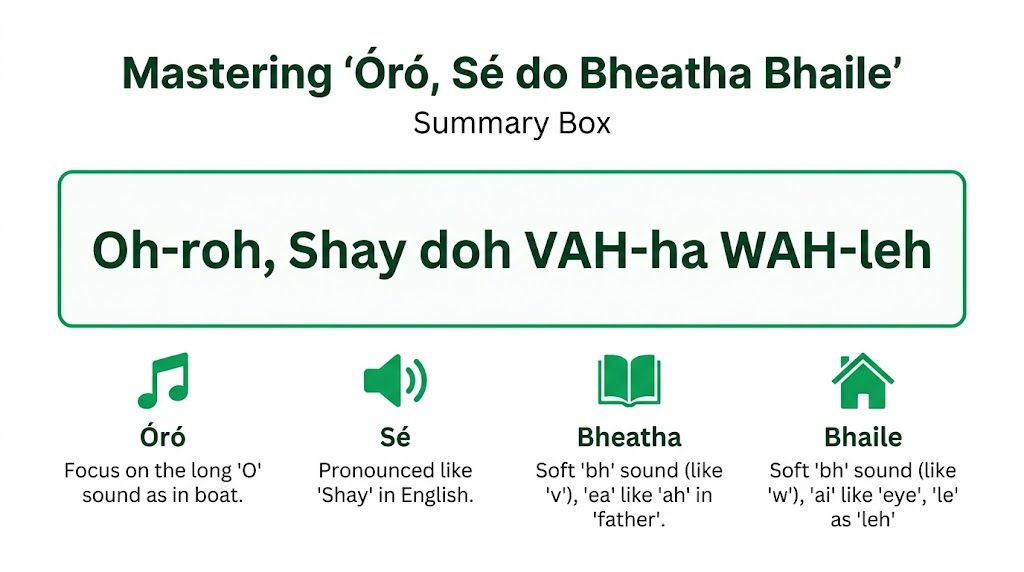
A visual guide explaining the phonetic pronunciation of the Irish song title Óró, Sé do Bheatha Bhaile.

You hear the chorus start in a session, you know the words on the page, and then the line arrives too quickly to catch. That is the usual beginner problem with Óró, Sé do Bheatha Bhaile. The challenge is not only the sounds. It is getting the sounds to sit inside the tune.

A good learner version is:

The quick phonetic answer

oh-roh shey duh VAH-ha WOL-yah

Use that as a starting point, not a final exam answer. Irish song pronunciation often becomes clearer when you say the line in one gentle sweep, almost like clapping a rhythm before learning all the notes.

For learners who want help hearing the wider sound patterns behind this refrain, this Irish pronunciation guide gives useful background. If you have learned sounds from other language traditions, even resources like K-12 Te Reo Māori learning materials can remind you that sound systems make more sense when you listen for rhythm, vowel length, and flow rather than forcing English spelling rules onto them.

Pronunciation guide table

Irish Phrase Simplified Phonetic Spelling IPA Notation
Óró oh-roh /oːˈɾˠoː/
shey /ʃeː/
do duh /d̪ˠə/
bheatha VAH-ha /vʲahə/ approximation
'bhaile WOL-yah [w]-like opening in casual pronunciation

The musical shape matters as much as the phonetic spelling. Óró usually feels like the lift at the start. Sé do moves more lightly. Bheatha bhaile carries the weight of the phrase, with VAH giving you the strongest landing point before the line releases at WOL-yah.

If it helps, treat it like a wave. The voice rises on oh-roh, settles briefly on shey duh, then rolls forward through VAH-ha WOL-yah without chopping each word apart.

A few habits make the line sound more natural:

  • Keep it connected: say the whole phrase in one breath if you can.
  • Hold the long vowels: oh and shey need a little space.
  • Let VAH lead the phrase: this is often the clearest stress point for beginners.
  • Finish with a glide: WOL-yah should taper off, not stop sharply.

First speak it slowly in time. Then repeat it with a gentle pulse, as if you are already joining the chorus.

Breaking Down Each Syllable and Sound
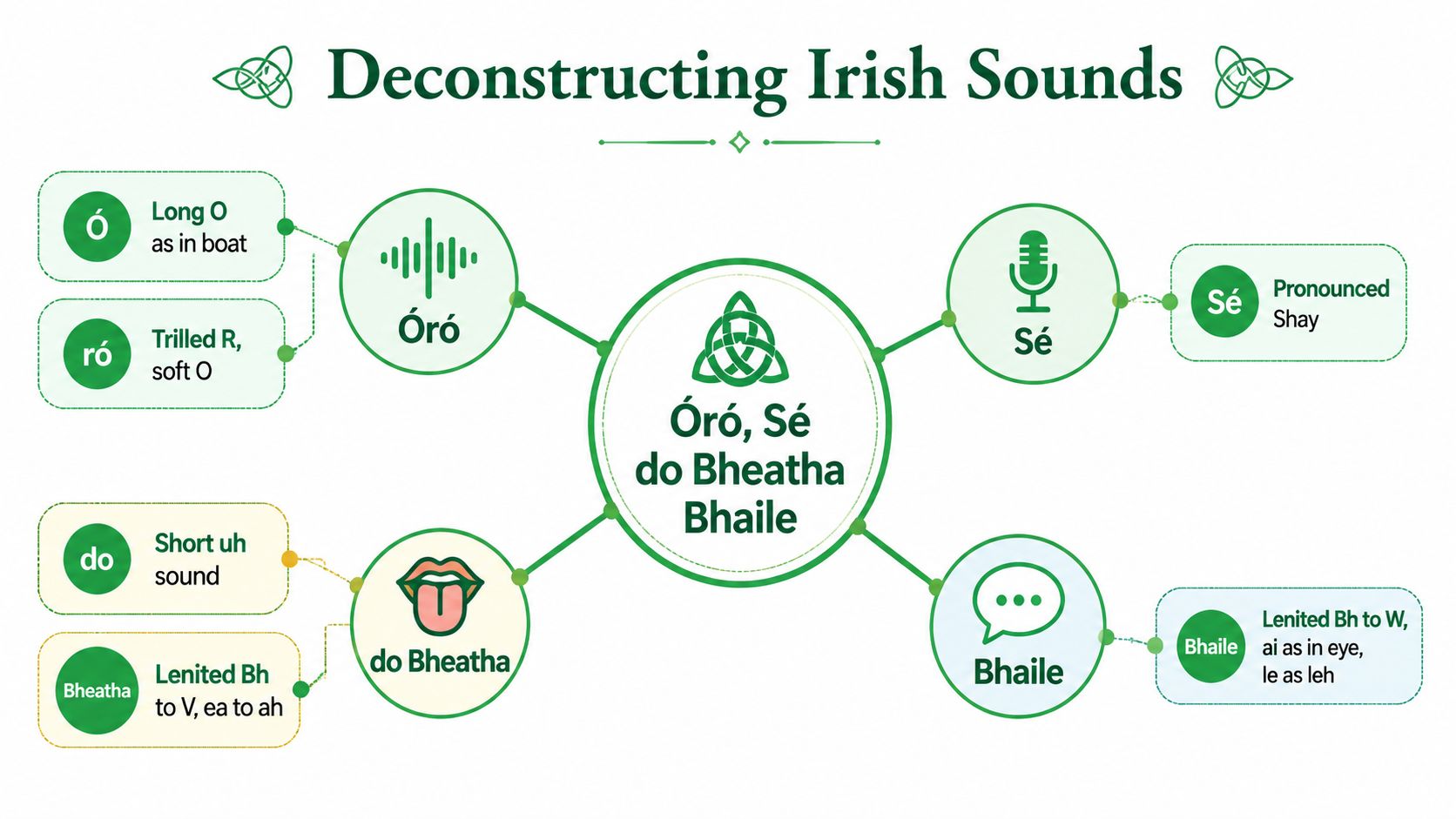
An educational infographic deconstructing the pronunciation of the Irish phrase Oro, Se do Bheatha Bhaile.

You may know the rough phonetic spelling already, then still freeze when the song starts. That happens because pronunciation on the page and pronunciation in rhythm are not quite the same skill. Irish song asks you to feel the phrase as a chain of small sound-units that travel together.

A good starting point is to hear the line in four musical chunks, not five separate words: Óró | sé do | bheatha | bhaile. Once those chunks feel steady, the spelling stops looking so intimidating.

Word by word breakdown

Óró
Give both syllables space. Ó is a long oh, and answers it with another rounded roh. Singers often give this pair a lifted, calling quality, almost like the phrase is opening a door.


Say shey, with a soft sh at the front. The vowel is held a touch longer than an English speaker might expect, which helps it sit properly in the tune.

do
Keep this one light and quick. It works like a passing note in music. You touch it and move on.

bheatha
Here the spelling looks heavy, but the sound is gentler. bh softens into a v-like opening, so the shape is closer to VAH-ha. Let the first syllable carry the weight, then let the second fall away lightly.

’bhaile
This is the part many beginners need to hear several times before it clicks. The apostrophe marks a shortened form of abhaile, and the opening sound can glide in with a w-like feel. A learner-friendly target is WOL-yah or WUH-lya, depending on the singer. The exact shade can vary, but the important thing is the movement. It should flow forward, not land like a hard English word ending.

Why these sounds are easier in rhythm than in isolation

Irish songs often teach pronunciation better than a printed guide does. The melody tells your mouth how long to hold a vowel, where to relax, and which syllable carries the phrase.

That is why many beginners improve faster when they clap or tap the line first. Teachers using K-12 Te Reo Māori learning materials often teach sound patterns through beat, repetition, and grouped syllables. The same habit helps here. Your ear learns the pattern before your eyes fully trust the spelling.

Try this practice ladder:

  1. Speak the chunks on a steady pulse
    oh-roh | shey-duh | VAH-ha | WOL-yah

  2. Tap once per chunk
    This keeps the phrase from turning into a string of separate English-style words.

  3. Stretch the long vowels slightly
    Give Ó and a little room, like notes that need time to ring.

  4. Sing the last two chunks together
    VAH-ha WOL-yah should feel like one flowing release, not two disconnected pieces.

One small tip helps a lot. If the full line feels too fast, loop only sé do bheatha until it feels natural in time, then add Óró at the front and bhaile at the end.

Learn the phrase like a melody first, then like a spelling pattern. For this song, the rhythm often teaches the sounds more clearly than the letters do.

Common Pronunciation Mistakes and How to Fix Them
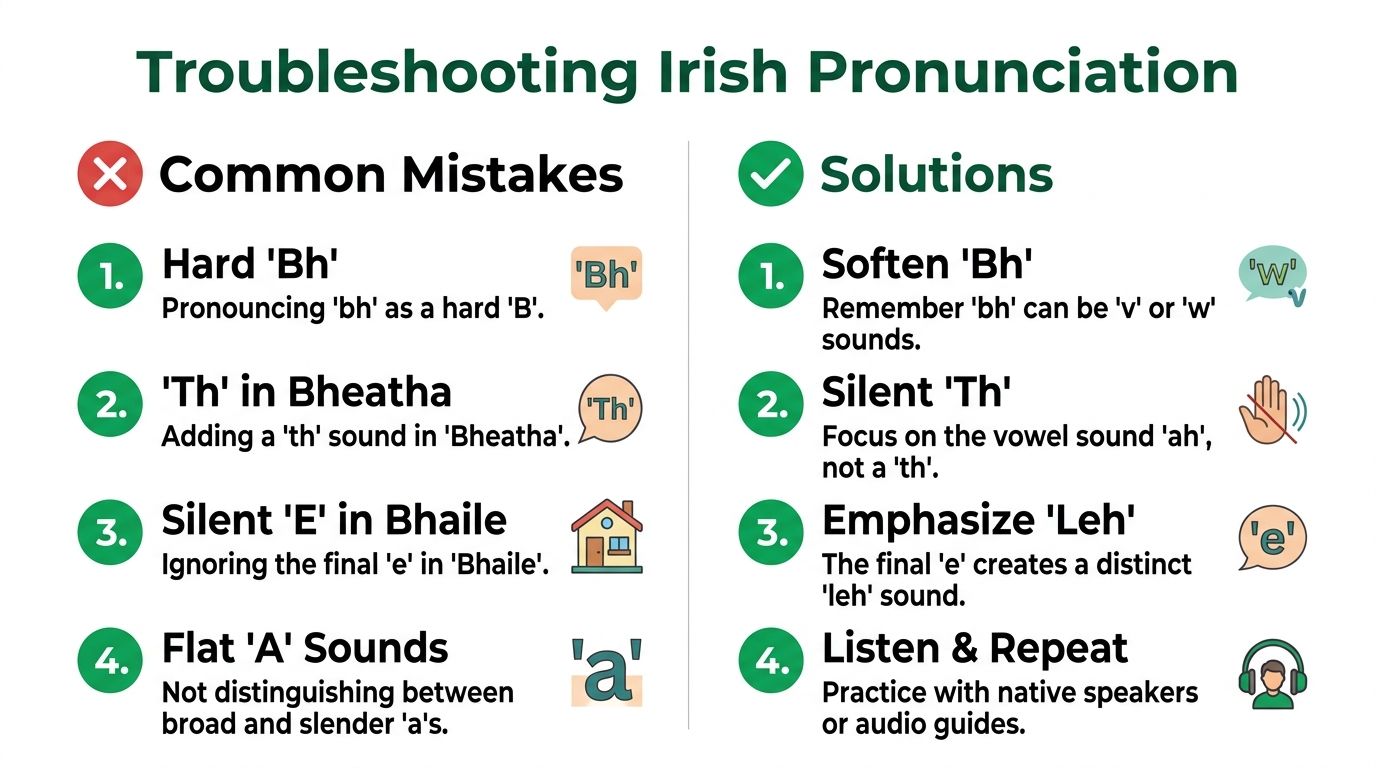
A visual guide illustrating common Irish pronunciation mistakes and their corresponding corrections for clarity and improvement.

Most pronunciation problems with this line are completely normal. They usually come from English reading habits, not from lack of ability.

Four mistakes beginners make

  • Hard B in bheatha
    Don't say beh-ha.
    Say VAH-ha with a softened opening.

  • See instead of shey
    Don't flatten into an English long e.
    Give it that sh quality: shey.

  • Over-pronouncing each word
    Don't speak it like a list: oh-roh / shay / doh / vah-ha / wah-lee.
    Let it run together as one musical phrase.

  • Dropping the final movement
    Don't chop ’bhaile short.
    Let it travel. The end should glide, not stop dead.

A simple self-check routine

Use this quick check after each practice round:

If you hear this Try this instead
A hard b sound Soften the opening to v or w-like
A heavy English doh Reduce it to a light duh
A stiff, word-by-word rhythm Group the phrase into sound chunks
A clipped ending Let ’bhaile flow forward

One more fix helps almost everyone. Record yourself once speaking the phrase and once singing it. If the sung version sounds better, that's a clue that rhythm is helping you stop overthinking the spelling.

How to Practice and Master the Rhythm

A lot of guides stop once they've given you the phonetic spelling. That leaves out the part learners often need most. Existing coverage often treats the song as a lyric or translation problem, but there is little practical help for learners who want to sing it correctly and confidently in real time, especially around breathing, pace, and keeping rhythm while respecting Irish vowel length, as noted in this discussion of the pronunciation gap in song learning.

From speaking to singing

Start by speaking the chorus in a steady pulse. Don't rush because the song is often sung with energy. Fast versions only work if the vowels stay clear.

Then mark a tiny breath after each full line, not in the middle of sé do bheatha ’bhaile. If you breathe inside the phrase, the rhythm falls apart and the words start to sound choppy.

If you want to record your own repetitions cleanly on a phone or laptop, this elearning video audio recorder guide gives useful basics for setting up simple practice recordings. It's handy if you're comparing spoken and sung attempts side by side.

A short practice routine that works

Try this routine for a few minutes at a time:

  1. Speak on the beat
    Tap your hand on the table and say the phrase once per pulse group.

  2. Hum the contour first
    Hum the shape of the chorus before adding words. This reduces tension.

  3. Add the lyric in chunks
    Start with Óró. Then sé do bheatha. Then the final ’bhaile.

  4. Record one clean repetition
    Listen back for flow, not just individual sounds.

  5. Sing with context
    Reading about traditional Irish music culture and the seisiún can help you hear why this phrase is often carried with lift, energy, and communal timing instead of textbook neatness.

If you want structured speaking practice after working on this chorus, Gaeilgeoir AI offers guided Irish conversation practice, pronunciation support, and short interactive exercises that suit learners who want to move from memorized phrases into everyday spoken Gaeilge.


If you want a place to keep practicing after this phrase, try Gaeilgeoir AI. It's a simple next step for turning one famous chorus into real spoken Irish you can use again and again.

How to Say Happy Birthday in Irish: Pronunciation Guide

You've got a birthday card open, a text half written, or maybe a social post ready to go, and you want to add something more personal than plain English. You know there's an Irish phrase for “happy birthday,” but you're hesitating before you send it. Is it spelled right? Will you pronounce it oddly? Are you about to sound like you copied the first thing you found online?

That worry is normal. A short phrase can feel high stakes when it matters to the person receiving it, especially if you're reconnecting with Irish heritage or dusting off school Irish after years away.

A birthday message is a lovely place to start because it's warm, practical, and easy to use straight away. If you're also putting together a present and want ideas that feel thoughtful rather than generic, Govava's gift suggestions for teens are a handy companion resource for the occasion.

A Starbucks birthday card featuring an iced drink, with elegant white text on a green background.

This guide won't just hand you the words and leave you there. It'll help you say happy birthday in irish with more confidence, understand why the phrase works, and avoid the beginner mistakes that make people freeze up.

Table of Contents

A Birthday Wish to Remember

A birthday greeting in Irish often starts as a small idea. You want to add one line to a card for your dad, text your friend something a bit more meaningful, or post a message that feels connected to family history instead of copied from everyone else.

Then the doubt creeps in. Many beginners can recognise Irish when they see it, but speaking it aloud feels much harder. That's why birthday phrases are such a good entry point. They're short, affectionate, and useful in real life.

A simple greeting can do two jobs at once. It marks the occasion, and it gives you a natural way back into the language.

Irish also rewards understanding. When you learn how one birthday phrase is built, you're not just memorising a line for one day of the year. You're picking up word meanings, sentence structure, and a feel for how Irish addresses one person differently from a group.

That's where people usually gain confidence. Not from trying to sound perfect, but from knowing what they're saying and why they're saying it that way.

The Main Irish Birthday Greeting

The standard way to say happy birthday in irish is Lá breithe sona duit when you're speaking to one person. If you're addressing more than one person, the form is Lá breithe sona daoibh. That standard usage is explained in Bitesize Irish's breakdown of the birthday phrase.

Singular and plural matter

This is the first place beginners often get caught. English uses “happy birthday to you” whether you're talking to one person or several people. Irish doesn't.

Use these like this:

  • For one person. Lá breithe sona duit
  • For more than one person. Lá breithe sona daoibh

If you're writing to one friend, stay with duit. If you're speaking to siblings together, a whole family, or a group at a party, use daoibh.

Breaking down the phrase

The phrase becomes much easier when you stop seeing it as one long chunk.

Irish Word Meaning
day
breithe birth
sona happy
duit / daoibh to you

So the greeting is a direct grammatical construction, not a borrowed English-style phrase. That's useful because you can see the pieces working together.

A lot of learners remember it better when they think of it in parts:

  1. . Start with the noun “day.”
  2. breithe. Add “birth.”
  3. sona. Add “happy.”
  4. duit or daoibh. Finish with “to you,” depending on whether you mean one person or more than one.

Practical rule: If your message is for one birthday person, choose duit. If you're greeting several people together, choose daoibh.

That one distinction gives you more than a birthday greeting. It gives you your first glimpse of how Irish grammar works in everyday speech.

How to Pronounce It Confidently

You are at a birthday table, the candles are lit, and someone turns to you for the Irish version. That is the moment pronunciation matters. Not because you need to sound perfect, but because a calm, clear version will carry the meaning and your goodwill with it.

For the singular form, many beginner guides give a rough English-style prompt such as “Law breh-ha sun-ah ditch.” Use that as a starting point only. It helps you get the rhythm into your mouth, but it is not a letter-for-letter map, and Irish sounds do not always line up neatly with English spelling habits.

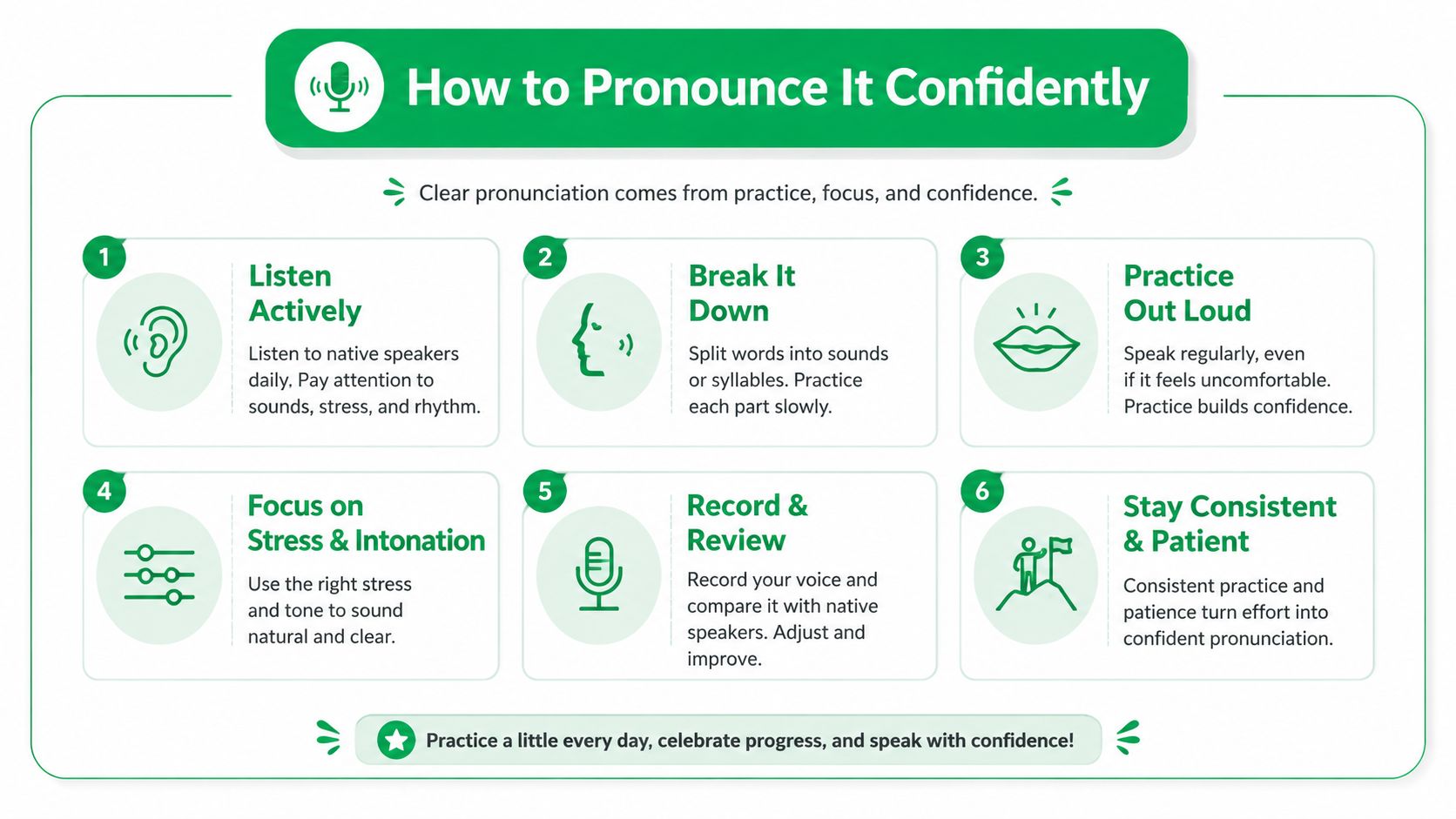
An infographic titled How to Pronounce It Confidently offering six steps to improve pronunciation skills.

Start with the rhythm, then refine the sounds

A good first goal is rhythm. Irish often becomes easier once you stop treating the whole sentence like one long word.

Say it in three parts:

  • Lá breithe
  • sona
  • duit

That works like learning a tune by phrase instead of trying to sing the whole song at once. Once the rhythm feels steady, the pronunciation gets much less intimidating.

Here is a simple way to practise:

  1. Say by itself and keep it open and clear.
  2. Add breithe slowly. This is the part many beginners rush.
  3. Say sona duit as one unit.
  4. Join the two chunks and keep an even pace.

If you want more help matching Irish spelling to sound, this Irish pronunciation guide for beginners gives a wider explanation of the patterns behind words like these.

The spots that usually trip beginners up

Breithe is often the hardest part. English speakers tend to over-pronounce every letter they see, but Irish does not reward that approach. It is better to aim for a smooth approximation than to force each consonant.

Duit can also feel surprising. On the page, beginners often expect a hard, obvious ending. In speech, the sound is softer and quicker than many learners expect.

That is why confidence grows faster when you practise the phrase as spoken music, not as spelling recitation.

Why you may hear different versions

Irish has real regional variation, so you may hear small differences from one speaker to another. The Irish Language Forum discusses this in a thread on Irish birthday pronunciation, including forms learners notice such as sounds closer to “dhuit” in some speech and “shona dhuit” in others.

That can unsettle beginners at first. It should reassure you instead.

The standard written phrase still gives you a strong, polite greeting. If your version is careful and clear, people will understand you. A slower, steady Lá breithe sona duit sounds far better than a fast version said with panic.

Aim for warmth, clarity, and a little practice. That is what makes it sound confident.

More Irish Birthday Wishes and Phrases

Once you've got the main greeting, you can make your message feel warmer with a few extra Irish expressions. You don't need a long, poetic paragraph. Even adding one short phrase can change the tone from “I found a translation” to “I meant this.”

A grid displaying six icons representing Irish themes: a shamrock, harp, cupcake, goblet, cauldron, and beer.

Phrases that add warmth

Here are a few expressions people often like alongside a birthday greeting:

  • Go mbeire muid beo ar an am seo arís
    A traditional sentiment meaning “May we be alive at this time next year.”

  • Comhghairdeas
    “Congratulations.” Useful when the birthday message also marks a milestone.

  • Sláinte
    “Health” or “cheers.” Good for a toast, a dinner, or a celebratory card.

If you want to build a wider bank of everyday expressions around birthdays, cards, and social messages, this collection of Irish greetings and phrases gives you more options without overwhelming you.

How people actually use them

A natural birthday card doesn't need to sound formal. It can be simple and affectionate.

For example:

Lá breithe sona duit. Sláinte agus sonas duit.

Or, for a toast at a table:

Lá breithe sona duit, agus go mbeire muid beo ar an am seo arís.

That second line has a lovely old-fashioned warmth to it. You don't have to use it every time, but it's memorable when you want the message to feel a little more rooted in tradition.

The key is restraint. One main birthday greeting plus one extra phrase usually sounds better than stuffing a message with expressions you don't fully understand.

Writing Your Birthday Message in Irish

You have the greeting in your head. Now you need to put it on a card, in a text, or under a photo without second-guessing every word. That part often feels harder than learning the phrase itself, but it gets much simpler once you make one choice first.

Are you writing to one person or more than one?

That single decision controls the form you use. Duit means “to you” for one person. Daoibh means “to you” for more than one. English hides that difference, so beginners often miss it. Irish does not. It works a bit like choosing between “you” and “you all,” except Irish builds that distinction right into the word.

Short templates you can copy

Use these as clear, natural starting points.

For a birthday card to one person

  • A chara [Name],
    Lá breithe sona duit.
    Le grá,
    [Your Name]

For a text message

  • Lá breithe sona duit, [Name]!

For a social media caption

  • Lá breithe sona duit, [Name]. Sláinte agus sonas duit.

For a group message to more than one person

  • Lá breithe sona daoibh!

If you are unsure which version fits, read the message as if you were handing it directly to the person. One friend. Use duit. Several people. Use daoibh. That quick check prevents a lot of beginner mistakes.

Typing Irish accents correctly

The fada matters. You can see it in words like and grá, and it is not decoration. It changes the written form of the word, so a birthday message looks much more confident when you include it properly.

If typing the fada slows you down, this guide to keyboard shortcuts for Irish accents can help.

One last tip. Keep the message short enough that you can understand every word you write. A simple Irish birthday message feels warmer than a longer one copied without confidence.

Practice Speaking with Gaeilgeoir AI

Reading a phrase in one's head and saying it to a real person are two different skills. Most learners know more Irish than they can comfortably speak because they haven't rehearsed the moment itself.

Why practice changes everything

A birthday greeting is short, but it carries pressure. You want to get the pronunciation close enough that you don't freeze, laugh nervously, or switch back to English halfway through.

That kind of confidence usually comes from repetition in context:

  • Say it aloud when you're alone first.
  • Record yourself and listen back.
  • Use it in a full sentence rather than as an isolated phrase.
  • Repeat it on different days so it feels familiar, not rehearsed.

A low-pressure way to rehearse

One option for that kind of practice is Gaeilgeoir AI. The platform is built around guided Irish conversations, pronunciation support, adaptive quizzes, and scenario-based speaking practice for everyday situations. That makes it a practical place to rehearse a birthday greeting before you use it with a friend, family member, or classmate.

If you prefer a self-study route, you can also practise by reading your card message out loud three or four times before writing it neatly. The method matters less than the repetition.

Confidence in spoken Irish usually starts this way. Not with a perfect performance, but with one phrase you've said enough times that it finally feels like yours.

Frequently Asked Birthday Questions

Is there an Irish happy birthday song

Yes. In everyday use, people usually sing the familiar English birthday tune and swap in the Irish words. That helps because you only have one new thing to manage at a time: the phrase itself, not a brand-new melody.

The version you will hear most often is:

  • Lá breithe sona duit
  • Lá breithe sona duit
  • Lá breithe sona duit, a [Name]
  • Lá breithe sona duit

If you add a name, pause very slightly before a [Name]. That little pause makes the line easier to say and easier to hear. For a beginner, that matters more than trying to sound fancy.

How do you say happy belated birthday in Irish

A simple way to say it is:

Lá breithe sona duit, cé go bhfuil sé déanach

This gives the sense of “happy birthday, though it is late.” If that feels long to say, write the Irish greeting first, then add one warm sentence in English. That still reads as thoughtful, especially if your goal is to use Irish with care rather than guess at wording you cannot pronounce confidently.

For example:

Lá breithe sona duit, cé go bhfuil sé déanach. Hope you had a lovely day.

That kind of mixed message is common among learners because it keeps the Irish accurate and the tone natural.

Is there a more formal version

For cards, texts, school settings, and messages to older relatives, the standard greeting is usually enough. Irish does not require a special “formal happy birthday” phrase in the way beginners sometimes expect.

The tone comes from the extra words around it. A respectful opening, neat spelling, and a short sincere line will do more than searching for a rare formal alternative. If you are unsure, simple is the safer choice.

Should I worry about dialect if I'm a beginner

No. Clear Irish in one form is better than hesitant Irish copied from three different dialects at once.

Pronunciation does vary across Connacht, Munster, and Ulster. You may hear small differences in rhythm or vowel quality. For a birthday greeting, though, the primary beginner trap is not dialect. It is losing confidence because you think there is only one perfect regional version. If your words are clear and your duit or daoibh matches the person you are addressing, you are doing the important part well.

What's the biggest mistake to avoid

The most common mistake is using the wrong ending for the listener, then rushing the whole phrase.

Use duit for one person. Use daoibh for two or more people. If you are saying it aloud, slow down on the last word, because that is where learners often blur the sound. A good rhythm is to treat the phrase like four small steps: Lá / breithe / sona / duit. Once each step is clear, the full greeting feels much easier to say with confidence.

If you want to move from recognising Irish phrases to saying them out loud, Gaeilgeoir AI gives you a practical way to practise through guided conversations, pronunciation support, and real-life speaking scenarios.

Go Raibh Mile Maith Agat in English: Go Raibh Míle Maith

“Go raibh míle maith agat” in English is usually “thanks a million” or “thank you very much.” Its literal sense is even lovelier: “may you have a thousand good things.”

If you're here, you've probably seen the phrase in a text, heard it in a song, spotted it on a card, or wanted a fuller answer than a quick dictionary gloss. That's a good instinct, because this is one of those Irish expressions that becomes more interesting the closer you look at it.

A lot of learners start with translation alone. They want the neat English equivalent and then move on. But with Irish, gratitude often carries a warmer, more generous feeling than a simple one-to-one swap of words. When you understand that, go raibh mile maith agat in english stops being just a phrase to memorize and starts feeling like a small doorway into how Irish expresses care, kindness, and goodwill.

Table of Contents

More Than Just Thank You The Heart of Irish Gratitude

You know that moment when plain “thanks” feels too small. Someone helps you find your way. A relative gives you something thoughtful. A friend goes out of their way for you. You want your gratitude to sound fuller, warmer, and more human.

That's where go raibh míle maith agat shines.

For many learners, the first surprise is that Irish often feels less transactional than English in these moments. The phrase doesn't just hand over a tidy verbal token of thanks. It carries the feeling of wishing something good back to the other person. That's part of why it sticks in memory so easily.

Irish gratitude often feels like a blessing turned outward, not just a social formula.

Language learning isn't only about swapping labels. It's also about noticing how a culture organizes feeling into words. That's the same reason translators often talk about choosing between translation and localization. A phrase can be translated correctly and still miss the atmosphere around it if you don't understand how people use it.

Why learners connect with this phrase

Some Irish expressions become popular because they're charming. Others last because they're useful. This one is both. It works in everyday life, but it also carries a poetic texture that many beginners don't expect.

If you've already come across expressions of Irish welcome, you may have noticed a similar warmth in phrases like céad míle fáilte. Irish often reaches for abundance when it wants to express hospitality or appreciation. That pattern makes the language feel generous, and that's part of its appeal.

What makes it memorable

A few things help this phrase stay with learners:

  • It sounds musical: Even before you master pronunciation, the rhythm is memorable.
  • It feels bigger than basic thanks: You can hear the emphasis in it.
  • It teaches culture as well as vocabulary: You aren't only learning what to say. You're learning how Irish frames gratitude.

That combination is why people come looking for the English meaning and end up wanting much more than a translation.

What Go Raibh Míle Maith Agat Actually Means

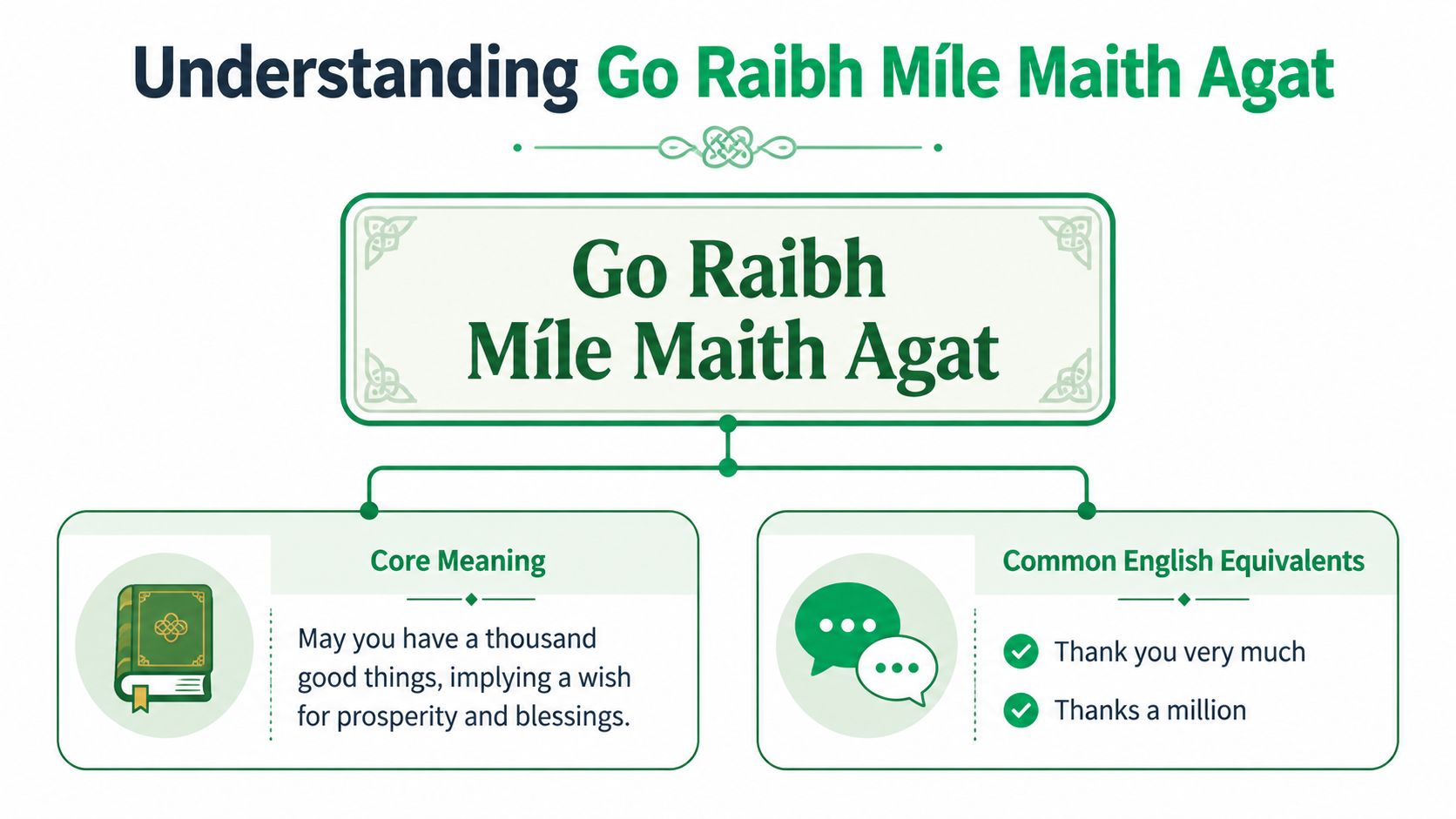
The most natural English translations are “thank you very much” and “thanks a million.” Historically, the phrase is a stronger, more emphatic version of everyday thanks, and the shorter go raibh maith agat is the standard everyday “thank you” to one person, as explained in Patrick Comerford's discussion of the phrase and its literal sense.

An infographic explaining the meaning and common translations of the Irish phrase Go Raibh Mile Maith Agat.

The everyday translation

If you need a quick answer for conversation, cards, captions, or a classroom exercise, use one of these:

  • Thanks a million
  • Thank you very much

Those are the closest natural English matches. They capture the tone better than a stiff word-for-word rendering would.

The deeper literal meaning

The literal gloss often given is this:

“May you have a thousand good things.”

That's the part learners tend to love. Instead of gratitude sounding like a simple exchange, the phrase turns outward as a wish for the other person's well-being. It has the shape of thanks, but also the spirit of goodwill.

For that reason, go raibh mile maith agat in english can't be fully captured by a single flat translation. The practical meaning is easy enough, but the emotional meaning is richer.

A simple word-by-word feel

You don't need a heavy grammar lesson to appreciate the structure. A learner-friendly way to feel the phrase is this:

Part Simple sense
go raibh may there be / may you have
míle thousand
maith good / goodness
agat at you / with you

This kind of breakdown is useful as a memory aid, not as something you need to recite every time. Think of it as the hidden framework beneath the phrase.

Main takeaway: the English translation gives you the social meaning, but the literal meaning gives you the cultural heart of the phrase.

Once you see that, the expression becomes much easier to remember. It isn't random. It's gratitude shaped like a generous wish.

A Simple Guide to Pronouncing Go Raibh Míle Maith Agat

Many beginners can understand this phrase long before they feel brave enough to say it out loud. That's normal. Irish spelling takes a little getting used to, but this phrase becomes manageable when you break it into small pieces.

A good first goal isn't perfect accent. It's confidence and clarity.

Pronunciation Breakdown

Irish Word Phonetic Spelling Sounds Like (English approximation)
Go guh like “guh” in a soft, quick way
Raibh rev close to “rev”
Míle MEE-leh “me” + “leh”
Maith mah like “ma” in “mama,” cut short
Agat AH-gut “ah” + “gut”

Put together, many learners use something close to: guh rev MEE-leh mah AH-gut.

That won't capture every regional nuance, but it gives you a solid starting point.

Where English speakers usually get stuck

Most hesitation happens in two places.

First, raibh doesn't look like “rev” to an English-speaking eye. Irish spelling and sound relationships follow different patterns, so this word often surprises people.

Second, maith can tempt learners into over-pronouncing the final letters. In normal learner-friendly speech, keep it short and clean rather than heavy.

Don't wait for perfect pronunciation before you use the phrase. A respectful attempt is how fluency begins.

A practice method that works

Try this in three passes:

  1. Chunk it in two parts: say go raibh and then míle maith agat.
  2. Slow it down: speak each word clearly once or twice.
  3. Smooth the rhythm: say the full phrase at natural speed without forcing it.

If pronunciation is your main hurdle, a dedicated Irish pronunciation guide for beginners can help you hear recurring sound patterns that show up far beyond this one phrase.

A gentle confidence rule

Irish learners often think they need to sound polished before they can use real phrases. You don't. If you can say it clearly enough to be recognized, you're already doing real language work.

The phrase is beautiful, yes. But it's also practical. Say it kindly, say it steadily, and let your pronunciation improve through repetition.

Essential Grammar Thanking One Person vs Many

This is one of the first grammar points that makes your Irish sound more natural right away. The ending changes depending on who you're thanking.

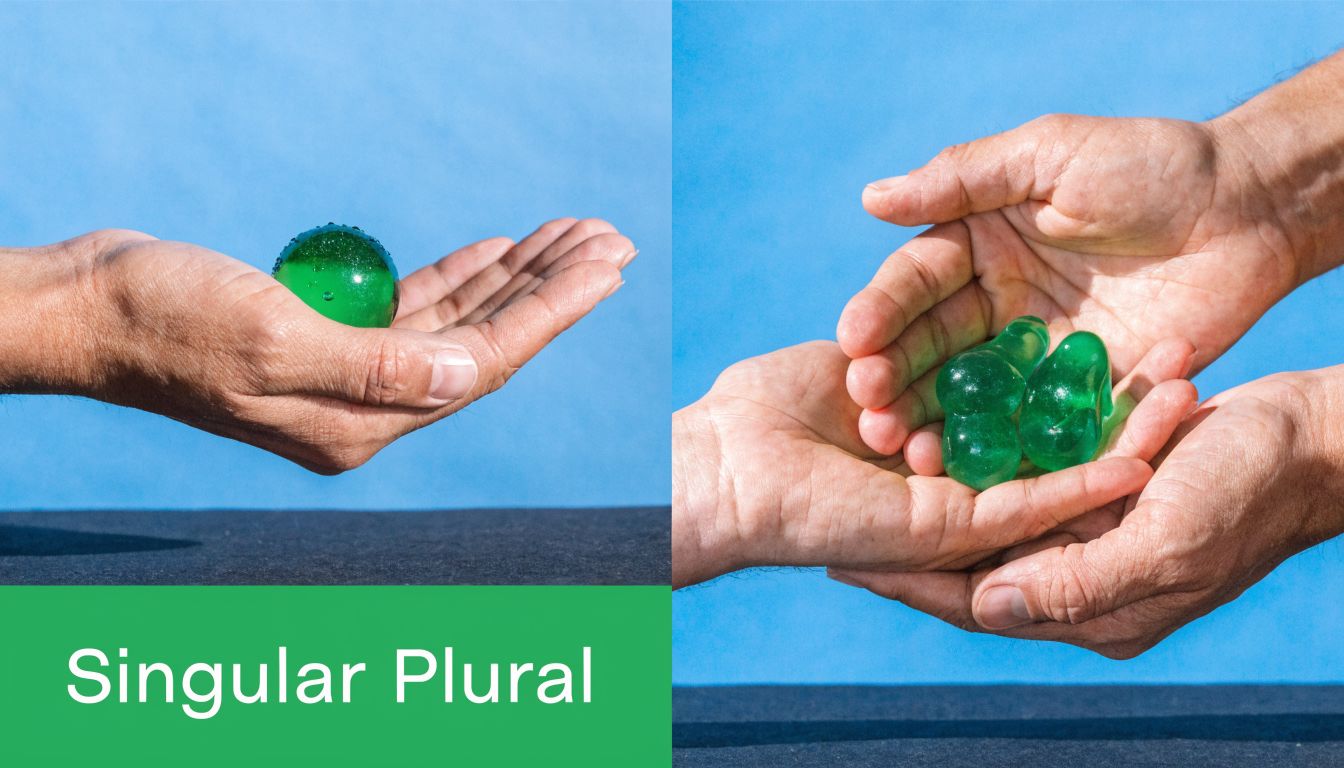
A conceptual image showing a single green marble in one hand and multiple marbles in both hands.

According to Bitesize Irish on polite phrases and common usage, go raibh maith agat is used to thank one person, while go raibh maith agaibh is used for more than one person and also as a respectful form. The same source also notes the widely used abbreviation GRMA in online Irish-language spaces.

The key contrast

Here's the simplest way to hold it in your mind:

  • go raibh maith agat for one person
  • go raibh maith agaibh for more than one person, or when you want a respectful tone

Irish pays close attention to who is being addressed. If you've studied other languages with singular and plural “you,” this may feel familiar.

A grammar-minded reader might enjoy seeing how small changes in wording shift effect and meaning. That same close reading skill shows up in literary study too, which is why resources that evaluate literary techniques with MasteryMind can sharpen your attention to form. In Irish, that attention pays off quickly.

Why agat and agaibh confuse beginners

English doesn't force this distinction in the same way, so learners often memorize one version and use it everywhere. That's understandable. But this is exactly the kind of small adjustment that makes your Irish sound much more aware and accurate.

If prepositional pronouns are new territory, this guide to mastering Irish prepositional pronouns helps explain why endings like these change.

Here's a quick listening aid before you practise the pair aloud:

The digital shorthand you'll see online

GRMA stands for go raibh maith agat. You'll spot it in messages, comments, and informal digital conversation.

Practical rule: learn the full phrase first, then recognize GRMA as a common shortcut rather than a replacement for proper speech.

That little detail reminds learners that Irish isn't frozen in old books. People text in it, shorten it, and use it in everyday online life.

When to Use Go Raibh Míle Maith Agat and How to Respond

The easiest way to choose this phrase is by feeling the weight of the moment. If ordinary thanks feels a bit small, go raibh míle maith agat is often the right fit. It's widely taught as the intensified Irish equivalent of English “thanks a million,” and IrishCentral also notes related forms such as buíochas, míle buíochas, and go raibh maith agaibh within the wider gratitude system in Irish, as described in their overview of thank you in Irish.

A close-up shot of two people shaking hands, wearing casual clothing, outdoors on a sunny day.

Natural situations for using it

Think about the emotional size of the interaction.

If someone passes you the salt, ordinary thanks will do. If someone helps you after you've been stuck, gives you a meaningful gift, or makes a special effort, the stronger phrase fits beautifully.

Here are a few natural examples:

  • After receiving help: You dropped your bag, someone helped gather everything, and you want to sound sincerely grateful.
  • After a thoughtful gift: A family member gives you something personal, not just polite.
  • After real kindness: A stranger explains directions carefully when you're lost.

Mini dialogues you can borrow

These are simple on purpose. Beginners learn fastest with short, reusable exchanges.

Gift situation

  • Person A: “I got this for you.”
  • You: “Go raibh míle maith agat.”

Help from one person

  • Person A: “No problem. I'm glad I could help.”
  • You: “Go raibh maith agat.”

Thanking a group

  • You: “Go raibh maith agaibh.”

How to respond when someone thanks you

Many learners stop short at this point. They learn how to say thanks, but not how to answer it. Keep your response simple at first.

A common response is:

“Tá fáilte romhat.”

That's the phrase many learners first meet for “you're welcome.” You don't need a long reply. In real conversation, a short, warm answer often sounds most natural.

Useful alternatives to know

It helps to recognize a few nearby expressions without trying to master everything at once.

  • Buíochas means thanks
  • Míle buíochas means many thanks
  • Go raibh maith agaibh is for thanking more than one person

If you want to move from phrase recognition into actual speaking practice, Gaeilgeoir AI offers guided Irish conversations, pronunciation support, and scenario-based exercises built around everyday situations like greeting people, asking for help, and using practical social phrases. That kind of practice helps expressions like this become active language instead of passive knowledge.

The true skill isn't just knowing what go raibh mile maith agat in english means. It's sensing when it fits, saying it naturally, and understanding the warmth it carries.

Start Your Irish Language Journey Today

Learning one phrase well can teach you more than a long vocabulary list half remembered. With go raibh míle maith agat, you've picked up an English translation, a literal meaning, a pronunciation pattern, and a small but meaningful glimpse of how Irish expresses gratitude.

That's what makes Irish so rewarding for beginners. Even a short expression can carry culture, relationship, and feeling. You aren't only learning what to say. You're learning how Irish speakers shape kindness into language.

What to hold onto

A few core ideas matter most:

  • Use the natural English sense: “thanks a million” or “thank you very much.”
  • Remember the deeper image: “may you have a thousand good things.”
  • Watch the audience: one person and more than one person don't take the same ending.
  • Stay practical: learn the phrase, say it aloud, and use it in real moments.

A phrase becomes yours when you understand both its meaning and its mood.

If you're returning to Irish after school, reconnecting with family roots, or starting from zero, this is exactly the kind of phrase that builds momentum. It's useful, memorable, and rich enough to remind you that Irish isn't distant or inaccessible. It's a living language full of texture.

The next step is simple. Keep going while your curiosity is awake.


If you'd like to turn phrases like this into real conversation, try Gaeilgeoir AI. It helps beginners and returning learners practise Irish through guided, real-world speaking scenarios, pronunciation support, and adaptive review so you can move from recognizing expressions to using them with confidence.

Irish Language Translator: A Guide to Getting It Right

You're probably here because you typed a phrase into an irish language translator, got something back, and still weren't sure if it was right. Maybe it looked formal when you wanted conversational. Maybe it looked word-for-word English dressed up as Irish. Or maybe you needed something simple like “Can I order a coffee?” and the result felt oddly stiff.

That confusion is normal. Irish isn't a language where you can always swap one English word for one Irish word and expect a natural sentence. Grammar shifts, dialect choices matter, and small spelling changes can carry real meaning. For beginners, that makes translation feel harder than it should be.

A good irish language translator can still be useful. The trick is knowing which kind of help you need. Sometimes a machine tool is enough. Sometimes you need a human translator. Sometimes what you really need isn't translation at all, but guided practice so you can say the phrase yourself with confidence.

Table of Contents

Why Using an Irish Language Translator Can Be Tricky

Irish sits in an unusual position. A lot of people in Ireland have some relationship with the language, but far fewer use it actively every day. According to Ireland's 2022 census data on Irish language use, 1,873,997 people aged three and over said they could speak Irish, while 71,968 reported speaking it daily. That gap explains why so many people reach for translation tools. They know some Irish, recognize some Irish, but need help turning that into natural wording.

That's where the trouble starts. Many tools are built for major world languages with huge amounts of training material. Irish has less of that material available, so machine output can sound shaky, too literal, or strangely formal. If you're a learner, you may not spot the mistake until a teacher, fluent speaker, or friend says, “That's not how we'd say it.”

There's another source of confusion. People often search for an irish language translator when they need different things. One person wants a sentence for a holiday. Another needs help with pronunciation. Another needs an official document translated properly. If you're still sorting out whether you need translation, dictation, or text conversion, this guide on choosing between transcription and translation services can help clarify the difference.

What people usually mean by translator

When learners say “translator,” they often mean one of three things:

  • A machine translator: A quick online tool for turning English into Irish, or Irish into English.
  • A human translator: A qualified person for official, professional, or sensitive content.
  • An interactive learning tool: Something that helps you build phrases, hear pronunciation, and understand why a sentence works.

Practical rule: If the sentence has to be legally correct, publicly published, or culturally polished, don't trust a first-pass machine output on its own.

Irish also changes by region in ways that can surprise beginners. A phrase that sounds natural in one dialect may feel unusual in another. If you've ever wondered why two Irish speakers give slightly different versions of the “same” sentence, this overview of dialectal differences in Irish is worth reading.

How Machine Translators Process the Irish Language

Machines don't “understand” Irish the way a teacher or native speaker does. They look for patterns. Some systems do that in an older, more piecemeal way. Newer ones handle larger chunks of language at once and usually sound smoother.

Abstract visualization of colorful flowing fiber structures with digital symbols floating in a dark background space.

Two different ways machines translate

A simple analogy helps here.

Statistical Machine Translation, often shortened to SMT, works a bit like a student who has memorized lots of bilingual phrase cards. It looks at many examples and guesses which words or short chunks usually match. This can produce usable results, but it often sounds patchy because the system is assembling a sentence from parts.

Neural Machine Translation, or NMT, is more like a student trying to understand the whole sentence before answering. According to research on Irish machine translation systems, Irish Neural Machine Translation systems use deep learning to process whole sentences, which usually gives more fluent output than older phrase-based SMT systems. That's why newer tools often sound less robotic.

Still, smoother isn't the same as correct. A sentence can sound elegant and still be wrong in grammar, register, or meaning.

Why Irish is harder for AI tools

Irish is often described as a low-resource language in language technology. That doesn't mean the language is weak or less expressive. It means AI systems have fewer high-quality bilingual examples to learn from than they do for languages like English, Spanish, or French.

That matters because Irish has features machines often mishandle:

  • Initial mutations: Small spelling shifts at the start of a word can change after certain grammar triggers.
  • Flexible phrasing: The most natural Irish version of an idea may not mirror English structure.
  • Dialect variation: Ulster, Connacht, and Munster Irish don't always line up neatly.
  • Register: Schoolbook Irish, official Irish, and spoken everyday Irish can feel quite different.

A machine translator is a shortcut for pattern matching, not a substitute for judgment.

If you want to see how AI can be more useful when it supports learning instead of pretending to replace it, this guide to learning Gaelic language with AI gives a practical view of where these tools fit.

Common Errors and What to Watch Out For

The most common Irish translation mistakes aren't random. They follow patterns. Once you know those patterns, you'll start spotting bad output much faster.

A person in a beanie and glasses looking thoughtfully at an Irish language learning app interface.

Literal translation traps

English idioms are a minefield. If you feed an idiom into a generic translator, it may produce a sentence that is technically word-shaped but culturally bizarre. That's because the system often chases the surface meaning rather than the underlying idea.

For example, learners often expect a translator to convert an English phrase piece by piece. Irish doesn't always work that way. A natural Irish sentence may completely reorganize the thought.

Watch out for these warning signs:

  • It sounds overly English: The sentence follows English word order too neatly.
  • It feels too formal for the situation: You wanted a casual phrase and got something stiff.
  • Each word seems translated separately: That usually means the tool didn't catch the idiom.
  • You can't explain why the grammar works: If the system can't show its reasoning, treat the output as a draft.

This problem shows up in other language workflows too. If you work with multilingual apps or websites, the discussion of fixing machine translation errors in Django is useful because it highlights how machine output often needs review before people rely on it.

Grammar and dialect problems

Irish grammar has little switches that machines often miss. A common one is the change at the beginning of a word after certain particles or possessives. Beginners know these as lenition and eclipsis, and they matter more than many translators admit.

A machine may also mix dialects in a single result. That can leave you with a sentence that isn't clearly wrong to a beginner, but doesn't sound fully natural to a speaker from any one region.

If a translation looks polished but you wouldn't know how to say it out loud, pause before using it.

For learners, guided correction proves beneficial. A page on common mistakes in Irish can train your eye to notice the kinds of errors machines slip into everyday phrases.

Here's a short explainer that shows why these small issues matter in practice:

A quick way to sanity-check a translation

When you get Irish output from a tool, ask yourself three simple questions:

  1. Would I hear this in conversation?
  2. Is this for understanding, or for sending to another person?
  3. Can I verify it with a teacher, dictionary, or learning context?

If the answer to the second question is “I'm sending it,” you need a higher standard than if you're just trying to understand a sign or headline.

A Practical Guide to Choosing Your Translator

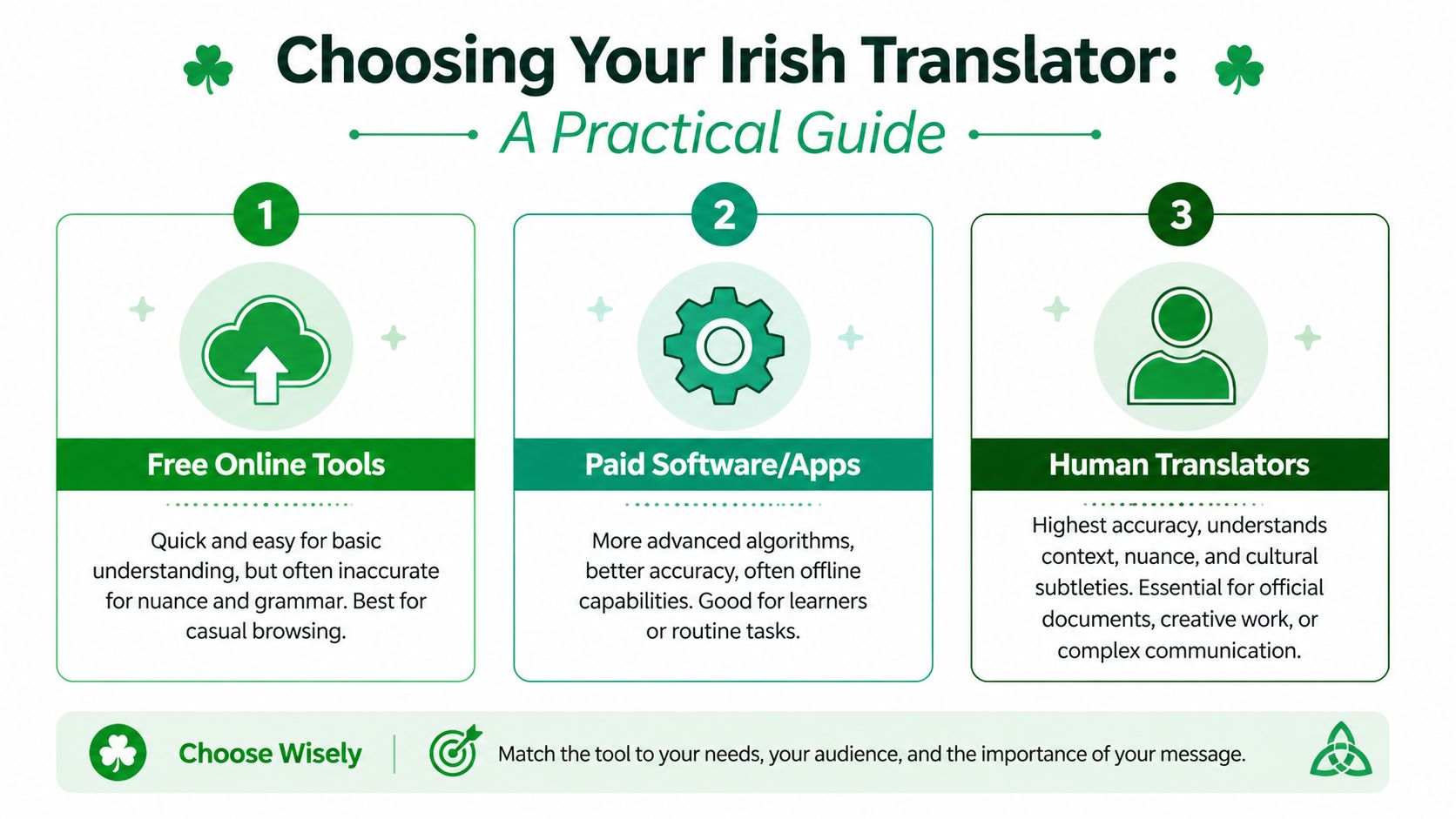
Choosing the right irish language translator is less about finding one perfect tool and more about matching the tool to the task. A rough draft, a study aid, and an official translation are three different jobs.

A guide illustrating the three types of Irish translators, comparing online tools, software, and professional human services.

When a free tool is enough

Free online tools are fine for low-risk tasks. Think reading a menu item, getting the gist of a sentence, or testing vocabulary. They're fast, and for casual browsing that speed matters more than polish.

Use them when:

  • You need rough meaning: Signs, short posts, basic phrases.
  • You're brainstorming: You want a starting point, not a final answer.
  • You're checking vocabulary: One word or a short phrase at a time.

Don't use them as your final step for anything formal, public, or emotionally important.

When you need a human translator

For official content, accuracy is a process, not a guess. According to guidance on Irish translation accreditation and workflow, professional translators in Ireland often hold accreditation such as Séala an Aistriúcháin from Foras na Gaeilge, and their workflow includes a primary translator and a secondary linguist reviewer. That's a very different standard from copying and pasting a machine result.

Choose a human translator for:

  • Official documents
  • Legal or medical material
  • Business content
  • Published writing
  • Anything where tone and nuance matter

If your project also includes media, subtitles, or visual storytelling, tools outside pure translation may come into the workflow. For example, a cinematic AI video generator can help create visuals around content, but it doesn't replace linguistic review. The language still needs a qualified human when accuracy matters.

When a learning tool makes more sense

A lot of people searching for an irish language translator are not trying to outsource the language. They're trying to use it. That's a different need.

Here's a quick comparison:

Option Best for Main strength Main risk
Free online tool Quick gist Speed Weak nuance
Learning app or guided AI tool Study and speaking practice Feedback and repetition Not for certified translation
Human translator Official or polished content Context and review Slower, more involved

One learning-focused option is Gaeilgeoir AI, which offers guided Irish conversation practice, pronunciation support, and instant phrase help for learners. That makes it more useful than a plain translator when your real goal is to speak, prepare for class, or build confidence in everyday situations.

Suggested Workflows for Common Scenarios

A tool becomes easier to choose when you attach it to a real situation. The need isn't for “translation” in the abstract. They need a phrase for travel, support for study, or a trustworthy version of a document.

A person using a smartphone and another person learning Irish on a tablet, showcasing modern language learning.

For a traveler

If you're visiting Ireland and want to interact respectfully with the language, keep your workflow light.

Start with a free translator for signs or simple lookups. Then practice a handful of spoken essentials like greetings, ordering food, or asking directions in a learning environment where you can hear and repeat the phrase. Don't rely on a copied machine sentence for a full conversation.

A small, usable phrase set beats a huge list you can't pronounce.

For a student preparing for oral Irish

Students often make the mistake of collecting model answers they don't fully understand. That usually backfires in conversation.

A better workflow looks like this:

  1. Draft the idea in simple English
  2. Build the Irish version in short chunks
  3. Check vocabulary and grammar
  4. Practice speaking it aloud
  5. Get feedback on pronunciation and phrasing

Learn sentences the way you'd learn music. Don't just read the notes. Say them, hear them, and repeat them until they feel natural.

For a heritage learner

Heritage learners often want more than correctness. They want connection. That means the “best” translation isn't always the most literal one. It's the one that sounds like something a real person would say.

Try this rhythm:

  • Collect family words and phrases: Even partial memories matter.
  • Check whether they're dialect-specific: Some family expressions may reflect a region.
  • Use translation as a clue, not a verdict: Let it point you toward meaning.
  • Practice in conversation: That's where the language becomes personal again.

For professional or official use

For professional work, start with the assumption that machine tools are only drafting aids. Public-facing or formal Irish needs review by someone qualified.

That matters even more now because the demand for strong Irish translation has grown in institutional settings. As reported by The Irish Times on the rise of Irish translators in EU institutions, Irish became a full official and working EU language in 2022, and the number of Irish-language translators across EU institutions rose from 58 to over 200, with translation volume reaching tens of thousands of pages annually. Irish isn't only symbolic. It's working language territory now.

That raises the bar. If your translation represents an organization, treat it that way.

Beyond Translation From Words to Conversation

Starting with translation often feels safe. You put words in, you get words out. That's helpful at the beginning, especially when Irish still feels unfamiliar.

But translation is only a bridge.

If your real goal is to travel, reconnect with family history, pass an oral exam, or speak even a little Irish with confidence, then word conversion won't get you all the way there. You need to know when a phrase sounds natural, when a sentence feels too English, and how to say the thing you mean without waiting for a machine to guess it for you.

That's why the most useful question isn't “What's the best irish language translator?” It's “What kind of support helps me communicate?” Sometimes that support is a professional human translator. Sometimes it's a quick machine tool for rough understanding. Often, for learners, it's guided practice that turns passive recognition into active use.

Irish rewards that shift. The language becomes much less intimidating when you stop treating it like a code to crack and start treating it like a conversation to join.


If you want to move beyond copying translations and start using Irish, try Gaeilgeoir AI. It's built for guided, real-world practice so you can work on everyday phrases, pronunciation, and speaking confidence at your own pace.

Irish for Name: Your Guide to Ainm and Introductions

You're probably here because you want one simple thing: to say your name in Irish, or to understand what someone means when they ask for it. That small moment matters more than most beginners expect. In Irish, learning how to ask and answer “what's your name?” isn't just survival language. It opens the door to sound, grammar, family history, and a very Irish way of making connection.

If you've ever felt that Irish looks beautiful but slightly intimidating, this is a good place to start. One useful word, a few natural phrases, and a little cultural context can carry you surprisingly far.

Table of Contents

The Irish Word for Name Ainm

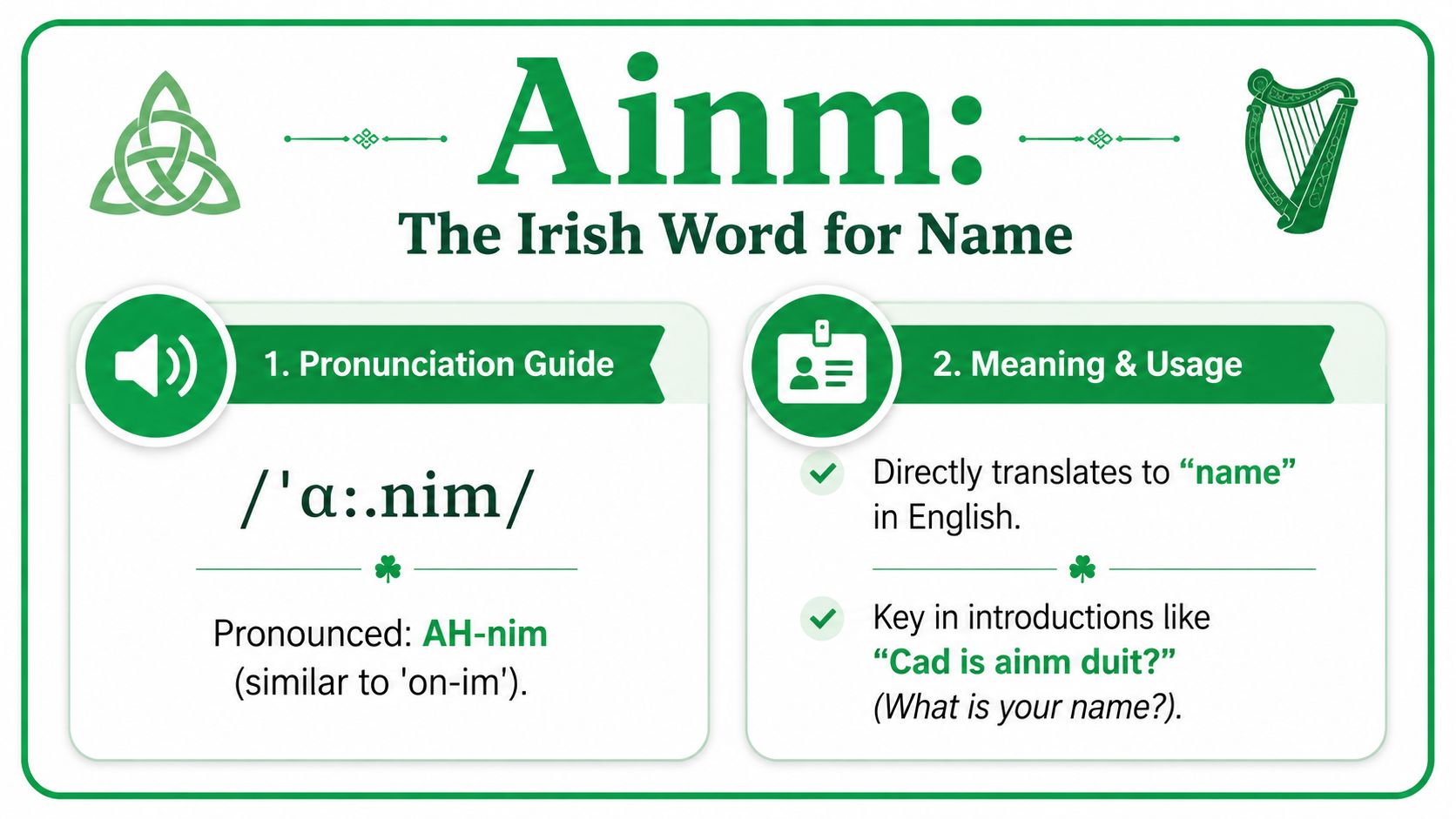
The Irish for name is ainm. If you're searching for irish for name, that's the core word you want to remember first.

A graphic explaining the Irish word Ainm, which means name, with pronunciation and usage examples.

How to say ainm

Many beginners freeze when they see Irish spelling. That's normal. Irish spelling is systematic, but it doesn't map neatly onto English sounds.

A handy beginner guide is to say ainm roughly like AH-nim. Don't worry about making it perfect on day one. What matters first is that you recognize it when you hear it and can say it clearly enough to be understood.

If pronunciation is the part that makes you hesitate, a focused Irish pronunciation guide can help you hear common sound patterns instead of trying to guess every word from the page.

Practical rule: Learn words with their sound, not just their spelling. Irish becomes much easier once your ear gets involved.

The most useful introduction phrases

Once you know ainm, you can build the most common question:

  • Cad is ainm duit?
    What is your name?

There are two very natural ways to answer:

  1. Is mise Seán.
    I am Seán.

  2. Seán is ainm dom.
    My name is Seán.

Both are correct. Both are common. If you're a beginner, start with the one that feels easier in your mouth.

Here are a few examples:

  • Cad is ainm duit? Is mise Aoife.
  • Cad is ainm duit? Liam is ainm dom.
  • Cad is ainm duit? Is mise Sara.

The second pattern can feel strange to English speakers because it doesn't follow English word order. That's one of the first lovely things about Irish. It reminds you that you're stepping into a different language world, not just swapping in translated words.

A quick way to remember it

Try this memory trick:

  • ainm = name
  • Cad is ainm duit? = What is your name?
  • Is mise… = I am…
  • … is ainm dom = My name is…

Say the full exchange aloud as one unit. It's easier to remember a tiny conversation than four separate fragments.

Understanding Key Grammar and Variations

Irish gets more flexible once you notice that small words carry a lot of meaning. The good news is that you don't need advanced grammar to sound polite and natural. You just need to recognize a few patterns.

Duit and daoibh

In Cad is ainm duit?, the word duit is used when speaking to one person.

You may also hear:

  • Cad is ainm daoibh?

That form is used when speaking to more than one person. In some contexts, it can also sound more formal or respectful.

Irish often marks the relationship between speakers more clearly than English does. English uses “you” for one person and many people. Irish doesn't always leave that vague.

A simple contrast helps:

Irish phrase Plain English use
Cad is ainm duit? asking one person
Cad is ainm daoibh? asking a group, or using a more formal plural form

If you only remember duit at first, that's fine. It will serve you well in everyday beginner conversation.

Why you may hear mainm

You might also come across a form like M'ainm is Pádraig. That means My name is Pádraig.

This can puzzle learners because it looks different from ainm. What's happening is that Irish changes words in certain grammatical settings. The little m’ shows possession, so m'ainm means my name.

Compare these:

  • Is mise Pádraig
  • Pádraig is ainm dom
  • M'ainm is Pádraig

All three introduce your name. They do it in different ways.

If grammar is something you want to understand rather than just memorize, a clear guide to the genitive case in Irish can help you notice why forms shift.

Surnames change in Irish too

Irish names don't stop at first names. Surnames also carry grammar and identity.

The Gaois Linguistic Database of Irish-language Surnames organizes 664 surname clusters and helps account for distinctions between male and female surname forms, including married and unmarried variations, features that anglicised forms often lost in English (research on the Gaois surname database).

That can surprise learners who only know surnames in fixed English forms. In Irish, names can reflect grammar, gender, and social context more visibly.

A name in Irish isn't always a frozen label. It can behave like part of the language around it.

That's one reason introductions in Irish feel richer than a simple exchange of labels. You're hearing language, family history, and grammar working together.

From English to Irish Common Gaelicised Names

A lot of learners don't stop at “what's your name?” They want to know, “What would my name be in Irish?” That question is especially meaningful for people reconnecting with family roots, but it's also just fun.

In Ireland today, naming remains lively and varied. The Central Statistics Office reported 10,336 distinct newborn names in 2025, with Irish-language names such as Rían, Dáire, Naoise, and Éabha prominent among the choices (CSO key findings on Irish babies' names in 2025).

Given names often have Irish forms

Some English names have direct Irish equivalents. Others have traditional Irish forms that aren't exact translations but are long-established matches.

A few examples many learners recognize quickly:

  • John becomes Seán
  • Mary becomes Máire
  • Patrick becomes Pádraig
  • Bridget becomes Bríd

Not every modern name has a neat traditional Irish counterpart. Sometimes the best approach is to keep your own name and learn how Irish speakers pronounce it naturally. That's a completely valid choice.

Common English Names and Their Irish Equivalents

English Name Irish (Gaeilge) Form Phonetic Pronunciation
John Seán shawn
Mary Máire MAW-ra
Patrick Pádraig PAW-drig
Bridget Bríd breed
Michael Mícheál mee-HAWL
Catherine Caitríona kat-TREE-na
James Séamus SHAY-mus
Sarah Sorcha SUR-kha
Joan Siobhán shi-VAWN
Owen Eoin OH-in

Use this table as a starting point, not a rulebook. Some families prefer one form, some another, and some use both depending on context.

What Ó and Mac tell you

Irish surnames carry especially deep history. Many are built from two ancestral markers: Ó and Mac.

  • Ó comes from an older form Ua
  • Mac means son

These forms later became the familiar English-looking O' and Mc/Mac. A large portion of common Irish surnames follow these recognizable patterns, which makes them useful for learners trying to decode family names (linguistic overview of Irish surname structure).

That's why surnames like Ó Briain and Mac Cárthaigh feel like more than labels. They point to descent, lineage, and older naming habits.

If your surname begins with O' or Mc, there's a good chance that learning its Irish form will teach you something about how Irish identity was carried through language, even when spelling shifted into English.

The Cultural Importance of Names in Ireland

A young girl and an elderly woman talking over drinks and books in a bright room.

Names matter in every culture, but in Ireland they often carry a special charge. Ask someone their name, and very often the conversation doesn't stop there. It moves naturally toward family, place, and connection.

A name can place you

A surname in Ireland can hint at region and history. One of the clearest examples is Murphy, which has been the most popular Irish surname for over a century according to Ireland's Central Statistics Office, with roots linked to the Ó Murchadha sept in Leinster (Irish surname reporting based on CSO data).

That kind of continuity helps explain why Irish people often listen closely to names. A surname may suggest where a family came from, what part of the island shaped them, or which older Gaelic form lies underneath the English spelling.

Why introductions feel personal in Ireland

Think of a simple encounter. You introduce yourself. Someone hears your surname and asks where your people are from. They aren't necessarily being formal or nosy. Often, they're being friendly in a distinctively Irish way.

That social instinct is part of what makes learning introduction phrases worthwhile. You're not just practicing textbook conversation. You're learning how to step into a culture where names often act like doors.

In Ireland, asking your name can be the start of a real conversation, not the end of a polite exchange.

For heritage learners, that can be especially moving. Sometimes the first Irish phrase someone learns is the one that lets them say their own name in a language their ancestors may have spoken. That's a small thing on paper. It rarely feels small in practice.

Practice Your Irish Introductions with Gaeilgeoir AI

Knowing the words is one thing. Saying them smoothly, at a natural pace, is something else.

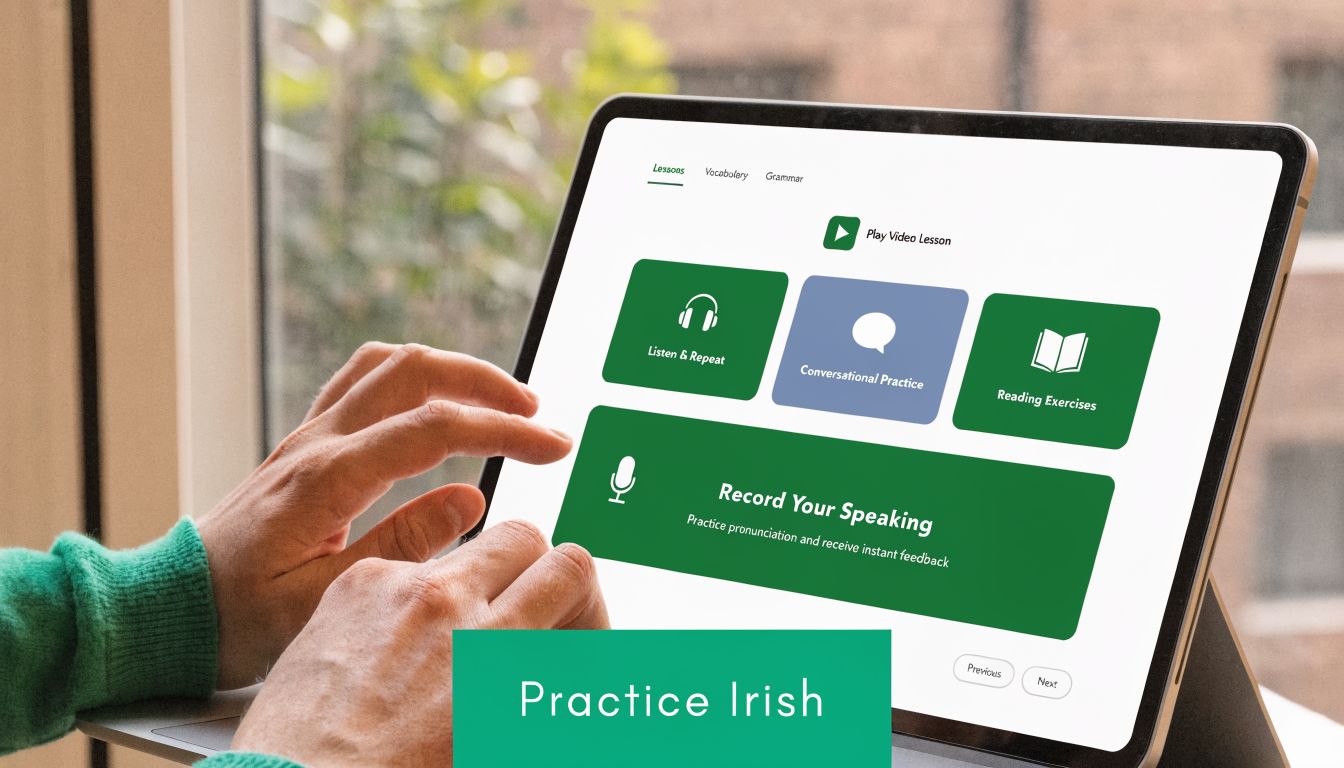
A person using a tablet to access an online Irish language learning platform with interactive lesson modules.

Why speaking practice matters early

A lot of learners stay stuck in recognition mode. They can read Cad is ainm duit? and understand it, but when a real person asks them a question, their mind goes blank for a second.

That's why active practice helps so much. Repeating short exchanges trains your mouth and ear together. It also removes the pressure of inventing long sentences before you're ready.

If you've used conversation tools for other languages, the same principle applies here. Many learners who want to boost your French confidence already understand that speaking improves fastest when practice feels low-pressure and regular. Irish works the same way.

A practical starting point for this is a basic Irish conversation guide that keeps you close to real social language rather than abstract vocabulary lists.

A simple practice routine

Try a short rotation rather than a long study session:

  1. Say the question aloud three times.
    Cad is ainm duit?

  2. Answer in two different ways.
    Is mise Anna.
    Anna is ainm dom.

  3. Swap in different names.
    Use your own name, your friends' names, and common Irish names.

  4. Practice listening as well as speaking.
    Hearing the rhythm matters as much as memorizing the wording.

  5. Add one follow-up question.
    Once your introduction feels easy, build outward.

Short, repeated speaking practice usually beats a long session of silent reading.

That's especially useful with names, because names are personal. If you practice with words that matter to you, they tend to stick better.

Start Your Irish Language Journey Today

Learning irish for name starts with ainm, but it doesn't end there. From one small word, you've already met everyday conversation, key grammar, Gaelic versions of names, and the cultural weight surnames can carry in Ireland.

That's a strong beginning. It's also a manageable one. You don't need to master the whole language before you can introduce yourself well.

If you want more real interaction, it can help to find language practice partners alongside your own study so you hear different accents and conversation styles. Even then, your first reliable skill should still be a confident introduction.

Keep it simple. Learn ainm. Practice Cad is ainm duit?. Answer without rushing. Then repeat until it feels like yours.


If you're ready to turn these phrases into real spoken Irish, Gaeilgeoir AI is a practical next step. It gives you guided, real-world Irish conversation practice from day one, so you can move from recognizing phrases like Cad is ainm duit? to using them with confidence. You can also start at learn.gaeilgeoir.ai if you want a focused place to begin.

Colleen in Irish: The Real Word is Cailín (Guide)

If you're searching for colleen in irish, you're probably trying to answer a simple question that turns out not to be simple at all. You may have heard the name Colleen, assumed it was a standard Irish word, and wondered whether people in Ireland still use it in everyday speech.

That confusion makes perfect sense. The catch is that Colleen is not the everyday Irish word. The word you're really looking for is cailín, an Irish noun meaning girl or young woman. Once you separate those two, a lot of other things become easier: pronunciation, grammar, and understanding why something can sound Irish abroad but slightly off in Ireland itself.

This matters for heritage learners, travelers, and students returning to Irish after years away. If you want to sound natural, it's helpful to know when you're dealing with an English given name and when you're dealing with an actual Irish vocabulary word.

Table of Contents

Introduction Why 'Colleen' Is Not the Word You Hear in Ireland

You search for “colleen in Irish,” then land in Ireland, hear people speaking, and notice something odd. The word Colleen is not what you usually hear for “girl.” In everyday Irish, the word is cailín.

That confusion is very common, especially for learners from Irish American or Irish diaspora backgrounds. Colleen looks Irish, and it has Irish roots, but in modern use it usually functions as an English given name. Cailín, by contrast, is the ordinary Irish noun for “girl.” If you are also exploring Irish names for girls, this distinction will save you from mixing up a name with a common vocabulary word.

A helpful way to sort this out is to treat the two words as living in related but different worlds. Colleen belongs mostly to English naming tradition. Cailín belongs to Irish speech.

Why learners get tripped up

English often absorbs words from other languages and reshapes them over time. Once that happens, the borrowed form can start behaving differently from the original. That is what causes the confusion here.

So when someone asks about colleen in irish, they are often asking one of two different questions:

  • What is the Irish word for “girl”? The answer is cailín.
  • Is Colleen a traditional Irish word people in Ireland use in daily speech? Usually, no.

That difference matters in practice. If you say cailín, you are using Irish vocabulary. If you say Colleen, you are usually referring to an English personal name.

One small spelling difference can carry a big cultural difference. That is part of what makes Irish so interesting to learn.

The True Origin From Cailín to Colleen

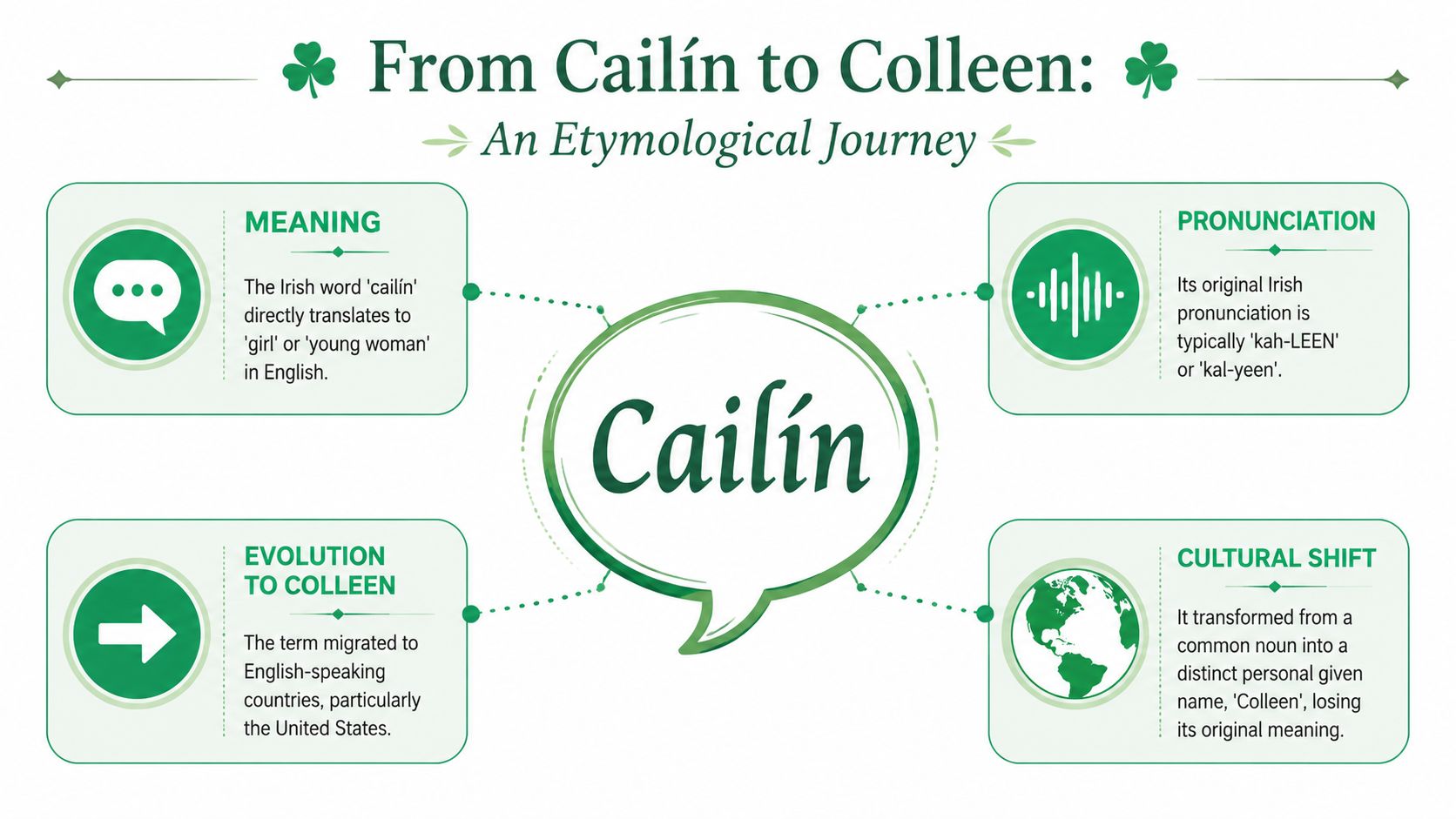
Cailín came first. Colleen came later.

In Irish, cailín is a common noun. It means girl or young woman. It wasn't originally a personal name in the same way English speakers now use Colleen. The name developed after the Irish word moved into English-speaking settings and was reshaped to suit English spelling and sound patterns.

An infographic titled From Cailín to Colleen detailing the etymological origin and evolution of the name.

How Anglicization changed the word

A simple way to think about Anglicization is this: a word crosses into English, and English speakers reshape it so it feels easier to spell, say, or recognize.

That happened with cailín. The Irish spelling includes a fada over the final í, and the sound system of Irish doesn't line up neatly with English. As the word moved through the Irish diaspora, especially in English-speaking communities, it became Colleen.

It's a bit like a food name being adapted in another country. The dish may come from one language and culture, but once it settles somewhere else, the spelling and pronunciation often shift. The result still points back to the original, but it isn't the original form anymore.

What the original word means

The meaning stayed simple at the root. Cailín meant girl or young woman. That's important because learners sometimes assume Colleen must have started as an old Irish first name. It didn't. It started as an everyday word.

A helpful next step is to compare it with other traditional girls' names in Irish. This list of Irish names for girls helps show the difference between an actual Irish given name and a common noun that later became a name elsewhere.

When a word becomes familiar abroad, people often forget what it was doing at home. In Ireland, cailín stayed a word. Abroad, Colleen became a name.

Why this matters

If you treat Colleen as though it's the standard Irish word used in Ireland today, your Irish can start to sound imported rather than natural. If you learn cailín instead, you're working with the living language.

That shift in perspective is the essential takeaway. Colleen is related to Irish. Cailín is Irish.

How to Pronounce Cailín Like a Native Speaker

You hear someone in Ireland say cailín, and your ear tells you it sounds a bit like Colleen. That is where many learners get tripped up. The two are related, but if you want your Irish to sound natural, it helps to learn the Irish word on its own terms.

A close-up view of a person speaking with a green rectangular sign overlay that says Speak Irish.

A good learner-friendly version is kah-LEEN. You may also see kal-yeen as a rough guide. Those spellings are only approximations. They point you toward the sound, but they do not capture every detail of Irish pronunciation.

A simple pronunciation breakdown

Split cailín into two parts and say it slowly.

  1. Cai begins with a broad k sound, followed by a vowel sound that can feel shorter or more open than English speakers expect
  2. lín sounds close to leen, with the stress on this second syllable

So the rhythm is kah-LEEN.

That stress matters. English speakers often give both syllables equal weight, or they say it exactly like the name Colleen. Native Irish speech usually gives the second syllable more lift, and the l can sound lighter or slimmer than an English l.

The part learners often miss

The slender l in cailín is one of those small Irish details that makes a big difference. It is formed with the tongue placed a little higher and further forward than in many English accents. Language teachers and pronunciation commentators often note that getting sounds like this under control can make a learner sound much more fluent in conversation and oral work.

If that feels abstract, use a simple comparison. English has one general l sound in many learners' minds. Irish treats l more like a sound with different versions depending on the vowels around it. In cailín, the í helps give that l a slender quality.

If you'd like extra help hearing those patterns, this Irish pronunciation guide with clear sound explanations is a useful companion.

Regional variation matters

You will not hear cailín pronounced in exactly the same way in every part of Ireland. Some speakers use a more open first syllable, closer to kah. In parts of Ulster, you may hear a rounder sound that comes closer to coll-een. That helps explain why learners sometimes connect it so quickly with the English name Colleen, and it also fits the wider dialect picture discussed in this discussion of regional pronunciation variation for cailín.

So if you hear more than one version, that is normal. Dialects shape pronunciation, just as regional accents do in English.

Aim for a clear, consistent version first. Your ear for dialect differences will grow with listening.

A listening model helps here:

Where English speakers usually stumble

Three mistakes come up again and again.
  • Saying it exactly like the name Colleen. The connection is historical, but the Irish word has its own sound.
  • Flattening the stress. The second syllable should stand out more clearly.
  • Using a heavy English l. A lighter, slender l will bring you closer to Irish pronunciation.

Practice it in short phrases instead of repeating the word alone. Try an cailín or an cailín óg. That works like learning a tune by singing the whole line rather than one isolated note.

Using Cailín in a Sentence Grammar and Forms

Knowing the word on its own is useful. Using it naturally in a sentence is better.

Cailín is a feminine noun, and like other Irish nouns, it changes form depending on what you're saying. Learners often meet the basic singular first, then get confused when they see cailíní or an chailín. That's normal. The forms are manageable once you see them side by side.

Grammatical forms of cailín

Form Irish Example English Translation
cailín Tá cailín anseo. There is a girl here.
an cailín Tá an cailín sásta. The girl is happy.
cailíní Tá na cailíní ag imirt. The girls are playing.
na cailíní Chonaic mé na cailíní inné. I saw the girls yesterday.
an chailín Seo hata an chailín. This is the girl's hat.

What changes and why

A few things are happening in that table.

  • Singular basic form: cailín means girl
  • With the article: an cailín means the girl
  • Plural: cailíní means girls
  • Genitive singular: an chailín appears after another noun to show possession, as in hata an chailín or the girl's hat

That little h in an chailín can surprise learners. It's part of a common Irish pattern called lenition. You don't need to master the grammar label on day one. You just need to notice that Irish changes the beginning of words in certain sentence patterns.

Useful starter sentences

Try reading these aloud:

  • Is cailín í. She is a girl.
  • Tá an cailín sa seomra. The girl is in the room.
  • Tá na cailíní anseo. The girls are here.
  • Is hata an chailín é. It is the girl's hat.

Use short noun phrases first. an cailín, na cailíní, hata an chailín. Small chunks are easier to remember than isolated rules.

A common beginner mistake

Many learners know a word's meaning but not its grammar behavior. They memorize cailín = girl, then freeze when the word changes shape in a real sentence.

The fix is simple. Learn vocabulary as a mini-family, not as a single dictionary entry. For this one word, that family is:

  • cailín
  • an cailín
  • cailíní
  • an chailín

If you can recognize those four, you'll understand much more Irish than you might expect.

A Tale of Two Worlds The Cultural Context

A learner in Boston might hear Colleen at home and assume it is the everyday Irish word. Then they arrive in Ireland, listen to real conversation, and hear cailín instead. That moment of confusion makes sense, because these forms belong to related but different cultural worlds.

In Ireland, cailín remained an ordinary Irish noun used in daily speech. Outside Ireland, especially in diaspora communities, Colleen developed a separate life as an English given name linked with Irish identity. The two are connected by history, but they do not do the same job.

A split-screen image comparing a rainy Irish street scene with a stylish woman drinking iced coffee.

What changed outside Ireland

As noted earlier, Colleen became much more visible abroad as a personal name than it did in Ireland itself. That pattern is common in heritage communities. A word leaves its original setting, keeps its emotional value, and slowly shifts category. In this case, a common noun in Irish fed into a name in English.

That shift matters because learners often expect a straight line from Irish word to modern Irish usage. Language history is rarely that tidy. A family may pass down a name for generations and still not be passing down the current Irish vocabulary item.

Why learners mix them up

The confusion is understandable. If your experience of Irish culture comes through family stories, parish records, or Irish American naming traditions, Colleen can feel deeply Irish. Culturally, it often is. Linguistically, though, it belongs to English naming practice more than to present-day Irish speech.

A useful comparison is this. Cailín works like a normal everyday word such as girl in English. Colleen works like a name such as Mary or Bridget. They share ancestry, but you would not swap one for the other in a sentence.

What this says about Ireland and the diaspora

Ireland and the diaspora preserved different parts of the same inheritance. In Ireland, the word stayed practical and grammatical, part of the living language. In diaspora settings, the form Colleen often carried memory, affection, and ethnic identity.

That difference becomes clearer if you read about the history of Irish language decline and revival. When a language is under pressure, some words survive abroad in altered forms while everyday usage at home continues along its own path.

This is also why keeping good notes helps. If you are sorting out heritage forms, modern vocabulary, and pronunciation, the best ways to track language progress can help you separate "family name knowledge" from "usable Irish."

A heritage name can be meaningful and authentic to a family. It still may not be the word an Irish speaker would use in ordinary conversation.

So the practical takeaway is simple. Use Colleen as a name in English if that is the family or cultural form you know. Use cailín when you want to say girl in Irish. That small distinction clears up a very common misconception.

Practice Your Irish and Avoid Common Mistakes

Once you know the difference, the next step is using it without second-guessing yourself.

The biggest mistake is simple. A learner hears that Colleen comes from Irish, then uses Colleen as if it were the current Irish word for girl. In actual Irish, that sounds off. You want cailín.

Mistakes worth catching early

  • Using Colleen as a common noun: Say cailín when you mean girl in Irish.
  • Saying the word too much like English: Irish pronunciation needs attention, especially around the l sound.
  • Learning it only as an isolated word: Practice it inside phrases and short sentences.

One useful reason to focus on that middle sound is that, for learners, mastering the palatalization of the “l” in cailín can increase perceived fluency by over 28% in oral exams, according to this language learning analysis on cailín pronunciation.

Short drills you can use today

Say each one aloud slowly, then at normal speed:

  1. Tá cailín anseo.
  2. Is cailín cliste í.
  3. Chonaic mé an cailín.
  4. Tá na cailíní sa pháirc.
  5. Seo leabhar an chailín.

If speaking feels hard, write them first, then read them. If writing feels hard, copy them by hand once and underline the changing forms.

A simple way to measure progress

A lot of learners improve faster when they track the same tiny skill over time. One day you focus on hearing cailín correctly. Another day you focus on producing an chailín without hesitation. If you want a practical system for logging those small wins, this guide on the best ways to track language progress gives clear note-taking ideas that work well for vocabulary and pronunciation review.

Say the word in a phrase, not in isolation. Real fluency grows from chunks you can reuse.

A quick self-check

Ask yourself these three questions:

  • Do I know when to use cailín instead of Colleen?
  • Can I say cailín clearly, without forcing it into English pronunciation?
  • Can I recognize an chailín and cailíní when I read them?

If the answer is “mostly,” you're in a good place. That's real progress.

Start Speaking Irish with Confidence Today

The key point is straightforward. Colleen and cailín are related, but they are not the same thing. Colleen is an English given name that grew in popularity mainly outside Ireland. Cailín is the actual Irish word learners need when they mean girl or young woman.

That distinction helps you sound more natural. It also helps you approach Irish with more cultural sensitivity. When you use the right form, you're not just being accurate. You're hearing the language on its own terms.

If you've ever felt unsure about Irish words that seem familiar in English, that's normal. This is one of many places where a small correction gives you a much stronger foundation. Learn the actual word, say it clearly, and use it in short everyday phrases. That's how confidence builds.


If you're ready to turn small distinctions like cailín into real speaking ability, Gaeilgeoir AI is a practical next step. You can continue from this exact point, build confidence with everyday Irish, and practice the kind of vocabulary that shows up in conversation.

Mother in Irish Gaelic: A Learner’s Guide

You're probably here because a plain translation doesn't feel like enough.

Maybe you want to write a card for your mum. Maybe you're reconnecting with Irish family roots and want the right word, not just any word. Maybe you learned a bit of Irish in school, forgot most of it, and now you'd like to say “mother” in a way that sounds natural and respectful.

In Irish, that little word carries more than dictionary meaning. It sits inside family life, memory, tone, and grammar. If you've searched for mother in irish gaelic, you've already noticed the confusing part. You'll find máthair, but you'll also see mamaí, mam, and forms that seem to change once you put them into a sentence.

That's normal. Irish does that. The good news is that the patterns are learnable, and once you see them clearly, they start to feel satisfying rather than intimidating.

Table of Contents

Connecting with Your Roots Through Language

You are writing a card for Mother's Day, ordering a piece of jewellery, or trying to say one Irish phrase out loud at a family gathering. Then a simple question appears: what is the right word for “mother,” and which form would an Irish speaker use?

That question matters because Irish family words carry both feeling and grammar. A learner often starts with emotion first. You want something that sounds like home, something that connects you to parents, grandparents, and place. Then the grammar appears a moment later, usually when you try to say “my mother” or call directly to your mum.

That is why this topic is more than a straight translation exercise. Irish gives you a formal word, máthair, and an everyday family word, mamaí. Both are useful, but they do different jobs. Learning that difference early saves a lot of hesitation later.

If your interest in Irish comes from family history, a quick look at the origins of the Irish language helps explain why even one household word can feel so loaded with memory. For many learners, this is not only about vocabulary. It is about hearing a thread of identity again.

There is cultural weight here too. In Irish life, words for close family are rarely cold labels. They sit inside stories, habits, and relationships. “Mother” can sound formal, affectionate, respectful, or very personal depending on the word you choose and the grammar around it.

A useful way to approach this is to treat the vocabulary and the grammar as a pair. The word is only the starting point. Irish then asks a few follow-up questions. Are you naming your mother in a sentence? Are you saying “my mother”? Are you calling out “Mam!” to get her attention? Those small shifts change the form, and they are exactly the kind of details that help your Irish sound natural rather than translated.

You do not need perfect Irish to begin well.

You need the right base word, a feel for when formal or informal speech fits, and a little guidance on the grammar patterns that appear in real conversation. That is how a single family word starts to feel living and usable, not just memorised.

Understanding the Core Term Máthair

Máthair is the standard Irish word for mother. If you see the word in a dictionary, a school text, or a formal sentence, this is usually the form you will meet.

A close-up profile view of a mother with bright green dreadlocks holding her young child.

How to pronounce máthair

A useful beginner guide is MAW-hir. That spelling is only an approximation, but it gives you a workable starting point while your ear adjusts to Irish sounds.

Irish pronunciation often feels unfamiliar at first because the spelling and the sound do not always line up the way they do in English. For that reason, it helps to listen as well as read. This Irish pronunciation guide is a good support if you want to hear how broad and slender sounds shape words like máthair.

The word itself is old. It comes from Old Irish máthair, and it belongs to the same wider language family as English mother and Latin mater. If you have ever noticed that these words feel faintly related, you are hearing a real historical connection.

What máthair does in a sentence

The easiest way to learn máthair is to treat it as your base form. It works like the dictionary version of the word. You use it when you are naming the role itself, not necessarily speaking to your own mum in a warm, everyday way.

For example:

  • Is máthair í. = She is a mother.
  • Tá an mháthair sa teach. = The mother is in the house.
  • Is í mo mháthair í. = She is my mother.

That last example matters. Learners often know the word máthair, but hesitate once grammar starts changing the shape around it. Irish does that often with family terms. The core word stays important because other common forms grow from it.

When máthair sounds natural

Use máthair when the tone is neutral, descriptive, or formal.

That includes contexts such as:

  • dictionary learning and vocabulary study
  • schoolwork and careful writing
  • describing someone as a mother
  • phrases where grammar builds on the base noun

If you are reconnecting with family heritage through Irish, this distinction helps a lot. Máthair gives you the formal root of the idea. It is the word you build from. Later, when you say “my mother” or call out directly to your mum, Irish changes form and tone. Those changes are where learners start to sound natural instead of translated.

So keep máthair in your mind as the anchor word. It is the steady, formal form. Once that feels familiar, the grammar around it becomes much easier to follow.

How to Say Mom Informally in Irish

You are writing a card to your mum, or maybe rehearsing what you would say if you greeted her in Irish. In that moment, máthair can feel a little distant. The warmer everyday choice is often mamaí.

A happy mother with braided hair and her young daughter embracing outdoors in a park.

The everyday word many learners need

Omniglot's Irish kinship terms list mamaí as a common informal family term. That matches what learners quickly notice. The dictionary word is useful, but the home word is often different.

A simple way to hear the contrast is this:

  • máthair = mother
  • mamaí = mum, mammy, or mommy, depending on family tone and local habit

The English match is never perfect. Family words carry feeling as much as meaning, and that feeling changes from house to house.

You may also hear mam and sometimes mom in Ireland, especially in English speech. Regional habits shape those choices. For learning Irish, though, mamaí is a safe and familiar informal form to recognize.

Choosing the right tone

Learners often ask which word is "correct." Both are correct. The fundamental question is which one fits the relationship and the setting.

Use mamaí if you are speaking with affection, talking at home, or practicing the kind of Irish you would use with family. Use máthair if you are writing formally, studying vocabulary, or describing someone in a neutral way.

That difference is a bit like clothing. Máthair works like the formal outfit you wear when you need to be careful and precise. Mamaí is the comfortable everyday version that belongs in ordinary conversation.

For related affectionate family vocabulary, this guide to Irish Gaelic terms of endearment helps show how tone shifts across close relationships.

If you want your Irish to sound loving and natural at home, mamaí is often the better choice.

One detail catches many learners by surprise. The word can still change when you speak directly to your mum. Casual language in Irish still follows grammar, and that matters a lot with family words.

Mastering the Grammar of Máthair

Knowing the word isn't enough. To use mother in irish gaelic confidently, you need a few grammar patterns that show up right away in real speech.

The two that matter most are possession and direct address. In plain English, that means learning how to say things like your mother and O mother or Mam!

An infographic explaining the Irish Gaelic grammar rules for the word Máthair, meaning mother.

The forms learners meet first

One of the most helpful beginner explanations comes from Bitesize Irish on “the mother”, which notes forms such as do mháthair for your mother, and the vocative forms a Mháthair and a Mhamaí for direct address.

Here are the first forms worth learning:

  • máthair = mother
  • an mháthair = the mother
  • do mháthair = your mother
  • a Mháthair = O mother, used when addressing directly
  • a Mhamaí = Mam, used when addressing directly in a casual way

The little h that appears after the first consonant is part of a common Irish change called lenition. You don't need to master every grammar rule at once. You just need to notice that certain words trigger a spelling and sound change.

Formal vs informal forms for mother

Situation Formal (Máthair) Informal (Mamaí)
Naming the word máthair mamaí
Talking about “the mother” an mháthair usually less common in this formal structure
Saying “your mother” do mháthair your casual phrase will depend on household usage
Calling out directly a Mháthair a Mhamaí
School or formal writing preferred usually not preferred
Home or affectionate speech can sound formal preferred

A few things confuse learners again and again:

  1. Why does the word change after “do”?
    Irish possessives often trigger lenition. So máthair becomes mháthair.

  2. Why does the word change when I call someone directly?
    Irish uses the vocative case for direct address. That's why you get a Mháthair or a Mhamaí.

  3. Can I just avoid the changes?
    You can, but your Irish will sound unfinished. These are not fancy extras. They're everyday forms.

Speak to your mother directly, and Irish usually marks that relationship in the word itself.

If you want one memory trick, use this: the base word is what you learn first, but the changed forms are what make you sound like you're using Irish rather than reciting it.

Using Mother in Irish Phrases and Sayings

You are writing a Mother's Day card, telling a story about your family, or calling into the next room. That is where these forms stop being vocabulary items and start doing real work.

A small set of phrases will carry you a long way. The goal here is not to collect dozens of examples. It is to get comfortable with forms you could genuinely use.

Simple phrases you can start using

Start with these short, usable examples:

  • Is í mo mháthair í.
    She is my mother.

  • Tá mo mháthair sa bhaile.
    My mother is at home.

  • Do mháthair
    Your mother.

  • An mháthair
    The mother.

  • A Mhamaí!
    Mam!

Read them as a set, not as isolated lines. You are seeing the word in different jobs. Sometimes it names a person, sometimes it shows possession, and sometimes it is used to call directly to someone. That is how Irish family vocabulary works in real life.

A helpful exercise is to practice close comparisons, because small changes in Irish often carry a big difference in meaning or tone:

  • mo mháthair
  • do mháthair
  • a Mháthair
  • a Mhamaí

Those four forms are like four doors into the same room. The core idea stays the same, but the relationship changes. One means my mother, one means your mother, and two are forms of direct address, with a more formal or more affectionate feel.

Learn phrases you could say at home, in a message, or in conversation. They stay in your memory better than word lists.

The cultural weight of the Irish mammy

These words also carry a lot of feeling in Irish culture. The language of mothers reaches beyond the family home, from Mother Ireland in political and literary imagery to the familiar figure of the Irish mammy, described in this overview of the Irish mammy as a touchstone for the worldwide Irish diaspora, often estimated at over 70 million people.

That cultural weight matters because it helps explain why learners often feel unusually connected to this vocabulary. Máthair can sound formal, respectful, even ceremonial. Mamaí often feels closer, warmer, and more immediate. The choice is not only about translation. It is also about tone, relationship, and context.

That is why phrases matter so much here. If you only memorize the dictionary form, you know the label. If you practice short expressions such as mo mháthair or A Mhamaí!, you start to hear how Irish carries affection, respect, and family closeness inside the grammar itself.

For many heritage learners, this is one of the first places where Irish feels personal. You are no longer learning an abstract word for mother. You are speaking about your own family, your own memories, and the women who shaped your life.

Practice Makes Perfect Your Next Steps

If you remember three things, you're in a strong place.

First, máthair is the formal Irish Gaelic word for mother. Second, mamaí is often the warmer, everyday choice in family speech. Third, the grammar matters. Forms like do mháthair, a Mháthair, and a Mhamaí are the difference between recognizing a word and properly using it.

That's where learners usually make the leap. Not when they memorize more lists, but when they practice the same small set of words in realistic situations until the forms start to feel natural.

Keep your next step simple:

  • Say the forms aloud so your mouth gets used to them
  • Write one short sentence using máthair
  • Write one affectionate direct address using a Mhamaí
  • Notice the tone difference between formal and informal Irish

If you can do that comfortably, you're no longer just looking up mother in irish gaelic. You're beginning to use Irish as a living language.


If you want guided practice with real conversation prompts, pronunciation help, and beginner-friendly Irish from day one, try Gaeilgeoir AI. You can start learning and practicing at Gaeilgeoir AI.

How to Speak in Irish: A Guide for Total Beginners

You open your mouth to say a simple sentence in Irish. You know the word you want. You may even remember seeing it in school or hearing it at home. Then everything stalls the second you try to say it out loud.

That moment frustrates a lot of learners, and it does not mean you are bad at languages. It usually means your knowledge is sitting in one place and your speaking practice is sitting in another. Irish often lives in people's memories as something they studied, recognised, or read, but not something they used in everyday conversation.

That gap is common in Ireland too. As noted earlier, many people report that they can speak Irish, while far fewer use it daily outside education. So if your Irish feels stuck in your head instead of coming out of your mouth, you are far from alone.

The encouraging part is simple. Spoken Irish can begin with very small wins.

A short phrase about your morning. A greeting you can say without translating. One sentence you repeat until it feels natural in your mouth. That is how active speaking starts. It works a bit like learning to play a tune. Reading the notes helps, but your hands only learn it by playing.

This article focuses on getting you from passive knowledge to real speech from day one. That means starting with sounds you can copy, sentence patterns you can reuse, and topics from your actual life. It also means using tools that give you a chance to respond, hear yourself, and get feedback. Modern support, including tools like Gaeilgeoir AI, can help you practise conversation earlier and more often, especially when you do not have a speaking partner beside you.

You do not need perfect grammar before you begin. You need a starting point that gets your voice involved early, so Irish becomes a language you use, not just one you recognise.

Table of Contents

Start with speaking, not studying

You meet an Irish speaker at a café, hear a friendly Dia duit, and suddenly your brain goes blank. You know more than you can say. That gap between recognising Irish and putting it into use is where many beginners get stuck.

The fix is simple. Put speaking at the centre from day one.

If you want to learn how to speak in Irish, treat speech as practice, not as a test you earn after enough reading. A language is a bit like music in that way. You do not master the theory first and then touch the instrument. You play early, badly, and often. Irish works the same way. Reading, grammar, and listening all support you, but your speaking only grows when you open your mouth and use what you have.

As noted earlier, many people have some Irish but do not use it regularly. As a teacher, I see that pattern all the time. Knowledge sitting in your head is passive. The moment you say even one short sentence, it starts becoming active.

Practical rule: Speak Irish with the words you already know. Start small and start now.

A strong day-one goal is to build one tiny conversation you can use:

  • Introduce yourself: Is mise Aoife.
  • Ask a simple question: Conas atá tú?
  • Give a simple answer: Tá mé go maith.
  • Say one preference: Is maith liom caife.
  • Say one fact about your day: Tá mé tuirseach.

This may seem small. It is still real speaking.

That matters because beginners often study Irish as if they are filling a bookshelf. Useful speaking works more like building a footpath. One solid phrase leads to the next. You do not need a huge vocabulary to begin. You need a few phrases you can reach for quickly, without freezing.

If speaking to another person feels like too much on day one, use a tool that lets you rehearse safely. Gaeilgeoir AI can help you practise short exchanges, repeat common responses, and turn passive knowledge into spoken habits before you try them in real conversation. That kind of practice is helpful because it closes the gap between “I know this” and “I can say this.”

Aim for use, not perfection. If you can greet someone, answer a basic question, and say one true thing about your life, you are already speaking Irish.

Learn the sound before the rule

Irish spelling can look intimidating at first. The solution isn't to stare at the page longer. The solution is to connect sound, spelling, and meaning at the same time.

Build your ear first

A useful approach is to hear a short line slowly, repeat it, then hear it at normal speed and repeat again. The teaching method described in the Tús Maith methodology video on progressive auditory imitation lays out a four-step pattern: slow playback with support, normal-speed repetition, memorisation through adapted scripts, and then freer off-script speaking.

That order matters because beginners often try to jump straight into free conversation. Their brain hasn't had enough sound input yet, so the language feels slippery.

Use this sequence with one short phrase:

  1. Listen slowly
    Hear: Conas atá tú?

  2. Repeat slowly
    Say it with care, not speed.

  3. Repeat at normal pace
    Let the rhythm become more natural.

  4. Use it in a tiny exchange
    Conas atá tú?
    Tá mé go maith.

Slow, clear repetition helps you notice patterns that disappear when you rush.

Copy whole phrases, not isolated words

Irish becomes easier when you learn it in chunks. Instead of collecting random nouns, collect whole lines you can say today.

A few strong beginner chunks:

Situation Irish phrase Plain meaning
Greeting Dia duit Hello
Asking after someone Conas atá tú? How are you?
Fine response Tá mé go maith I am well
Saying your name Is mise Seán I am Seán
Wanting something Ba mhaith liom tae I would like tea

Chunk learning solves a common beginner problem. If you learn the word for tea, the word for like, and the word for I, you still might not say anything. If you learn Ba mhaith liom tae, you can use it at once.

Use simple Irish sentence patterns

Irish feels different from English because the structure often changes. That can be frustrating until you stop trying to force English patterns into Irish.

Irish often starts with the verb

One of the biggest shifts is that Irish commonly uses verb-subject-object order. The Preply guide to learning Irish points to this as an important pattern for learners to practise actively rather than leaving it as a grammar note.

In plain English, that means the action often comes first.

Look at the difference:

English idea Irish pattern
I eat bread Ithim arán
I am eating an apple Tá mé ag ithe úll

If you keep trying to build every sentence in English order first, your speech will stall. So don't begin with abstract grammar terms. Begin with frames you can reuse.

Sentence frames to use every day

These are strong early patterns because they cover a lot of real conversation:

  • Tá mé…
    Use it for states and feelings.
    Tá mé tuirseach.
    Tá mé sásta.

  • Is maith liom…
    Use it for likes.
    Is maith liom ceol.
    Is maith liom tae.

  • Ba mhaith liom…
    Use it for wants and polite requests.
    Ba mhaith liom caife.
    Ba mhaith liom cabhair.

  • Tá mé ag…
    Use it for actions happening now.
    Tá mé ag léamh.
    Tá mé ag obair.

  • An bhfuil…?
    Use it for yes-no questions.
    An bhfuil tú anseo?
    An bhfuil sé fuar?

A good rule is to stay with a sentence frame until it feels automatic. Don't race to cover everything. Depth beats breadth in speaking.

If a phrase helps you describe your actual day, it belongs in your first week of Irish.

Say useful things about your real life

You meet an Irish speaker at a café. You do not need a speech about literature or a perfect grammar chart. You need a few honest lines about your day.

That is why real-life sentences matter so much at the start. If your first Irish helps you talk about your name, your mood, your work, your home, or what you want to eat, you can start speaking from day one. The goal is not to collect interesting sentences. The goal is to say things you might use before lunch.

A good shortcut is to build your early Irish around small personal topics. These topics come up again and again in normal conversation, so every sentence pulls double duty. You are learning vocabulary, and you are also rehearsing real interaction.

Start with tiny personal topics

Choose three areas from your own life and write five short sentences for each. Keep them simple enough that you could say them without stopping to translate.

About yourself

  • Is mise Niamh.
  • Tá mé i mBaile Átha Cliath.
  • Tá mé ag foghlaim Gaeilge.
  • Is maith liom leabhair.
  • Tá mé ag obair inniu.

About home

  • Tá mé sa bhaile.
  • Tá tae sa chistin.
  • Tá sé ciúin anseo.
  • Tá fuinneog mhór ann.
  • Is maith liom an seomra seo.

About today

  • Tá sé fuar.
  • Tá ocras orm.
  • Tá mé ag dul amach.
  • Ba mhaith liom lón.
  • Tá mé tuirseach anois.

This kind of practice closes the gap between recognising Irish and using it. Many learners already know more words than they can say out loud. Personal sentences fix that because they give those words a job to do.

It also makes practice easier to repeat. You already know your own routines, preferences, and plans. You are not inventing content from scratch. You are just learning how to say your life in Irish.

Turn passive vocabulary into active speech

Use a simple four-step drill:

  1. Pick five words you already know.
  2. Put each one into a full sentence about your real life.
  3. Say each sentence aloud three times.
  4. Change one detail in each sentence.

Here is what that looks like with caife:

  • Is maith liom caife.
  • Ba mhaith liom caife.
  • Tá an caife te.
  • Tá mé ag ól caife.
  • An bhfuil caife anseo?

Now caife is not just a word on a list. It works in likes, wants, descriptions, actions, and questions. That is how speaking starts to feel quicker.

If you want extra help turning your own daily life into spoken practice, tools like Gaeilgeoir AI can help you generate simple personalised prompts, check phrasing, and rehearse short exchanges. Used well, that kind of support can speed up the jump from passive knowledge to active conversation.

Keep the bar low at first. A short true sentence is better than a clever sentence you will never say again.

Expect dialect differences early

Some learners get discouraged when they hear one phrase in a course and a different phrase in a real conversation. That's not failure. That's Irish being a living language.

Why greetings can sound different

Irish has regional variation, and beginners often meet it immediately in greetings and short social phrases. The video discussing Irish dialect differences in greetings highlights forms such as Conas atá tú?, Cad mar atá tú?, and other regional variants.

This can feel unsettling if you expected one fixed form for everything. It helps to think of dialects the same way you'd think about accents and regional wording in English. Different does not mean wrong.

A few things may change:

  • The greeting itself
  • The pronunciation
  • The natural response
  • The form you hear in a specific region

How to avoid dialect overload

You don't need to master every dialect as a beginner. You do need a clear starting point.

Use this approach:

Situation What to do
You want one steady beginner path Learn one common form and stick with it for now
You have family ties to a region Prioritise that dialect when possible
You're studying for school exams Stay close to the expected school forms
You hear a different version Notice it, don't panic, and save it for later

Pick one greeting and one response first. Use them until they feel natural. You can add variants gradually.

A beginner doesn't need every version of a phrase. A beginner needs one version they can say comfortably.

Practice out loud every day

You don't need marathon study sessions. You need repetition that your mouth, ear, and memory can handle.

A short daily routine that works

Here's a simple routine you can keep:

  1. Warm up with two greetings
    Say them aloud without reading if you can.

  2. Review three sentence frames
    For example: Tá mé…, Is maith liom…, Ba mhaith liom…

  3. Describe your day for one minute
    Use tiny facts. Weather, food, mood, plans.

  4. Repeat one short dialogue
    Keep it short enough that you can memorise it.

  5. Finish with self-talk
    Narrate what you're doing.
    Tá mé ag siúl.
    Tá mé ag déanamh tae.

This kind of active use is far more valuable than passive review alone. It also fits the reality of adult learners, who usually need short, flexible practice rather than long classroom blocks.

What to do when you get stuck

Everyone freezes. The trick is to have rescue moves ready.

Use these when speaking breaks down:

  • Go back to a frame: If you can't build a sentence, start with Tá mé… or Is maith liom…
  • Shrink the idea: Don't say everything. Say one fact.
  • Repeat a known phrase: Familiar language restarts your rhythm.
  • Swap the word: If you don't know the exact noun, choose a simpler one you do know.
  • Write down the missing piece: Keep a note on your phone and return to it later.

A stuck moment doesn't mean your Irish is bad. It usually means your sentence was too ambitious for that moment.

Find ways to speak with feedback

You say a sentence out loud, and it feels fine in your head. Then a listener replies, or your app catches a sound you missed, and you notice the gap. That moment is useful. Feedback turns private practice into real speaking.

Solo work still has a clear job. It helps you build the physical side of Irish: the mouth movements, the rhythm, and the habit of answering without freezing. It also gives you a safe place to test what you know before another person joins in.

Use solo practice for:

  • Training pronunciation
  • Speeding up recall
  • Getting comfortable with your own Irish voice
  • Turning words on a page into spoken language
  • Trying out sentence patterns before conversation

A mirror helps. Voice notes help. Reading a short exchange, then closing the page and saying it from memory helps too. This kind of practice is like doing scales before playing music with others. It does not replace conversation, but it makes conversation much easier to enter.

Then add feedback as early as you can.

Choose feedback that matches your level

You do not need a perfect conversation partner from day one. You need a response that shows you what to keep, what to fix, and what to say again.

A few good options:

  • Pronunciation and dictionary tools
    Use TEanglann to hear words and check forms when a sound or spelling confuses you.

  • Language exchange apps
    Tandem or HelloTalk can help you find short, low-pressure exchanges with other learners or speakers.

  • AI speaking practice
    Gaeilgeoir AI offers guided conversations based on real situations, along with pronunciation support and adaptive practice. That is helpful for learners who know some Irish passively but need a bridge into active speaking.

  • Oral-topic practice for school
    Leaving Cert students usually improve faster by answering common speaking topics out loud than by trying to revise everything at once.

The best feedback is the kind you will use three or four times a week. Consistency matters more than finding one perfect method.

If live conversation feels intimidating, start with a simple loop: say one sentence, get a correction, repeat it correctly, then use it again in a new sentence. That loop is small, but it teaches your brain how spoken Irish grows. You stop collecting phrases and start using them.

Keep going even when your Irish feels messy

You are in the middle of a sentence, you know the word you want in English, and your Irish comes out in bits and pieces. That is not failure. That is speaking.

Spoken Irish usually grows the same way a tune grows under your fingers. At first, it feels slow and uneven. Then a few phrases start to come more quickly. After that, you stop building every sentence word by word and begin to answer more naturally. The jump from passive knowledge to active speech rarely feels tidy while it is happening.

That matters because many learners already know more Irish than they can say out loud. They recognise school phrases, understand bits of conversation, or remember grammar they cannot use quickly enough in real life. The goal is not to wait until everything feels polished. The goal is to keep turning recognition into response.

Give yourself small speaking wins.

Say hello.
Say your name.
Say what you like.
Say how you feel.
Say one true thing about your day.

Then change one part and say it again.

That simple habit trains your brain to build with the Irish you already have, instead of freezing while you search for perfect Irish. Messy speech is often the working stage between “I know that” and “I can say that.”

Irish also lives through ordinary use. Every time a learner moves from understanding to speaking, even for one short sentence, the language becomes a little more present in daily life. That is part of what makes speaking practice feel personal and cultural at the same time.

If you need extra support, Gaeilgeoir AI can give you another place to practise turning passive Irish into active conversation, one short exchange at a time.

Kneecap Fenian Album: A Guide to the Lyrics & Meaning

A friend of mine once played “C.E.A.R.T.A.” in the car and laughed when I asked, “Wait, are they switching languages mid-bar?” That confusion is exactly why the kneecap fenian album is such a good entry point for people who are curious about Irish, but don’t yet know how to hear it.

Table of Contents

Why the kneecap fenian album matters

A lot of albums ask for your attention. FENIAN asks for your ears, your history, and, if you are even slightly curious about Irish, your tongue.

Kneecap did not come up through the usual polished industry route. They grew from a DIY project into a group that treats rap, rave, satire, and Gaeilge as parts of the same machine. FENIAN, released on May 1, 2025 via Heavenly Recordings, arrived as the follow-up to Fine Art, but its importance goes beyond simple career progression.

Part of the appeal is speed. The record keeps the heat on instead of cooling itself down for respectability. You can hear that in the delivery, in the production choices, and in the way Irish is kept front and centre rather than tucked away as local colour.

That shift is significant because language learning rarely begins with grammar charts alone. It often begins with attachment. A voice catches you. A phrase sticks. You want to know why that line sounds sharp, funny, or defiant, so you come back and listen again. Kneecap gives beginners that reason to return.

Practical rule: If you want to understand Kneecap, start with the question of why Irish is present in the music, and what hearing it in a high-energy setting does to your idea of the language.

The album’s reception also matters, but not just as a pile of review scores. Strong critical attention signals that this is not a niche curiosity for people already deep into Irish politics or Belfast rap. It is a record that pushed into wider cultural conversation. For a beginner, that changes the stakes. You are not studying a museum piece. You are hearing a living language used in a contemporary argument about identity, class, memory, and who gets to sound modern.

Here’s the simple version:

Question Simple answer
Is it just a rap album? No. It uses rap as the base, then pulls in club energy, electronic pressure, and a confrontational live feel.
Is the Irish language there for decoration? No. Irish carries attitude, rhythm, and meaning across the album.
Do you need fluent Irish first? No. Beginners can start by catching repeated sounds, hooks, and a few key words.

That is why this album matters. It makes Irish feel present-tense. For many listeners, that is the moment learning stops feeling like homework and starts feeling like access.

What Fenian means in this album

A beginner often hits the title first and freezes there.

“Fenian” is one of those words that arrives with old arguments attached. In Irish history, it points back to republican movements of the 19th century. In everyday conflict, it has also been used as a slur aimed at Irish Catholics. Kneecap know all of that history. They use the title with full awareness of its charge, which means the word does more than name the album. It starts a confrontation before a single track plays.

That matters because the title teaches you how to listen.

Kneecap treats language like a live wire. A loaded term can be insult, badge, taunt, or rallying cry depending on who says it, where, and why. “Fenian” works like that here. The band picks up a word shaped by conflict and turns it into a test of perspective. Do you hear only the old insult? Do you hear historical memory? Do you hear a community refusing to let hostile language keep its original power?

For someone learning Irish, that is a useful lesson. Vocabulary is never just dictionary meaning. Words carry tone, setting, and politics. If schoolbook Irish can sometimes feel neat and sealed off, Kneecap shows the opposite. Language is social. It gets argued over. It gets reclaimed. It gets shouted in public and bent into new forms.

Why the title confuses new listeners

New listeners often misread the album name in three predictable ways.

  • They hear only sectarian insult. That misses the band’s act of reuse and provocation.
  • They hear only proud self-labelling. That misses the harm and tension still attached to the word.
  • They treat it as a private joke. The title is public-facing and political. It asks who has the right to define Irish identity in the present.

A simpler way to read it is this: the title keeps the historical sting in place, then changes who controls the sound of the word.

That is part of what makes the album helpful for learners. You are not just hearing Irish as heritage or classroom material. You are hearing it beside a term with pressure on it. That pressure sharpens your ear. You start noticing how tone changes meaning, how identity changes delivery, and how bilingual music can turn history into something immediate.

Some album titles label the music. This one argues with you before the first verse.

Kneecap also refuses the tidy version of Irishness that travels well abroad. The title signals that clearly. It points to memory, conflict, class, and defiance all at once. If that feels messy, good. Modern Irish music often is messy in the best sense. It sounds like people using language in real life, where words come with scars, swagger, humour, and risk.

How the music sounds different from Fine Art

If Fine Art introduced many listeners to Kneecap, Fenian is where the sound opens out. The clearest shift is in production.

Dan Carey and the wider sonic palette

According to the album release page for Fenian, Dan Carey produced the record, and the sound explicitly moves through acid house, trip-hop, dubstep, and other electronic styles. That same release information presents the album as a 14-track record and identifies pre-released songs including “Liars Tale,” “Smugglers & Scholars,” and “Carnival.”

That matters because it changes how the words hit your ear. Traditional rap structures often train you to track bars in a stable rhythmic frame. Here, the frame shifts. Sirens, alarms, choral blasts, rave textures, and heavy low-end pressure can push the voice into a different role. Sometimes the lyrics cut through sharply. Sometimes they ride the atmosphere. Sometimes they feel like they’re wrestling the beat.

A beginner might hear that and think, “I can’t catch enough words.” That’s normal. The production is part of the meaning, not just a backing track.

Why genre-blending helps the message land

Kneecap’s bilingual writing works well with this electronic spread because rave and club forms already know how to carry repetition, chant, tension, and release.

Here’s a quick comparison:

Element Earlier hip-hop expectation What Fenian does
Beat structure More stable rap grid More fluid, hybrid electronic pressure
Vocal role Front-and-centre bars Bars, chant, hook, and texture all matter
Emotional register Swagger or narrative Swagger, grief, confrontation, and euphoria can sit together

That blend also makes the record easier for some first-time listeners than they expect. You may not decode every line, but you can still feel when a track is taunting, mourning, celebrating, or challenging.

How Kneecap uses Irish in a way learners can hear

The first time a lot of listeners hear Kneecap switch between Irish and English, the reaction is simple: hold on, I did catch that. Then the next line slips past, and instead of feeling shut out, you get curious. That curiosity is gold if you are trying to learn Gaeilge, because it turns listening into active pattern-spotting rather than passive confusion.

What makes the kneecap fenian album so useful here is the way Irish arrives as speech with pressure, attitude, humour, and local texture. It sounds lived in. For anyone whose only contact with Gaeilge was classroom repetition, that can be a real shock in the best sense. The language is not presented as heritage behind glass. It is being used to brag, provoke, joke, and mark belonging.

Irish and English are doing different jobs

Kneecap do not switch languages just to show that they can. Each language often carries a different weight inside the track.

Irish frequently holds the closer, more inside voice. It can sound intimate, territorial, playful, or defiant. English often opens the window wider. It can sharpen a joke, make a taunt easier to catch, or give a new listener one clear handhold before the song moves back into Irish.

That division helps beginners more than they might expect. Even if you miss half a verse, you can still hear the function of the switch. It works a bit like lighting in a film. You may not know every detail in the room, but you know when the mood changes.

For learners, a better way to listen is to track patterns like these:

  • Repeated Irish phrases in hooks or chants
  • English lines that arrive at moments of emphasis
  • Words you recognise from place names, slang, or political references
  • Emotional meaning you can catch before literal meaning fully arrives

Why Gaeilge can sound hard to parse at first

As noted earlier, the album is mainly in Irish with English woven through it. That can feel slippery to English-speaking ears for a very normal reason. Irish is built differently.

English listeners usually expect the subject to show up early and clearly. Irish often puts the sentence together in another order. On top of that, the beginning of a word can change depending on grammar, so a word you memorised from a flashcard may sound different once it is inside a line.

That is why a listener can recognise a word in isolation and still miss it in a verse. The problem is not your ear. The language is changing shape in motion.

A useful mindset: if you cannot catch every word, that does not mean the song is beyond you. It means you are hearing Irish as a real spoken language, with its own rhythm and structure.

Three things commonly trip beginners up:

  1. Sentence order
    Your ear keeps waiting for English-style sequencing. Irish often leads with the verb, so the line can feel like it starts in the middle.

  2. Word mutation
    The same base word may arrive with a changed opening sound. That can make familiar vocabulary feel oddly unfamiliar.

  3. Fast, compressed delivery
    Rap already rewards speed, slang, and clipped pronunciation. Add a language you are still learning, and your brain has more to sort.

The good news is that Kneecap often give you strong listening anchors. Repetition helps. So do hooks, names, tone shifts, and crowd-chant energy. You are rarely starting from zero.

A practical approach works better than chasing perfect comprehension. Listen once for mood. Listen again for repeated Irish words. On the third pass, notice where English enters and ask what job it is doing there. That small change turns the album into a language exercise without draining the fun out of it.

And that is part of Kneecap's appeal for learners. They make Irish audible as something you can follow in layers. First the vibe, then the repeated phrase, then the structure, then the meaning.

A beginner guide to the lyrics and themes

A first listen to Fenian can feel like walking into a crowded room where three conversations are happening at once. One voice is political. One is personal. One is there to make the whole room laugh at the worst possible moment. If you listen for those three currents, the lyrics start to feel less closed off, and much more learnable.

That matters if you are using the album as a doorway into Irish. Language sticks better when it arrives attached to feeling. A dry vocab list gives you isolated words. A sharp hook, a threat, a joke, or a line of grief gives those words a pulse.

Political language

The politics here are not tidy or instructional. As noted earlier, critics and listeners often describe the album in terms of cultural rebellion and friction, and that is a good starting point. Kneecap writes with pressure in the line. The words challenge, mock, reclaim, and provoke.

For a beginner, it helps to treat this like learning a local accent before catching every sentence. You may not understand each reference at first, but you can still hear stance. Is the line confrontational? Is it sarcastic? Is it rallying a crowd? Those tone signals often arrive before full meaning.

Some tracks compress a lot of history into a few bars. That can be disorienting. It does not mean you are failing. It means the song is carrying social and political context that native listeners may recognise faster than you do.

Grief and intimacy

The album also has bruised, inward moments. That change in emotional temperature is one reason the record stays interesting. If every song only shouted, the effect would flatten out. Instead, Kneecap lets vulnerability sit beside aggression.

This is useful for Irish learners because it expands your sense of what the language can do. Irish here is not framed as a museum object or a school subject. It carries loss, memory, tenderness, and exhaustion, then turns around and delivers a cutting joke two lines later.

A simple listening question helps here. Ask, "Is the rapper speaking at someone, for someone, or from inside a feeling?" That question often gets you closer to the theme than word-for-word translation.

The record argues, remembers, grieves, and taunts in the same breath.

Humour, swagger, and provocation

Kneecap is often very funny, and the humour matters. It keeps the album mobile. It also mirrors how people speak. Political frustration in real life rarely arrives in a pure form. It mixes with bravado, messiness, local slang, and the urge to wind people up.

For learners, humour is more than decoration. It is memory glue. A boastful phrase, a ridiculous image, or a rude punchline can stay in your head for days. Once it sticks, you start noticing its sounds, then its shape, then its meaning. That is a much livelier route into Gaeilge than memorising detached example sentences.

Try hearing the album through these three lenses:

Theme What to listen for
Defiance Direct challenge, reclaimed identity, pressure in the delivery
Vulnerability Softer phrasing, exposed emotion, memory and loss
Mischief Mockery, swagger, tonal swerves, jokes that sharpen the politics

If you keep those lenses in mind, the lyrics stop feeling like a wall of fast language. They start to separate into emotional signals you can recognise, even while your Irish is still growing.

What complete beginners should listen for

If you hit play and feel lost, don’t start by translating every line. That approach burns people out fast.

Start with repeated words and hooks

Your first job is pattern recognition. Hooks are your friend because repetition gives your ear a foothold.

Listen for:

  • Track titles inside songs. Artists often reinforce them, and they become easy anchors.
  • Repeated Irish phrases. Even if you don’t know them yet, repeated sound clusters become memorable.
  • English insertions. These often tell you where the emotional emphasis sits.
  • Names and place references. They help you map the social world of the song.

A notebook helps. So does writing down what you think you heard before checking anything. That tiny bit of active listening builds stronger recall than passive replay.

Listen for sound before perfect meaning

This matters more with Irish than many beginners realise. In school, people often learn to fear being wrong. Music gives you another route in. You can hear vowel colour, line endings, repeated consonants, and rhythmic stress long before your grammar catches up.

Try this simple routine:

  1. First play
    Don’t pause. Just notice mood and recurring sounds.

  2. Second play
    Catch single words you recognise, even if there are only a few.

  3. Third play
    Focus on one verse or hook and say it aloud as closely as you can.

  4. Later plays
    Check meanings selectively, not obsessively.

That approach matches how people fall in love with songs. Meaning deepens over time. It doesn’t have to arrive fully formed in the first listen.

Why this album works as a gateway to learning Irish

A familiar story goes like this. Someone wants Irish back in their life, opens a textbook, lasts a week, then drifts. The problem is not always effort. Often it is emotional temperature. School Irish can feel like fluorescent light, while Fenian feels like walking into a crowded room where the language is already alive.

That difference is significant because people rarely stick with a language for practical reasons alone. They return when it carries voice, humour, status, anger, place, and belonging. Kneecap gives Irish that charge.

It turns Irish from a subject into a scene

For a beginner, that mental shift is huge. The album presents Gaeilge as something people use to provoke, joke, brag, argue, and mark who they are. It moves the language out of the glass case.

You can hear that change in a few clear ways:

  • Irish as part of everyday social energy, not just formal culture
  • Irish as artistic material, shaped for rhythm, punchlines, and attitude
  • Irish as a living public voice, with friction and play built into it
  • Irish as connected to contemporary music, not frozen in nostalgia

That last point helps more than learners sometimes expect. A language becomes easier to pursue when you can picture where it lives. Here, it lives in beats, banter, hooks, and conflict. That gives a beginner something concrete to move toward.

It creates the right kind of curiosity

Language learning often starts with a tiny itch. What did that line mean. Why did that switch hit harder. Why did the crowd react there.

Fenian keeps producing those moments. One phrase catches your ear. You search it. The next time it appears, it is no longer just noise. Then another line opens up. Learning begins to work like following inside jokes in a group chat. At first you miss half of it. Then patterns click, and suddenly you are in on more than you realised.

If a track sends you to look up one line and brings you back for another listen, the learning process has already started.

There is also something refreshing about a record that does not flatten itself for the learner. Kneecap does not tidy the language into classroom pace. Oddly, that can be motivating. It treats Irish as a language worth chasing, not a museum piece waiting to be handled carefully.

That is why this album can pull beginners in. It offers more than vocabulary. It offers a reason to care, and caring is often what gets Gaeilge from the margins of your week into your actual daily life.

Common questions new listeners ask

Here are the questions I hear most often from people approaching the kneecap fenian album for the first time.

Is this a good first Irish-language album

Yes, if you like music with edge. No, if you want gentle, carefully enunciated beginner material. As a first album, it works best for learners who are motivated by culture, energy, and repetition rather than tidy comprehension.

Do I need the politics first

You need some openness to context, but not a full reading list. Start by recognising that the title, the language choice, and the tone are all bound up with history and power. Then let your understanding build track by track.

Is the Irish “too hard” here

It’s challenging, but challenge isn’t the same as inaccessibility. Fast delivery, code-switching, and dense references raise the difficulty. Repetition, hooks, and strong production cues lower it.

Why does the language switching feel so dramatic

Because the switch itself carries meaning. Sometimes it marks intimacy. Sometimes defiance. Sometimes a joke. Sometimes a sharper line aimed at a wider audience.

Should I read translations immediately

Not always. If you translate too early, you can flatten the sound-world of the song into a worksheet. Listen first. Then use translation to deepen, not replace, your listening.

Final thoughts on the kneecap fenian album

The best way to approach the kneecap fenian album is not as a puzzle you must solve before you’re allowed to enjoy it. Approach it as a live wire. Let the sound, language, tension, and humour hit you first.

For beginners, that’s liberating. You don’t need perfect Irish to start hearing why Kneecap matters. You just need curiosity, repeat listens, and a willingness to let Irish sound modern, unruly, and emotionally charged.

If this album makes you want to stop guessing and start speaking, try Gaeilgeoir AI’s Irish conversation practice.


Comments and pingbacks are disabled.

How to Learn a Language on Your Own: A Practical Blueprint

You want to learn a language, but you're on your own. No class. No teacher waiting for homework. No built-in schedule. Just you, a phone, a browser full of tabs, and that nagging feeling that you should have started months ago.

That situation is more normal than commonly perceived. A lot of independent learners don't fail because they're lazy or “bad at languages.” They fail because the process looks fuzzy. They don't need more motivation speeches. They need a working system.

The good news is that solo language learning is far more realistic now than it used to be. You can build reading, listening, speaking, and writing into daily life without arranging your week around a classroom. And if you're worried you've started too late, that old fear doesn't hold up very well. A landmark MIT study on the language-learning critical period analyzing nearly 670,000 participants found that while children learn languages faster, adults can still master grammar effectively through deliberate, immersive self-study, with the critical period for rapid learning extending to age 17-18.

That matters because it changes the question. The question isn't “Am I too old?” It's “How do I build a method I can consistently follow?”

I've taught myself a language, and the biggest lesson wasn't about talent. It was about structure. You need a clear reason, the right kind of input, regular output, and a system that keeps you showing up. If you're starting with a new script, even a focused beginner step like mastering Hangul can show how much easier things get once the first layer is made simple. The same principle applies more broadly, especially if you're learning later in life and want a practical path like this guide to learning a language as an adult.

Table of Contents

Introduction A New Era for Independent Language Learners

Learning alone used to mean piecing together a textbook, a dictionary, and whatever audio you could find. Now the challenge isn't access. It's choosing a method that doesn't collapse after the first burst of enthusiasm.

That's why “how to learn a language on your own” needs a better answer than “download an app and stay consistent.” Consistency matters, but it doesn't appear by magic. It grows out of a plan that matches your life, your goals, and your current level.

You don't need a perfect method. You need a method you'll still be using next month.

Adult learners often carry unnecessary pressure. They think every mistake proves they missed their window. In practice, adults usually do better when they stop chasing the feeling of school and start building a repeatable home system with clear inputs and clear outputs.

A strong self-study plan has four parts:

  • A clear destination: You know what you're trying to do with the language.
  • Useful input: You spend time reading and listening to material you can mostly understand.
  • Regular output: You write and speak often enough to test what you know.
  • A routine: You make the work small enough to repeat.

That blueprint works whether you're learning Spanish for travel, German for work, or Irish to reconnect with family history. It also matters even more for languages that don't have endless media and tutoring options. In those cases, structure matters as much as motivation.

Laying Your Foundation with Clear Goals

You sit down on a Monday full of motivation, open three apps, save two YouTube playlists, and buy a notebook. By Thursday, you're stuck on a basic question. What am I supposed to do first?

That confusion usually starts with the goal.

A person writing in a notebook next to a green mug, with the text Clear Goals visible.

Start with your real reason

Your reason for learning decides what belongs in your study plan and what can wait.

A traveler needs survival language. A heritage learner may care more about family stories, songs, and everyday conversation. Someone preparing for an exam needs timed prompts, common topics, and practice under pressure. These are three different jobs, so they need three different first months.

This matters even more if you're learning a language like Irish. You may not have endless graded readers, local tutors, or large speaking communities nearby. In that case, your goal acts like a filter. It helps you choose the right textbook, the right audio, and the right kind of practice. It also helps you use AI well. A tool like Gaeilgeoir AI can give you speaking and writing practice tied to the situations you care about, instead of sending you through a generic sequence built for a more widely taught language.

So start with a few plain sentences:

  • I want to learn this language because…
  • In everyday life, I want to be able to…
  • By this date, I want to handle…

If you need help matching resources to the way you study best, this short guide to adult learning styles from Tutorial AI is a useful place to start.

Turn a vague wish into a workable goal

“I want to be fluent” feels motivating for about five minutes. After that, it becomes fog.

A better goal gives you a target you can practice. SMART goals can help here. Keep them specific, measurable, achievable, relevant, and time-bound.

Compare these:

  • Vague: I want to get good at Irish.
  • Clear: In three months, I want to introduce myself, order food, ask for directions, and understand the main point of a short beginner conversation.

The second version gives you a map. You know which vocabulary to collect, which dialogues to practice, and what success looks like.

Use functions before levels. “Ask for help at a train station” is easier to study than “reach B1.” Level labels have their place, but they are poor daily instructions.

A lot of self-learners also underestimate scale. Language learning works more like saving money than cramming for a quiz. Small deposits add up. Random bursts do not. The U.S. Foreign Service Institute is often cited for showing that some languages take far more guided study time than others, as summarized in this overview of FSI time estimates. You do not need to count every hour. You do need to expect progress to come from repeated practice over time.

Build a goal that can survive real life

This is the part many guides skip. A good goal should still make sense on a tired Tuesday night.

If your plan says “study for 90 minutes every day,” but your evenings are crowded, the plan is brittle. If your plan says “practice one 10-minute listening task, review 15 useful words, and answer one short prompt,” it has a much better chance of surviving.

I learned this the hard way. My early goals were too big and too abstract. Once I switched to smaller job-based targets, my study sessions got calmer. I was no longer asking, “How do I learn the whole language?” I was asking, “Can I handle this one conversation?”

That question is easier to answer.

A practical first-month plan looks like this:

  1. Pick three situations you care about, such as meeting relatives, ordering in a café, or joining a simple chat online.
  2. List the words and phrases that appear in those situations again and again.

  3. Choose a few resources that match those situations, including one source of feedback. If you need options, this guide to language learning apps for beginners can help you compare tools.
  4. Set one weekly performance check such as recording yourself, writing a short dialogue, or answering an AI prompt aloud.

That gives you a working system, not just a wish list.

A quick walkthrough can help if you'd rather hear this idea explained out loud before writing your own plan.

Building Your Immersion Engine with Input

Most of your progress will come from input. Not passive exposure in the background while you scroll, but regular contact with language you can mostly follow.

A diagram explaining the concept of Comprehensible Input for language learning with five key sections.

What comprehensible input actually means

Comprehensible input means reading or listening to language that is slightly above your current level, but still understandable enough that your brain can keep extracting meaning. You don't need to know every word. You need enough context to follow the message.

That matters because language doesn't grow in a random order. Research discussed in Scott H. Young's article on how language acquisition develops through input notes that language acquisition follows a fixed developmental sequence. One study found that after two years in an input-based class, students performed as well or better on speaking tests than those in traditional classes, despite never formally practicing speaking.

That's reassuring for beginners who feel behind because they aren't talking much yet. Input isn't a delay from “real learning.” It is real learning.

How to choose input you can grow from

A lot of beginners get stuck because they choose materials at the wrong level. Native TV with no support is often too hard. Children's materials can be oddly unnatural or boring. The sweet spot is content that feels challenging but not crushing.

Try a mix like this:

  • Beginner dialogues: Short exchanges with audio and text.
  • Graded readers: Simple stories written for learners.
  • Learner podcasts: Slower speech with repeated patterns.
  • Subtitled video: Short clips where you can connect sound, text, and meaning.
  • Topic-based lessons: Materials built around common situations like shopping or travel.

When you use them, don't turn everything into a translation exercise. Try this instead:

  1. Listen once for the general meaning.
  2. Read or replay with support.
  3. Notice a few recurring words or structures.
  4. Listen again without stopping every few seconds.

That last step matters. If you interrupt constantly, you never build flow.

Focus on understanding the message first. Detailed analysis can come after.

For beginners who want a narrower toolset, this guide to language learning apps for beginners is useful for comparing more structured options.

For low-resource languages, finding enough comprehensible input can be the hardest part. That's one reason some learners use tools like Gaeilgeoir AI, which provides guided real-world conversations, pronunciation support, adaptive quizzes, and practice built around the 1,000 most-used Irish words. For solo learners, that kind of structure reduces the time spent hunting for suitable material and increases the time spent engaging with the language.

A simple weekly input mix might look like this:

Input type Example use
Short audio Repeat one beginner dialogue during a walk
Reading Read one short text and highlight recurring phrases
Video Watch a subtitled clip twice, first for gist, then for details
Review Revisit familiar material to build speed and confidence

If you're wondering whether you should study grammar at all, the answer is yes, but in support of input, not instead of it. Grammar helps you notice patterns. Input helps those patterns settle into real understanding.

Activating Your Knowledge Through Output

Input builds recognition. Output shows you what you can do.

A lot of solo learners wait too long to speak or write because they want to feel ready first. That feeling usually doesn't arrive on its own. You get ready by producing imperfect language, noticing gaps, and trying again.

A close-up view of a person using a laptop and writing in a notebook simultaneously.

Start with low-pressure output

You do not need to jump straight into live conversation.

Start with forms of output that feel safe and repeatable:

  • Self-talk: Describe what you're doing while cooking, commuting, or cleaning.
  • Mini journaling: Write three to five sentences about your day.
  • Sentence rebuilding: Read a model sentence, close it, then recreate it from memory.
  • Voice notes: Record yourself answering one simple prompt.

These exercises work because they force retrieval. You stop recognizing words and start reaching for them. That's where a lot of growth happens.

A useful pattern is to recycle the same topic for a few days. For example, if the topic is introductions, you might write a short paragraph on Monday, say it aloud on Tuesday, record it on Wednesday, and expand it on Thursday.

Use structured speaking before live conversation

Speaking to another person is valuable, but it can feel like too big a jump for beginners. That's especially true when you're learning a language with fewer available tutors, fewer local communities, and less casual media.

That gap is one reason AI conversation practice has become more relevant for solo learners. Most language guides still focus on high-resource languages and often ignore the immersion problem in low-resource languages like Irish. A 2025 Duolingo study discussed in this article on self-learning low-resource languages reported 40% higher retention in low-resource languages using AI conversation simulations, which is especially useful when a learner doesn't have regular speaking partners.

That doesn't mean AI replaces people. It means it can serve as the bridge between silence and real interaction.

Use that bridge in stages:

Stage What you do
Private rehearsal Read model dialogues aloud
Guided response Answer simple prompts with support
Simulated conversation Practice short exchanges in common scenarios
Live interaction Talk with a tutor, partner, or community member

Mistakes made during output aren't proof of failure. They're the map of what to practice next.

Writing helps here too. If you can't yet say a sentence smoothly, write it first. Then say it. Then say it again without looking. Spoken fluency often starts as written clarity plus repetition.

If you're wondering how much correction you need, keep it selective. Correct everything and you'll freeze. Correct nothing and mistakes fossilize. Pick one target at a time. Maybe this week it's word order. Next week it's pronunciation of a recurring sound. Keep the spotlight narrow enough that you can improve without feeling swamped.

Creating Habits and Staying Consistent

Tuesday goes well. You review a few words with coffee, listen to Irish on your walk, and write two lines before bed. Wednesday gets busy, Thursday disappears, and by Friday it feels like you have "fallen off."

That feeling tricks a lot of independent learners. The problem is usually not motivation. It is a routine that depends on having extra time and extra willpower every day.

A good self-study system works like a stove with a pilot light. You do not want to rebuild the fire from scratch each morning. You want a small flame that stays on, even during messy weeks.

Build a routine that can survive ordinary life

Set up your study plan around moments that already happen. That is why habit stacking works. You attach language practice to an existing part of your day, so the cue is built in.

For example:

  • After breakfast, review five to ten flashcards.
  • During lunch, listen to one short audio clip.
  • Before bed, reread a familiar paragraph or write three sentences.

Small actions count because they remove friction. You are no longer asking, "When should I study?" You already decided.

This matters even more if you are learning a low-resource language like Irish. You may not have endless graded readers, local classes, or people to practice with on demand. Your routine has to create regular contact with the language on purpose. That is where a tool like Gaeilgeoir AI can fit into the system. Not as your whole plan, but as one reliable place to practice, get feedback, and keep the language present between human conversations.

A weekly plan helps because it shows whether your routine has range. If every day is only flashcards, you will remember words but struggle to use them. If every day is only passive listening, you may recognize patterns without being able to produce them. The goal is a repeatable mix.

Make consistency easier than quitting

Solo learners need visible proof that effort is adding up. A teacher normally provides that. When you study alone, your system has to provide it instead.

Track completed sessions. Put an X on a calendar. Keep a simple note in your phone. Use streaks if they encourage you, and ignore them if they make you tense. The point is not to turn learning into a video game. The point is to make progress tangible enough that your brain believes it is worth returning tomorrow.

If you want a broader framework for building routines, these practical steps for habit formation are a useful complement to language-specific planning.

Memory also needs structure. If you keep meeting the same word and forgetting it a week later, the problem is often timing, not effort. A short guide to spaced repetition for language learning can help you review vocabulary at the point where it is about to fade, instead of starting over again and again.
Here is a simple schedule that many busy learners can adapt:

Day Morning (15 min) Lunch (10 min) Evening (30 min)
Monday Review vocabulary Listen to a short dialogue Read and reread one short text
Tuesday Pronunciation practice Flashcard review Write a short journal entry
Wednesday Review phrases Listen and repeat Practice speaking prompts
Thursday Reread familiar text Quick vocabulary review Watch subtitled video
Friday Sentence review Listen to audio again Free writing and self-correction
Saturday Longer reading session Light review Simulated conversation practice
Sunday Review weak points Passive listening Weekly recap and planning

Keep the routine stable, but keep the daily minimum small.

A few rules make that easier:

  • Keep the floor low: On hard days, do the smallest version of the habit.
  • Reuse material on purpose: Familiar texts and audio build speed and confidence.
  • Track sessions, not feelings: A short session still counts.
  • Protect the restart: Missing one day is normal. Restart the next day before the gap grows.

Small wins matter: Ten minutes done regularly will carry you farther than a perfect-looking plan that collapses after one busy week.

If your routine keeps breaking, shrink it until it holds. Then build from there.

Overcoming Plateaus and Common Pitfalls

Every learner hits a stretch where progress feels invisible. You know more than you used to, but you still don't feel comfortable. That's the plateau often misread as failure.

What to do when progress feels flat

The plateau usually means your current materials are too easy to create noticeable growth, but not rich enough to pull you upward. Change the type of challenge, not just the amount.

Try one of these adjustments:

  • Switch from isolated sentences to short connected stories.
  • Move from learner audio to slower native content with support.
  • Pick one recurring topic and go deeper instead of wider.
  • Record yourself once a week so you can hear changes over time.

Sometimes the fix is not more study. It's better contrast.

How to avoid overwhelm

The other common trap is resource overload. Too many apps, too many channels, too many saved posts. Decision fatigue drains energy before learning even begins.

Commit to a short core stack for a while:

  1. One main input source
  2. One review tool
  3. One output practice method

That's enough for real progress.

Fear of mistakes also needs reframing. Errors are not interruptions to learning. They are the evidence that learning is happening in public rather than staying trapped in your head. If you keep showing up, the awkward stage passes.

Frequently Asked Questions About Self-Study

Some questions tend to linger even after you have a plan. Here are concise answers to the ones I hear most often.

Question Answer
How long does it take to learn a language on your own? Longer than most beginners hope, but often faster than inconsistent classroom study. Your timeline depends on the language, your goal, and how regularly you practice. Aim for steady months, not quick fixes.
What's the first thing an absolute beginner should do? Pick one clear goal and one beginner-friendly source of input. Then build a tiny daily routine around it. Don't start with ten tools. Start with one path you can repeat.
Do I need to speak from day one? You don't need live conversation on day one, but you should begin some form of output early. Self-talk, journaling, repeating dialogues, and voice notes are all good starting points.
Do I need grammar study? Yes, but lightly and in context. Grammar helps you notice patterns. It shouldn't replace reading, listening, writing, and speaking.
Can I become fluent without classes? Yes, but “fluent” should mean functional and growing, not perfect. Independent learners do well when they combine structured input, regular output, and a routine they can keep.

If you remember one thing, make it this: learning alone doesn't mean learning randomly. A clear goal, understandable input, repeated output, and a workable habit system can take you much farther than scattered effort ever will.


If you want a structured way to practice Irish independently, Gaeilgeoir AI offers guided real-world conversations, pronunciation support, adaptive quizzes, and scenario-based practice that fits around a busy schedule. It's especially useful if you want to start speaking early, prepare for the Leaving Cert oral, or rebuild your Irish through short daily sessions without needing a class or a partner.

Start Speaking Irish Today — 25% Off
Use code START25

Learn real Irish for real life with guided practice, pronunciation support, and everyday conversations.

Get 25% off any plan with code START25

Start Speaking Irish Today — 25% Off