Best Ancient Celtic Names Male: Meanings & Origins

A grandfather in County Clare once corrected his grandson's pronunciation of an old family name before telling the story behind it. In that moment, the name stopped being a word on paper and became a living piece of memory.

In ancient Celtic lands, a name was more than a label. It carried ancestry, status, hope, and character. Many of the most enduring male names in Ireland survived for centuries, even through major cultural change. In the 1911 Census of Ireland, John accounted for 13.9% of all males recorded, Patrick was held by over 10%, and the top ten male names together made up 60% of all male names. That concentration shows how strongly old naming traditions held on, even when language and spelling shifted over time.

That's part of why ancient Celtic names still matter. They connect modern learners to old stories, to sound patterns in Irish, and to the way identity was once expressed through the natural world, lineage, and legend. If you're exploring ancient Celtic names male lists for a child, a character, or your own family history, the richest names are the ones that come with context. The meaning matters, but so do the people who carried it, the myths around it, and the Irish forms that shaped it.

Table of Contents

1. Conn

A short name can carry a long history. Conn does that almost better than any other early Irish name.

A kingly name with a sharp sound

Conn is usually linked with sense, reason, or wisdom in Old Irish tradition. That helps explain why the name feels so weighty despite its size. It is only one syllable, but it has the same effect as a carved stone marker. Brief, clear, and hard to miss.

The best-known bearer is Conn Cétchathach, remembered in legend as Conn of the Hundred Battles. He stands among the great High King figures of Irish story. The historical details are difficult to separate from legend, and that is part of the lesson here. Ancient Celtic names often survive not because every fact is certain, but because communities keep telling the story.

Conn also appears in royal genealogies and early dynastic memory. That gives the name a kind of continuity. It does not feel revived from a museum shelf. It feels transmitted, like a word passed from teacher to student across generations.

Practical rule: Say Conn with a firm K sound at the start, close to /kɔn/. Keep it short and steady.

For anyone learning Irish heritage through names, Conn is a useful starting point. It shows how an ancient name can be simple in form but dense with cultural meaning. A learner begins with one syllable and soon meets bigger subjects: kingship, oral tradition, and the way Old Irish words gather power through repeated use.

How to use Conn well today

For those who want a direct name from ancient Celtic male collections, Conn is one of the easiest to carry into modern life. It is brief, recognizable, and still distinctly Irish.

It also offers more than a basic meaning. Conn comes with a miniature biography built into the tradition. Its linguistic root points toward intelligence or judgment. Its legendary bearer adds rulership and martial fame. Its modern advantage is practicality. You can say it easily in English, but it still opens a door into older Irish pronunciation and history.

A few useful ways to approach it:

  • Start with the figure behind the name: Read about Conn Cétchathach and notice how often authority and wisdom appear together.
  • Practice the sound carefully: Short names are often harder than they look. With Conn, the value is in getting the crisp opening and clean ending right.
  • Use it as a language lesson: Names like Conn help beginners see that Irish learning is not only grammar and vocabulary. It is also memory, lineage, and story.

Conn works well for a child, a fictional character, or a family heritage project. Its strength comes from restraint. Nothing extra is needed.

2. Cormac

A child is given the name Cormac. At first it may sound strong and familiar. Then you trace it backward through old stories and manuscripts, and the name starts to feel like a small doorway into the Irish past.

A kingly name with a scholarly side

Cormac is usually explained from Old Irish elements, though scholars do not all agree on a single neat meaning. You will often see interpretations such as “son of the chariot,” while some traditions connect part of the name with the raven. That uncertainty can confuse beginners, but it is a useful lesson. Early Irish names often come down to us through layers of spelling, oral tradition, and later commentary, so one name can carry more than one credible explanation.

The best-known bearer is Cormac mac Airt, the legendary High King remembered for judgment, order, and wisdom. He is the kind of figure who gives a name its atmosphere. Even before you sort out every linguistic detail, you can feel what the tradition is doing with Cormac. It points toward authority shaped by intelligence.

A second major bearer sharpens that picture. Cormac mac Cuileannáin was both king and bishop, and he is linked with learning as well as rule. That matters because it shows a very old Irish ideal. The admired man was not only a fighter or ruler. He also understood law, memory, genealogy, and sacred learning, rather like a person expected to lead a community and preserve its library at the same time.

That blend helps explain why Cormac still feels alive in modern use. It sounds distinguished, but not remote.

What Cormac can teach you about Irish names

Cormac is a helpful name for learners because it shows how Irish naming works below the surface. Many names are built from older parts that have lives of their own, and once you start noticing those parts, other names become easier to recognize.

Cormac shows how an ancient name can act like a compact history lesson. Sound, status, and story all sit inside it.

A practical way to study Cormac is to treat it like a pattern, not just a label:

  • Look at the elements: If you come across explanations involving mac (son) and older roots such as corb, you begin to see how name pieces reappear across Irish tradition.
  • Compare historical bearers: Cormac mac Airt and Cormac mac Cuileannáin give you two different lenses, legendary kingship and learned authority.
  • Study it with recall tools: If you use Gaeilgeoir AI in your Irish study routine, make a flashcard deck for recurring name elements such as mac and corb, then add related names as you meet them. That gives you a clearer sense of how old forms echo through the language.

Cormac suits parents, writers, and heritage learners who want a name with depth rather than just a pleasant sound. It carries the memory of rule, learning, and language all at once.

3. Aedh (Aed)

Aedh is one of the oldest-feeling names in the Irish tradition. It burns with symbolic meaning even before you learn the history.
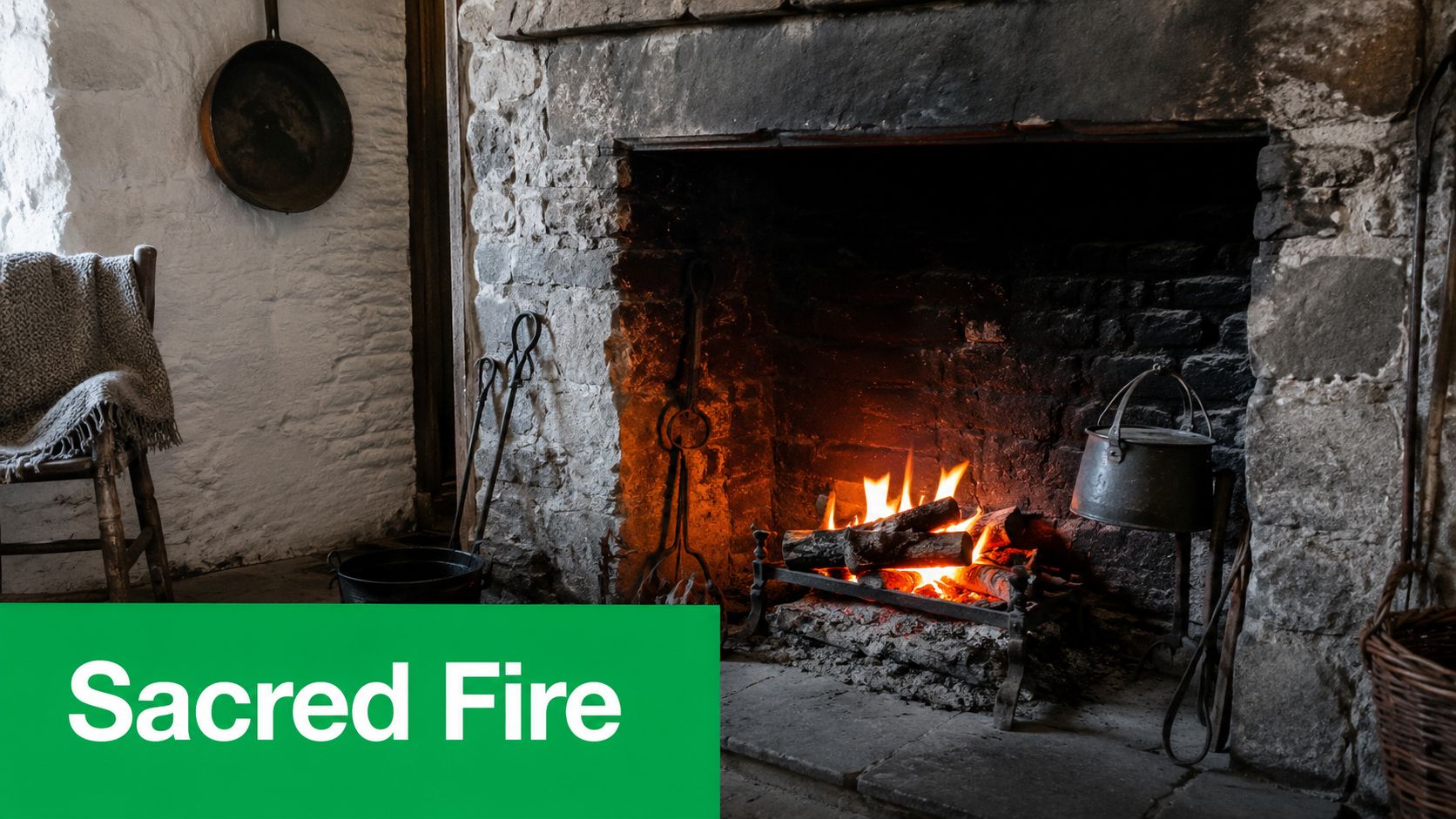
A rustic stone fireplace with a glowing fire, cast iron pots, and ancient interior decor.

The old fire at the center of the name

Aedh, also written Aed, means “fire” in Old Irish. That single image gives the name enormous power. Fire in Celtic tradition wasn't just a practical element. It suggested life, ritual, protection, brilliance, and sacred force. Aedh belongs to that older symbolic world, where a name could point to a quality people hoped to see in the child who carried it.

The name appears again and again in Irish genealogies and medieval records. You encounter kings, dynasts, and rulers with this name, which tells you how firmly rooted it was. It didn't belong to one isolated legend. It spread broadly through elite and regional traditions.

The modern learner can also place Aedh alongside related names. Aedan and Aodhán show how the older root kept generating new forms over time. That's useful if you're trying to understand why some modern Irish names feel connected even when they don't look identical at first glance.

Why the spelling matters

One of the biggest frustrations for heritage learners is the gap between the ancient form and the familiar modern spelling. In fact, 90% of popular articles surveyed in search results present modernized spellings like Aidan without explaining older forms such as Áedán or their historical pronunciation context. That's exactly where learners lose confidence.

Aedh helps fix that problem because it forces you to see the older orthography directly. The spelling may look unfamiliar, but that's part of the lesson.

  • Learn both forms: Aedh and Aed point to the same old root.
  • Connect it to meaning: Fire is easy to remember, which makes the name a strong anchor for vocabulary.
  • Trace the family: Moving from Aedh to Aodhán shows how Irish diminutives grow from older names.

For anyone exploring ancient Celtic names male options with real historical texture, Aedh is one of the best examples of how language, symbolism, and continuity come together.

4. Lugh

Lugh carries myth with it more openly than almost any other name on this list. Even before you know the details, it sounds bright and old.
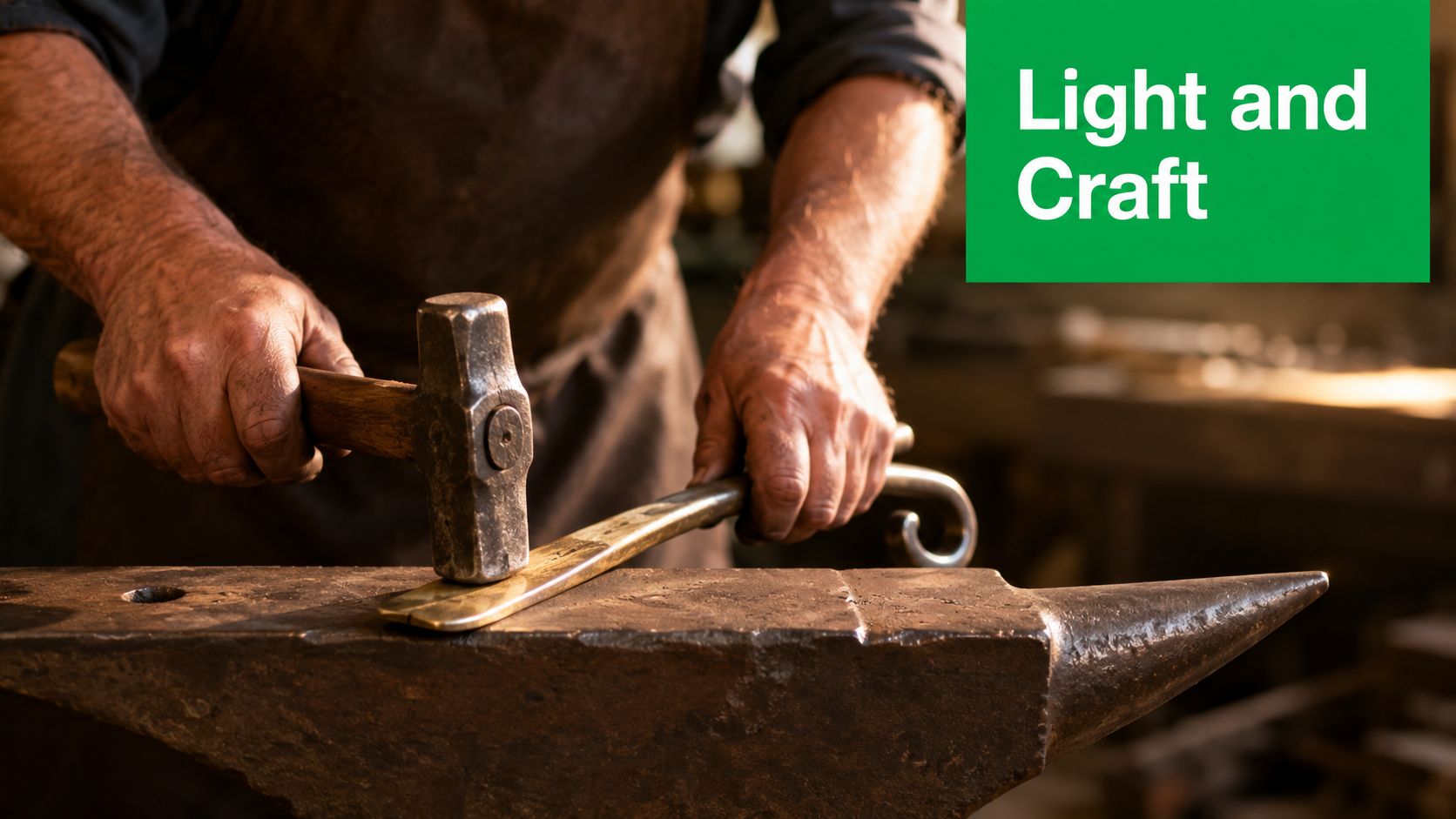
A blacksmith shaping a piece of metal on an anvil with a hammer in a workshop.

A divine name that became a human one

Lugh comes from the older Celtic divine name Lugus and is linked in Irish tradition with light, craft, skill, and warrior excellence. In mythology, Lugh is not narrow in talent. He is a many-sided figure, the kind of hero-god who can fight, create, and lead. That breadth is what gives the name its special force.

Because of that background, Lugh is distinct from names signifying mere strength or bravery. It suggests mastery. A person carrying the name stands in the shadow of a figure known for intelligence as much as power.

If you want the mythic background in more depth, this guide to the Celtic god Lugh is a useful next step. It helps place the name inside the wider framework of Irish myth rather than treating it as an isolated label.

A practical way to remember Lugh

Say it like /luː/, close to “loo.” The spelling can make learners hesitate, but the spoken form is straightforward once you hear it a few times.

There's also a wider cultural gap around names like this. A review of existing content found that 95% of it fails to connect male Celtic names to specific mythological archetypes, usually stopping at surface meanings instead of explaining the stories behind them. Lugh is the perfect example of why that deeper layer matters. Without the mythology, you miss the true personality of the name.

Here's a simple way to remember Lugh in study:

  • Link the name to craft: Think of smithwork, skill, and trained hands.
  • Link it to festival culture: Lughnasadh preserves the memory of the same mythic world.
  • Link it to story: Read one episode from Irish mythology and attach the name to an action, not just a definition.

A short visual introduction can help fix the character in your mind.

Lugh suits parents, writers, and learners who want a name with mythic brightness and strong Irish identity.

5. Eoghan (Euan/Owen)

Eoghan is a classic example of a name that changes shape as it travels. The Irish form is old, but many people first meet it through Owen or Euan.

A name with branches across the Celtic world

Eoghan is often linked to meanings such as “born of the yew tree” or ideas related to youthful warriorhood. The uncertainty is part of what makes old names interesting. Ancient naming traditions weren't always preserved with a neat modern dictionary entry. What did survive is the sense that Eoghan belongs to a natural and ancestral world.

The name appears across history, legend, and family tradition. Saints, rulers, and dynastic founders carried related forms, and that long survival gave it unusual flexibility. It can feel aristocratic, pastoral, or stoic depending on context.

That's why Eoghan remains so attractive to modern families reconnecting with Irish roots. It has depth, but it's still usable. It also shows how one name can branch into several familiar English-facing forms without losing its Gaelic center.

Pronunciation first, spelling second

If you're new to Irish, start by hearing the name before memorizing the letters. Many learners do better when they treat Eoghan as a spoken pattern first. The sound is often rendered close to “O-wan,” though regional and related forms vary.

Learn Eoghan by ear, then return to the spelling. Irish often becomes easier when sound leads the way.

This is also one of the best names for comparing Celtic traditions across regions. Irish, Scottish, and Anglicized forms all reveal something about migration and adaptation.

  • Use audio support: Hearing the name repeatedly builds confidence fast.
  • Compare forms: Eoghan, Euan, and Owen belong in the same family conversation, but they're not identical in feel.
  • Study the Irish form directly: The guide to Irish for Owen is especially useful if you want to understand how the English form relates back to Irish.

For people searching ancient Celtic names male lists that still work smoothly in modern life, Eoghan is one of the strongest choices.

6. Aodhán (Aidan)

Aodhán is a small, bright name with a long religious and cultural life. It's one of the clearest examples of how Irish diminutives work.

A small name with a long life

Aodhán comes from Aedh and means “little fire” or “small fire.” That gives it immediate warmth. It keeps the energy of the older root while softening it into something affectionate and personal. In many naming traditions, that's exactly what a diminutive does. It narrows the scale without reducing the dignity.

Saint Aodhán of Lindisfarne helped make the name famous well beyond Ireland. Through the saint, the name became associated not only with brightness and vitality but also with learning, mission, and spiritual influence. Other rulers and nobles also carried related forms, which kept the name moving through medieval records.

This combination is part of Aodhán's appeal. It sounds gentle, but it has historical weight.

Modern popularity and old form

Aodhán also matters because it shows how an ancient name can remain visibly alive. The available name data notes that Aidan remains a regular top 100 name in Ireland and sometimes appears inside the top 50 in the United States, showing sustained cultural relevance rather than any measurable tool adoption trend. That persistence says a lot. The old fire never fully went out.

For learners, Aodhán is an ideal bridge between ancient and modern usage.

  • Start with the root: Learn Aedh first, then Aodhán makes more sense.
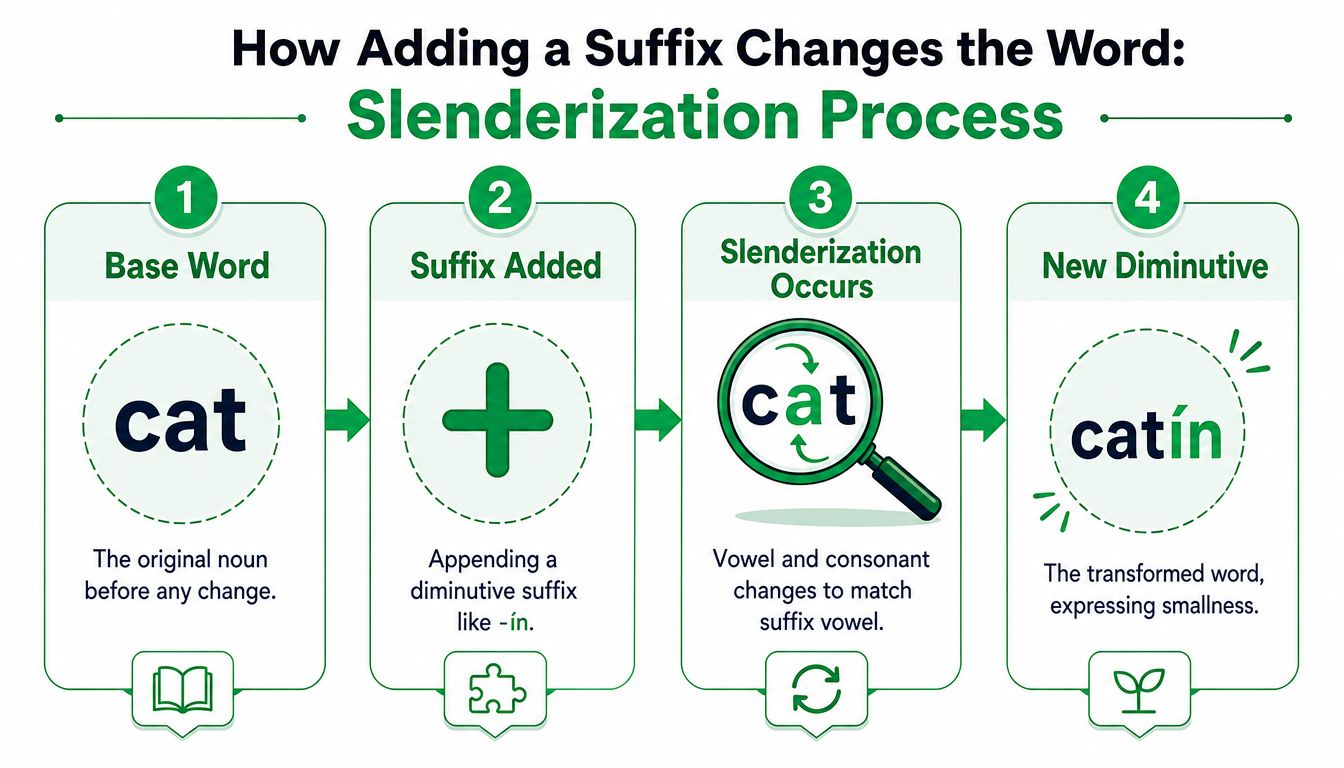
  • Notice the suffix: The ending -án appears in many Irish names and often adds a diminutive sense.
  • Compare forms carefully: Aodhán and Aidan are related, but the Irish spelling carries more historical texture.

If you want an ancient Celtic male name that still feels familiar in contemporary life, Aodhán is one of the easiest to love.

7. Fionn

Few names in Irish tradition are as instantly evocative as Fionn. Say it, and story enters the room.

The hero behind the name

Fionn means “fair” or “white,” and its most famous bearer is Fionn mac Cumhaill, the great hero of the Fenian Cycle. He isn't memorable only because he fights well. He's also clever, perceptive, and tied to supernatural knowledge. That balance is important. In Irish tradition, the ideal hero often combines physical courage with insight.

Because of Fionn mac Cumhaill, the name became one of Ireland's iconic heroic names. It suggests command without stiffness and nobility without ceremony. For many readers and parents, that's the appeal. Fionn feels legendary, but still human.
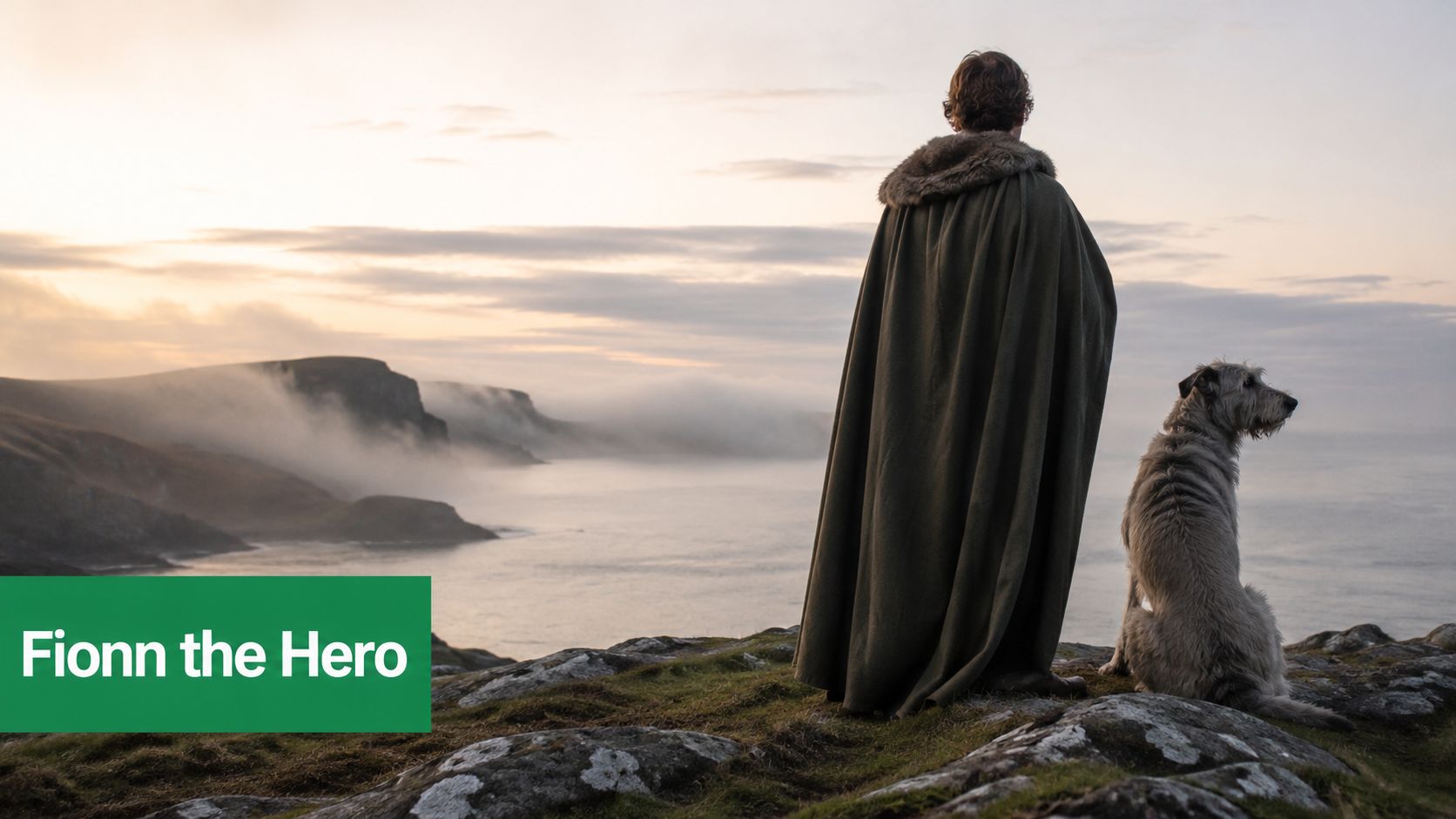
A man in a green cloak stands with a large dog overlooking a misty ocean cliff.

Reading Fionn through story

Fionn is one of the best names to learn through narrative rather than etymology alone. If you only memorize “fair” or “white,” you miss the lived meaning the stories gave the name. The Fenian world filled it with leadership, loyalty, wilderness, poetry, and danger.

A good next step is exploring Irish mythology names, where Fionn sits among other figures whose names carry whole narrative worlds with them.

Some names are best understood in motion. Fionn is one of them. Read one tale, and the meaning deepens immediately.

A few practical notes help:

  • Practice the sound: Fionn is often pronounced close to “Fyunn” or “Finn,” depending on context and anglicization.
  • Follow the family line: Oisín, son of Fionn, opens the door to later Fenian stories.
  • Use translations wisely: English retellings are a fine beginning, especially if they lead you back to Irish names and forms.

Among ancient Celtic names male lists, Fionn stands out because the name still carries a complete heroic atmosphere.

8. Dáithí

Dáithí has the sound of a royal name. It feels bold without being heavy.

A royal name with an old edge

Dáithí is often linked to an old sense connected with allotting or sharing, though, as with many early names, the path from root to accepted meaning isn't always perfectly clear. The figure most associated with it is Dáithí mac Murchada, remembered in tradition as a High King. Whether one approaches him through legend, medieval narrative, or historical memory, the name took on the aura of command and ambition.

That older kingly association stayed with the name. Dáithí sounds like someone meant to act, decide, and lead. It has none of the softness of later sentimental naming fashions. It belongs to the world of chiefs, rivalries, and dynastic aspiration.

For modern readers, that makes it compelling. It's recognizably Irish, rich in history, and less internationally flattened than some more familiar forms.

Using Dáithí as a language bridge

Dáithí is also good for pronunciation practice because the spelling teaches you to respect Irish sound patterns. Learners who rush it usually anglicize it immediately. Learners who slow down begin to hear why the written accents matter.

Try approaching it in layers:

  • Start with the stress: Put the emphasis early and keep the flow smooth.
  • Compare variants: Anglicized forms can help you trace adaptation, but the Irish original carries more cultural precision.
  • Pair the name with story study: A legendary king's name becomes easier to remember when attached to deeds and place.

Dáithí works especially well for heritage learners who want a name that feels authentically Gaelic rather than merely Celtic in a broad, decorative sense. It has sharp edges, and that's part of its charm.

Comparison of 8 Ancient Celtic Male Names

Name 🔄 Pronunciation / Complexity ⚡ Resources & Speed to Learn 📊 Expected Outcomes (cultural & linguistic impact) ⭐ Key Advantages 💡 Tips / Ideal Use Cases
Conn Low, one syllable; /kɔn/ Minimal, quick to master Improves basic Irish phonetics and leadership vocabulary Strong historical resonance; easy recall Use for beginners; link to Conn Cétchathach myths
Cormac Moderate, compound structure (cor+mac) Moderate, benefits from etymology study Teaches compound-name formation and dual warrior-scholar themes Versatile literary and historical references across periods Break into elements; compare diminutives (Cormacán)
Aedh (Aed) Low–moderate, short but variant spellings (/eː/ or /eɪ/) Moderate, learn spelling/pronunciation variants and symbolism Deepens understanding of Celtic spiritual symbolism (fire) Ubiquitous in genealogies; strong symbolic weight Note Aedh vs Aed; connect to fire motifs and Aedan variants
Lugh Low, short, /luː/; mythological feel Moderate, requires mythological context (Lughnasadh) Opens study of deity names secularized in mortal genealogies Cross-Celtic presence; links craft, warfare, and festivals Explore Lughnasadh and Lugh's crafts-forces associations
Eoghan (Euan/Owen) Moderate, pronunciation tricky ('O-wan'); multiple spellings Moderate, study phonetic evolution and anglicizations Illustrates language change (Irish → English/Scottish forms) Wide regional variants; continuity across centuries Use pronunciation tools; compare Owen/Euan forms
Aodhán (Aidan) Moderate, diminutive morphology (-án) and pronunciation variations (/ˈiːdən/ or /ˈeɪdən/) Moderate, benefits from historical/saint context Teaches diminutive formation and Christianization of names Familiar anglicized form (Aidan); saintly associations Compare with Aedh; study -án suffix pattern
Fionn Low, one syllable; lenition nuance (/fʲɪn/) Moderate, requires reading Fenian Cycle for full context Rich literary insight into hero archetypes and oral tradition High cultural impact and recognizability (Finn variants) Read Fenian tales; explore Finn/Finlay variants
Dáithí Moderate, diacritics and pronunciation (/ˈdaːhiː/) Moderate, requires genealogical/myth study Provides access to High King legends and medieval annals Strong kingly/legendary association; distinctive modern form Practice pronunciation; compare anglicized Davy/Davey forms

Carry the Legacy Forward

Ancient names endure because they do more than identify a person. They preserve a way of seeing the world. In Irish and wider Celtic tradition, a male name could hint at fire, brightness, intellect, kingship, battle skill, or a bond with the natural world. Even when spellings shifted and stories changed in retelling, the names themselves kept carrying those older ideas forward.

That's why exploring ancient Celtic names male traditions can become much more than a naming exercise. A name like Conn brings you toward legendary kingship and questions of wisdom. Cormac points toward scholarship as well as rule. Aedh and Aodhán open the door to old imagery around fire and sacred brightness. Lugh leads into myth, craft, and festival memory. Eoghan shows how names travel across regions and forms. Fionn reveals how a single hero can shape the emotional life of a name for centuries. Dáithí reminds you that some names still carry the ring of sovereignty.

For learners of Irish, these names are especially valuable because they make language feel personal. You're not memorizing abstract vocabulary. You're meeting the sounds, symbols, and social values that shaped Irish-speaking communities over generations. Old names teach pronunciation, spelling habits, and cultural memory all at once. They also help returning learners reconnect with heritage in a way that feels concrete. A family tree, a saint's life, a heroic tale, or a local legend can suddenly become easier to approach when the names stop looking strange.

There's also a practical lesson here. Modern lists often flatten these names into quick meanings and easy English spellings. That may be convenient, but it strips away much of what makes them worth studying. The older forms matter. Their stories matter. Their place in Irish speech matters. When you learn the name with its history, you're not only choosing a beautiful word. You're keeping a chain of memory intact.

If these names have stirred your curiosity, the natural next step is the language itself. Learning even a little Irish changes how these names sound, feel, and live in the mind. You start to hear patterns. You notice connections. You understand why one spelling carries more history than another. That's where cultural reconnection becomes something active rather than symbolic.


If you want to move from admiring Irish names to understanding and speaking the language behind them, try Gaeilgeoir AI. It helps beginners, returning learners, and Leaving Cert students build real spoken confidence through guided conversations, pronunciation support, and everyday Irish you can use right away.
Green in Gaelic: A Guide to Glas, Uaine, and Gorm

You're probably here because you've hit a very normal learner problem. You wanted to say “green” in Irish or Scottish Gaelic, looked it up, and found more than one answer. Then the answers didn't quite agree with each other.

That confusion isn't a sign that you're doing anything wrong. It's a sign that Gaelic languages slice up the world differently from English. If you learn the logic behind those choices, green in Gaelic stops feeling messy and starts feeling memorable.

Table of Contents

Why Is Green in Gaelic So Complicated

You stand in front of an Irish hillside, a wet field, a mossy stone wall, and a painted shop door, and English lets you call all of them “green.” Gaelic doesn't always do that. It asks a more specific question first.

In Irish, there isn't one all-purpose word that maps neatly onto the English word “green” in every situation. The language has long treated green as something with categories inside it. That's why learners often feel confident one minute and unsure the next.

Green in Gaelic makes more sense when you stop asking “What's the translation?” and start asking “What kind of green is it?”

That shift matters because Gaelic languages carry older ways of noticing the world. Natural surfaces, weathered shades, bright dyes, and vivid manufactured colors don't always belong in the same bucket. English tends to flatten those differences. Irish and Scottish Gaelic often keep them visible.

A helpful way to think about it is this:

  • English groups by broad color family. Grass, neon plastic, and traffic lights can all be “green.”
  • Irish often groups by type of green. Natural and artificial greens may call for different words.
  • Scottish Gaelic adds another twist. The word used for grassy vegetation may not be the one an Irish speaker would choose.

That's why green in Gaelic feels tricky at first. But there is logic here, and once you see it, the system becomes much easier to remember.

The Two Greens of Irish Gaeilge Glas and Uaine

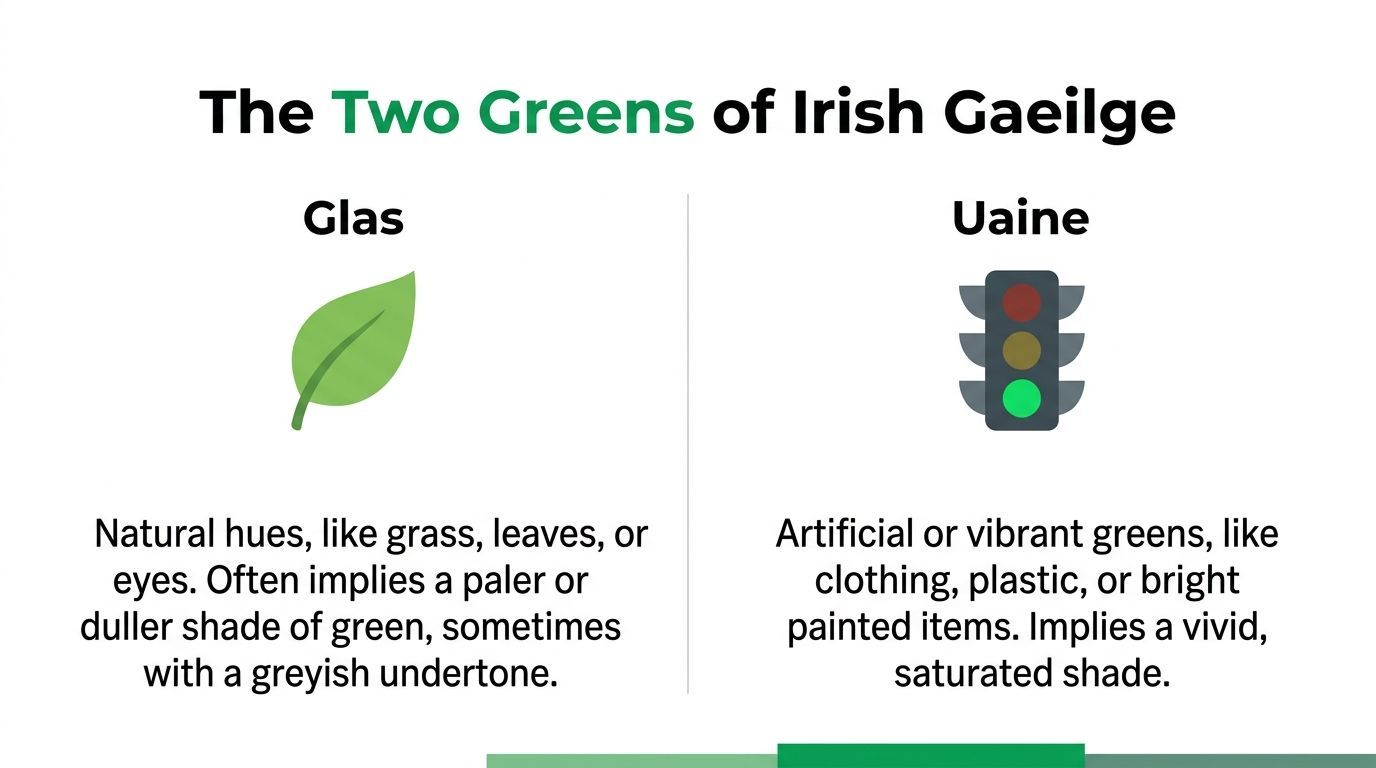
Irish gives learners two core words to work with: glas and uaine. A very reliable mental shortcut is nature's green versus man-made green.

The key fact is simple. The Irish language distinguishes green into two primary terms, glas and uaine, based on a natural-versus-artificial split that goes back to old linguistic roots. Glas is used for natural greens such as grass, leaves, and the sea, while uaine is used for vivid, artificial greens such as paint or dyed fabric, as explained in Preply's discussion of Irish color terms.

A diagram explaining the distinction between the words Glas and Uaine for the color green in Irish.

A simple mental model

If the color feels like it belongs outdoors, growing by itself, glas is often the right instinct.

Examples:

  • féar glas for green grass
  • leaves described with glas
  • the sea in contexts where English might say greenish, grey, or blue-green

If the color looks vivid, painted, dyed, plastic, or deliberately bright, uaine is usually the better choice.

Examples:

  • a painted wall
  • a bright green jumper
  • a traffic light

Beginners often slip, assuming the difference is only about brightness. Brightness can matter, but the more memorable test is origin. Ask yourself whether the object feels natural or manufactured.

Practical rule: If you can picture it growing in a field, try glas first. If it came from paint, fabric dye, plastic, or electric light, try uaine.

How to hear the difference

You don't need perfect pronunciation on day one, but a rough guide helps.

  • glas sounds close to “gloss,” though the Irish sound is its own thing
  • uaine is often pronounced roughly like “OO-an-yeh” or “WEN-yeh”

A few easy pairs make the contrast stick:

  • féar glas = green grass
  • péint uaine = green paint
  • solas tráchta uaine = green traffic light

If you enjoy comparing colors across the language, this guide to orange in Irish is a useful companion because it shows that color vocabulary often carries cultural logic, not just dictionary logic.

One more detail matters for advanced learners. Glas can stretch beyond what English calls green. It may also lean toward greyish or pale green depending on context. That wider range is one reason literal word-for-word translation can feel unreliable at first.

How Scottish Gaelic Gàidhlig Handles Green

Scottish Gaelic looks familiar at first, then surprises you.

A scenic landscape in the Scottish Highlands with rolling green hills, a cloudy sky, and a lake.

If you learned that Irish uses glas for natural green and uaine for vivid artificial green, you might expect Scottish Gaelic to do the same. It partly does, but not fully.

According to The Bottle Imp's explanation of Gaelic place-name color words, Scottish Gaelic uses a more complex three-part pattern. Gorm is the standard technical term for verdant vegetation such as feur gorm for green grass, glas refers to grey or pale greyish-green, and uaine is reserved for bright, artificial greens.

The Scottish Gaelic pattern

Here's the core contrast:

  • Irish: natural green often points to glas
  • Scottish Gaelic: grassy, growing green often points to gorm
  • Both languages: bright, artificial green can point to uaine

That means an Irish learner can easily misread a Scottish phrase. You see gorm, think “blue,” and miss the fact that in this context it can describe lush vegetation.

If you're studying both languages, this comparison of Irish vs Scottish Gaelic differences helps sort out where the systems line up and where they clearly don't.

Why learners mix them up

The trap is understandable. English trains you to expect a stable color label. Gaelic doesn't always offer that stability across related languages.

A Scottish speaker may use gorm where an Irish speaker would never do so. A learner who memorizes single-word glosses like “gorm = blue” ends up confused by real usage. The better approach is to memorize phrases with context:

  • feur gorm in Scottish Gaelic
  • féar glas in Irish
  • uaine for bright artificial green in both systems

This short video gives extra context on how these kinds of differences show up in Gaelic learning:

Grammar in Action Using Green Adjectives

Knowing the right color word is only half the job. You also need to place it properly in a sentence.

Rule one adjectives come after the noun

In Irish, adjectives usually come after the noun. English says “green shirt.” Irish structure says “shirt green.”

So you'll see patterns like:

  • léine uaine for a green shirt
  • féar glas for green grass
  • bád glas for a green boat

This is one of the first habits worth building. Don't translate word order from English. Learn the noun-and-then-adjective rhythm instead.

A focused guide to mastering adjectives in Irish is helpful if you want more practice after reading these examples.

Rule two lenition changes the adjective

The next hurdle is lenition, or séimhiú. This is the softening change that adds an h after the first consonant in certain contexts.

That's why:

  • bád glas stays as it is
  • cathaoir ghlas shows the changed form ghlas

You don't need every grammar rule at once. For now, notice the pattern. The adjective may change shape depending on the noun that comes before it.

Your goal at first isn't to master every mutation rule. It's to get comfortable seeing both glas and ghlas as forms of the same adjective.

This matters even more because glas isn't a narrow color label. As discussed in Greater Govanhill's article on the meaning of glas, the word functions as a broader chromatic umbrella in Irish and Scottish Gaelic, covering both grey and pale green depending on context. That's why a phrase with glas sometimes needs interpretation, not automatic translation.

Quick Guide to Green in Gaelic

Word Language Meaning / Context Example
glas Irish natural green, often softer or greyish in feel féar glas
uaine Irish vivid or artificial green léine uaine
gorm Scottish Gaelic verdant vegetation, especially grass feur gorm
glas Scottish Gaelic grey or pale greyish-green descriptive landscape usage
uaine Scottish Gaelic bright artificial green vivid painted or dyed objects

A few copyable sentence frames help:

  • Tá bád glas agam.
  • Tá léine uaine uirthi.
  • Chonaic mé cathaoir ghlas.

You don't have to produce perfect Irish instantly. Start by spotting the adjective after the noun, then notice whether lenition appears. That combination will take you a long way.

More Than a Color Idioms and Cultural Notes

The story of green in Gaelic isn't only about vocabulary. It's also about identity, land, symbolism, and the small arguments learners remember for years.

A scenic landscape featuring a lush green field filled with white clover leading to historic ruins.

The flag question learners always ask

Sooner or later, someone asks which green belongs to the Irish flag. Is it glas or uaine?

That question doesn't have a neat answer. The symbolism points one way, and the physical object points another. As noted in this discussion of Irish flag colour terminology, the contradiction persists because the flag represents the natural scenery, which suggests glas, but its emerald shade is vibrantly artificial, which suggests uaine. The same source says this nuance remains unaddressed in 90% of cultural articles.

The flag debate is useful because it shows that language isn't just about objects. It's also about how speakers frame those objects.

That's why the question sticks in learners' minds. It captures the whole lesson in one symbol. Are you naming the land the flag stands for, or the dyed material you can physically see?

Green as identity and symbol

Irish culture gives green enormous emotional weight. The natural scenery, national imagery, and popular symbolism all pull the color into public life. That's one reason the vocabulary matters so much to learners. This isn't just a textbook color card.

If you enjoy the wider meanings colors pick up in public identity and design, WaveGen's piece on Unlocking brand power with color is a useful side read. It isn't about Irish specifically, but it helps explain why colors carry stories far beyond their visual shade.

A practical takeaway is to stay flexible. In cultural discussion, people may simplify and say “green” in English without unpacking the Irish nuance. In Irish, though, the distinction can still matter.

Start Your Gaelic Journey Today

If green in Gaelic felt confusing before, you've now got a much stronger mental map. In Irish, the useful contrast is glas for the natural world and uaine for vivid manufactured green. In Scottish Gaelic, gorm adds a distinctive extra category for verdant vegetation.

That kind of insight changes how you learn vocabulary. You're not just memorizing labels. You're learning how Gaelic speakers sort the world.

Screenshot from https://gaeilgeoir.ai

If you want to turn that understanding into actual speaking practice, Gaeilgeoir AI is built for that next step. The platform immerses learners in the 1,000 most common Irish words and lets users click any word to see translations and save it to a personalised study list, as described in this overview of Gaeilgeoir AI's learning approach.

It's a good fit if you want flexible practice instead of waiting for the perfect study session. You can build confidence through guided conversation, real-world scenarios, and repeated exposure to the vocabulary that matters most.

Do not allow pingbacks or comments.


A CTA for Gaeilgeoir AI. If you're ready to move from memorizing words like glas, uaine, and gorm to using them in conversation, start with Gaeilgeoir AI.

The Road to Lisdoonvarna: Music, Scenery & Travel Guide

When people hear The Road to Lisdoonvarna, do they think of a tune, a drive, or a town? Most visitors pick one and miss the point. In Clare, those three things belong together.

You can hear the name in a pub session, follow it on a map through the Burren, and feel it again when you step into Lisdoonvarna itself. That's what makes the road to Lisdoonvarna so memorable. It isn't just a destination. It's one of those Irish phrases where music, scenery, and language all meet in the same place.

Table of Contents

What Is the Road to Lisdoonvarna

What do you picture when you hear The Road to Lisdoonvarna? A tune in a crowded pub. A signpost in County Clare. A road bending through the Burren toward a town with music in its bones. In Ireland, all three meanings can sit inside the one name.

That overlap trips people up at first, and fairly often. A visitor looks for directions and finds fiddlers arguing about tune settings. A music learner hears the title and assumes it must be symbolic. In Irish culture, though, place, music, and language rarely stay in separate boxes. A place-name can become a tune title, a tune can carry a town far beyond its county, and a single name can teach you how Irish people remember a place.

Lisdoonvarna is a town in north Clare, reached by the roads that run through the Burren and down toward the coast. It is also widely known for its older spa-town identity and for a social life shaped by music, dancing, and seasonal gatherings. So the phrase does more than point you from one place to another. It carries an atmosphere.

That is why the title sticks.

The name works like a doorway. Step through it one way and you arrive at geography. Step through it another and you arrive at a session tune. Step through it a third way and you begin to hear how Irish culture ties sound, memory, and place together. If you want a fuller feel for that connection, this guide to an Irish seisiún and traditional music culture helps explain why tune names often matter as much as the tunes themselves.

Why the name matters

Lisdoonvarna is not just a label on a map. It carries the feel of Clare itself. Limestone hills, changing weather, long roads, dance music, and the habit of meeting through music all gather around the name.

That matters because visitors often separate things that local culture keeps together. They treat the road as travel, the tune as entertainment, and the Irish language as a side interest. Clare does not work that way. The road brings you into a place. The tune gives the place a voice. The language helps you notice meanings that English alone can miss.

Even the word “road” does more than give directions. In tune titles, it often suggests approach, movement, and anticipation. You are not only arriving somewhere. You are being brought into its story.

Why visitors get hooked on it

People come to Clare looking for one thing and leave remembering another. Sometimes it is a melody they heard once and kept humming for days. Sometimes it is the look of the Burren after rain. Sometimes it is a place-name they cannot quite pronounce at first, but soon do not forget.

The road to Lisdoonvarna works that way because it gathers several parts of Irish life into one memorable phrase.

Once you notice that, the name starts to deepen. It is a travel clue, a musical reference, and the beginning of a language lesson all at once. That is part of Lisdoonvarna's charm. You do not just arrive there. You begin to understand how place, art, and Irish speech belong to one another.

The Music and Myth of the Famous Tune

Why does a simple tune title stay with people long after the last note fades?

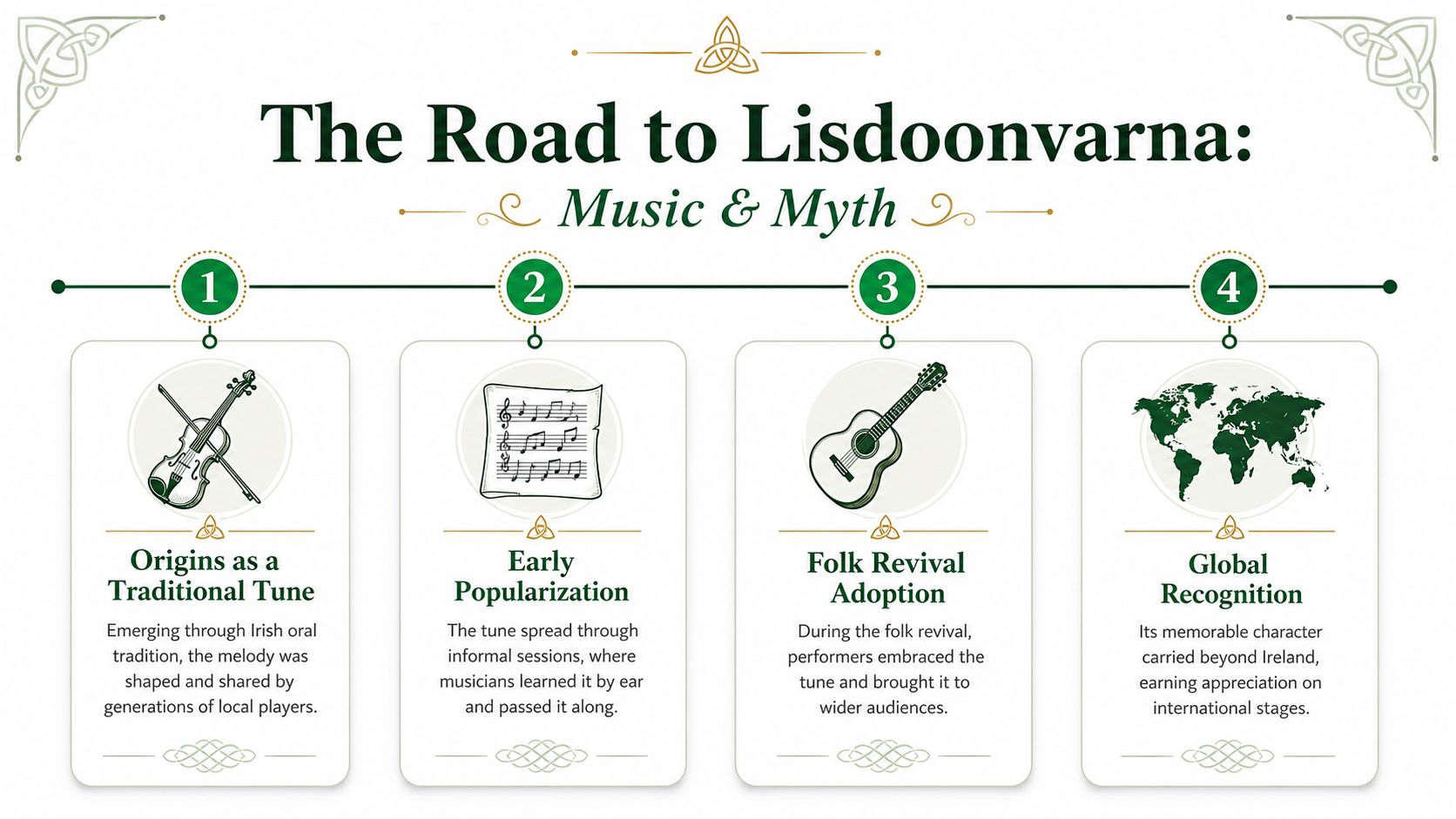
For many visitors, The Road to Lisdoonvarna is their first meeting with the town. They hear it in a pub session, on a fiddle album, or from a teacher who learned it from someone else. The melody arrives before the map does. By the time they reach Clare, the place already has a sound.

An infographic detailing the history of the traditional Irish tune The Road to Lisdoonvarna in four stages.

A tune with a place inside it

Part of the tune's appeal is that it carries motion in its name. “Road” suggests approach, expectation, and the small rise of energy you feel before reaching a town known for music and company. In Irish tradition, tune titles often do more than label a melody. They point to a social world.

Players also run into a small puzzle here. Some classify The Road to Lisdoonvarna as a slide, while many sessions play it with the lift and flow people associate with a jig. That can confuse beginners, but the easiest way to hear the difference is through the body rather than a textbook. A slide has its own bounce under the feet. A jig tends to settle into a more familiar rolling pulse. In a crowded session, though, the practical task stays the same. Catch the rhythm, hear where the phrase turns, and stay with the group.

If you want that session background explained clearly, this guide to Irish seisiún and traditional music culture gives useful context.

How the tune traveled and changed

The melody did not remain local. It traveled through recordings, teaching circles, and pub repertoires far beyond Clare, especially in North American old-time and Irish music communities. That wider journey helps explain why plenty of people recognize the tune name before they know anything about the town itself.

That kind of travel is normal in traditional music. A tune moves from player to player much like a place-name moves from mouth to mouth. The shape stays recognisable, but the accent shifts. One fiddler gives it more swing. Another smooths out the phrasing. A session in Clare may treat it one way, while a tune class abroad gives it a slightly different gait.

So the “myth” of the tune is not that it tells a false story. It is that it gathers layers around itself. A real town, a remembered road, a dance pulse, and generations of musicians all meet inside one title.

Why the name matters

Lisdoonvarna has long been linked in the popular imagination with music, sociability, courtship, and nights that stretch later than intended. That gives the tune title extra warmth. It does not sound like a cold direction on a signpost. It sounds like an invitation.

The Irish language deepens that feeling too. Even if a visitor knows only a few words, Irish often reveals how closely place and human experience are tied together. A town name is rarely just a label. A tune name is rarely just a label either. Both carry memory.

One line sometimes associated with the song tradition around Lisdoonvarna, “Ar mhaith libh dul amach anocht?”, means “Would you like to go out tonight?” That single sentence opens a whole scene. Music, meeting, conversation, and the courage to ask. In other words, the road, the tune, and the language are all doing the same work. They are bringing you toward people.

Finding the Real Road to Lisdoonvarna

At some point the melody gives way to the map. You stop asking how the tune goes and start asking how to get there.

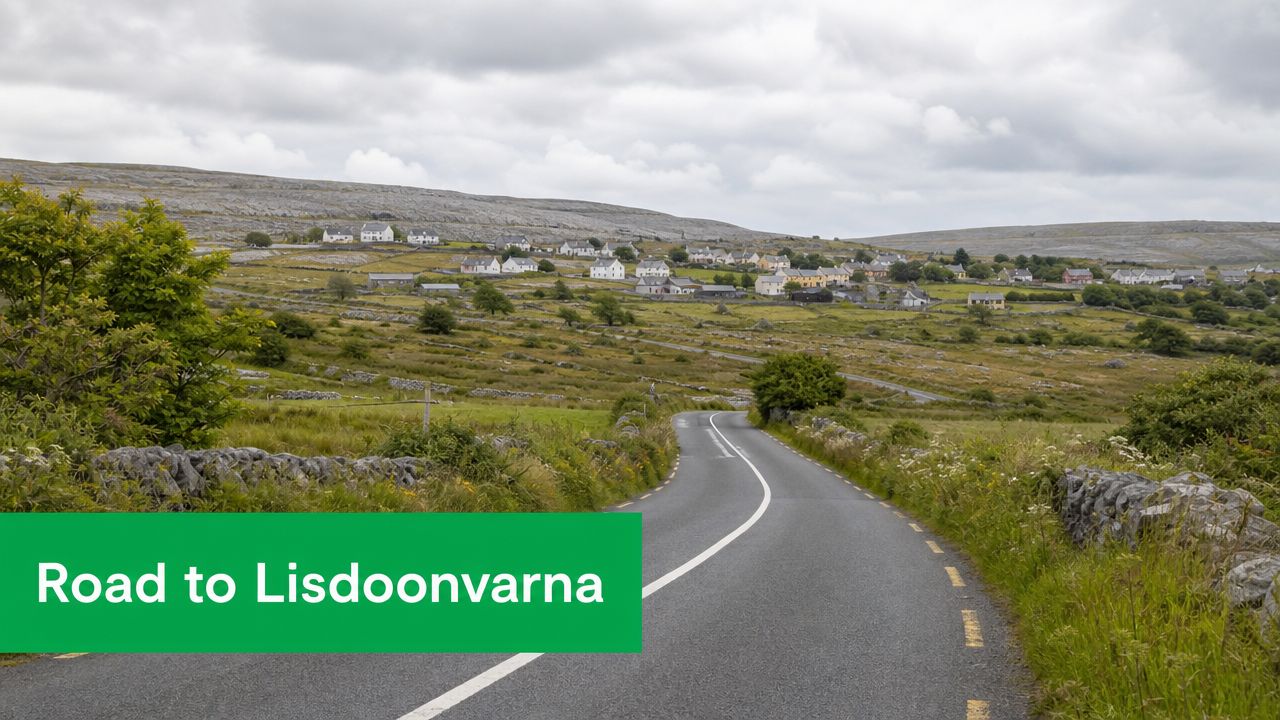
A scenic, winding asphalt road leads towards the charming village of Lisdoonvarna nestled in the Irish hills.

Where Lisdoonvarna sits in Clare

Lisdoonvarna lies in the Burren area of north Clare, and the approach itself is part of the reward. The roads around it carry you through scenery that can look soft and severe at the same time. You'll see stone walls, open limestone ground, green fields tucked into unlikely corners, and sudden turns where the Atlantic seems to reappear out of nowhere.

If you're driving, treat the road to Lisdoonvarna as a scenic route rather than a rushed transfer. The town is commonly approached along the N67, and nearby places like Doolin, Ballyvaughan, Ennistymon, and the Cliffs of Moher all shape the feel of the trip. Even when the map says the distance is short, the road asks for patience.

Irish place names also become more meaningful when you know they're not random labels. If that side of travel interests you, this guide to Irish place names and what they reveal adds a useful layer to the drive.

How to enjoy the drive

The best approach is simple. Build in time for stopping.

  • Drive slowly on smaller roads: Some stretches can feel narrow, especially if you're not used to rural Irish driving.
  • Pull over only where it's safe: Scenic views are everywhere, but not every verge is a proper stopping place.
  • Let the weather set the mood: Clare can shift quickly from bright sunlight to misty grey, and both suit the scenery.
  • Carry offline directions: Phone signal can be patchy in parts of the countryside.

A lot of visitors make the mistake of treating this road as a quick connector between bigger attractions. That misses the character of the Burren. The route works best when you allow for detours, pauses, and the occasional unplanned stop in a village or lay-by.

Here's a sense of the view in motion:

On Clare roads, the journey often becomes the part you remember most clearly.

One final practical point. Don't expect a grand ceremonial “road to Lisdoonvarna” in the tourist-brochure sense. The phrase is bigger than a single strip of tarmac. It refers to a real approach through a specific region, but it also gathers up the feeling of heading into a town that has lived in Irish music for generations.

A Visitor's Guide to Lisdoonvarna Town

What kind of town becomes a tune, a travel destination, and a lesson in Irish culture all at once?

Once you arrive, the answer starts to make sense. Lisdoonvarna is small enough to cross on foot, yet full of the kind of meaning that larger places often lose. The streets, the music, the talk in the pubs, and the old spa-town history all belong to the same story.

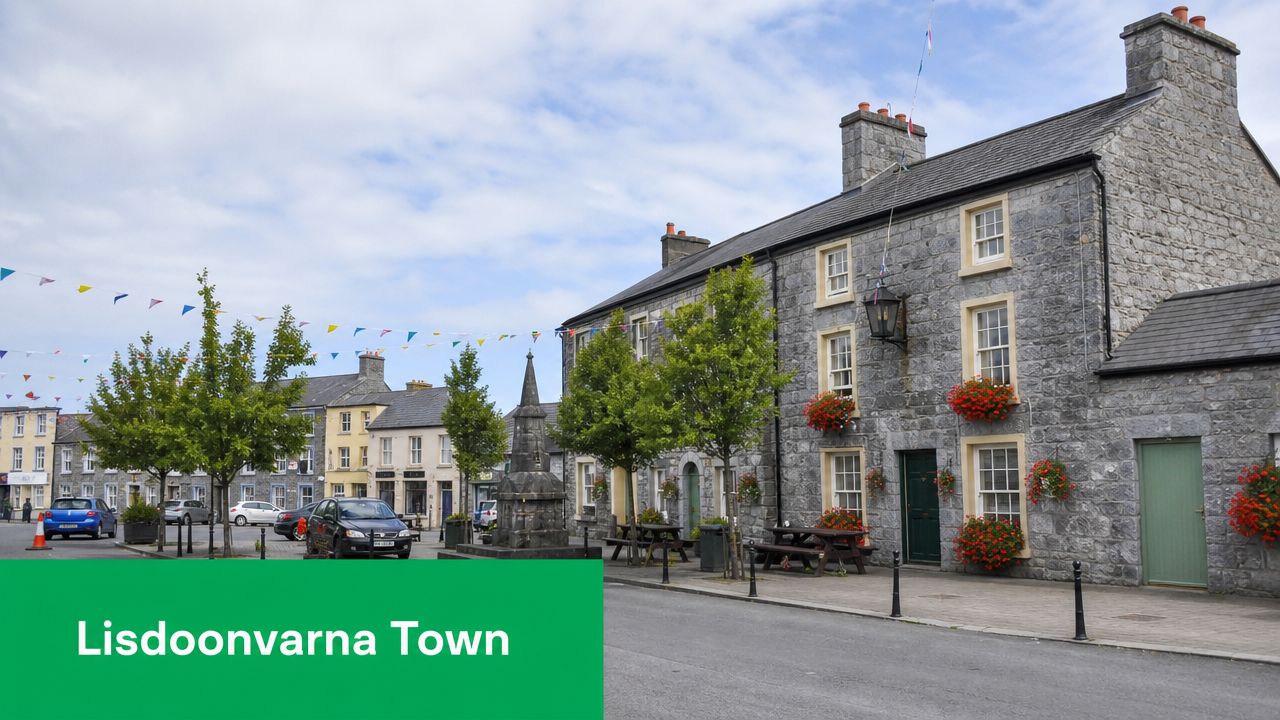
A scenic view of a quiet street in Lisdoonvarna town with traditional stone buildings and hanging flowers.

What gives the town its character

Lisdoonvarna is widely known as Ireland's matchmaking capital. Even outside festival season, that reputation still shapes the mood of the place. People come expecting stories, songs, conversation, and a bit of luck. That expectation matters. It gives the town a social warmth that visitors often feel straight away.

Its spa-town past adds another layer. Earlier generations came here for the mineral waters, and you can still sense that older rhythm beneath the livelier public image. The result is a town with two tempos at once. One is festive and outward-facing. The other is slower, almost Victorian, like an old melody still audible under a newer arrangement.

That mix helps explain why Lisdoonvarna sits so comfortably in music. Irish tunes often hold place and feeling together. A town is never only a point on a map. It is also a setting for meeting, dancing, talking, and remembering. If you are interested in how language works in living places rather than as a list of phrases, Verbalane on conversational language offers a useful way to think about that difference.

Simple tips for a smoother visit

A short stay works best when you treat Lisdoonvarna as a place to settle into, not just pass through.

What to plan for Why it helps
Festival periods The town feels busier, with more music and a stronger social buzz
Quieter months You get a calmer view of the streets and the surrounding Burren
Walking shoes The centre is easy to explore on foot once you have parked
Flexible timing Music and conversation often follow local rhythm rather than a strict timetable

Evening is often the best time to catch the town's character. Daytime is better for using Lisdoonvarna as a base for the Burren and the Clare coast. Together, those two halves make sense. You spend the day reading the region through stone, sea, and road, then spend the evening hearing it in speech and song.

Local advice: Park once, slow down, and let the town reveal itself at walking pace.

A few habits make the visit easier:

  • Check what is on that night: A good session can change your whole impression of the town.
  • Book ahead in busy periods: Small towns fill up faster than many first-time visitors expect.
  • Walk beyond the main street: A short detour often shows the quieter, older side of Lisdoonvarna.
  • Ask local people what is happening: In a town built on meeting and conversation, the best information often comes face to face.

Lisdoonvarna does not depend on grand monuments. Its appeal is more personal than monumental. You may arrive because of the famous road or the famous tune. You remember the place because the music, the setting, and the culture still feel joined together in ordinary daily life.

Unlocking the Language of Your Irish Journey

A trip changes when you understand even a little of the language around you. Road signs, tune names, casual greetings, bits of song, and place names all start to feel less decorative and more alive.

Why Irish changes the experience

Irish culture isn't only held in natural settings and melodies. It's also carried by Gaeilge, the Irish language. That matters in a place like Lisdoonvarna because so much of what makes the town memorable is tied to naming, speech, and social ritual. A line in a song lands differently when you know what it means. A place name feels less distant when you hear its Irish shape.

This is one reason conversational ability matters more than memorizing isolated facts. If you're interested in that difference, Verbalane on conversational language gives a clear explanation of why usable speech matters so much in real settings.

Small words open big doors

You don't need fluency to feel the benefit. A greeting, a thank you, a polite question, or a phrase you recognize from a song can shift your posture from spectator to participant.

Try these simple ways of using Irish on a trip:

  • Listen for familiar words: In music sessions and public spaces, repeated words start to stand out.
  • Say one phrase well: A careful “Dia duit” often does more good than ten half-remembered expressions.
  • Notice local names: Irish place names usually describe land, history, or settlement in some way.
  • Connect language to music: Tune titles and lyrics often preserve cultural memory in compact form.

You don't learn Irish on a trip in order to perform. You learn a little so the country can speak back more clearly.

That's especially true in Clare, where music and language sit close together. Even if the conversation around you is in English, Irish remains part of the mental map. It shapes names, carries memory, and gives many cultural references their full meaning.

Essential Irish Phrases for Your Travels

The best travel phrases are the ones you can remember under pressure. Keep them short. Use them often. Don't worry about sounding perfect at first.

Screenshot from https://gaeilgeoir.ai

A practical beginner approach works better than trying to master grammar before your trip. That's also why the learning method behind modern Irish study tools matters. According to the Clare Herald's report on Gaeilgeoir AI, the platform is built on an immersion-first approach grounded in the 1,000 most-used Irish words, helping learners build a foundation quickly while allowing them to click words for translations. That basic idea is sound for travelers too. Start with high-frequency language you'll use.

If you want to expand beyond the list below, this collection of essential Gaelic phrases for everyday situations is a helpful next step.

Useful Irish Phrases for Travelers

Irish Phrase Pronunciation Guide English Meaning
Dia duit dee-ah gwit Hello
Go raibh maith agat guh rev mah ah-gut Thank you
Le do thoil leh duh huh-il Please
Slán slawn Goodbye
Cá bhfuil Lisdoonvarna? kaw will Lisdoonvarna Where is Lisdoonvarna?
An bhfuil ceol anocht? an will kyohl uh-nocht Is there music tonight?
Pionta Guinness, le do thoil pyun-ta Guinness, leh duh huh-il A pint of Guinness, please
Gabh mo leithscéal gow muh lehsh-kale Excuse me
Ar mhaith libh dul amach anocht? er wah liv dul amach uh-nocht Would you like to go out with me?

A few notes help these phrases stick better.

How to practice them without getting overwhelmed

Start with the phrases you're most likely to use on day one. For many visitors, that means Dia duit, Go raibh maith agat, and Le do thoil. Then add one social phrase and one practical question.

A simple routine works well:

  1. Say each phrase aloud three times.
  2. Pair it with a situation. Greeting, ordering, asking, thanking.
  3. Keep the Irish visible on your phone or notebook.
  4. Use it once in a live setting, even if your accent is tentative.

Beginners often hesitate because they're afraid of getting corrected. In Ireland, a respectful effort usually goes over well. Clear intention matters more than polished delivery.

Remember this: A handful of well-practiced phrases will carry you farther than a long list you never say out loud.

Your Journey into Irish Culture Starts Here

The road to Lisdoonvarna stays with people because it gathers several Irish experiences into one name. You can play it, drive it, sing it, and follow it into a town that still carries an older social and musical identity.

One name, three ways into Irish culture

That's the lesson. The Road to Lisdoonvarna isn't only a tune title or a travel phrase. It shows how Irish culture often works. Music grows out of place. Place carries language. Language keeps memory attached to both.

If you come to Clare only for scenery, you'll still have a fine trip. If you come listening for tunes, you'll hear more. If you add even a little Irish, the whole experience gets thicker with meaning. A town name stops being a label. It becomes part of a story you can enter.

Here's what to carry with you:

  • The tune matters: it's part of a living session tradition.
  • The drive matters: Burren roads shape the approach and the mood.
  • The town matters: Lisdoonvarna has a distinctive social history.
  • The language matters: even beginner Irish helps you notice more.

Start before you arrive

You don't need to wait until you're standing in Clare to begin. Learn a greeting. Learn how to ask for music. Learn one phrase that makes you smile. Then when the tune starts in a pub, or the road bends toward town, you'll have a way in.

That's often how Irish culture opens. Not all at once. A tune title. A place name. A phrase understood at last.


If you'd like to turn curiosity into real speaking practice, try Gaeilgeoir AI. It's a practical way to build confidence with everyday Irish before your trip, so the next time you hear The Road to Lisdoonvarna, you won't just recognize the name. You'll feel more at home inside it.

English to Irish Names: A Complete Gaelic Guide 2026

You've probably done this already. You typed your surname into a search bar, found three different Irish spellings, and closed the tab more confused than when you started. One site says Kelly is Ceallaigh. Another says Kelley. A third gives no Irish form at all. If your first name is John, matters get even messier. Are you Seán, Eoin, or something else entirely?

That confusion isn't your fault. A lot of advice about English to Irish names gives you a quick list but skips the part that matters most. It doesn't tell you why the forms changed, which version is historical, and which spellings were shaped by English record-keeping rather than Irish usage. Few resources address the question of why common English spellings of Irish names such as Shannon and Sionann can be phonetically misleading or historically inaccurate because of transcription errors by English speakers with no Irish knowledge, or how to work backward toward the original Irish form through the Anglicization Error Gap discussion.

Names carry grammar, family history, and sometimes a small record of colonisation and recovery. When someone discovers that Sullivan points back to Ó Súilleabháin, or that Kelly reflects Ó Ceallaigh, they're not just finding a translation. They're uncovering an older naming world.

Table of Contents

From English Name to Irish Soul

A man named Sullivan finds Ó Súilleabháin and suddenly the name stops feeling flat. It has shape. It has rhythm. It sounds like it belongs to a language with its own rules instead of looking like a neat English label in a register. The same happens when a Kelly meets Ó Ceallaigh for the first time. You don't just see a different spelling. You feel a line stretching backward.

That emotional jolt matters because names were often flattened for convenience. English clerks wrote what they heard. Families adapted to administration, school, church records, migration, and social pressure. Over time, many people inherited an English surface form without the tools to recover the Irish one underneath.

Practical rule: An English-looking Irish name often isn't a translation at all. It's usually an anglicised echo of an older Irish form.

That's why quick lists can mislead. They often treat names as if every English form maps neatly onto one Irish equivalent. Real usage is messier. One English form may point to several Irish roots, and one Irish name may produce several English spellings. If you're trying to reconnect with heritage, that difference matters.

A better approach starts with three questions:

  • What was the older Irish form behind the surname or given name?
  • Was the English form phonetic, meaning someone wrote down what they thought they heard?
  • Is the Irish version historical or modern, especially with first names?

You don't need fluent Irish to begin answering those questions. You need patience, a feel for patterns, and a willingness to let the Irish form lead. That's where English to Irish names become more than a lookup exercise. They become a way back into language, family memory, and place.

The History Behind Your Irish Name

Irish names didn't become English by accident. Power shaped them. Law shaped them. Administration shaped them. Once you know that, the odd jumps between English and Irish spellings stop looking random.

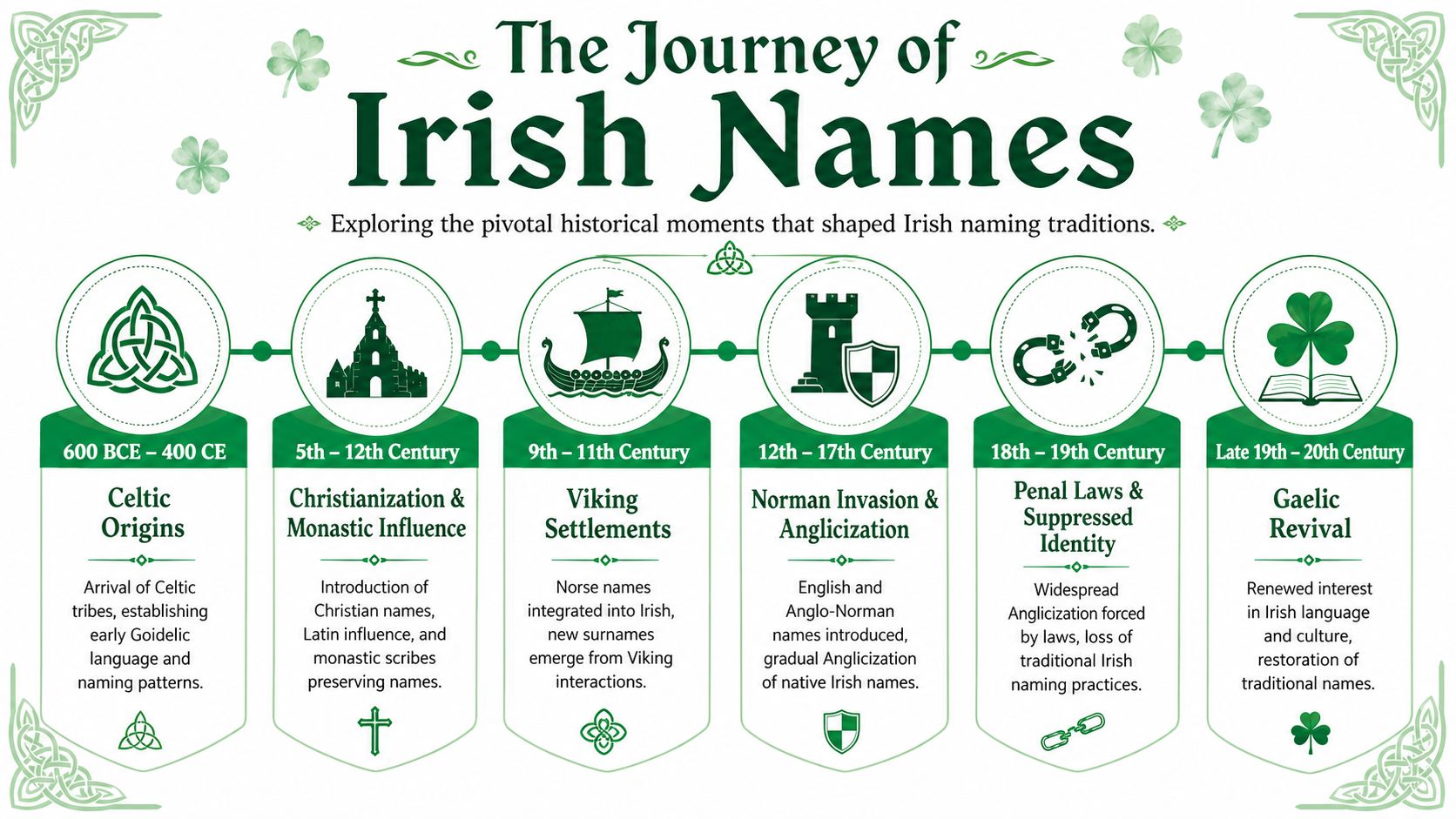
An infographic titled The Journey of Irish Names showing a timeline of historical naming influences on Ireland.

A name can change without losing its root

In 1462, King Edward IV of England enacted a Penal Law declaring that Irish people must adopt English surnames, a mandate tied directly to anglicisation and still echoed in later legal efforts to restore Irish forms through a historical note on the 1462 law. Once names entered English-controlled systems, many lost visible Irish markers such as Ó and Mac, or had those markers altered, dropped, or inconsistently restored.

The result wasn't pure translation. It was often morphological change. The Gaois surname database shows that Irish surnames are grouped into bilingual clusters linking Irish forms with English counterparts, and that approximately 90% of the Top 10 most common Irish surnames have documented Irish-English clusters in data integrated from the CSO. The same resource maps examples such as Ó Súilleabháin to Stephen or Sullivan, and Mac Dónaill to Donald or McDonald, showing how anglicisation followed structured genealogical patterns rather than guesswork in the Gaois surname information database.

That matters for heritage learners because it means your English surname often still preserves the Irish root, even if the route is crooked.

The revival didn't invent Irish names

The return of Irish forms in public life didn't come from nowhere. It was a recovery. Historical records tied to the Census of Ireland show a striking shift in which a given name recorded in English in the 1901 Census often appeared in Irish or an alternative Gaelic spelling in the 1911 Census, reflecting a cultural turn within a single decade. Material compiled into the dúchas.ie Irish Surname Index also documents over 1,000 distinct surname variations linking English forms such as Ahearn and Atkins to Gaelic origins such as Ó hEachairn and Mac Aidicín in a summary of surname variation evidence.

A family name on paper can tell two histories at once. One is the history of the family. The other is the history of who was allowed to write it down.

By the late nineteenth and early twentieth centuries, many families were reclaiming Irish spellings as part of a broader cultural revival. That doesn't mean every restored form was perfect or uniform. It means people were trying to bring names back into the language that had shaped them first.

The Core Principles of Gaelicising Names

Finding an Irish form isn't just about swapping letters. Irish names follow sound patterns and grammar. If you miss those, the result may look Irish without behaving like Irish.

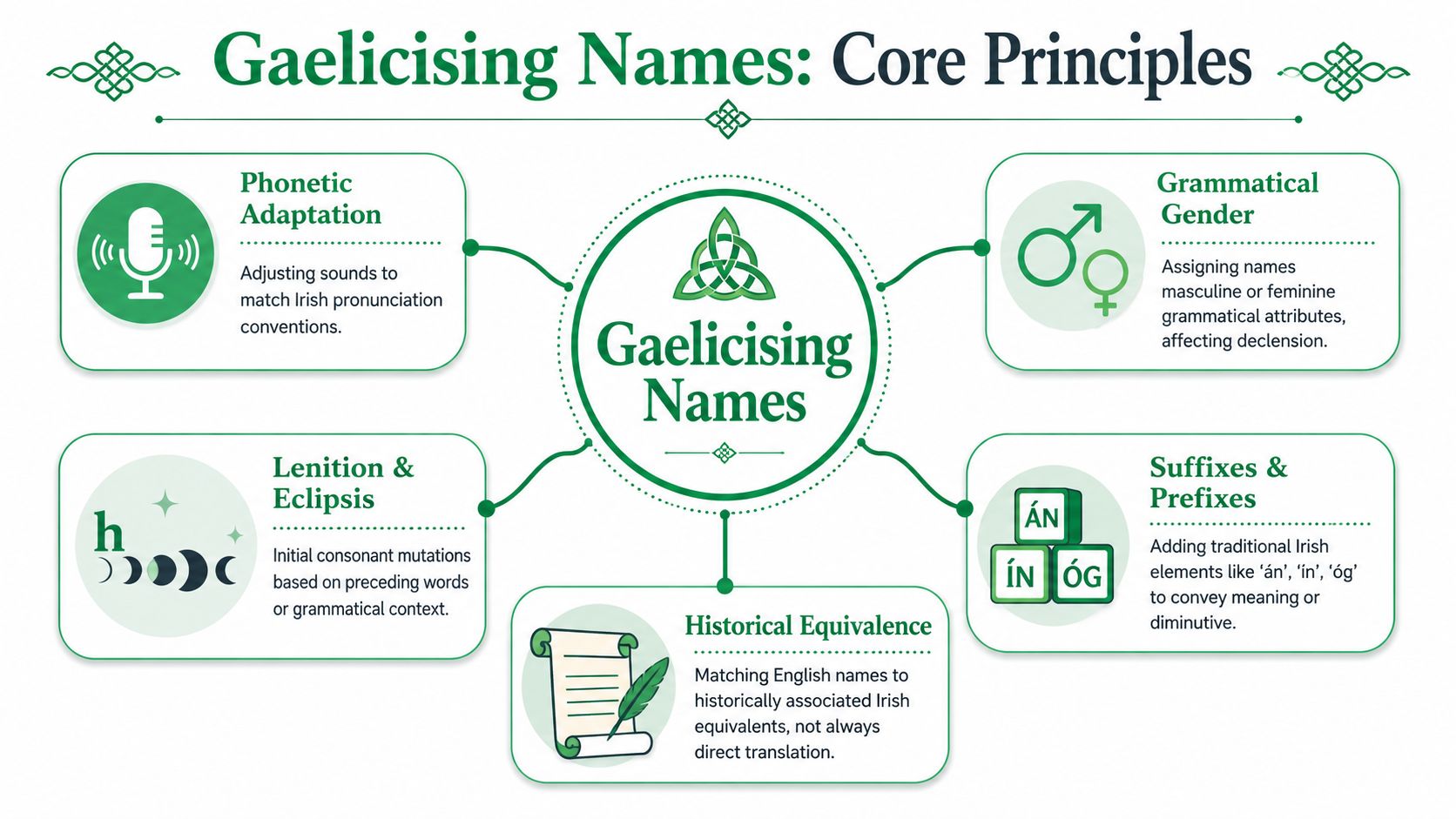
A diagram illustrating the core principles of Gaelicising names, including phonetic adaptation, grammatical gender, mutations, and historical equivalence.

Sound comes before spelling

Irish spelling is rule-governed, but the rules aren't English ones. That's why two names can look far apart on the page while sounding close enough to reveal a historical link. In many cases, an English form is a rough attempt to capture an Irish sound.

A few pronunciation guides help at once. The verified guidance on Irish given names notes these vowel patterns:

  • Ao is pronounced like the e in “tree”
  • Ai is pronounced like ah in “mat”
  • Io is pronounced like ih in “mist”

Those aren't full pronunciation lessons, but they show why English spellings often fail to preserve the original shape of a name. The same source also notes that there's no universal standard for translating English names into Irish, and that many English names are not technically translatable, with some modern equivalents being constructed rather than inherited in the discussion of Irish and English name forms.

Mutation changes the shape of a name

Irish uses initial mutations. These are grammar-driven changes at the beginning of a word. The most common one learners notice in names is lenition, called séimhiú. In writing, it often adds an h after the first consonant.

You'll see patterns like these:

  • B can become Bh
  • C can become Ch
  • M can become Mh
  • S can become Sh in some phonetic environments

That doesn't mean you insert an h wherever you like. Mutation depends on grammar, surrounding words, and naming structure.

Name lesson: If two forms of a surname differ by a single added h, they may still be the same family name in different grammatical contexts.

Eclipsis, or urú, is another mutation where a consonant is covered by another consonant sound at the front. It appears less often in the basic forms learners first meet with names, but it belongs to the same system. Irish doesn't treat the first letter of a name as fixed in every context.

The genitive case matters in family naming

Irish also changes words for grammatical case. One case you'll meet in names is the genitive, often used to show relationship. In older patronymic naming, a person could be identified through the father's name in the genitive form. That's one reason direct word-for-word conversion from English can miss the mark.

Here's the simplest working method for English to Irish names:

  1. Find the historical root first. Don't start by respelling the English version.
  2. Check whether the Irish form is inherited or modern. Some are ancient. Some are recent adaptations.
  3. Watch for mutation and case. The surname you use after a prefix may not stay in its base form.

A name in Irish is part vocabulary, part grammar, and part memory. You need all three to make sense of it.

Understanding Surnames and Patronymics

Irish surnames make more sense when you stop treating them like frozen labels. Traditionally, many of them described descent. They told listeners whose line you belonged to.

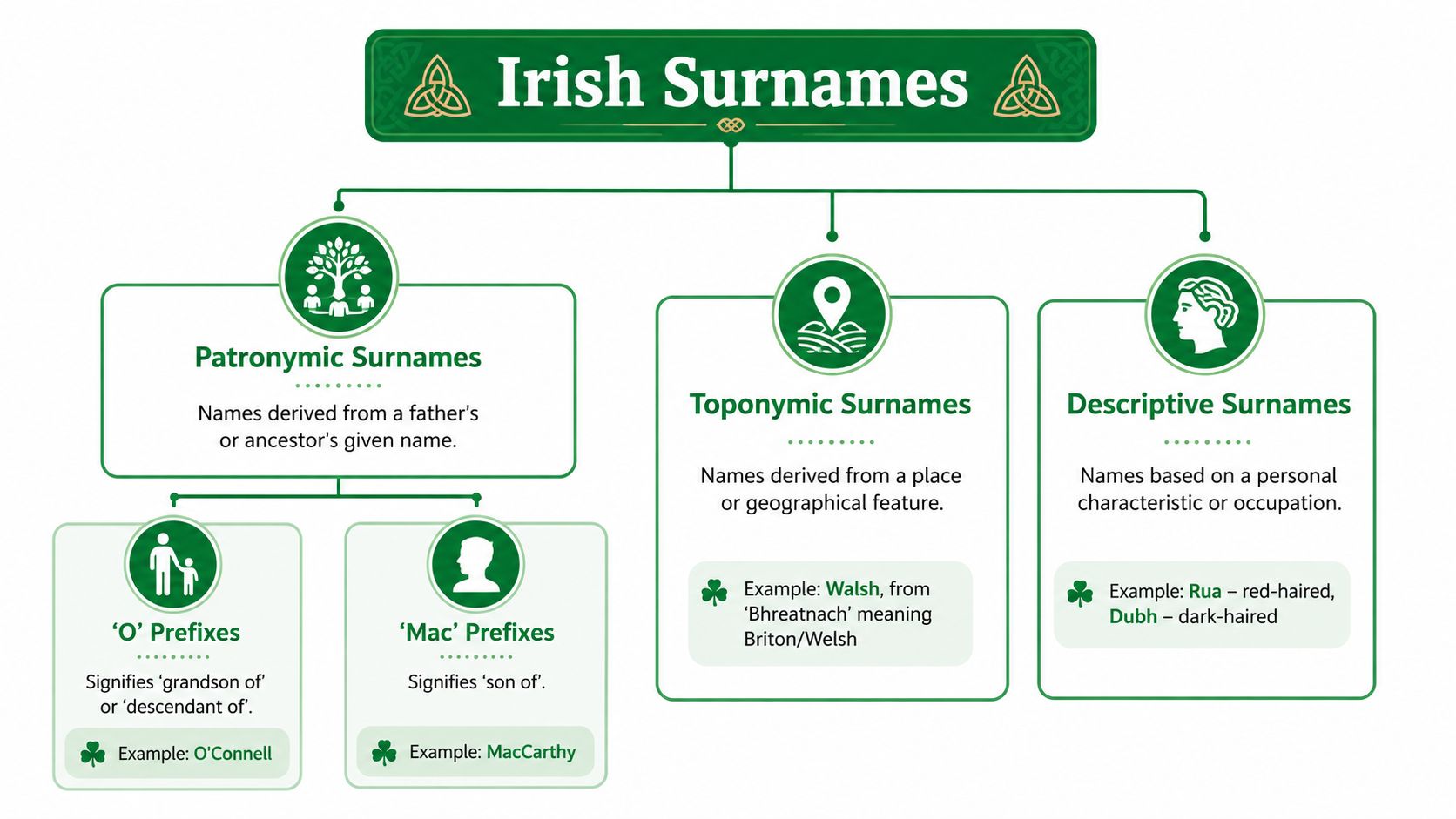
A flowchart infographic explaining the origins and categories of Irish surnames including patronymic, toponymic, and descriptive names.

What Ó and Mac actually tell you

In Irish surname formation, Ó means “grandson of” or “descendant of,” while Mac means “son of.” That's the backbone of many well-known surnames. These prefixes aren't decorative. They carry genealogy.

In Gaeltacht naming customs, the older pattern often followed [first name] + [father's name in the genitive case] rather than relying consistently on fixed hereditary surnames with Ó or Mac. Historical English law also temporarily forbade the use of O' and Mac, allowing only Fitz, which added further instability to naming records in the FamilySearch guide to Ireland naming customs.

Some practical consequences follow:

  • Dropped prefixes abroad often hide Irish roots. A family that appears as Kelly or Sullivan in one generation may connect to a longer Irish form.
  • Restored prefixes aren't always straightforward. Families sometimes re-added them later, and not always consistently.
  • Patronymic logic still helps even when the paper trail is messy.

Why women's surname forms differ

This is one of the places learners get stuck, and fairly so. A man and his sister may not use identical Irish surname forms.

Verified usage rules note that males use Ó with no lenition if the first letter is a consonant, while females use , and requires lenition if the following surname begins with a consonant but remains unchanged before a vowel in the Daltaí discussion of surname mechanics.

So the structure changes with gender. The name is still recognisably connected, but its form shifts because Irish grammar is doing real work.

If a woman's Irish surname looks different from her father's, that doesn't mean one of them is wrong. It usually means the grammar is alive.

A note on living surname research

Surname recovery often works best when you compare family usage with established databases rather than relying on a single list. If you want a broader reference point for family-name roots, variants, and meanings, this guide to Irish surnames and meanings is a helpful companion.

English to Irish names make the most sense when you treat the surname as a living structure. It may encode descent, grammar, and history all at once.

A Quick Guide to Irish Pronunciation

You can find the right Irish name and still feel shy about using it if you don't know how to say it. That's normal. Irish spelling is logical, but it's logical in Irish, not English.

Start with vowel groups

Some of the biggest pronunciation surprises come from vowel combinations. If you learned to read through English first, your instincts will often misfire.

Use these as starting points:

  • Ao often sounds like the e in “tree”
  • Ai often sounds like ah
  • Io often sounds like ih

That won't solve every name, but it will stop a lot of common mistakes. If you're serious about hearing these patterns more clearly, a focused guide on Irish pronunciation helps you connect spelling to sound in a more systematic way.

Use slender and broad consonants

One of the key Irish pronunciation principles is caol le caol, part of the larger broad-and-slender system. Verified guidance explains that an S beside broad vowels such as A or O sounds like plain s, but beside a narrow vowel such as I it becomes sh, which is one reason forms like Pádraig can't be pronounced by English instinct alone in the CNN guide to Irish name pronunciation.

That broad-and-slender contrast affects far more than s. It changes the feel of whole names. Compare the texture of these on the tongue:

  • Seán
  • Siobhán
  • Pádraig
  • Niamh

Their spellings aren't arbitrary. The vowels around the consonants help tell you how those consonants should behave.

Say the vowels first in your head. Then let the consonants follow them. Irish names become easier once you stop reading them as English.

If you'd like extra help hearing and producing those differences, this article on mastering your accent gives useful general pronunciation practice ideas that carry over well into Irish name work.

The Big List of English to Irish Names

Lists are useful, but only if you read them with care. Some English names have one strong historical Irish equivalent. Others have more than one accepted Irish form. A few are best treated as gaelicisations rather than strict translations.

How to read the list well

The notes column matters as much as the name itself.

  • Pronunciation clues help you avoid English guesses.
  • Origin notes tell you whether a form is traditional, borrowed, or modernised.
  • Variants warn you when more than one Irish form may fit.

If you want a larger companion reference focused on personal names, this collection of Irish first names and meanings is worth keeping beside you.

English names and their Irish equivalents

English Name Irish Equivalent(s) Notes
John Seán, Eoin Two common Irish equivalents. Choice depends on family use, region, and personal preference.
James Séamus Very widely used Irish form. Often one of the first names learners recognise.
Patrick Pádraig Pronunciation depends on Irish sound rules, not English spelling instincts.
Jack Seán, Eoin Can follow the same official change pattern mentioned later for legal use.
Owen Eoin, Eoghan English Owen can connect to more than one Irish form. Check family history if possible.
Hugh Aodh A classic case where the English and Irish forms look far apart.
Donald Dónaill, Mac Dónaill Often appears in surname structures rather than as a simple first-name swap.
Stephen Stiofán Distinct from the surname mapping seen with Ó Súilleabháin in some anglicised contexts.
Mary Máire, Muire Form depends on context and tradition.
Margaret Máiréad A well-established Irish equivalent.
Catherine Caitríona, Cáit Formal and shorter forms both appear.
Bridget Bríd Traditional and strongly rooted in Irish usage.
Nora Nóra Often a straightforward adaptation.
Anne Áine, Anna Not always a direct one-to-one match. Family tradition matters.
Helen Eibhlín One of several examples where Irish spelling can look very different at first glance.
Kevin Caoimhín A good example of Irish consonant and vowel patterns diverging from English.
Liam Liam Already widely used in Irish and English contexts.
Aidan Aodhán A familiar name with an older Irish shape.
Declan Déaglán Usually treated as a direct Irish form already.
Niall Niall Shared across English and Irish with little visible change.
Rory Ruairí English form reflects an anglicised sound path.
Kieran Ciarán English K often maps back to Irish C in established forms.
Dermot Diarmaid English and Irish forms differ significantly in spelling.
Conor Conor, Conchúr Modern and older literary forms may both appear.
Erin Éirinn, Ériu Context matters. One may be poetic, another historical or mythic.
Shannon Sionann A key example of the Anglicization Error Gap. The English form can hide the Irish spelling logic.
Eileen Eibhlín A common anglicised pathway from an Irish original.
Fiona Fíona Often used as a close adaptation.
Maeve Méabh, Medb Both spellings appear. Historical and modern preferences differ.
Aoife Aoife Already Irish. English speakers often need pronunciation help rather than translation.
Niamh Niamh Another name that is already Irish but often mispronounced by learners.
Sullivan Ó Súilleabháin Verified Gaois example showing direct linkage between Irish and English surname forms.
Kelly Ó Ceallaigh A common surname whose Irish root is older than the familiar English spelling.
Murphy Ó Murchú One of the dominant names in Irish demographic records per the verified Gaois summary.
Sweeney Ó Suibhne English form often obscures the older Irish spelling.
Farrell Ó Faircheallaigh Explicitly linked in surname-variation records.
Hughes Ó Maol Aodha A strong example of an English surname masking a very different Irish structure.
Ahearn Ó hEachairn Explicitly documented as an English-Gaelic pairing in verified surname variation records.
Atkins Mac Aidicín Shows that some English surnames map to a clear Gaelic patronymic root.
McDonald Mac Dónaill Prefix and root both matter. Don't strip the surname down too quickly.
Donald Mac Dónaill In surname context, English Donald may reflect a patronymic line.
Walsh Breathnach A classic surname with ethnic or geographic meaning rather than a direct first-name origin.
O'Connell Ó Conaill Familiar prefix structure.
MacCarthy Mac Cárthaigh Keeps the patronymic logic visible.
O'Brien Ó Briain One of the best-known preserved prefix surnames.
O'Neill Ó Néill English apostrophe form reflects the Irish Ó prefix.

A list like this is a starting point, not a verdict. If your family used one form for generations, that usage deserves respect even if the older Irish root looks different. Heritage work is strongest when it balances evidence with lived family memory.

How to Choose and Use Your Irish Name

Choosing an Irish name is partly linguistic and partly personal. Some people want the most historically grounded form. Others want a name they can use comfortably in class, in community, or at home.

Screenshot from https://gaeilgeoir.ai

Choose for history, family, or daily use

If your name has more than one Irish equivalent, start with the question that matters most to you.

A family historian may prefer the form that best matches parish records or older surname roots. A learner returning to Irish after school may choose the form most widely used in conversation. Someone reclaiming identity may want the version that feels strongest emotionally.

These are all valid approaches if you stay honest about what you're choosing.

  • Historical fit means you look for the oldest attested family or naming form you can identify.
  • Practical fit means you choose the form you'll use and pronounce.
  • Cultural fit means you choose a name that reconnects you with Irish-language life, even if the form is a later standardisation.

Using your Irish name officially

Irish citizens may use either the Irish or English version of their name, but only one version is officially recorded on a birth certificate in the verified discussion cited earlier. If you want to change an English name to its Irish equivalent for official use, the process described in the verified data requires a deed poll, an updated birth certificate, and presentation of those documents to registered bodies such as HMRC, dentists, and banks in the discussion of changing a name from English to Irish.

That's the legal side. The daily side is simpler and harder at once. Simpler, because you can begin using your Irish name in speech right away. Harder, because confidence takes repetition.
A short practice clip helps before you commit to introducing yourself with a new form:

Practice it until it feels like yours

Say your name aloud in full. Then say it in a sentence. Then say it as if someone just asked, “Cad is ainm duit?” If the sound still feels unfamiliar, that doesn't mean the name is wrong. It means you're building a new habit.

Use the name before it feels perfect. Fluency often follows usage, not the other way around.

Some learners keep the English form in legal settings and use the Irish form socially. Others switch fully. Either way, a name begins to feel real when you hear yourself answer to it without hesitation.

Frequently Asked Questions About Irish Names

Can I invent an Irish version of my name

Sometimes, but do it carefully. Not every English name has a historical Irish equivalent. Some modern Irish forms are constructed rather than inherited. If you choose one of those, it's better to call it a modern Irish adaptation than to present it as an ancient family form.

What if my name has more than one Irish equivalent

That's common. John can become Seán or Eoin, for example. If family records exist, start there. If they don't, choose based on pronunciation, usage, and the kind of connection you want. A liturgical, historical, or everyday spoken preference can all lead to different choices.

Should I translate my middle name too

You can, but you don't have to. Some people convert only the name they use daily. Others want the full set to match. If you're aiming for official consistency, keep your documents, signatures, and regular usage aligned.

Are anglicised family spellings still valid

Yes. An anglicised form is still part of your family's story. It may record migration, schooling, bureaucracy, or survival. Reclaiming an Irish form doesn't erase the English one. It gives you a fuller picture of where the name has been.


If you want to move from recognising Irish names to using them in speech, Gaeilgeoir AI is a practical place to start. It helps learners build confidence through guided Irish conversation, pronunciation support, and real-world practice, so your name becomes something you can say naturally, not just something you've looked up once.

Irish Gaelic Translator: A Guide to Getting It Right

You've probably done this already. You typed a phrase into an Irish Gaelic translator, looked at the result, and felt that small drop in your stomach. It might be for a tattoo, a wedding gift, a family crest, a memorial line, a social caption, or a message to grandparents. The words matter, so “close enough” doesn't feel safe.

That instinct is healthy. Irish is a beautiful language, but it's not a language you can treat like a label maker. A translation can be grammatically tidy and still sound wrong to a speaker. It can be literal and still miss the heart of what you meant. It can even be technically understandable while feeling like schoolbook Irish instead of something a real person would say.

The good news is that you don't need to panic, and you don't need to guess. You need the right method for the job.

Table of Contents

Why Getting an Irish Translation Right Is So Tricky

Irish creates a very specific kind of confusion for learners and heritage seekers. Many people have some relationship with the language, but far fewer use it with ease in daily life. The 2022 Irish Census shows that about 1.87 million people report being able to speak Irish, while only about 72,000 speak it daily outside of school. That gap matters.

It means you can easily find someone who recognizes Irish, remembers school Irish, or can follow simple phrases. It's much harder to find someone who can shape a sentence so it sounds natural, accurate, and appropriate for the exact situation. Translation lives in that gap between “I know what that means” and “I'd say it that way.”

Meaning is more than vocabulary

A lot of people approach Irish translation as if it were fridge-magnet language. Take one English word, find one Irish word, put them side by side. That works badly in Irish because grammar changes the shape of meaning.

A simple English phrase like “with love” can shift depending on tone, relationship, and sentence structure. “You” can also become a trap. English uses one word, but Irish may force you to choose a singular or plural form depending on who you're addressing. If you choose the wrong one, the sentence can still look polished to a beginner and still be wrong.

Practical rule: If the translation is permanent, public, or emotional, don't trust a single copy-paste result.

Why online tools feel confident even when they're shaky

Most translation tools are built to be quick. They're good at giving you a draft, a gist, or a starting point. They're not always good at warning you when a phrase has hidden cultural weight or grammatical risk.

That's why people get stuck. You're not only asking, “What does this mean in Irish?” You're often really asking one of these:

  • A tattoo question: “What wording will still feel right in ten years?”
  • A heritage question: “What would sound respectful rather than touristy?”
  • A learner question: “How would a person say this out loud?”
  • A practical question: “Do I just need the gist, or do I need precision?”

The answer changes the translation method. That's where most frustration begins, and where most bad Irish translations could have been avoided.

The Three Paths Machine Community and Professional

When people look for an Irish Gaelic translator, they usually end up on one of three paths. I think of them like getting directions in a place you don't know well. You can follow the GPS, ask a local, or hire a guide.

An infographic titled Choosing Your Irish Translation Path comparing machine, community, and professional translation services.

Machine translation

Google Translate, Bing Translator, OpenL, and similar tools are the GPS option. They're fast, easy, and often good enough for rough understanding. If you want to know the gist of a post, a menu line, or a short message, this route can help.

The downside is that machine tools often produce language that looks smoother than it is. A beginner sees a neat sentence and assumes it's safe. A speaker may notice that it sounds stiff, oddly literal, or built from standard forms that ignore how Irish really behaves in speech.

Machine tools are most useful when you treat them as draft makers, not authorities.

Community translation

Forums, Reddit threads, Facebook groups, and language communities are the “ask a local” route. This can be a lovely way to get help because you often learn not just the answer, but the reason behind it. People may explain why one phrase sounds too formal, why another sounds bookish, or why your English wording needs to be rethought before it can live naturally in Irish.

Quality still varies. One helpful stranger might be fluent and careful. Another might be generous but uncertain. Community advice is strongest when several speakers agree and explain their choices.

If you're trying to build your own judgment, it also helps to spend time with curated Irish language learning resources so you can start spotting the difference between a rough suggestion and a reliable one.

Professional translation

A professional translator is the private guide. This is the safest choice when the wording carries weight. Tattoos, engraved gifts, memorial inscriptions, official text, branding, and published materials belong here.

A professional does more than convert words. They ask what you mean, who it's for, whether you want a formal or spoken tone, and whether a direct translation is even the best option. Sometimes the best Irish version is not a mirror of the English sentence. It's a rephrasing that protects the meaning.

A translation is only “right” if it fits the situation, the audience, and the kind of Irish you want.

There's also a related issue people forget. If your goal includes speaking or dictation, text alone won't solve it. For audio workflows, it helps to review 10 top ASR tools so you understand what speech technology can and can't do before mixing transcription with translation.

Common Pitfalls and Why Accuracy Is Hard

You copy an English phrase into a translator because it looks simple. Five words in, the Irish answer already has hidden choices about relationship, tone, grammar, and dialect. That is why short phrases can be harder than long ones.

A confused woman looking at a document labeled Conradh na Gaeilge in a home office setting.

Irish usually goes wrong at the points where English stays vague. English lets you leave certain things fuzzy. Irish often asks you to commit.

The trap is treating translation like label-swapping. Irish is built on grammar patterns that carry meaning in small but important ways. Word order shifts. Initial letters change. Nouns can behave differently depending on their role in the sentence. In benchmark testing of difficult Irish features, researchers found Microsoft Bing Translator succeeded on less than half of those harder cases. That result matters because many people use machine output for exactly the phrases where these details matter most.

Irish grammar carries meaning in places English does not

A translation can look polished and still feel wrong to a speaker. That happens because Irish encodes choices that English often leaves unstated.

Take direct address. English says “you” for one person or many. Irish does not. English can also place words in an order that feels neutral, while Irish may want a different structure to sound natural. Add mutations on top, and a beginner can end up with a sentence that is technically close but socially off.

A good comparison is clothing sizes bought online. Two jackets may look similar in the photo, but one fits your body and the other only resembles it. Translation works the same way. Surface similarity is not the same as a good fit.
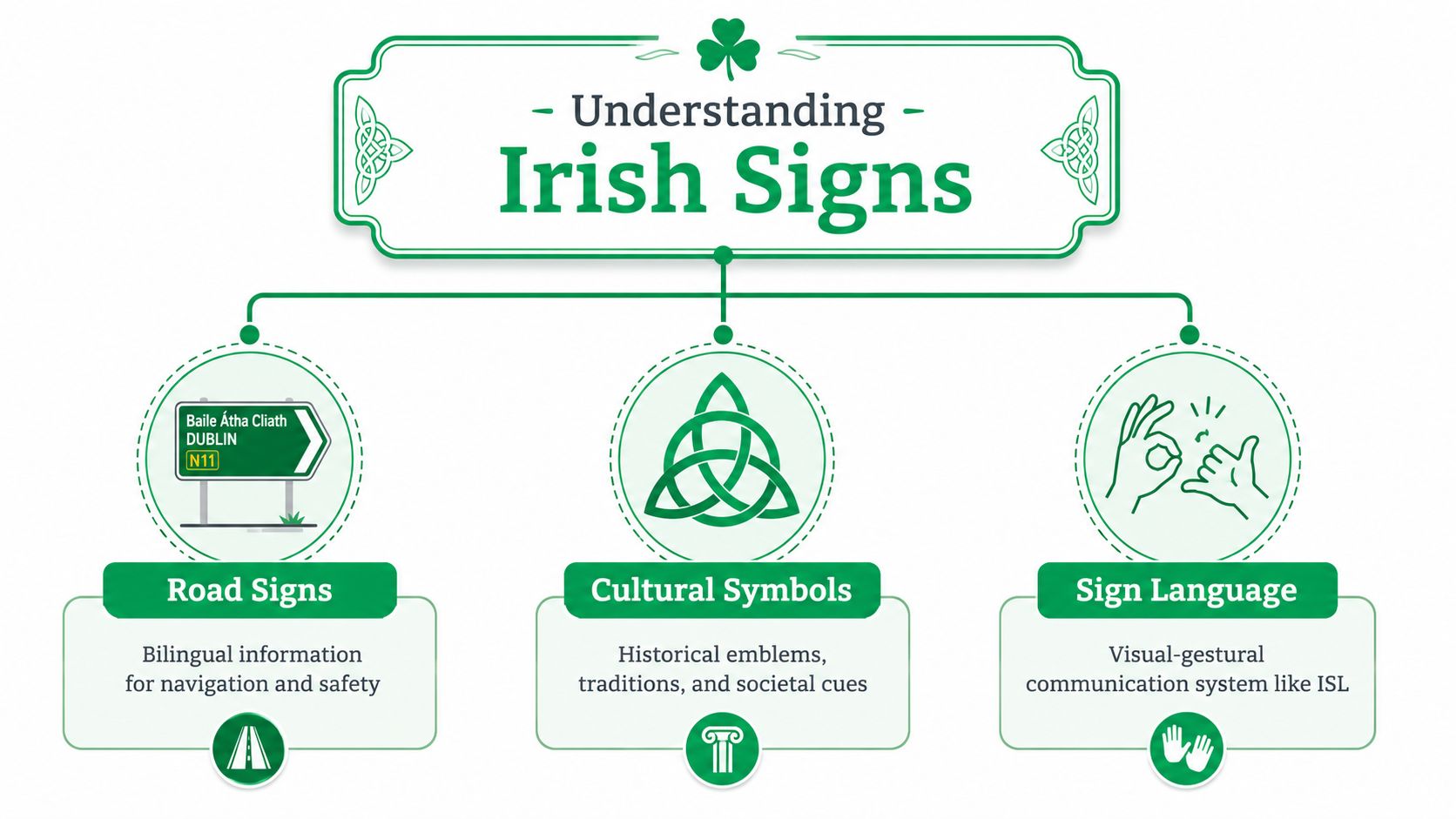
Consider “Sleep well, my love.” A tool may produce a neat literal version. A speaker might choose different wording based on affection, age, region, or whether the phrase is tender, poetic, or playful. The English sentence feels fixed. The Irish version has to live in a real relationship.

Basic form matters here. If you want to understand why the front of a word changes, or why a sentence that looks correct still sounds odd, this guide to Irish spelling and mutation patterns gives you a much stronger foundation than opening a second translator tab.

If you cannot explain why a translation is shaped the way it is, treat it as a draft, not a final answer.

Dialect and register shape what sounds natural

Accuracy is not only about grammar. It is also about voice.

Irish has three major dialect groups, and each gives the language a different texture. Munster, Connacht, and Ulster share the same language, but they do not always sound the same on the page or in the mouth. Vocabulary choices, rhythm, and everyday phrasing can differ. A standard version may be correct enough for a worksheet and still feel stiff in conversation.

That matters because people rarely want “Irish in theory.” They want Irish for a purpose. A blessing for a wedding speech needs a different feel from a quick text to a friend. A family motto, tattoo, or inscription carries even more weight. In those cases, the question is not only “Is this grammatical?” It is “Would an Irish speaker naturally say it this way, in this setting?”

This is also why direct translation from English can mislead you. English often packs emotion into compact phrases. Irish sometimes spreads that meaning across a different structure, or chooses an idiom instead of a mirror image. A tool may preserve the English skeleton too closely. The result can be understandable but lifeless, like music played in the right notes and the wrong rhythm.

A short explainer can help you hear some of that tension between standard forms and spoken reality:

Quick Tips for More Reliable Translations

A reliable Irish translation starts with the question behind the question. Are you trying to send a quick text, choose words for a ring, subtitle a clip, or learn how Irish expresses the idea? The answer changes the method. A phrase for skin or stone needs a different level of care from a phrase you are testing for practice.

Start by giving the sentence a real-life setting. Irish is not a code where one English word neatly swaps for one Irish word. It works more like cooking from a different kitchen. The ingredients may be similar, but the recipe changes. If you ask for help, include the purpose, the tone, and who will read or hear it.

A clear prompt usually gets a better result:

  • State the use: “This is for an engraved bracelet” is far more useful than “translate this.”
  • Describe the tone: warm, formal, prayerful, playful, old-fashioned, or everyday
  • Name the audience: one person or several, adult or child, public or private
  • Ask for natural Irish: not only “Is this correct?” but also “Would a speaker naturally say this?”

Small details carry a lot of weight in Gaeilge. A tool may miss whether you are speaking to one person or a group. It may copy English word order too closely. It may also produce something grammatical that no one would ever say over tea in Galway, Donegal, or Cork.

That is why a second habit helps. Compare versions.

Run the phrase through two tools or ask two speakers, then look for the fault lines. Where they disagree, there is usually a real language choice hiding underneath. That choice might involve register, dialect feel, or a structure Irish handles differently from English. If you work with media, you can even use broader production tools that translate your videos, then treat the Irish output as a draft that still needs checking by someone with feel for the language.

A reverse check helps too. Translate the Irish back into English and ask a simple question: did the heart of the message stay the same? This will not prove elegance, but it often exposes obvious drift.

Some kinds of English deserve instant caution:

  • Mottos and tattoos: short English lines often depend on compression that Irish does not copy neatly
  • Blessings and condolences: these live in culture as much as grammar
  • Pet names and affection: literal choices can sound stiff or strangely distant
  • Jokes and wordplay: the meaning may survive while the charm disappears

One more tip matters more than any app. Ask for explanation, not only an answer. If someone suggests a phrasing, ask why that version works. That is how you start building your own instinct. If your real goal is confidence rather than a one-off translation, working with someone who can explain corrections step by step is often faster than chasing perfect output from tools. A good next step is to find an Irish tutor for enhanced learning.

The best quick test is simple. If the Irish feels like English wearing a green coat, pause and check again.

When to Use a Tool Versus When to Hire a Pro

Not every translation deserves the same level of scrutiny. The fundamental question is risk. If the cost of being wrong is low, a tool is often enough. If the cost of being wrong is embarrassment, permanence, or disrespect, use a human professional.

Low stakes use cases

If you're reading a headline, checking the gist of a short social post, or drafting a casual message for practice, machine translation is fine as a helper. It gives you speed, and speed matters when precision is not the main priority.

If your content is audio-first or visual-first, the workflow may involve more than text. For multilingual media, tools that help translate your videos can be useful in broader content production, though you'll still want Irish checked by someone with real language instinct before publishing.

A tutor can also help if your goal is learning rather than one-off translation. If you want live correction and more confidence in spoken usage, it's worth exploring how to find an Irish tutor for enhanced learning.

High stakes use cases

If the words are going on skin, stone, jewelry, a business sign, a memorial card, or anything public and lasting, use a professional. That's not snobbery. It's respect for the language and for your own intention.

A tattoo is the clearest example. English tattoos often depend on compression. Two or three words carry a life story. Irish may need to reshape that idea to keep its dignity and naturalness. A machine can't reliably judge that. A community reply may be helpful, but if the wording is going to live on your body, you want someone who stands over the final version.

Here's a simple decision table.

Task Recommended Method Reason
Reading the gist of a short post Machine translation Speed matters more than stylistic perfection
Checking a casual text draft Machine plus community check Good for catching obvious issues
Learning how a phrase sounds in conversation Community or tutor Spoken Irish often differs from textbook phrasing
Tattoo, engraving, memorial line Professional translator Permanent use needs accuracy and cultural judgment
Business slogan or published copy Professional translator Tone, clarity, and public credibility all matter

Use free tools for exploration. Use professionals for commitment.

Reduce Your Reliance The Best Translator Is You

At a certain point, the most satisfying shift is this one. You stop asking, “What's the Irish for this?” and start asking, “How would I say this myself?”

That's a different relationship with the language. You're no longer standing outside it, hoping a tool will let you in. You begin to feel patterns. You notice when a phrase sounds too English underneath. You hear when something is formal, flat, or alive.

That matters even if you never aim for full fluency. A little real understanding protects you from bad translations better than endless app-switching ever will.

Screenshot from https://gaeilgeoir.ai

An immersion-first approach helps most here because it focuses on use rather than abstract decoding. Gaeilgeoir AI's learning approach is grounded in the 1,000 most-used Irish words, which gives learners a practical base for real conversation and helps reduce dependence on external translators for everyday situations.

That kind of foundation changes the experience. Instead of translating every tiny thought from English, you begin building Irish from the inside. You also get closer to pronunciation, rhythm, and actual spoken usage, which text-only translators rarely solve well.

The best Irish Gaelic translator for your life won't always be a website. Sometimes it's the part of you that has spent enough time with the language to notice what fits, what jars, and what rings true.


If you want to move beyond copy-paste translation and start building Irish you can use, explore Gaeilgeoir AI. It's a practical way to grow from “What does this mean?” to “I can say this myself.”

Unlock Fluency: Personalized Learning Paths 2026

You might be in this exact spot right now. You downloaded an Irish app, bought a grammar book, or promised yourself that this time you'd finally stick with learning Gaeilge. For a few days, it felt exciting. Then the lessons got oddly mismatched. Some were too easy, some jumped ahead, and some taught phrases you'd never use in real life.

That frustration doesn't mean you're bad at languages. It usually means the system wasn't built around you. Language learners don't all start in the same place, move at the same speed, or want the same outcome. A beginner who wants to order coffee in Galway needs a different route from a student preparing for the oral exam, and both need something different again from a heritage learner reconnecting with school Irish.

Table of Contents

The Problem with One-Size-Fits-All Language Learning

A generic language course usually assumes there's a “normal learner.” That imaginary person starts with the right background, has the same free time every week, enjoys the same lesson style, and needs the same vocabulary in the same order. Real learners don't look like that.

A beginner learning Irish often meets this problem on day one. The app throws in grammar labels before the learner can hold a tiny conversation. Or it spends too long drilling words they already know from school while skipping the phrases they want, such as greeting someone, asking for directions, or introducing themselves. Progress starts to feel random.

A common Irish learning pattern

Take three learners:

  • The busy adult: They want practical spoken Irish for travel and family connection, but the course keeps feeding them classroom-style exercises.
  • The heritage learner: They remember scattered phrases from school, yet the platform treats them like a total beginner.
  • The student: They need oral fluency under exam pressure, but the lessons focus on broad exposure rather than targeted speaking practice.

Each learner hits a wall for a different reason. The material isn't wrong. It's just poorly matched.

Practical rule: When a course feels too fast, too slow, or oddly irrelevant, the issue often isn't your ability. It's the pathway.
That's why personalized learning paths have gained so much attention. This isn't a tiny trend. The global market for personalized learning reached $1.8 billion in 2023 and is projected to surge to $19.86 billion by 2030, according to SkillPanel's overview of personalized learning pathways. That growth reflects a broad move away from fixed, one-track teaching and toward systems that adapt to the learner.

Why generic study advice falls short

Many learners also collect disconnected tips. One video says to memorize vocabulary lists. Another says only speak. Another says use AI. Helpful in theory, messy in practice.

If you want a practical companion piece on using AI without turning your study routine into chaos, this guide to effective AI study techniques is worth reading. It's useful because it focuses on study habits, not hype.

A better Irish course acts more like a guide than a conveyor belt. It figures out what you know, what you're ready for next, and what matters for your goal. That's the core idea behind personalized learning paths.

A Smarter Route to Fluency Personalized Learning Paths Explained

A personalized learning path is a learning route shaped around your current level, your goals, and your pace. It's not just “self-paced” in the casual sense. It's structured, but the structure bends around the learner rather than forcing the learner into a fixed sequence.

Early in the journey, a visual map helps more than a long definition.

A diagram illustrating the concept of personalized learning paths with four key components and their benefits.

Think of a personal trainer, not a photocopied plan

The easiest analogy is fitness. A generic workout from a magazine tells everyone to do the same routine. A good trainer asks better questions. Are you recovering from injury? Training for a race? Trying to build strength? Short on time? Strong in some areas and weak in others?

Language learning works the same way.
A generic Irish course says, “Lesson 1, then Lesson 2, then Lesson 3.” A personalized path asks:

  • What can you already do? Maybe you can read simple Irish but freeze when speaking.
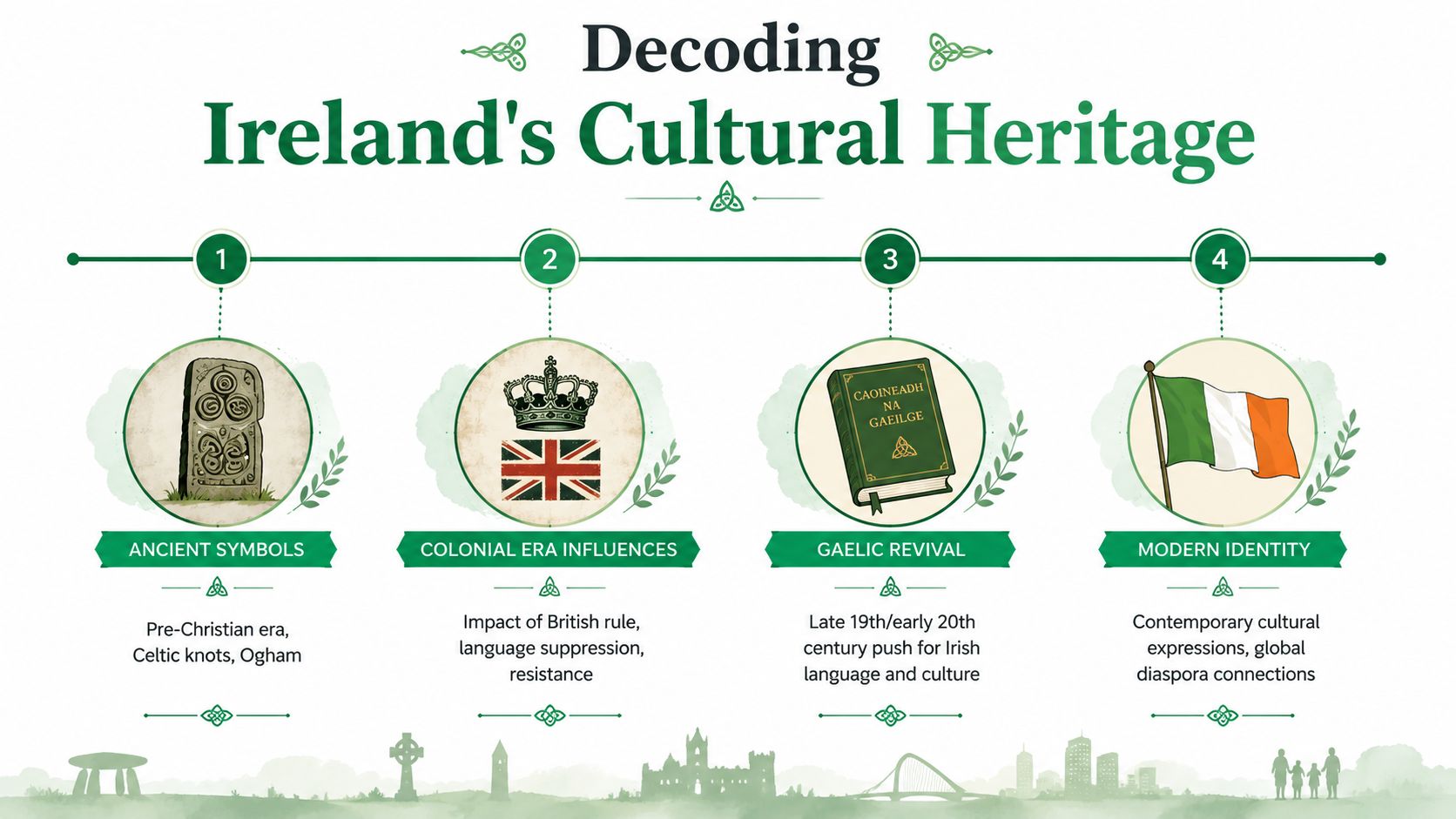
  • What do you need first? Maybe conversation matters more than formal grammar labels.
  • Where do you stumble? Maybe verb forms are fine, but listening speed knocks you out.
  • What's your target? Daily speech, heritage reconnection, or Leaving Cert performance.

Evidence summarized in this overview of personalized learning in education notes that personalized learning emphasizes learner agency, competency-based progression, and flexible environments. In plain English, that means you get more say, you move forward by mastering skills, and the learning environment adjusts instead of staying rigid.

Later, it helps to hear the concept explained from another angle.

What makes the path personalized

A real personalized path usually has a few core features:

Element What it means for an Irish learner
Learner profile The system tracks your strengths, weak spots, and goals
Adaptive sequence You don't get the same next lesson as everyone else
Competency-based progress You move on when you can do the thing, not when the calendar says so
Flexible practice Reading, listening, speaking, and review can shift based on need

That last point matters a lot. If you can recognize “Dia duit” on screen but can't respond when someone says it aloud, your path should change. It shouldn't keep rewarding recognition alone.

Personalized learning works best when it feels like someone noticed where you are, not just where the curriculum starts.

How Adaptive Technology Builds Your Unique Path

When people hear “adaptive technology,” they often picture a mysterious black box. In practice, the good version is simpler. It watches how you perform, notices patterns, and changes what comes next.

This visual breaks the process down.

A diagram illustrating the five key components of adaptive technology for building personalized learning paths.

Your starting point matters

The first piece is diagnosis. Before a system can personalize anything, it needs to know where you are.

Like a satnav, if the starting point is wrong, the route will be wrong too. In Irish, that could mean giving a returning learner endless beginner word matching, or handing a new learner fast dialogue practice before they've built a foundation in sounds and core phrases.

A good diagnostic does more than sort you into “beginner” or “intermediate.” It tries to detect specific patterns, such as:

  • Recognition without recall: You understand words when you see them but can't produce them.
  • Grammar without fluency: You know rules from school but can't use them in conversation.
  • Vocabulary gaps by topic: You can discuss school but not travel, family, or daily routines.

For a deeper look at how these systems work behind the scenes, this piece on machine learning in education is a useful companion.

How the system adjusts as you learn

The second piece is adaptation. Once the system has a baseline, it starts changing the route in response to your performance.

If you keep missing a listening item, the platform might slow the pace, repeat the structure in a new context, or switch to simpler audio. If you consistently answer a form correctly, it may stop wasting your time and move to the next challenge.

The U.S. Department of Education summary discussed in the earlier education overview highlights learner agency, competency-based progression, flexible environments, and instruction shifts such as data-driven decisions, targeted instruction, and increasing student ownership. Those ideas sound technical, but the learner-facing version is concrete: the work becomes more relevant.

Why feedback loops matter in Irish study

A strong adaptive system also uses feedback loops. Through these loops, many learners feel the difference.

Instead of waiting until the end of a unit to discover you misunderstood a pattern, the platform responds in the moment. That might mean showing a pronunciation cue, surfacing a review card just before you forget a word, or giving you a simpler speaking prompt before returning to the harder one.

Here's how the main pieces feel from the learner's side:

  1. Diagnostic assessment helps you avoid starting in the wrong place.
  2. Adaptive difficulty keeps tasks from becoming dull or crushing.
  3. Spaced review brings words back before they fade.
  4. Scenario practice teaches language in context, not in isolation.
  5. Progress feedback shows whether you're building real ability or just clicking through.

A good adaptive system doesn't race you through content. It keeps adjusting until the content fits.

For Irish, that fit matters because learners often have uneven skills. Someone may know isolated school vocabulary, mishear everyday speech, and still be ready for useful conversation if the path is arranged properly.

Why Personalized Learning Accelerates Language Skills

Language progress speeds up when your energy goes to the right problem. That's the practical advantage of personalization. You spend less time proving what you already know and more time strengthening what's weak.

Research summarized by Third Rock Techkno on personalized learning paths for students states that AI-powered personalized learning systems improve student outcomes by 25% while simultaneously reducing teacher workload. For learners, the key takeaway is straightforward. Better targeting can improve results because the system keeps adapting to real performance.

Motivation improves when the challenge fits

Motivation drops fast when work feels mismatched.

If your Irish lesson is too easy, you drift. If it's too hard, you tense up and avoid it. The sweet spot is the “just manageable” challenge. You have to think, but you don't feel lost.

That's especially useful in speaking practice. A personalized system can move from “My name is…” to short exchanges about family, work, or travel at a pace you can handle, instead of throwing you into a long dialogue before your ears and mouth are ready.

Retention gets stronger through timing and context

A language doesn't stick because you saw it once. It sticks when you meet it again at the right moment and in the right setting.

Personalized review is helpful here because the system can keep resurfacing Irish words, sentence patterns, and listening items that are at risk of fading. It can also connect them to scenarios that matter. “An bhfuil cead agam?” lands better when tied to a school or social situation than when it appears as an abstract line on a worksheet.

The brain remembers language more easily when meaning, timing, and use show up together.

That's why contextual practice often feels smoother than isolated memorization. You're not just learning the phrase. You're learning when it belongs.

Efficiency comes from not wasting effort

Efficiency in language study doesn't mean rushing. It means using your limited time well.

A personalized path can skip repeated drills on material you've clearly mastered and redirect your effort toward weak pronunciation, shaky listening, or high-value vocabulary. For adult learners, that matters because study time is usually squeezed between work, family, and everything else.

A short comparison makes the difference clearer:

Study style Likely experience
Fixed sequence course Everyone gets the same material in the same order
Personalized path Your review, pacing, and next tasks respond to your performance

That's why personalized learning paths often feel lighter even when they're demanding more of the right kind of effort.

Personalized Irish Learning from Beginner to Leaving Cert

The easiest way to understand personalization is to look at how different Irish learners need different routes. The content may overlap, but the order, pacing, and practice style shouldn't.

The complete beginner

Niamh is starting from scratch. She wants one simple outcome first. Hold a short conversation without panicking.

Her path shouldn't begin with dense grammar explanations. It should begin with sounds, high-frequency words, and small social exchanges. She needs greetings, introductions, common questions, and listening practice that trains her ear to the rhythm of Irish.

A beginner path might look like this:

  • Week focus: Core phrases for meeting people
  • Practice type: Short listen-and-repeat drills, simple prompts, and tiny dialogues
  • Success marker: She can greet someone, say where she's from, and ask one basic question

That foundation matters because beginners often mistake speed for progress. If the platform rushes ahead, they can end up clicking through material without building stable recall.

The returning learner with patchy school Irish

Seán learned Irish in school and remembers more than he thinks. He can recognize bits of vocabulary and grammar, but his active recall is uneven. He knows some forms on paper and struggles to say anything spontaneously.

His ideal path starts with diagnosis. The system needs to find the gaps instead of starting over from zero. Maybe his listening is stronger than his speaking. Maybe he knows school topics but lacks practical everyday language.

A personalized route for Seán would likely emphasize:

  • Gap filling: Spotting missing verb patterns or topic vocabulary
  • Conversion to active use: Turning passive recognition into spoken production
  • Confidence repair: Giving manageable speaking tasks that prove he knows more than he feels

This kind of learner often benefits from targeted review rather than broad beginner content. The aim is reconstruction, not restart.

The Leaving Cert student

Aoife has a clear deadline. She needs oral exam fluency, topic control, and confidence under pressure.

Her path should be shaped around exam-style interaction. That means repeated practice with common oral themes, short-answer agility, and speaking prompts that feel realistic rather than generic. She also needs feedback on where she hesitates, where her vocabulary thins out, and which topics need reinforcement.

If that's your situation, this Leaving Cert Irish guide is a useful extra resource.

A student like Aoife doesn't need endless broad exposure. She needs focused repetition in likely scenarios. The platform should help her build from topic phrases to fuller responses, then to fluid back-and-forth speech.

Different Irish learners don't need different motivation speeches. They need different routes.

That's the core promise of personalized learning paths. The path changes because the learner changes.

Best Practices for Maximizing Your Learning Path

Even the smartest system can't do the learning for you. Personalization works best when the learner participates honestly and when the platform is built on sound teaching, not flashy shortcuts.

This checklist captures the habits that make a difference.

An infographic detailing five best practices for maximizing a personalized learning path with green icons and text.

How to get better results from the system

Start with the diagnostic and answer truthfully. If you guess, rush, or try to “place higher,” the system may give you a route that looks impressive but feels frustrating. In language learning, the correct starting point is a gift.

A few habits help a lot:

  • Use feedback immediately: If the platform flags a weak point, revisit it while it's fresh.
  • Set a concrete goal: “Speak for five minutes about my family” is stronger than “get better at Irish.”
  • Work with full attention: If your study sessions are shallow and distracted, even good personalization won't help much. This guide on how to learn to achieve deep work is useful if your study time keeps getting fragmented.
  • Review on schedule: Systems are more effective when you return for the reviews they surface.

If you want a focused explanation of one of the most useful review methods, this resource on spaced repetition for language learning is worth your time.

How to spot shallow AI learning

This is where healthy skepticism matters. Not every AI learning tool is well designed.

Recent 2025 studies on English learners show that some models can lead to “low learning efficiency” when they prioritize speed over foundational mastery, as discussed in this ScienceDirect article on AI-enabled language learning. That warning matters for beginners especially. If a system keeps pushing you forward before the basics are stable, progress can become superficial.

Watch for these signs:

Warning sign What it often means
You keep “unlocking” new content fast The platform may value pace more than mastery
You recognize lessons but can't produce language Practice may be too passive
Mistakes repeat without meaningful correction Feedback may be weak or generic
The tool replaces teaching logic with novelty AI is driving the lesson, but pedagogy isn't guiding it

A sound system balances adaptation with old-fashioned good teaching. It should revisit foundations, slow down when needed, and ask you to produce language, not just consume it.

Fast progression can feel satisfying. Deep mastery is what actually holds up in conversation.

How Gaeilgeoir AI Creates Your Personalized Path

The strongest Irish platforms combine adaptive technology with practical teaching choices. That means diagnosis, scenario-based practice, useful feedback, and a clear focus on what learners can say and understand.

One example is Gaeilgeoir AI, which offers guided real-world conversations, adaptive quizzes with instant feedback, pronunciation support, personalized study lists, and dedicated Leaving Cert oral preparation. Those features line up with what a well-built personalized path should do. They help learners practice everyday interactions, track weak spots, and keep study tied to real use rather than abstract completion.

What a sound Irish learning system looks like

A learner-centered Irish platform should do a few things well:

  • Start with practical communication: Everyday social interactions, work, travel, food, and directions are more useful than random sentence collections.
  • Support foundational mastery: Core words and repeat exposure matter, especially for beginners.
  • Use adaptive review: Weak areas should reappear until they stabilize.
  • Offer scenario practice: Learners need to use Irish in context.
  • Track progress clearly: You should be able to see what's improving and what still needs attention.

This kind of design matches broader findings from adaptive learning research. In an AI-driven personalized learning path optimization study, the experimental group achieved a 28.8% improvement rate in learning effect, significantly higher than the control group, according to this SPIE conference paper on adaptive resource recommendation. The practical lesson isn't that every tool gets the same result. It's that careful adaptation can improve outcomes when the recommendations are well targeted.

For readers curious about the broader technical side of language models, Gydel's LLM details offer an interesting reference point on how language systems can be documented.

This is what the learning experience looks like in practice:

Screenshot from https://gaeilgeoir.ai

A personalized path won't make Irish effortless, but it can make your effort count. Instead of dragging you through the same route as everyone else, it can help you build fluency in a way that fits your level, your gaps, and your reason for learning.


If you're tired of generic language tools and want a more personalized route into Irish, try Gaeilgeoir AI and start your path at this learning page.

Irish Diminutives: A Guide to -Ín, -Óg, and More

You're probably here because you've seen or heard an Irish word ending in -ín and felt that it carried a special kind of charm. Maybe it was cailín, maybe poitín, maybe a place name or a nickname from home. You knew it sounded small, soft, affectionate, or playful, but the rule behind it felt just out of reach.

That instinct is a good one. Irish diminutives aren't just a grammar topic. They're part of the emotional texture of the language. They can make something sound little, loved, familiar, teasing, or gently dismissive, and often the feeling matters as much as the dictionary meaning. If you want Irish to sound alive rather than mechanical, this is one of the best places to start.

Table of Contents

The Hidden Charm in Everyday Irish Words

A lot of learners first notice Irish diminutives by ear. You hear that bright little -een sound at the end of a word and it sticks. Even before you know the rule, you can feel that something is happening. The word sounds closer, softer, more human.

Take cailín. Many beginners meet it early and learn that it means “girl.” Then later they discover that Irish often uses diminutive forms in ways that carry warmth and familiarity, not just strict size. The same goes for poitín, a word many English speakers in Ireland already know in its anglicised form, poteen. The ending isn't decorative. It carries meaning and history.

That's one reason Irish diminutives are so rewarding to learn. They help you notice that grammar in Irish often has personality. A word can shrink in form, but grow in feeling.

Irish gets more expressive when you stop treating endings as mere endings.

Beginners sometimes expect diminutives to work like a simple formula: add a bit, mean “small.” Irish does do that. But it also does more. The same kind of ending can make a thing sound dear, familiar, cute, humble, or lightly comic depending on who says it and how.

That's why learning Irish diminutives isn't only about memorising forms. It's about getting used to the social feel of the language. Once your ear starts picking them up, spoken Irish often feels less distant and more intimate.

What Exactly Are Irish Diminutives

An Irish diminutive is a word form that usually expresses smallness, affection, or a softer emotional tone. In plain English, it's a way of turning a noun into something that sounds smaller, dearer, or more personal.

In Irish, the main suffix for this is -ín, often written in English as -een. It's the best place for any beginner to start because it's the most productive and the most recognisable pattern.

A small wooden bird carving sitting on a wooden surface with a green banner in the background.

A small ending with a big footprint

The suffix -ín has had such a strong influence that it shaped Irish English too, giving English words such as smithereens and poteen. It's not some obscure grammar relic. It's part of a living speech tradition. The Irish language community remains large as well. In 2022, 1,873,997 people aged three and over in Ireland could speak Irish, and 115,065 used Irish weekly, according to Ireland's Census 2022 profile on the Irish language and the Gaeltacht.

That matters for learners. You're not learning a frozen grammar trick. You're learning a pattern still heard in real speech.

The beginner definition that actually helps

If you want the quick working rule, use this:

  • Small thing: a physically smaller version of something
  • Affectionate thing: a warmer or dearer version of something
  • Familiar thing: a word that sounds more local, lived-in, or intimate

That last one is where many learners get caught out. Not every diminutive feels “small.” Sometimes the size meaning fades and the emotional meaning takes over.

Practical rule: If a word ending in -ín feels affectionate or familiar, your instinct is probably on the right track, even before you can fully explain the grammar.

You don't need to master every sound change on day one. First, get comfortable noticing the pattern. Hear the ending. Ask yourself what it does to the tone. That shift in awareness helps more than rote memorisation.

Meet the Main Diminutive Suffixes

You hear a word like poitín or a pet name ending in -ín, and after a while your ear starts to notice a pattern. Irish has a few common endings that can make a word sound smaller, warmer, or more familiar. For beginners, three matter most: -ín, -óg, and -án.

An infographic explaining the main Irish diminutive suffixes, including -ín, -óg, and -án with descriptions.

The suffix -ín

Start here first.

-ín is the clearest and most useful diminutive suffix for a new learner. You will meet it again and again in ordinary vocabulary, in affectionate speech, and in words where the idea of “small” has partly faded into a more intimate tone.

A few familiar examples help. Capall can become capaillín (“pony”), lacha can become lachín (“duckling”), and pota becomes poitín. If you have already seen soft, affectionate words such as puisín, the same feeling appears in many forms built with this ending. You can see that tone more clearly in this guide to the meaning of puisín in Irish.

The key beginner instinct is simple: if you spot -ín, ask two questions. Is the word talking about something small? Or is it making the word feel fond, close, or homely? Very often, both shades are there at once.

The suffix -óg

-óg also appears often, but it behaves a little differently for learners.

Rather than treating it as a suffix you can freely attach to any noun, it helps to meet it through real words and let your ear get used to it. Many -óg words feel established in the language already, almost like ready-made vocabulary items. That means recognition usually comes before confident use.

This matters for spoken Irish. A learner who tries to force every diminutive through one pattern can sound stiff. A learner who notices that some forms simply belong to the language as inherited words starts to sound more natural.

The suffix -án

-án belongs in the picture too. It reminds us that Irish diminutives are not a one-ending system.

For an absolute beginner, the safest takeaway is modest but useful. If you meet -án, keep an open mind about what the ending is doing. Sometimes it contributes a diminutive sense, sometimes the word is best learned as a whole item, and sometimes the emotional colouring matters more than literal size.

That is a very Irish kind of lesson. Grammar gives you the pattern, but usage gives you the feel.

Irish diminutive suffixes compared

Suffix Primary Meaning Common Usage & Notes
-ín Smallness, affection, familiarity The most common and productive suffix for beginners to learn
-óg Diminutive or lexicalised small/familiar sense Often best learned through set vocabulary rather than active guessing
-án Diminutive in some formations Recognised in Irish, but less central for beginners than -ín

A helpful habit is to learn these suffixes in two stages. First, get good at hearing and recognising them. Then start using -ín in your own speech, while treating -óg and -án more cautiously until they feel familiar.

That approach builds confidence fast. It also matches how strong speaking habits grow at Gaeilgeoir AI: notice the pattern, try it aloud, and let real usage shape your instinct.

How Adding a Suffix Changes the Word

The tricky part of Irish diminutives isn't just adding an ending. It's that the word often changes shape on the way. Beginners then start thinking, “I knew the rule, so why doesn't the new word look simple?” That confusion makes sense.

Irish likes sound harmony. When -ín joins a word, it often pulls the sounds before it into a slimmer, “narrower” shape. Teachers usually call that slenderization or palatalisation.

An infographic showing the four-step process of adding a diminutive suffix to create Irish language diminutives.

Why the spelling shifts

A simple way to think about it is this: the í in -ín reaches backward and changes the consonant beside it. Sometimes that means an extra i appears in spelling before the final consonant. That's why forms like capall become capaillín rather than a flat, predictable add-on.

If you've been exploring affectionate vocabulary already, you may have seen this same softness in action in pet words such as puisín, which you can explore in this guide to puisín meaning in Irish.

What happens in pronunciation

The sound change matters too. The suffix -ín triggers palatalisation, and that can alter pronunciation from /s/ to /ʃ/ in some cases, as explained in Stan Carey's discussion of the Irish diminutive suffix -een. You don't need to become a phonologist to use this well. You just need to expect that the ending may affect the sound before it.

That same source also notes that this suffix is so embedded in Irish English speech that people may use it redundantly, as in “a small wireen.” That's a lovely clue about usage. The ending can become less about strict size and more about tone.

If the spelling changes when you add -ín, that doesn't mean the rule failed. It means the rule is working in Irish.

Here's a good beginner method:

  1. Learn the base word
  2. Add the suffix
  3. Check whether the consonant before it has to slim
  4. Say it aloud before you trust your eyes

Irish often makes more sense through the ear than through the page.

Using Diminutives in Cultural Context

Irish diminutives shift from being a grammar exercise to feeling human. The same ending can signal fondness in one situation and mild mockery in another. If you ignore context, you'll miss half the meaning.

Irish diminutive nouns aren't just about size. Wiktionary categorises them by endearment, small size, and small intensity, and it even includes a special sub-category for diminutives of female given names, which you can see in this Irish diminutive nouns category. That's a useful framework because it matches how learners hear them in the wild.

When it means affection

A diminutive can make a word feel dearer. This often happens with names, family language, pet names, or speech directed at children. The speaker isn't reporting size. The speaker is signalling closeness.

If you want to get a feel for that warmer side of Irish, this collection of Irish Gaelic terms of endearment is a helpful companion.

When it means literal smallness

Sometimes the meaning really is practical. A teachín is a small house or cottage. A diminutive road word may suggest a little lane. In these cases, the emotional colour may still be there, but physical smallness is doing real work.

That blend is very Irish. A cottage can be small and beloved at the same time. The language doesn't always split those meanings apart neatly.

When it becomes teasing or dismissive

Tone can also tilt the other way. A diminutive can shrink something socially, not physically. It can make a person, object, or idea sound slight, petty, or faintly ridiculous. Often this isn't harsh. It's playful, ironic, or gently cutting.

That's why beginners should listen for voice and setting, not just endings. A warm smile and a soft tone can turn the same form into affection. A dry tone can turn it into a nudge.

Cultural cue: In Irish, a diminutive often tells you how the speaker feels about the thing, not just what size it is.

When learners grasp that, their Irish starts sounding less translated and more lived-in.

Common Diminutive Words and Names

The fastest way to make Irish diminutives feel natural is to meet them in real words rather than as abstract rules. Some will appear in songs, some in stories, some in placenames, and some in family speech.

Words you'll likely meet early

Here are a few useful examples to watch for:

  • Cailín. Commonly learned as “girl.” For many beginners, this is the first diminutive-shaped word they recognise in everyday Irish.
  • Teachín. From teach (“house”), meaning a small house or cottage. This is one of the cleanest examples of literal smallness.
  • Poitín. From pota in the standard diminutive examples cited earlier. In usage, learners often meet it as the word for poteen.
  • Capaillín. From capall (“horse”), meaning “pony.” This is a great model because it shows both the suffix and the spelling change.
  • Lachín. From lacha (“duck”), meaning “duckling.” A neat example of how compact the result can become.

Some words become so established that learners stop noticing the suffix at all. That's normal. In fact, it's a sign that you're beginning to hear the word as a whole unit rather than mechanically decoding it.

Names and nicknames

Diminutives also show up in personal names and affectionate forms. That matters socially. A name in diminutive form can feel more intimate, softer, or more playful than the plain base form.

You'll sometimes see learners experiment with forms such as Pádraigín or Séamasín. Whether a form feels natural can depend on habit, region, and what people around you say. So use names carefully and learn them from real usage when possible.

If you'd like a broader feel for familiar forms and playful personal naming, this guide to Irish nicknames is a good place to browse.

A smart beginner habit is to keep a tiny “diminutives notebook” with three columns: base word, diminutive, and feeling. Not just meaning. Feeling. That last column trains your ear for culture as well as grammar.

Practice Tips to Master Irish Diminutives

You don't master Irish diminutives by reading one explanation and moving on. You master them by seeing them, hearing them, testing them, and noticing how they land in context. This is one of those areas where active practice beats passive understanding every time.

An educational infographic providing four practical tips for mastering Irish diminutives with icons and short descriptions.

A simple routine that works

Try this short practice loop across one week:

  1. Collect five words you already know, such as teach, capall, or pota.
  2. Guess the diminutive form before checking anything.
  3. Say each one aloud and listen for where the word tightens or softens.
  4. Write one mini-sentence using each word in a natural context.
  5. Review the set later, rather than cramming once.

That last step matters. If you want a method for keeping forms like these in long-term memory, this explanation of spaced repetition for language learning is very useful and easy to apply.

Beginner mistakes worth avoiding

A few problems come up again and again:

  • Forcing the suffix onto everything. Not every noun wants a diminutive in everyday speech.
  • Ignoring spelling changes. The suffix may reshape the word, not just attach to it.
  • Treating every diminutive as “cute.” Some are affectionate. Some are practical. Some are teasing.
  • Learning forms without context. If you only memorise translations, you'll miss the tone.

Say the word in a short phrase, not in isolation. Diminutives reveal their meaning best when they live inside a scene.

You'll improve faster if you treat diminutives as conversation tools. Listen for them in speech. Notice who says them and to whom. Repeat phrases that sound natural. Build your own examples, then test whether they still feel warm, small, or playful when spoken aloud.

The objective isn't to pass a grammar quiz. It's to get comfortable enough that when you hear an -ín ending, you don't freeze. You recognise the feeling, and you answer with confidence.


If you want guided, real-world speaking practice with feedback from day one, Gaeilgeoir AI is a smart next step. You can start building confidence with Irish conversation and practical vocabulary at learn.gaeilgeoir.ai. Comments and pingbacks are closed.

Light in Scottish Gaelic: Solas or Aotrom?

You're probably here because you typed something like “how do you say light in Scottish Gaelic?” and got an answer that felt incomplete. One page said solas. Another hinted at aotrom. If you're an English speaker, that's confusing because English uses one word for two very different ideas.

That confusion is one of the most useful entry points into Scottish Gaelic. Once you see why Gaelic separates these meanings, the language starts to feel sharper, more logical, and often more expressive than a straight word-for-word translation suggests. For anyone exploring light in Scottish Gaelic, this is one of the first distinctions worth getting right.

Table of Contents

The Challenge of Translating Light

A learner once asked me how to describe “the light in the room” and then, in the same breath, “a light bag.” In English, both are simple. In Scottish Gaelic, they split apart immediately.

That split is a gift, not a problem. It forces you to say what you mean. Are you talking about brightness, daylight, lamp light, and glow? Or are you talking about something that isn't heavy?

Scottish Gaelic is also being learned and reclaimed by more people again. According to the 2022 Scotland Census summary discussed by SPICe Spotlight, 130,161 people had some Gaelic language skills, up from 87,000 in 2011. That rise matters because it shows renewed interest in using and understanding the language, including the kind of basic but essential vocabulary question that brings many learners here.

Why translation needs context

A dictionary often gives the illusion that every English word has one tidy equivalent. Gaelic doesn't always work that way, and English is often the less precise language in the pair.

If you've ever worked with translated writing, this is why context checks matter. A phrase can be technically translated and still miss the actual meaning. That's also why broader editorial practices like this guide for authors on multilingual publishing quality are so useful. They remind writers to test meaning, not just match words.

A good translation answers the intended meaning first, then chooses the vocabulary.

For light in Scottish Gaelic, the intended meaning is everything. Once you know which kind of “light” you want, the right Gaelic word becomes much easier to remember.

The Two Kinds of Light Solas vs Aotrom

The core rule is simple. Solas means light as illumination. Aotrom means light as not heavy.

That distinction is built into the language itself. The WordHippo entry on the Scottish Gaelic word for light identifies solas as the primary Gaelic term for illumination, inherited from Old Irish, while aotrom refers to the physical property of lightness in weight. For learners, that's the line to keep in your head.

An infographic explaining the two meanings of light in Scottish Gaelic using the terms Solas and Aotrom.

Why English causes the mix-up

English asks one word to do too much. We say:

  • the light from the sun
  • a light jacket
  • a light touch
  • a light colour

Gaelic usually wants you to be clearer.

Use solas when the idea is brightness or illumination. Think of sunlight through a window, a lamp in a room, or a glow in the dark. Use aotrom when the idea is low weight, ease, or something physically light to carry.

Some learners overcorrect and start using solas anytime the English word “light” appears. That's the most common beginner mistake. If you mean “not heavy,” solas is wrong.

Solas vs. Aotrom A Quick Guide

Concept Gaelic Word Meaning English Example
Illumination solas light, brightness, glow “The light is bright.”
Weight aotrom light, not heavy “The bag is light.”

A quick memory trick helps. Solas belongs with things that shine. Aotrom belongs with things you lift.

Here are a few plain examples:

  • Solas: the light in the kitchen, morning light, candlelight
  • Aotrom: a light box, a light coat, a light step

Practical rule: If you could replace “light” with “bright” or “illumination,” choose solas. If you could replace it with “not heavy,” choose aotrom.

There's another helpful cultural link here. Learners who enjoy related vocabulary often like exploring nearby terms such as fire, glow, and warmth. If that interests you, this note on fire in Scottish Gaelic pairs well with the distinction between solas and other light-related words.

Pronunciation Guide Sounding Natural

You hear someone say solas in a song, then meet aotrom in a lesson, and suddenly English has led you into a trap. Both words get translated as “light,” but they do not sound alike, and they do not belong to the same idea. Training your ear to keep them apart is part of sounding natural in Gaelic.

A good first goal is clear, steady pronunciation. Native-like polish can come later. If speaking aloud makes you hesitate, LenguaZen's language confidence tips are indeed useful for building the habit of saying words before you feel fully ready.

How to say solas

Solas is usually said roughly like:

  • SO-luss
  • stress the first syllable
  • keep the ending short and light

For many English speakers, the first vowel is nearer the sound in “off” than the “oh” in “go.” The word should feel compact. If you stretch it into “soh-lass,” it starts to sound less Gaelic and more like an English guess based on spelling.

The good news is that solas is often easier for beginners because the rhythm is straightforward. Put your energy into a clear first syllable, then let the second fall away quickly.

How to say aotrom

Aotrom often causes more trouble because the spelling invites the wrong instincts. A learner-friendly approximation is:

  • AY-trum or EE-trum, depending on accent
  • keep the second syllable brief
  • do not try to pronounce every written vowel one by one

English readers often want to say something like “ow-trom.” That is the spelling trap at work. Gaelic spelling records older sound patterns and sound relationships, not neat English-style letter-by-letter pronunciation. If you want a wider foundation for that system, this guide to how Gaelic is pronounced explains the broad patterns well.

Here is a helpful way to practise the pair. Say solas while looking at a lamp or a window. Say aotrom while picking up a bag or book. One word belongs to brightness. The other belongs to weight. Linking sound to a physical image helps many English-speaking learners stop mixing them up.

Practise them as a contrast pair: solas, something that shines; aotrom, something that is easy to carry. Your ear learns the meaning difference faster when your mouth repeats the sound difference too.

Gaelic Grammar in Action Using Light in Sentences

A beginner often reaches this stage and hits a strange problem. You know that solas means light and aotrom means light, but the sentence forces you to choose what kind of light you mean.

A person writes Scottish Gaelic phrases into a notebook on a bright desk with green corner overlay.

That is where grammar starts to help rather than confuse. Scottish Gaelic usually builds a simple statement in a different order from English, so the word for light has to sit inside a new sentence pattern. For an English speaker, it can feel like rearranging furniture in a familiar room. The pieces are the same, but the layout changes.

Sentence order changes the feel

English often begins with the subject:

  • The light is bright.
  • The bag is light.

Gaelic commonly begins with the verb:

  • Tha an solas soilleir.
  • Tha am poca aotrom.

The key word here is tha, the usual present-tense form for “is” or “are” in this kind of statement. After that comes the thing you are talking about. So an solas is “the light,” and am poca is “the bag.”

Beginners sometimes try to translate English word by word, but Gaelic resists that. If you start with “the light” because English does, your sentence can sound awkward even when every individual word is correct.

The two meanings behave differently in sentences

Here is the confusion many guides skip. Solas is a noun. It names a thing, the light itself. Aotrom is usually an adjective. It describes something, such as a bag, coat, or step.

That difference shapes the whole sentence.

  • Tha an solas làidir.
    The light is strong.

  • Tha am baga aotrom.
    The bag is light.

In the first sentence, solas is the subject. In the second, aotrom is describing baga. If you remember only one grammar point from this section, remember this one. Solas usually names brightness. Aotrom usually describes low weight.

Why words sometimes change shape

Gaelic also changes the beginning of words in certain grammatical settings. English learners often see this and assume they have met a brand-new word. Usually, they have not.

With solas, you may meet sholas in some contexts. The core meaning is still the same. The opening has shifted because Gaelic grammar marks relationships directly on the word.

A few steadying reminders help here:

  • Learn solas and aotrom first in their basic dictionary forms.
  • Treat changes at the start of a word as grammar signals.
  • Keep asking what job the word is doing in the sentence.

That last habit saves a lot of confusion.

Three examples to read slowly

  1. Tha an solas soilleir.
    The light is bright.

  2. Tha am poca aotrom.
    The bag is light.

  3. Chunnaic mi solas.
    I saw a light.

Read them as patterns, not as isolated facts to memorise. In sentence 1, solas is a thing you can see. In sentence 2, aotrom is a quality of the bag. In sentence 3, solas appears again as the object of the verb.

Many English-speaking learners improve quickly once they stop asking “What is the Gaelic word for light?” and start asking “Do I mean brightness or low weight?” That small shift leads to better grammar, better word choice, and much more natural Gaelic.

Poetic and Idiomatic Light Cultural Expressions

Literal meaning gets you through a sentence. Cultural meaning gives the language its texture. Gaelic often uses light not only for brightness, but also for atmosphere, feeling, and resonance.

A scenic view of rolling Scottish Highlands with mist settling in a valley at sunset.

Light as mood and meaning

When learners first meet solas, they often treat it as a simple utility word. But words for light in Gaelic can carry emotional colour. Light can suggest welcome, warmth, guidance, or a break in harsh weather. Even when a phrase is plain, the associations are often richer than an English beginner expects.

That helps explain why many learners eventually want more than a dictionary answer. They start with “How do I say light?” and then want to know how the word feels in songs, stories, and descriptions of scenery.

Aingeal and the edge of fire

One especially interesting word around this semantic field is aingeal, noted in cultural discussions as a term connected with fire/light. The idea has gained attention among learners, and the TikTok discussion linked here reflects growing interest in poetic and culturally layered Gaelic vocabulary rather than only basic textbook terms.

What matters for a beginner is not memorizing every rare word. It's realizing that Gaelic often preserves links between light, fire, glow, and lived environment.

A few healthy habits help here:

  • Learn the basic term first: Keep solas secure before reaching for poetic alternatives.
  • Treat cultural words with care: Some are vivid and memorable, but less universal in everyday conversation.
  • Notice semantic neighborhoods: In Gaelic, meaning often spreads across nature, weather, hearth, and storytelling.

If solas is the practical word you need for daily speech, words like aingeal remind you that Gaelic also stores old ways of seeing the world.

That poetic edge is one reason so many people stay with the language after the beginner stage.

A Bridge to Irish How Gaelic Light Compares

A beginner often meets a comforting surprise here. If you learn solas in Scottish Gaelic, you already have a word that looks very familiar in Irish. The same is true with aotrom and Irish éadrom. The family resemblance is real, and it can make the two languages feel less distant.

That said, this similarity helps most when you keep the two meanings of English light clearly separated. In both languages, one word belongs to illumination and another belongs to weight. Scottish Gaelic uses solas for light you see, and aotrom for something light to carry. Irish follows the same pattern with solas and éadrom. For an English speaker, that parallel is useful because it confirms that the distinction is not a Scottish Gaelic quirk. It is a basic part of how both Gaelic languages organize meaning.

Screenshot from https://gaeilgeoir.ai

If you want to see how these close cousins differ in spelling, sound, and grammar, this guide to Irish vs Scottish Gaelic differences is a helpful next read.

Irish also faces a visibility problem online. As of April 2024, RTÉ Brainstorm reported that English dominates websites with known content languages, while Irish appears on only a very small share. For learners, that means fewer chances to bump into the language naturally during everyday browsing.

Accessible tools matter for exactly that reason.

One useful response is practice built around common words and repeated exposure. Gaeilgeoir AI teaches through the 1,000 most-used Irish words, with guided scenarios that help learners hear, read, and use Irish in practical contexts. If Scottish Gaelic has sparked your interest in the wider Gaelic world, it offers a clear way to start building active Irish alongside that curiosity.

If you'd like to turn that curiosity into regular speaking practice, Gaeilgeoir AI is a smart place to start. It helps learners build usable Irish from day one with guided conversation, pronunciation support, adaptive review, and scenario-based practice that fits real life.

A Guide to Irish Signs: Language, Roads, and Culture

You're probably here because you've seen the phrase Irish signs used in different ways and it's not clear what people mean. Maybe you noticed a road sign in Ireland with two place names on it. Maybe you searched for Irish sign language and got results about road markings. Or maybe you were reading Irish history and came across phrases or symbols that seemed to carry more weight than ordinary signage.

That confusion makes sense. In Ireland, “Irish signs” can point to written signs in Gaeilge, Irish Sign Language, or cultural signs and symbols that tell a wider story about identity, exclusion, and belonging. Once you separate those meanings, the whole topic becomes much easier to read.

Table of Contents

What Exactly Are Irish Signs

A visitor lands in Kerry, rents a car, and starts driving west. The road sign ahead says An Daingean and Dingle. A little later, a museum display mentions the tricolour. That evening, they look up Irish signs online and find results about hand gestures and Deaf culture. Same phrase. Three different meanings.

That's why this topic trips people up so often. Irish signs can mean the signs you physically read, the signs people make with their hands, or the symbols and phrases that signal something important about Irish life and history.

The written kind is the one most travelers meet first. In many places, public signs include Irish and English together, especially on roads, official buildings, and heritage sites. These signs are practical, but they're also cultural. They tell you that language itself is an integral element of the area.

Practical rule: If a sign in Ireland seems unfamiliar, first ask what kind of “sign” you're dealing with. Is it written language, a visual language used by people, or a symbol carrying historical meaning?

Then there's Irish Sign Language, often shortened to ISL. That's a full language used by members of Ireland's Deaf community. It isn't just English acted out with the hands, and it isn't the same thing as written Irish on a street sign.

The third meaning is broader and often the most powerful. A flag, a harp, an old slogan, or even a remembered phrase can function like a sign. It points beyond itself. It tells people who belongs, who was excluded, what was valued, and what still matters.

When you sort Irish signs into those three groups, the subject becomes far less muddy. You stop treating everything as one category and start seeing a connected picture of language, access, and identity.

The Three Meanings of Irish Signs Explained

The easiest way to make sense of Irish signs is to split them into three clear buckets. Once you do that, the overlaps become interesting instead of confusing.

An infographic titled Understanding Irish Signs, illustrating road signs, cultural symbols, and Irish sign language.

Written signs in Irish and English

These are the signs commonly intended when discussing signs in Ireland. Think of road signs, town names, public notices, and directional markers. You may see an Irish place name above or alongside the English version, or sometimes only the Irish form in particular areas.

For a learner, these signs are useful because they repeat common words in real situations. You don't study them in isolation. You meet them while driving, walking, or trying to find a train station.

Hand signs in Irish Sign Language

This meaning belongs to ISL, a visual language used in daily communication. It has its own structure and belongs to the lived experience of the Deaf community in Ireland. If someone says they're learning Irish signs in the context of communication or accessibility, they may be referring to ISL rather than written Gaeilge.

A common mistake is to bundle spoken Irish, written Irish, and ISL together as if they're versions of the same system. They aren't. They sit beside one another in Irish life, but each works differently.

Cultural signs and symbols

Some Irish signs aren't language lessons or traffic tools at all. They're symbols that communicate memory, allegiance, struggle, or belonging. The tricolour is one example. So are historical phrases associated with exclusion.

Here's a quick way to tell these meanings apart:

Meaning What it looks like What it does
Written signs Place names, road signs, notices Helps people navigate and read public space
Sign language Handshapes, movement, facial expression Lets people communicate in a visual language
Cultural signs Flags, symbols, loaded historical phrases Signals identity, history, and social meaning

If you're unsure which meaning someone intends, look at the setting. Roads suggest written signage. Accessibility and Deaf culture suggest ISL. History or identity usually points to cultural symbols.

People often blur these categories because all three are visible. You can see them. But visibility doesn't make them the same thing. One helps you find a town, one helps people converse, and one carries a message about Ireland's past and present.

Navigating Irelands Bilingual Road Signs

If you want the most practical part of Irish signs first, start on the road. Ireland's bilingual signs can look intimidating at speed, especially if you're new to Irish spelling. In practice, they follow patterns, and patterns are your friend.

A quick visual guide helps before you get into details.

An infographic titled Navigating Ireland's Bilingual Roads with tips on reading bilingual road signs in Ireland.

How to read the layout quickly

Start with the road number and destination, not with perfect pronunciation. That keeps you oriented. Then notice whether the sign is presenting the Irish and English forms of a place name, or giving you a term like “centre” or “yield” in Irish.

Color and shape matter too. One useful point to know is that regulatory road traffic signs in Ireland are defined by their circular shape with a red border, black or white symbols, and a white background, and prohibitions are shown with a red diagonal bar. Circular signs showing “30” or “50” with red borders indicate speed limits in km/h (guide to Irish road traffic signs).

That matters because beginners sometimes focus so hard on the language that they miss the sign category. Safety first. Language second.

Later in the drive, this video helps make the visual system feel more familiar.

Common Irish words you'll meet on signs

Some words come up often enough that they're worth learning early. You don't need to memorize long lists. A small working set goes a long way.

Irish word Plain meaning Where you may notice it
Baile Town Place names and directional signs
Lár Centre Town centre signage
Slí Way or route Walking routes, directions, marked paths
Géill Slí Yield Traffic instruction

A helpful habit is to treat these words like landmarks rather than test material. If you keep seeing Lár, your brain starts attaching it to the centre of a place. That kind of recognition grows naturally.

For learners who want a closer look at everyday Irish phrasing, this short guide to as Gaeilge meaning and usage helps explain a phrase you'll often see in language-related contexts.

Don't try to decode every letter

Irish spelling can feel unfamiliar at first, but road signs don't ask you to become fluent on day one. They ask you to recognize patterns. Focus on these cues:

  • Place pairing: The sign may show the Irish and English forms of the same destination.
  • Repeated terms: Words like Baile and Lár become easier each time you pass them.
  • Road context: Junction layout, arrows, and road numbers often tell you as much as the words.
  • Legal shapes: A circular red-bordered sign gives a command, no matter what language you speak.

Read the whole sign as a package. Color, shape, arrows, and road numbers usually give you the answer before your vocabulary does.

If you're interested in the wider challenge of navigating in more than one language, Waymap's insights on language support are worth reading. They highlight why clear multilingual design matters for real users, especially when people need to process information quickly.

An Introduction to Irish Sign Language

When people first hear “Irish signs,” some think of road signs. Others mean Irish Sign Language, or ISL. That second meaning deserves care, because it isn't a side note or a visual version of something else. It's a language in its own right.

A close-up shot of two people communicating through the use of hand signs and gestures.

ISL is not signed English

This is the point readers often miss. ISL is its own language, with its own grammar, rhythm, and cultural context. If you know spoken English or spoken Irish, that doesn't mean you already understand ISL. The channel is visual, but the language is not directly borrowed from writing on a page.

That distinction matters because language and identity are closely tied. For members of the Deaf community, ISL isn't just a communication aid. It's part of community life, culture, and self-expression.

A good way to think about it is this. Written Irish on a sign helps you read public space. ISL helps people communicate with one another directly.

Why visibility matters

Language recognition is also about what people are allowed to see in public life. The challenge isn't limited to speech. A 2025 European body report noted that many Northern Ireland councils make approval for Irish-language street signage “too difficult,” creating barriers to visible inclusion for 60% of Irish speakers who want it, according to BBC reporting on Irish-language signage in Northern Ireland. That broader struggle over linguistic visibility mirrors the ongoing effort to secure resources and equal status for ISL.

That parallel is worth sitting with. One group asks to see their language on the street. Another asks for their language to be fully supported in institutions and services. Both are questions of dignity.

Visibility changes how a language feels in daily life. When people can see it, use it, and expect it, the language stops feeling peripheral.

If you're new to ISL, the most respectful starting point is curiosity paired with humility. Learn that it exists as its own system. Learn that the Deaf community in Ireland has its own history and priorities. Then seek out learning spaces that treat the language as living culture, not just a list of gestures.

Decoding Irelands Cultural and Historical Signs

Some of the most important Irish signs aren't for navigation at all. They're symbols, phrases, and remembered markers that tell you how people in Ireland have understood belonging, conflict, and solidarity. You don't drive past these signs in the same way you pass a speed limit sign. You inherit them, debate them, and sometimes carry them across generations.

An infographic titled Decoding Ireland's Cultural Heritage showing the evolution from ancient symbols to modern Irish identity.

Symbols that carry national meaning

Take the Irish tricolour. It's easy to reduce a flag to color recognition, but this one was built to communicate an idea. On December 6, 1922, a treaty established Southern Ireland and Northern Ireland as independent self-governing states, and that political moment shaped the symbolism of the tricolour. Green represents Ireland's older Gaelic tradition, orange represents Protestant supporters of William of Orange after the Battle of the Boyne, and white symbolizes peace between the two traditions. The inclusion of orange was a deliberate effort toward reconciliation, as described in this account of the history and symbolism of Ireland's tricolour.

That makes the flag a sign in a deeper sense. It doesn't just identify a nation. It proposes a relationship among people within it.

The same applies to older cultural forms such as Ogham. Even when modern readers can't decode it at a glance, it signals antiquity, language, and continuity. If you'd like to understand that script without getting lost in jargon, this Ogham script alphabet guide is a useful primer.

Painful signs of exclusion

Not every cultural sign is celebratory. Some are warnings from the past.

One of the strongest examples is “No Irish Need Apply”, often shortened to NINA. Public debate has sometimes treated these signs as exaggerated memory or folklore. That claim doesn't hold up well against evidence. A 14-year-old student discovered over 69 documented cases of anti-Irish job discrimination in 19th-century America, directly challenging the myth that NINA signs were fictional, as highlighted in this discussion of documented anti-Irish cases.

That matters because denial can do a second layer of damage. First a group experiences exclusion. Then later, people suggest the exclusion never really happened.

A separate phrase, “No Irish, No Blacks, No Dogs,” occupies a different place in memory. It refers to alleged signs said to have appeared in lodgings across Britain more than 50 years ago. Historians still debate their actual existence and prevalence, and there are no confirming contemporary or retrospective accounts showing widespread use. The phrase remains culturally powerful because it captures real patterns of exclusion faced by Irish immigrants, but scholars have described it as a “curious historical puzzle” rather than a verified widespread fact, as summarized by The Irish Times post discussing the debate.

Some signs matter even when historians are still debating the exact object. The memory itself can reveal what a community lived through and how it remembers exclusion.

Reading these signs well

Cultural signs ask more of us than road signs do. They require context, not just recognition.

Here are three good habits when you meet them:

  • Separate symbol from slogan: A national emblem and a hostile notice don't function in the same way, even though both are “signs.”
  • Check the historical status: Some phrases are well documented; others are remembered powerfully but debated in the archive.
  • Notice who is being included or excluded: That question often reveals its true meaning.

If you're planning to explore Ireland in person, local context makes these signs easier to notice. A practical route guide like travel like a local in Ireland can help you move beyond famous stops and into places where language, symbols, and history feel rooted in the location itself.

From Signs to Speaking Your Next Steps in Irish

Once you start seeing the three meanings of Irish signs clearly, something shifts. A bilingual road sign stops being visual noise. A discussion of ISL stops being mixed up with spelling. A flag or historical phrase starts to read as part of a larger story.

That's the payoff. You don't just recognize signs. You understand what kind of sign you're looking at, and why it matters.

Why language learning changes what you notice

Learning even a little Irish changes your experience of Ireland quickly. Place names begin to feel less opaque. Repeated public words start making sense. You become less dependent on translation and more alert to the shape of the language around you.

For travelers, students, and returning heritage learners, that kind of shift is practical as well as emotional. If you're preparing for a trip, broad planning advice like these important tips for 2025 abroad trips can help with logistics, but language adds a different layer. It helps you read the place from within rather than only moving through it.

If you want more ways to build that habit, this collection of Irish language learning resources gives you a solid place to keep going.

A simple next step

The next logical move is to go from recognizing signs to understanding and using the language itself. That doesn't mean chasing perfection. It means building a foundation you can use.

One detail makes that easier than many beginners expect. Gaeilgeoir AI's immersion content is based on the 1,000 most commonly used Irish words, allowing learners to build a strong foundation quickly while clicking any word across the platform to see translations and save items to a personalized study list, as shown in this overview video of the platform.

That approach fits the topic well. Real language learning often starts the same way real-world signs do. You notice a small set of repeated words. You connect them to situations. Then the bigger picture becomes clear.

Irish signs can be your entry point. A place name. A public notice. A cultural symbol. A conversation about visibility. All of them point toward the same thing. Language is not extra decoration in Ireland. It's part of how the country speaks about itself.


If you want to move from spotting Irish signs to understanding and speaking the language, Gaeilgeoir AI is a smart place to begin. It offers real-time pronunciation feedback through advanced speech recognition, a freemium model for easy access, and guided immersion built around high-frequency Irish. You can explore more and get started at Learn Gaeilgeoir AI.

Start Speaking Irish Today — 25% Off
Use code START25

Learn real Irish for real life with guided practice, pronunciation support, and everyday conversations.

Get 25% off any plan with code START25

Start Speaking Irish Today — 25% Off